MenuClose

A place worth knowing

STRAAT Amsterdam

Museums · Museum in AmsterdamUpdated

  • Google rating4.8/5 (5,000 reviews)
  • Typical visit1.5-2 hours
  • Entrance€20
Kyle Kroeger, author of things to do in Amsterdam at the Wasted Rita Mural, STRAAT
Kyle Kroeger / ViaTravelers
Opening hours all week
Monday
10:00 AM – 5:00 PM
Tuesday
10:00 AM – 5:00 PM
Wednesday
10:00 AM – 5:00 PM
Thursday
10:00 AM – 5:00 PM
Friday
10:00 AM – 5:00 PM
Saturday
10:00 AM – 5:00 PM
Sunday
10:00 AM – 5:00 PM
Kyle Kroeger, author of things to do in Amsterdam at the Wasted Rita Mural, STRAAT
The short answer

Why it matters

The world's largest street art museum, housed in a massive former NDSM shipyard warehouse in Amsterdam-Noord, displaying over 150 monumental murals and graffiti works by international artists across 8,000 square metres.

STRAAT Amsterdam is an innovative sanctuary for urban art housed in a massive former shipyard building on Amsterdam’s NDSM wharf. This pioneering museum showcases over 150 monumental works from more than 130 internationally acclaimed street artists, transforming what once was considered vandalism into a celebrated art form. Visitors experience a unique immersive journey through the evolution of graffiti and street art, with towering murals and installations organized around five distinct themes that explore cultural, social, and historical dimensions. As the largest street art museum in the world, STRAAT preserves the authenticity and raw energy of urban creativity while making it accessible to all, creating a vital bridge between underground street culture and the traditional art world. The industrial setting itself enhances the visitor experience, offering a genuine backdrop for art that was born in similar urban environments.

Cultural Context

STRAAT Amsterdam serves as a vibrant cultural hub that celebrates the dynamic evolution of urban and street art within the Netherlands and beyond. Rooted in the ethos of contemporary urban expression, the gallery reflects Amsterdam’s longstanding embrace of progressive art forms that challenge traditional boundaries. The space honors the global street art movement, which often addresses social, political, and cultural themes relevant to diverse communities. STRAAT’s exhibitions and installations frequently engage with issues such as identity, migration, and environmental concerns, resonating with Amsterdam’s multicultural population and its progressive values. The gallery also fosters local artistic talent by providing a platform for emerging Dutch street artists alongside internationally renowned figures, thus bridging local traditions with global urban art trends. Visitors can experience a fusion of graffiti, stencil art, murals, and mixed media, all contributing to a broader dialogue about public space and artistic freedom. The gallery’s location on the NDSM wharf, an area historically associated with industrial labor and now a creative hotspot, further embeds STRAAT within Amsterdam’s contemporary cultural narrative. Through its programming, STRAAT Amsterdam encourages community engagement and cultural exchange, making it a vital site for understanding the role of street art as a form of cultural expression and social commentary in today’s urban environments.

Historical Context

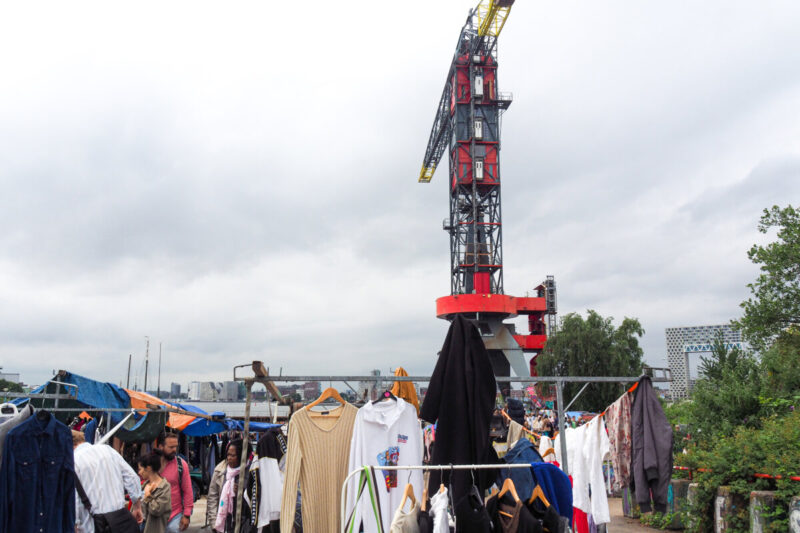
STRAAT Amsterdam is housed in a former shipyard building on the NDSM wharf, an area with a rich industrial history dating back to the early 20th century. The NDSM was once one of the largest shipbuilding sites in Europe, playing a crucial role in the Dutch maritime economy. After the decline of shipbuilding in the late 20th century, the area was largely abandoned before being transformed into a creative and cultural district starting in the early 2000s. STRAAT opened its doors in 2017, marking a significant moment in the adaptive reuse of this industrial heritage site. The gallery’s establishment reflects a broader trend in Amsterdam and other European cities to repurpose former industrial spaces for contemporary art and cultural activities. This transformation honors the historical significance of the NDSM while fostering new forms of urban creativity. The building itself, once a bustling shipyard hall, now hosts large-scale street art exhibitions that pay homage to the gritty, raw aesthetics of urban life. Over time, STRAAT has become a landmark for both locals and international visitors, symbolizing the shift from industrial production to cultural innovation. The gallery’s history is intertwined with the story of Amsterdam’s urban regeneration and the global rise of street art as a respected artistic movement.
Context

Story and significance

About

Tucked away within the industrial grandeur of the Lasloods on the NDSM wharf, the STRAAT Museum stands as a testament to the pulsating heart of graffiti and street art. The museum is an ode to the boundless creativity that spans from Amsterdam’s edgy streets to the electric avenues of New York, the colorful alleys of São Paulo, and beyond to Tokyo’s bustling districts.
Visitors to STRAAT are enveloped by an awe-inspiring collection that showcases a fusion of styles, forms, techniques, and narratives that define the most significant art movement of our times.
The artworks, monumental in scale, are as imposing as the buildings they could envelop, all housed under the soaring roof of the Lasloods—a national monument in its own right. With permanent installations and rotating exhibitions in the STRAAT Museum Gallery, one’s senses are constantly engaged. For a truly immersive journey into contemporary urban art, the STRAAT Museum is an essential destination. Tickets and details await at their website, beckoning art enthusiasts to enter a realm where art knows no bounds.

Historical significance

STRAAT matters as part of efforts to archive and legitimize ephemeral urban art practices, offering scholars and the public a way to study graffiti’s aesthetic and social dimensions. It preserves examples of a visual language that has influenced contemporary culture, politics and public space debates worldwide.

Historical context

Emerging from the global rise of graffiti and street art practices since the late 20th century, STRAAT collects, documents and exhibits works that originated in public spaces. Its development follows a broader trend of institutional recognition of street art as a legitimate contemporary art form requiring preservation and exhibition contexts.

Cultural context

STRAAT Amsterdam is a museum dedicated to street art and graffiti culture, presenting large-scale murals, stencil work and urban art practices within an indoor public setting. It functions as a bridge between subterranean street art scenes and mainstream audiences, offering visitors a concentrated experience of urban visual forms.

Architecture

Housed in repurposed industrial or commercial spaces common for street-art museums, STRAAT’s interior emphasizes large, wall-sized displays and adaptable exhibition surfaces to accommodate murals and applied works. The setting often retains an urban-industrial aesthetic that complements the raw character of street art.

Local significance

STRAAT Amsterdam is known locally as a museum that celebrates and documents street art and graffiti culture, offering residents an accessible place to see urban art in a curated context. For Amsterdam’s creative communities it provides recognition and a platform for street artists, serving both as an archive of recent urban trends and as an educational resource for those interested in contemporary visual culture. The venue contributes to the city’s broader reputation for embracing creative expression in public spaces while engaging locals with exhibitions and events tied to street art practices.

Editorial scores

How we rate it

Universal appeal & authenticity10/10
Cultural richness & educational value10/10
Preservation & integrity10/10
Accessibility & visitor engagement10/10

Editorial scores on a 10-point scale, judged against places of the same kind.

Bookable experiences

Worth booking ahead in Amsterdam

Hand-picked from the operators our guides already send readers to. Prices and availability are live on the partner site.

We earn a commission if you book through these links, at no extra cost to you. It is how we keep the guides free and independent.

Updated Data: Editorial research · Google Places ratings · Verified coordinates