


Chapel of the Holy Cross
The Chapel of the Holy Cross rises straight out of Sedona’s red rock buttes — it’s one of the few roadside stops that actually earns the detour.
Explore the ViaTravelers atlas
72 results · Follow an idea, or refine your search below.
The Chapel of the Holy Cross rises straight out of Sedona’s red rock buttes — it’s one of the few roadside stops that actually earns the detour.

Berlin’s Botanical Garden has been growing since 1679 — the Dahlem greenhouses alone span a city block and house plants from every climate on earth.
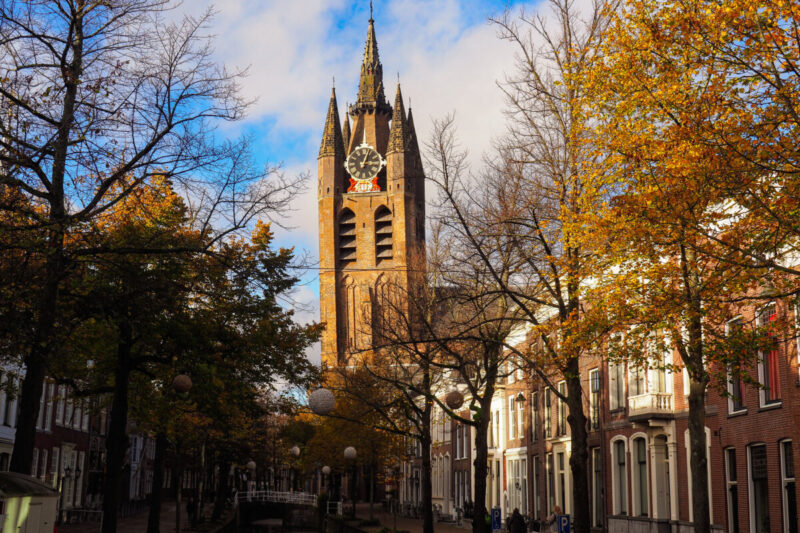
Vermeer is buried here, under plain stone slabs. The leaning tower outside and the Baroque pulpit inside make this worth an hour of anyone’s time.
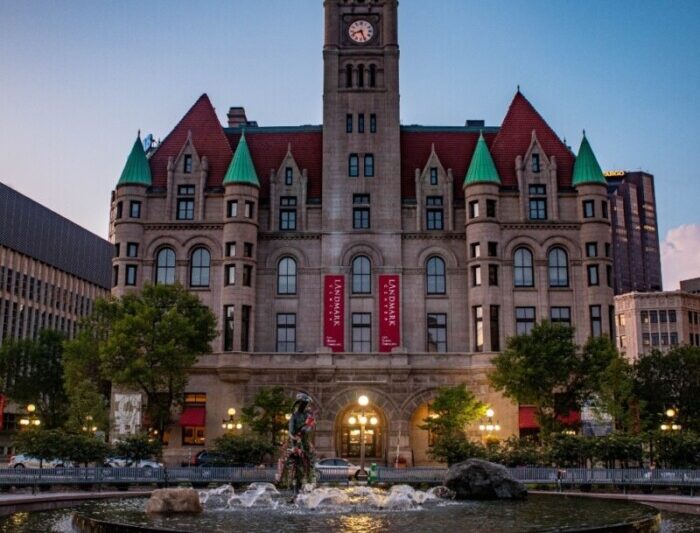
St. Paul’s Cathedral: A symbol of resilience, cultural significance, and architectural brilliance, offering engaging experiences for all.
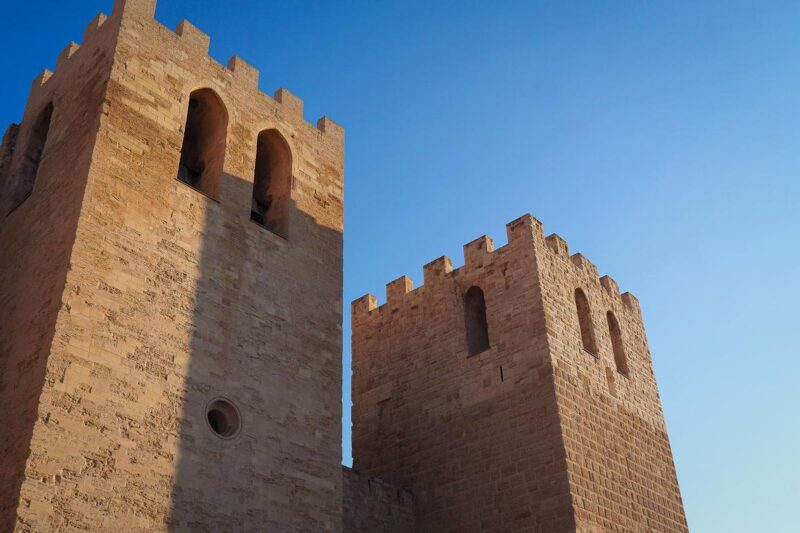
Abbaye Saint-Victor’s crypt whispers secrets from 415 AD, etched in pagan markings and ancient stone. This hilltop sentinel guards Marseille’s soul, weaving Roman roots with medieval mysteries in a [tapestry of cultural authenticity](https://www.novlr.org/the-reading-room/a-writers-guide-to-great-travel-writing).
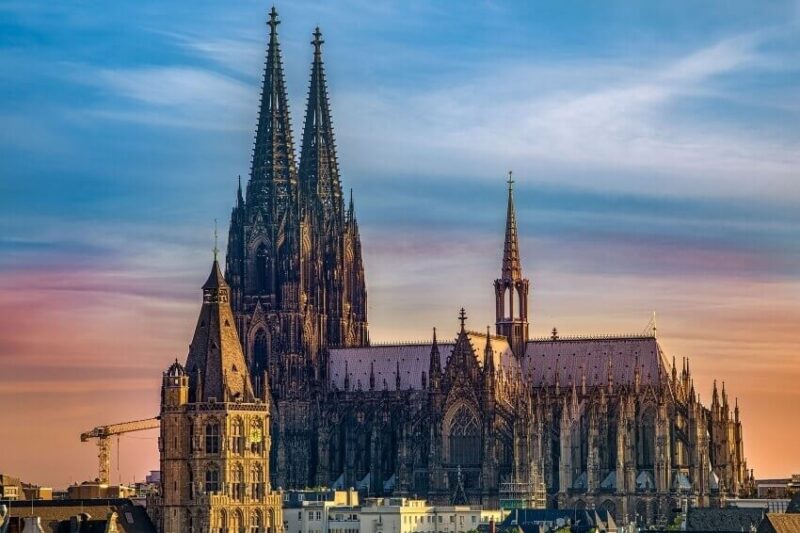
It took 632 years to finish. Standing under those twin towers, that timeline starts to make sense.
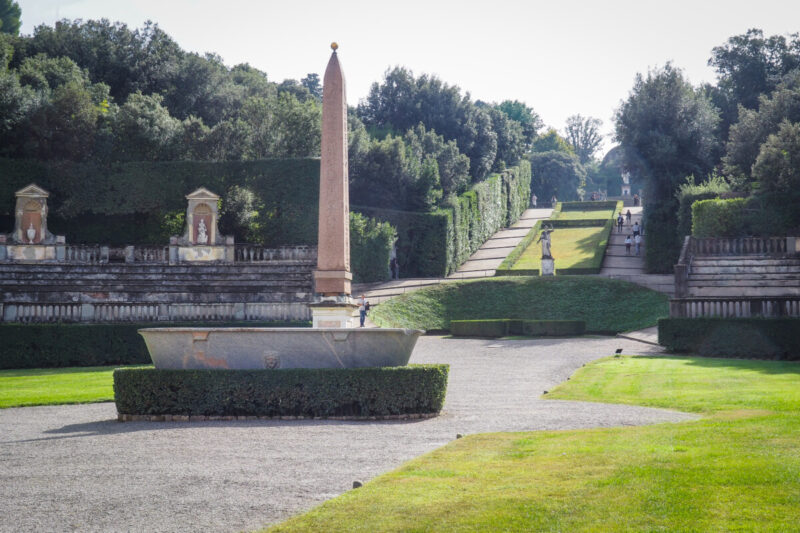
Boboli’s Grotta del Buontalenti alone justifies the entrance fee — the stalactites hide Michelangelo sculptures most visitors walk straight past.
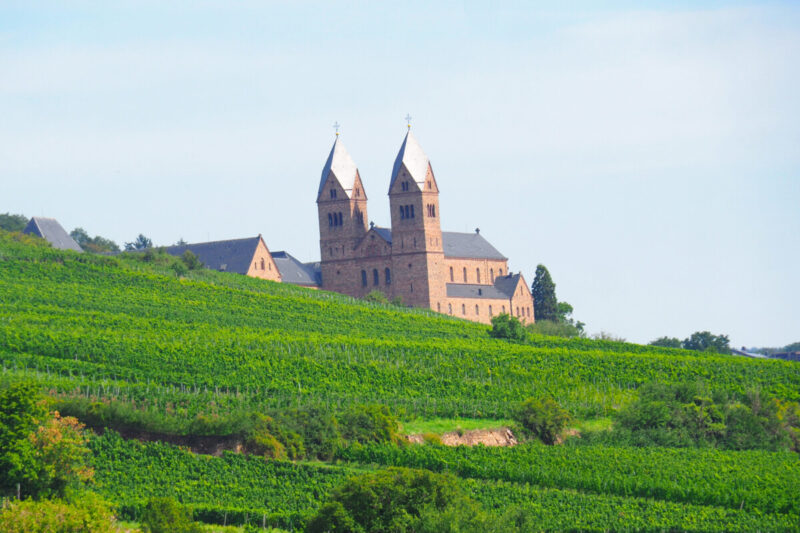
Founded in 598 AD, St Augustine’s Abbey outlasted kings, survived the Dissolution, and still tells England’s Christian origin story better than any textbook.

La Bonne Mère watches over all of Marseille from 162 meters up. The ex-votos inside tell better stories than any museum.
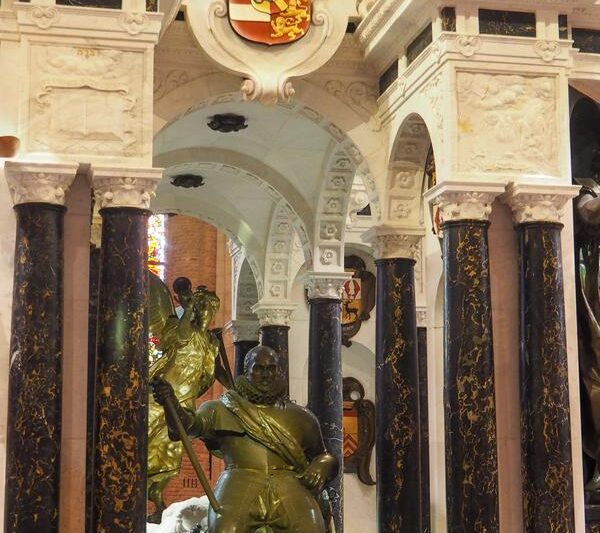
William of Orange is buried here, beneath a marble tomb that helped make Delft the burial ground of Dutch royalty. The 376-step tower climb seals it.
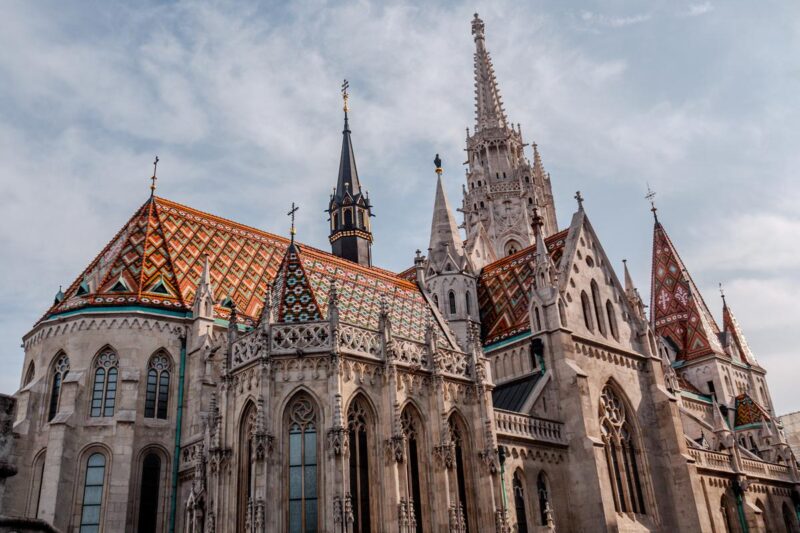
Matthias Church has been a coronation hall, a mosque, and a Neo-Gothic canvas — every era left its mark on the walls.
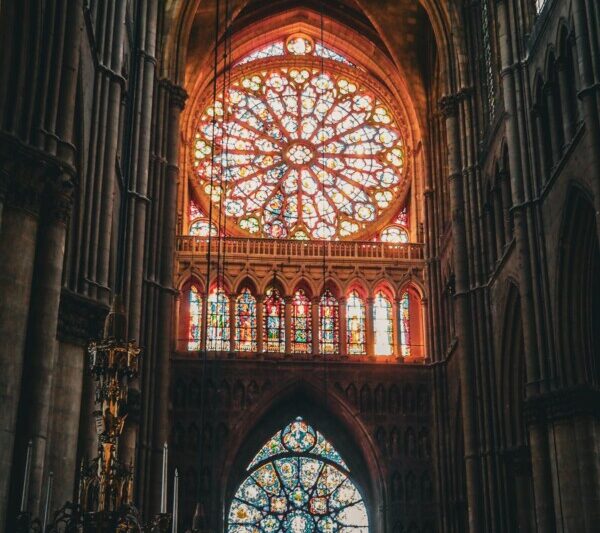
Thirty-two French kings were crowned here. The Smiling Angel still watches from the facade, unbothered by eight centuries of history.