

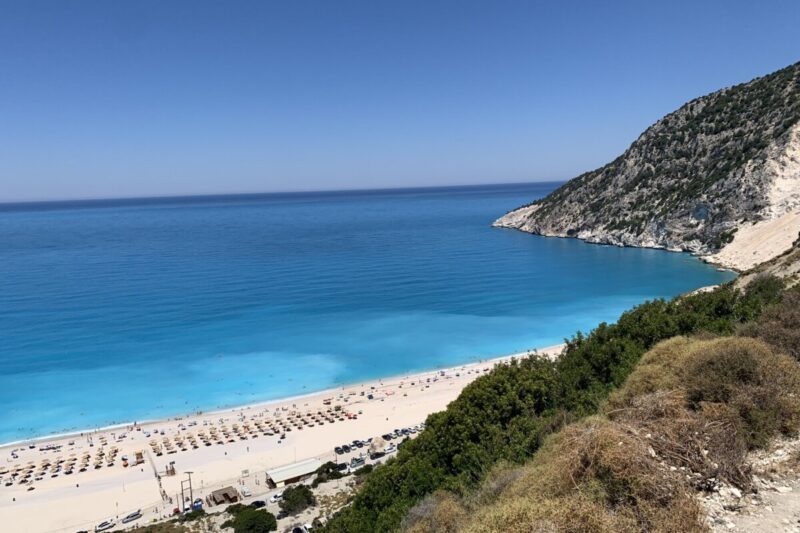
Assos Village
Assos is a historic peninsula village on northwest Kefalonia, Greece, known for its Venetian fortress ruins, turquoise harbour, and single main waterfront square.
Eco-tourism travel guides featuring certified sustainable stays, low-impact tour operators, and conservation-focused experiences across every continent.
Assos is a historic peninsula village on northwest Kefalonia, Greece, known for its Venetian fortress ruins, turquoise harbour, and single main waterfront square.
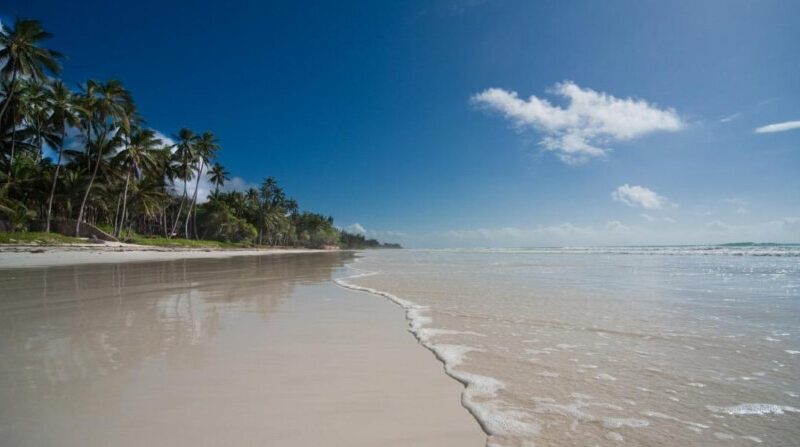
Karen is an upscale low-density suburb in southwest Nairobi, Kenya, known for the Karen Blixen Museum, Ngong Hills views, and spacious colonial-era estates.
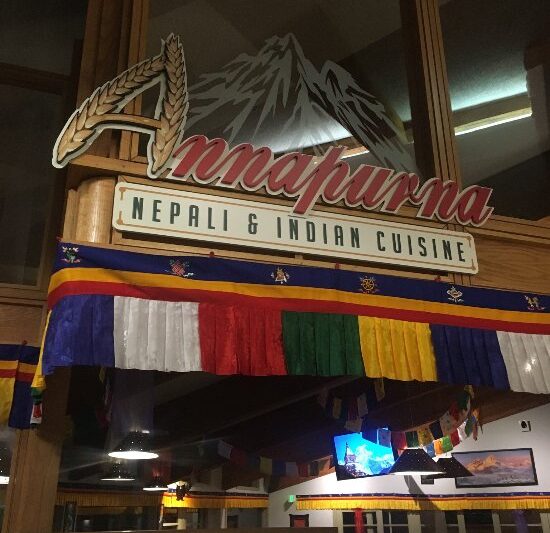
Thamel is Kathmandu’s primary tourist district in the city’s north, packed with trekking outfitters, budget guesthouses, Newari restaurants, and live-music bars along its dense medieval-street grid.
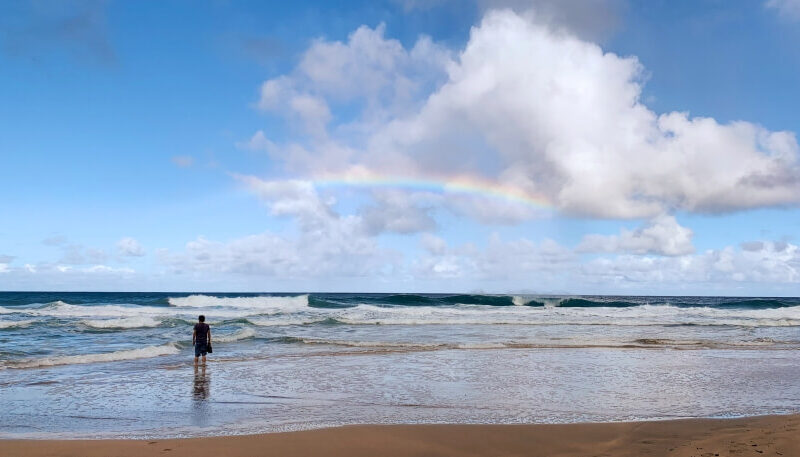
Hanalei is a small North Shore town on Kauai fronting a half-mile crescent bay backed by Na Pali cliffs, taro fields, and a National Wildlife Refuge.
Argostoli is the capital of Kefalonia island in the Ionian Sea, built around a natural lagoon with a Drapano Bridge causeway, a lively waterfront esplanade, and a daily fish market.

Riverside is a historic neighborhood in Jacksonville, Florida, known for its early-20th-century architecture, the boutique shops and restaurants of Five Points, and proximity to the St. Johns River.

Teton Village is a ski-resort base village at the base of Jackson Hole Mountain Resort in Wyoming, offering year-round lift access, slope-side lodging, and direct tram service to 10,450-foot Rendezvous Mountain.
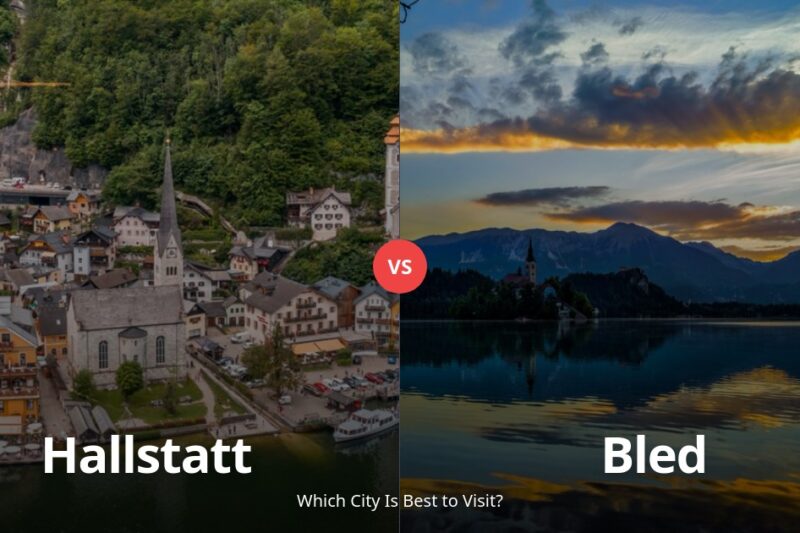
Hallstatt’s Historic Center sits on the western shore of Hallstätter See in the Salzkammergut, featuring a UNESCO-listed lakeside townscape, a 7,000-year-old salt mine, and the Gothic parish church of St. Michael.

Glacier National Park in northwestern Montana spans over one million acres of alpine terrain, featuring Going-to-the-Sun Road, more than 700 miles of hiking trails, and glacially carved peaks along the Continental Divide.

Grand Teton National Park in northwestern Wyoming features the 13,775-foot Grand Teton peak, 200-plus miles of hiking trails, and Jackson Lake along the Teton Range.

City Center is the administrative and commercial core of Dodoma, Tanzania’s capital, anchored by Parliament buildings, central market streets, and government ministries.
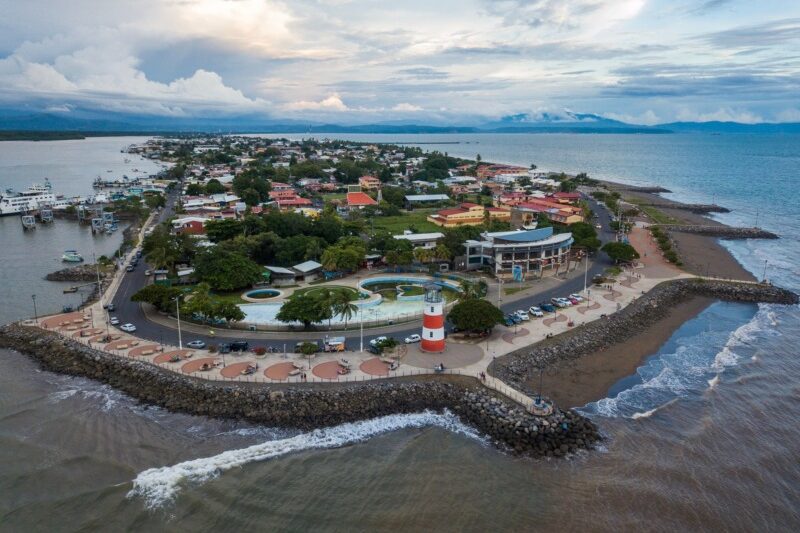
Escalante is a walkable residential district in eastern San José, Costa Rica, known for its concentration of independent restaurants, craft-beer bars, and early 20th-century architecture along Avenida 11.

Riomaggiore is the southernmost of the five Cinque Terre villages in Liguria, Italy, built into steep coastal cliffs above a small harbor with colorful tower-houses and a rocky swimming cove.

The Historic Center of Berchtesgaden is a compact Bavarian market town in the Berchtesgadener Land district, anchored by Schlossplatz, the former Augustinian monastery, and traditional salt-trade architecture.

Downtown Banff is the commercial and cultural core of Banff, Alberta, centered on Banff Avenue with the Rocky Mountains, hot springs, and Banff National Park access steps away.

The Austrian Alps region spans western and central Austria, encompassing Tyrol, Salzburgerland, and Vorarlberg, with ski resorts, alpine hiking, and glacial lakes above 1,000 meters elevation.
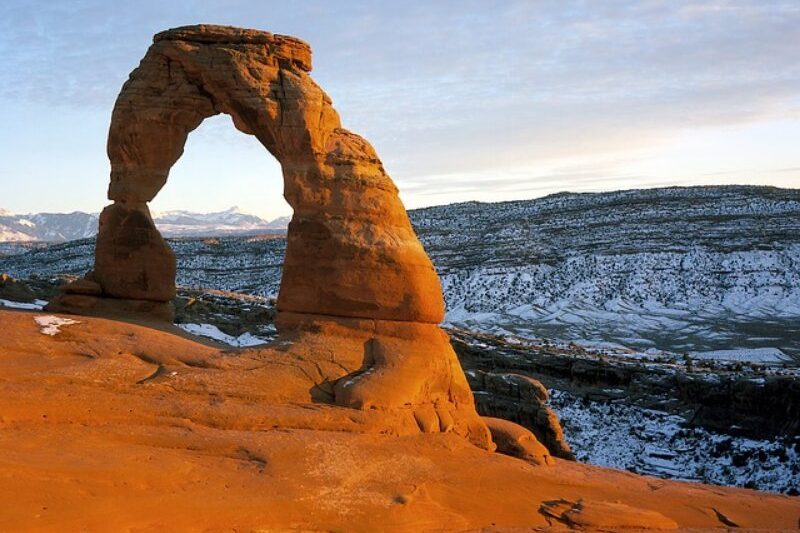
Arches National Park near Moab, Utah contains over 2,000 sandstone arches including Delicate Arch, Landscape Arch, and the Windows Section within a 76,679-acre high-desert landscape.

The Amalfi Coast is a 50-kilometer UNESCO-listed stretch of Campania coastline renowned for vertical cliffside villages, lemon groves, and the SS163 coastal highway connecting Positano to Vietri sul Mare.
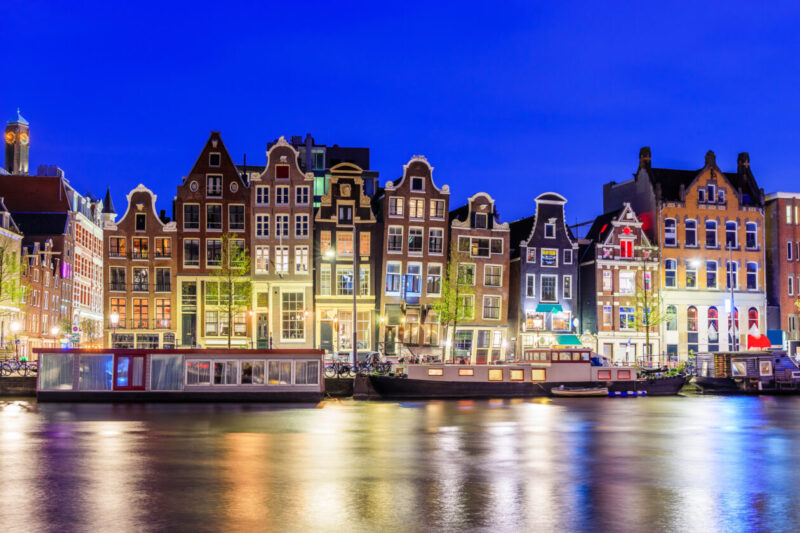

Downtown Anchorage is Alaska’s commercial and cultural core, fronting Cook Inlet with the Alaska Native Heritage Center nearby, the Tony Knowles Coastal Trail, and the Anchorage Museum at Rasmuson Center.

Berlin’s Botanical Garden has been growing since 1679 — the Dahlem greenhouses alone span a city block and house plants from every climate on earth.


Pico Duarte is the Caribbean’s highest peak and most people skip it for Punta Cana. That trade-off tells you everything about the DR.