Sweden
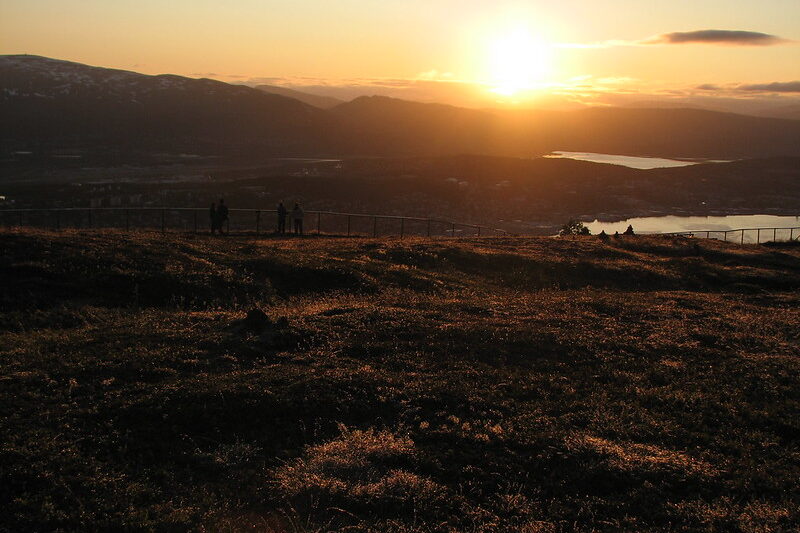
Abisko’s Aurora Sky Station sits inside the aurora oval — surrounding mountains block clouds, making it the most reliable Northern Lights viewing on earth.
Eco-tourism travel guides featuring certified sustainable stays, low-impact tour operators, and conservation-focused experiences across every continent.

Abisko’s Aurora Sky Station sits inside the aurora oval — surrounding mountains block clouds, making it the most reliable Northern Lights viewing on earth.

Strokkur erupts every 5 minutes. The Northern Lights peak at Jökulsárlón. Iceland rewards the traveler who plans around nature’s schedule.

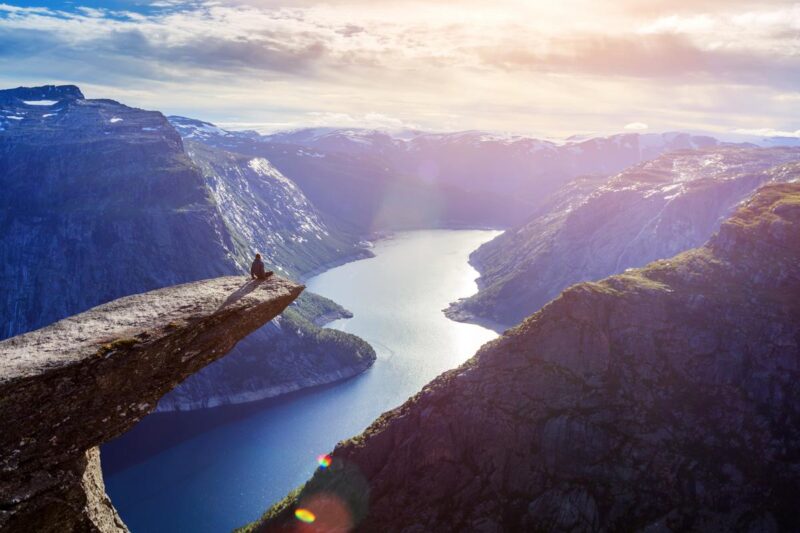
Stavanger’s 250 white wooden houses in Gamle Stavanger are the real draw — Preikestolen is just the reason everyone else shows up.

Monteverde’s cloud forest hangs at 4,600 feet with hanging bridges, zip lines through the canopy, and a biodiversity per square meter that makes the muddy trails worth every step.

Drake Bay is one of the few places left where you arrive by boat or plane and leave wondering why the rest of Costa Rica feels so crowded.

Joshua Tree sits where the Mojave and Colorado deserts meet — surreal rock formations, stargazing with zero light pollution, and the trees themselves looking like something from another planet.

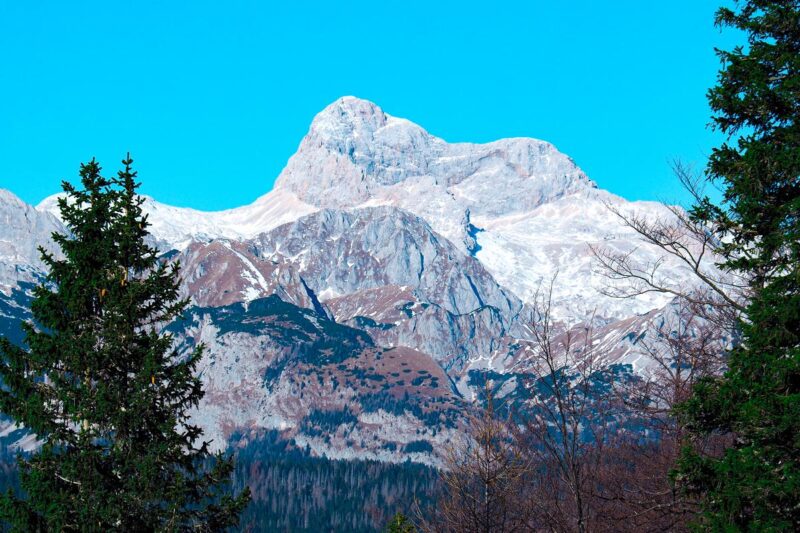
The Upper Sava Valley in Slovenia stretches from Kranjska Gora to Bled with Julian Alps framing every view — a valley where ski resorts and emerald rivers share the landscape.

Banff National Park has Lake Louise, Moraine Lake, and the Icefields Parkway connecting it all — the Canadian Rockies at their most photographed and most accessible.

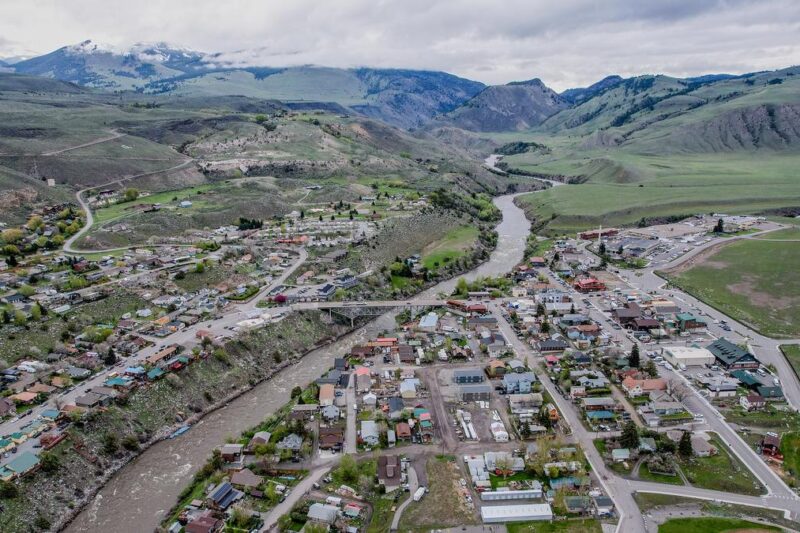
Yellowstone sits on a supervolcano with half the world’s geysers — Old Faithful is the one everyone knows, but the Grand Prismatic Spring is the one that stops you cold.

The Grand Canyon is 277 river miles of exposed geological time — two billion years visible in striped rock layers that no photo, video, or description truly prepares you for.

Zanzibar’s Stone Town is a UNESCO maze of carved doors and spice-scented alleys — the beaches on the east coast are the postcard, but the history is the reason to go.

Patagonia stretches across Argentina and Chile with glaciers calving into lakes, Torres del Paine spearing the sky, and a wind that lets you know who’s in charge.

New Caledonia is a French territory in the South Pacific with the world’s largest lagoon, Kanak culture, and a Nouméa café scene that feels like Paris in the tropics.

Victoria is the most British city in Canada — afternoon tea at the Empress, a harbor lined with floatplanes, and Butchart Gardens blooming on a former quarry.

Rocky Mountain National Park has Trail Ridge Road crossing the Continental Divide above 12,000 feet — elk herds, alpine tundra, and peaks that make Colorado’s front range look flat.

Kenya has the Great Migration crossing the Mara, Mount Kenya’s glaciers, and a Swahili coast where Lamu island moves at dhow speed. Safari is just the beginning.

Kefalonia is the largest Ionian island with Myrtos Beach regularly named Greece’s most beautiful — fewer crowds than Santorini and a rugged coastline that feels earned.

Bryce Canyon’s hoodoos glow orange at sunrise and the Navajo Loop trail drops you right into the amphitheater — Utah’s most photogenic national park by a wide margin.

Banff sits in the Canadian Rockies where the lakes are actually that color — Lake Louise and Moraine Lake don’t need a filter, just clear morning light.

Hallstatt has 7,000 years of salt mining history and a lakeside setting so photogenic that China built a full replica. The original is still worth the trip.

Glacier National Park had 150 glaciers when it was named. Fewer than 25 remain — making the Going-to-the-Sun Road one of the most urgent drives in America.

The Grand Canyon is 277 miles long, up to 18 miles wide, and over a mile deep — no amount of photos prepares you for standing at the rim for the first time.

Kirkland Museum: A kaleidoscope of Denver’s artistic heritage, boasting a collection exceeding 3,500 pieces spanning vital movements in decorative art, design, and fine art.

Minneapolis wraps a serious arts scene, 13 lakes, and the Mall of America into a Midwestern city that earns its spot on more itineraries than it gets credit for.