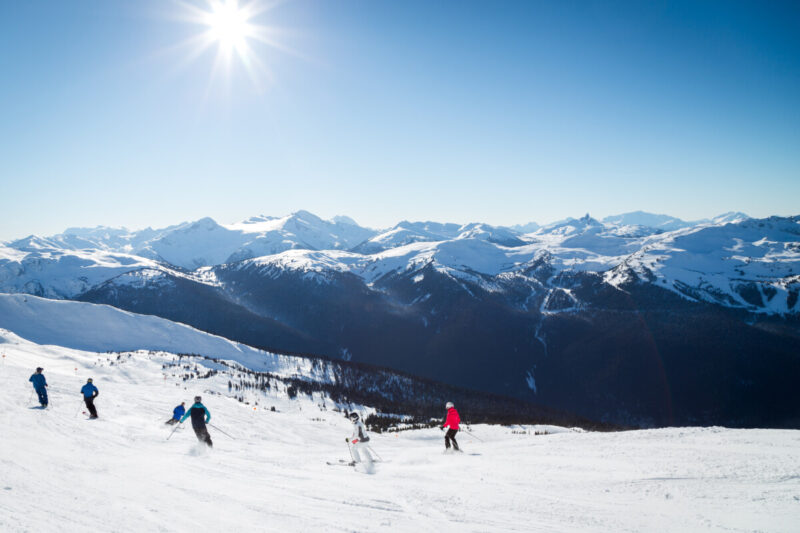
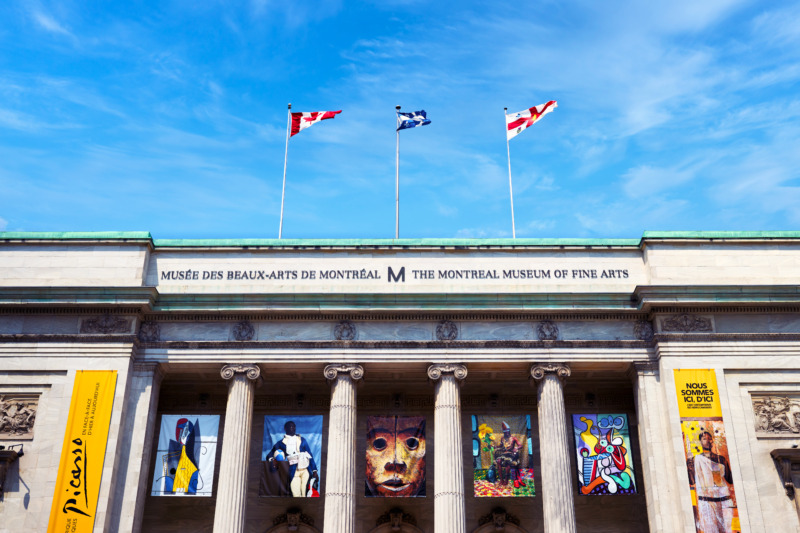
Canada, the world’s second-largest country, offers an extraordinary tapestry of cultures, landscapes, and experiences spanning from Arctic tundra to temperate rainforests. This vast nation showcases remarkable diversity with French-speaking Quebec, Indigenous territories preserving ancient traditions, and cosmopolitan cities like Toronto and Vancouver leading global innovation. From the rugged coastlines of the Maritime provinces to the majestic Rocky Mountains and pristine wilderness of the Northwest Territories, Canada provides unparalleled opportunities for outdoor adventure and cultural discovery. The country’s commitment to multiculturalism, environmental stewardship, and reconciliation with Indigenous peoples creates a unique travel destination where modern cities coexist harmoniously with vast untouched wilderness.
The destination guide
Canada

Country in North AmericaUpdated
- Overall8/10
- Best forFamilies, Budget travelers
- PeakJun–Aug
- CurrencyCAD
The Rockies get all the attention, but Quebec City in January and the Maritimes in fall are where Canada actually surprises you.
Browse all 11 destinations in Canada
Travel guides for Canada
Things to do (2)
Destination stories (2)
More guides featuring Canada (29)
At a glance
- English
- French
- Rocky Mountains
- Pacific coast
- Arctic tundra
- Prairies
- Boreal forests
How Canada scores
Editorial scores on a 10-point scale, weighed against destinations of the same kind.
Travel safety snapshot
SafePlace indicators use their source 100-point scale; higher is more favourable. Planning context, not a live travel advisory — check official government guidance before you go.
When to go
Best months to visit: January, February, May, June, July, August, September, October and December.
- January: -20.4 to -13.3 degrees Celsius, 21 millimetres of rain, best-time score 4 out of 5.
- February: -22.4 to -13.5 degrees Celsius, 19.2 millimetres of rain, best-time score 4 out of 5.
- March: -14.6 to -4.5 degrees Celsius, 26.2 millimetres of rain, best-time score 2 out of 5.
- April: -5.9 to 4.7 degrees Celsius, 27.6 millimetres of rain, best-time score 3 out of 5.
- May: 3 to 15 degrees Celsius, 37.9 millimetres of rain, best-time score 5 out of 5.
- June: 9.3 to 19.3 degrees Celsius, 82.1 millimetres of rain, best-time score 5 out of 5.
- July: 12.7 to 22.5 degrees Celsius, 79.8 millimetres of rain, best-time score 5 out of 5.
- August: 11.8 to 21.1 degrees Celsius, 66.2 millimetres of rain, best-time score 5 out of 5.
- September: 7 to 15.2 degrees Celsius, 54.1 millimetres of rain, best-time score 5 out of 5.
- October: -1 to 5.1 degrees Celsius, 36.1 millimetres of rain, best-time score 4 out of 5.
- November: -11.1 to -5 degrees Celsius, 24.5 millimetres of rain, best-time score 3 out of 5.
- December: -20.3 to -13.5 degrees Celsius, 22.9 millimetres of rain, best-time score 4 out of 5.
Month-by-month conditions and packing advice
- January
- Very cold, mostly dry January in Canada: winter or autumn can be excellent for targeted snow, aurora, city, or foliage trips. Crowds: January in Canada is best for winter-ready travelers; outdoor plans need warm gear, shorter daylight expectations, and weather-aware transport planning. Pack: Pack insulated layers, warm footwear, gloves, and a serious winter coat.
- February
- Very cold, mostly dry February in Canada: winter or autumn can be excellent for targeted snow, aurora, city, or foliage trips. Crowds: February in Canada is best for winter-ready travelers; outdoor plans need warm gear, shorter daylight expectations, and weather-aware transport planning. Pack: Pack insulated layers, warm footwear, gloves, and a serious winter coat.
- March
- Very cold, mostly dry March in Canada: this month is less balanced for a broad Canada itinerary. Crowds: March in Canada is best for winter-ready travelers; outdoor plans need warm gear, shorter daylight expectations, and weather-aware transport planning. Pack: Pack insulated layers, warm footwear, gloves, and a serious winter coat.
- April
- Cold, mostly dry April in Canada: mud season or late fall makes broad travel less predictable. Crowds: April in Canada is best for winter-ready travelers; outdoor plans need warm gear, shorter daylight expectations, and weather-aware transport planning. Pack: Pack insulated layers, warm footwear, gloves, and a serious winter coat.
- May
- Cool to mild, occasional rain May in Canada: national parks, cities, coasts, lakes, rail trips, wildlife, and fall color are easiest to balance across regions. Crowds: May in Canada is workable with normal seasonal planning; build in layers, weather checks, and a mix of indoor and outdoor activities. Pack: Pack layered clothing and comfortable walking shoes.
- June
- Cool to mild, some rain June in Canada: national parks, cities, coasts, lakes, rail trips, wildlife, and fall color are easiest to balance across regions. Crowds: June in Canada is workable with normal seasonal planning; build in layers, weather checks, and a mix of indoor and outdoor activities. Pack: Pack layered clothing and comfortable walking shoes. Add a rain jacket or compact umbrella.
- July
- Mild to warm, some rain July in Canada: national parks, cities, coasts, lakes, rail trips, wildlife, and fall color are easiest to balance across regions. Crowds: July in Canada is workable with normal seasonal planning; build in layers, weather checks, and a mix of indoor and outdoor activities. Pack: Pack layered clothing and comfortable walking shoes. Add a rain jacket or compact umbrella.
- August
- Mild to warm, occasional rain August in Canada: national parks, cities, coasts, lakes, rail trips, wildlife, and fall color are easiest to balance across regions. Crowds: August in Canada is comfortable for sightseeing, neighborhoods, food stops, day trips, and outdoor time with limited weather friction. Pack: Pack layered clothing and comfortable walking shoes.
- September
- Cool to mild, occasional rain September in Canada: national parks, cities, coasts, lakes, rail trips, wildlife, and fall color are easiest to balance across regions. Crowds: September in Canada is workable with normal seasonal planning; build in layers, weather checks, and a mix of indoor and outdoor activities. Pack: Pack layered clothing and comfortable walking shoes.
- October
- Cold, occasional rain October in Canada: winter or autumn can be excellent for targeted snow, aurora, city, or foliage trips. Crowds: October in Canada is workable with normal seasonal planning; build in layers, weather checks, and a mix of indoor and outdoor activities. Pack: Pack warm layers, a coat, and comfortable shoes for cold mornings and evenings.
- November
- Very cold, mostly dry November in Canada: mud season or late fall makes broad travel less predictable. Crowds: November in Canada is best for winter-ready travelers; outdoor plans need warm gear, shorter daylight expectations, and weather-aware transport planning. Pack: Pack insulated layers, warm footwear, gloves, and a serious winter coat.
- December
- Very cold, mostly dry December in Canada: winter or autumn can be excellent for targeted snow, aurora, city, or foliage trips. Crowds: December in Canada is best for winter-ready travelers; outdoor plans need warm gear, shorter daylight expectations, and weather-aware transport planning. Pack: Pack insulated layers, warm footwear, gloves, and a serious winter coat.
- June
- July
- August
- November
- December
- January
- February
- March
Know before you go
Best time to visit
June through September for warm weather across most provinces. October for spectacular fall foliage in Quebec and Ontario. December-March for skiing in British Columbia, Alberta, and Quebec.
Season by season
Summer (June-Aug):
Weather: 20-30°C, sunny
Highlights: Hiking/Lakes
Best For: Road Trips
Winter (Dec-March):
Weather: -10 to -20°C, snow
Highlights: Skiing/Northern Lights
Best For: Snow sports
Fall (Sept-Oct):
Weather: Cool, colors
Highlights: Foliage
Best For: Scenery
Crowds
Canada’s national crowd pattern: busiest nationwide in summer (June–August) for parks and cities and during major winter-sport seasons in resort regions; shoulder seasons vary by region (spring/fall quieter); quietest in late winter (March–April) in many non-ski areas—overall highly seasonal depending on province.
Getting there and around
Getting there
Canada is accessible via major international airports across the country. Toronto, Vancouver, and Montreal airports serve as primary entry points with extensive domestic connections.
Getting around
Canada offers diverse transportation including rental cars, domestic flights, VIA Rail trains, and public transit in major cities. Car rental is popular for exploring vast distances.
Top experiences in Canada
Banff National Park
Canada’s first national park. Lake Louise, Moraine Lake, and glaciers. The turquoise water and jagged peaks are world-famous. A mecca for hikers and skiers.
Niagara Falls
Three waterfalls straddling the border. The Horseshoe Falls (Canadian side) is the most impressive. Take the boat tour into the mist. Powerful and wet.
Old Quebec
The only walled city north of Mexico. Narrow cobblestone streets, French cafes, and 400 years of history. It feels like Europe in North America.
CN Tower
The needle of Toronto. Glass floor, rotating restaurant, and the EdgeWalk (hanging off the outside). The view stretches for miles.
Stanley Park (Vancouver)
A massive rainforest park in Vancouver. The Seawall, beaches, and totem poles. It is the green heart of the city.
Editor-curated picks carried over from our original guide. Where a full place guide exists, the card links to it.
Worth booking ahead in Canada
Hand-picked from the operators our guides already send readers to. Prices and availability are live on the partner site.
BrowseViator
Tours and tickets in Canada on Viator (opens Viator in a new tab)
Viator's full list of bookable tours and tickets in Canada.
BrowseGetYourGuide
Experiences in Canada on GetYourGuide (opens GetYourGuide in a new tab)
Everything GetYourGuide sells in Canada, with the cancellation terms on each listing.
Where to stayBooking.com
Stays in Canada (opens Booking.com in a new tab)
Live rates and availability for Canada on Booking.com; filter by neighbourhood once you know where your days start.
We earn a commission if you book through these links, at no extra cost to you. It is how we keep the guides free and independent.
Where to stay
Fairmont Banff Springs
405 Spray Ave, Banff, AB T1L 1J4, Canada
The ‘Castle in the Rockies’. Opened in 1888. It is massive, historic, and iconic. Located in Banff National Park. A bucket list stay.
Fairmont Le Château Frontenac
1 Rue des Carrières, Québec, QC G1R 4P5, Canada
The most photographed hotel in the world. Dominates the skyline of Old Quebec. It feels like a French fortress. History in every hallway.
The Ritz-Carlton, Toronto
181 Wellington St W, Toronto, ON M5V 3G7, Canada
Modern luxury in downtown Toronto. Great views of the CN Tower and Lake Ontario. The service is impeccable. A great base for the city.
Editor-curated stays carried over from our original guide. Where we have reviewed the hotel, the card links to the review.
Tips from the field
Highlights
- Nature – Rockies
- Water – Niagara Falls
- History – Old Quebec
- City – Toronto/Vancouver
- Wildlife – Bears/Moose
- Sport – Hockey
- Icon – CN Tower
- Food – Poutine
Best activities
- Canoe on Lake Louise. Get soaked at Niagara Falls. Walk the walls of Old Quebec. Ski in Whistler or Banff. Go up the CN Tower. Drive the Icefields Parkway. See a bear (safely). Eat Poutine.
Photography tips
- Golden Hour: Sunrise at Moraine Lake (Valley of the Ten Peaks). Sunset over Quebec City from the Ferry.
- Iconic Shots:
- The view of Moraine Lake from the rock pile.
- Niagara Falls from the boat.
- Chateau Frontenac from the Dufferin Terrace.
- The Toronto skyline from the Islands.
- Peyto Lake (the fox shape).
- Technique: Use a polarizer for the glacial lakes to bring out the turquoise. Dress warmly for night shots in winter!
Timing
- Peak Season (July-Aug):
- Busy, expensive
- Ski Season (Dec-March):
- Busy at resorts
- Shoulder Season (May-June, Sept):
- Good balance
Keeping it authentic
- Canada is vast. The West is mountains, the East is history/ocean, the North is wild. 'Eh' is real. People really are that polite. Tim Hortons is a cultural staple.
Culture, customs and safety
Cultural heritage
Canada’s cultural heritage embraces Indigenous nations’ diverse traditions alongside French and British colonial legacies within a multicultural framework. First Nations, Métis, and Inuit peoples preserve languages, art forms, and territorial knowledge through potlatch ceremonies, totem poles, and throat singing. Québécois culture maintains French traditions through language laws, sugar shacks, and winter carnival. The nation’s cultural mosaic includes Ukrainian prairie settlements, Maritime fishing traditions, and Vancouver’s Asian influences creating distinct regional identities.
Local customs & etiquette
In Canada, Canadians are generally polite and friendly. Tipping is expected (15-20% in restaurants). Bilingual signage in Quebec and cultural diversity are prominent features.