

Istanbul, the city that straddles two continents, is a mesmerizing blend of history, culture, and modernity. Known for its stunning architecture, including the Hagia Sophia and the Blue Mosque, Istanbul offers a unique experience where East meets West. The vibrant bazaars, rich culinary scene, and the scenic Bosphorus make it a must-visit destination.
The destination guide
Istanbul
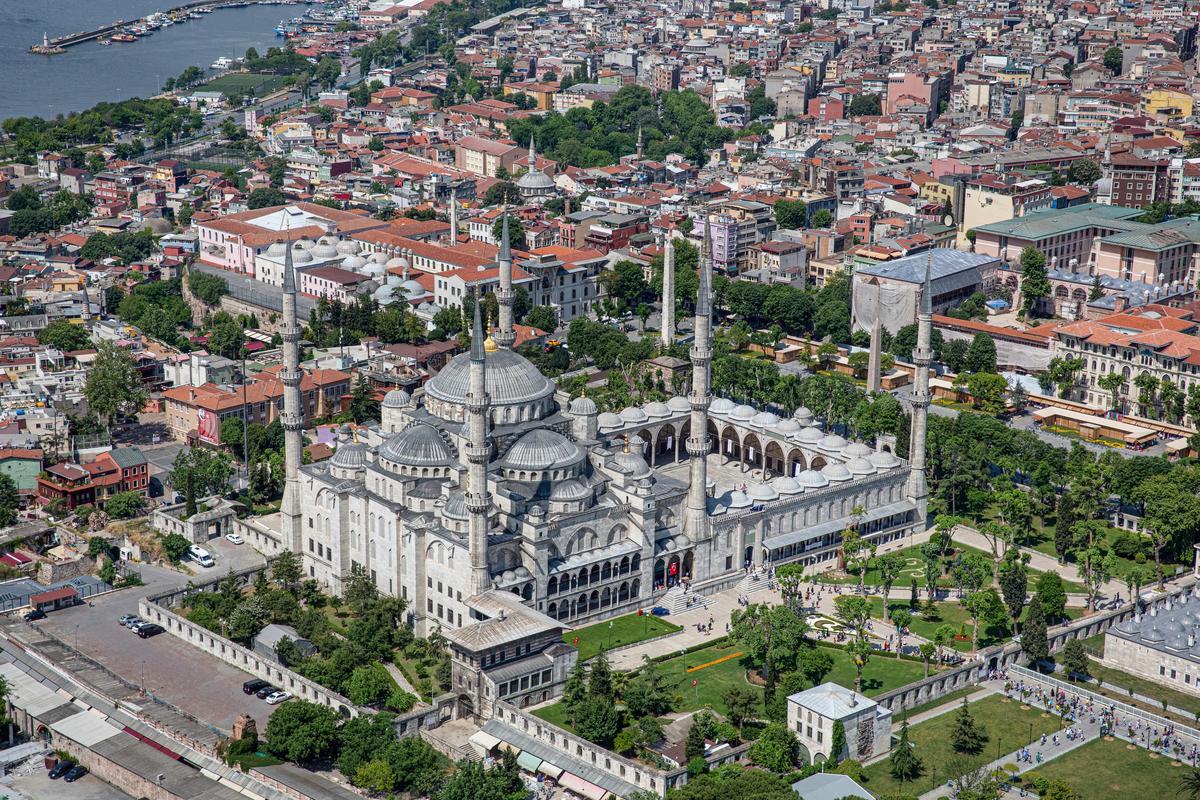
Istanbul bridges two continents with the Hagia Sophia, the Grand Bazaar’s 4,000 shops, and a kebab-and-tea culture that treats every meal like an event.
Travel guides for Istanbul
Travel tips & costs (1)
More guides featuring Istanbul (9)
At a glance
Currency₺ TRYCode: TRY
Time zoneTurkey Time
Languages
- Turkish
Setting
- Bosphorus strait
- Eurasian cityscape
- Historic mosques
- Grand Bazaar
Known for
- History and Culture
- Architecture
- Food and Cuisine
- East meets West
Population15.9M15,907,271 residents
VisaDuration: Up to 90 days within any 180-day period · Documents: Valid U.S. passport with at least 6 months validity beyond date of entry and space for entry and exit stamps
How Istanbul scores
6/10OverallFair
Weather7/10
Value for money8/10
Safety6/10
Food & cuisine9/10
Culture & arts7/10
Cultural experience9/10
History10/10
Nature & outdoors6/10
Adventure4/10
Nightlife8/10
Shopping9/10
Family friendly5/10
Romance8/10
Character
Photography score9/10
Authenticity score10/10
Off-the-beaten-path score3/10
Editorial scores on a 10-point scale, weighed against destinations of the same kind.
Travel safety snapshot
Overall62/100Exercise precaution
Women travellers55/100
LGBTQ+ travellers35/100
Theft55/100
Medical care70/100
Physical harm60/100
Political freedom40/100
SafePlace indicators use their source 100-point scale; higher is more favourable. Planning context, not a live travel advisory — check official government guidance before you go.
When to go
Best months to visit: March, April, May, June, September, October and November.
- January: 5.3 to 9.2 degrees Celsius, 23.3 millimetres of rain, best-time score 3 out of 5.
- February: 4.7 to 8.3 degrees Celsius, 27.8 millimetres of rain, best-time score 3 out of 5.
- March: 6.6 to 11 degrees Celsius, 22.1 millimetres of rain, best-time score 4 out of 5.
- April: 9.9 to 15.6 degrees Celsius, 6 millimetres of rain, best-time score 5 out of 5.
- May: 15.6 to 22.3 degrees Celsius, 6.8 millimetres of rain, best-time score 5 out of 5.
- June: 19.8 to 25.4 degrees Celsius, 17.5 millimetres of rain, best-time score 4 out of 5.
- July: 22.3 to 28.1 degrees Celsius, 13.7 millimetres of rain, best-time score 3 out of 5.
- August: 23.5 to 28.4 degrees Celsius, 3.7 millimetres of rain, best-time score 3 out of 5.
- September: 20.6 to 25.9 degrees Celsius, 5.7 millimetres of rain, best-time score 5 out of 5.
- October: 15.8 to 20 degrees Celsius, 30.3 millimetres of rain, best-time score 5 out of 5.
- November: 12.3 to 15.3 degrees Celsius, 23.2 millimetres of rain, best-time score 4 out of 5.
- December: 8 to 11.6 degrees Celsius, 19.3 millimetres of rain, best-time score 3 out of 5.
Month-by-month conditions and packing advice
- January
- Cool weather, mostly dry January in Istanbul: summer heat, winter chill, or holiday crowds reduce the all-around balance. Crowds: Traveling to Istanbul in January means experiencing the city at its quietest. This is low season, when crowd levels thin dramatically at major sites like Hagia Sophia and Topkapi Palace. Accommodation prices drop compared to the busy summer months, making it an attractive time for budget-conscious travelers. The cool, damp weather favors indoor exploration—museums, mosques, and historic hammams become ideal refuges. Outdoor activities like Bosphorus cruises run less frequently and can be chilly but offer a serene, uncrowded perspective. Photography enthusiasts benefit from softer winter light and fewer tourists cluttering shots. Visitors should expect shorter daylight hours, planning sightseeing efficiently. Overall, January offers a more reflective, cultural travel experience, free from the hustle of peak season. Pack: Warm, waterproof jacket for damp cold days; Sturdy walking shoes with good grip for wet streets; Layered clothing including sweaters and thermal tops; Compact umbrella for passing showers; Scarf and gloves for chilly mornings and evenings; Modest attire for mosque visits including long pants or skirts
- February
- Cool weather, some rain February in Istanbul: summer heat, winter chill, or holiday crowds reduce the all-around balance. Crowds: February is part of Istanbul’s low travel season, making it an excellent time for budget-conscious travelers who don’t mind the cool and damp conditions. Tourist sites such as Hagia Sophia and Topkapi Palace see fewer crowds, allowing for more contemplative visits. Hotel rates are typically more affordable, and queues at major landmarks are shorter than in spring or summer. However, unpredictable rainfall may limit long outdoor walks, so flexibility in planning is key. The cooler climate enhances indoor cultural experiences—museum visits, hammam baths, and café hopping are especially rewarding. This shoulder of winter is ideal for travelers seeking authenticity and cultural depth without the intensity of peak tourism. Advance booking isn’t as essential, but choosing accommodations near tram or metro lines can help minimize exposure to the elements. Pack: Water-resistant jacket for rainy days; Warm scarf and gloves for damp, chilly evenings; Sturdy walking shoes suitable for wet cobblestones; Compact umbrella for sudden showers; Layered clothing including sweaters and long sleeves; Modest attire for visiting mosques and religious sites
- March
- Cool weather, mostly dry March in Istanbul: conditions can work well with layers or early heat planning. Crowds: March represents the shoulder season in Istanbul, offering lower crowd levels and more moderate pricing compared to the busy summer months. Weather is cool but generally favorable for sightseeing, especially for travelers who enjoy brisk outdoor exploration. While not peak tourist season, it is an excellent time for cultural activities—museums, bazaars, and mosques are comfortably uncrowded. Occasional cool breezes mean waterfront activities may feel chilly, but walking tours and city photography thrive in the soft spring light. Early booking may not be as essential as in peak season, but securing accommodations in advance still ensures better value and selection. Pack: Warm, layered clothing for cool mornings and evenings; Water-resistant jacket for unexpected spring showers; Comfortable walking shoes for cobblestone streets; Scarf or shawl for both warmth and modesty at mosques; Compact umbrella for light rainfall; Crossbody bag to keep essentials secure in busy markets
- April
- Cool weather, mostly dry April in Istanbul: mosques, bazaars, Bosphorus ferries, neighborhoods, food, and museums are most comfortable in mild shoulder weather. Crowds: April marks the start of Istanbul’s prime spring tourism window. Comfortable daytime conditions make it one of the best months for sightseeing, from exploring the Hagia Sophia to ferry rides across the Bosphorus. Crowds increase as the tulip festival attracts both locals and international visitors, but they remain lighter than the peak summer months. Accommodation rates begin to rise, though deals are still available compared to late spring. Outdoor activities such as café culture, walking tours, and photography excursions are particularly rewarding in April, while heavy summer heat and congestion have yet to arrive. Booking accommodations in advance is wise, especially near festival venues or historic districts, to secure good options before demand climbs further. Pack: Light jacket or cardigan for cool evenings; Comfortable walking shoes for cobblestone streets; Layered clothing to adjust to variable spring temperatures; Compact umbrella for occasional showers; Modest attire for visiting mosques and religious sites; Camera gear to capture tulip blooms and cityscapes
- May
- Warm and pleasant, mostly dry May in Istanbul: mosques, bazaars, Bosphorus ferries, neighborhoods, food, and museums are most comfortable in mild shoulder weather. Crowds: May marks the start of Istanbul’s peak travel season, with excellent weather for both outdoor and cultural activities. Comfortable temperatures and limited rainfall make it one of the best months for walking tours through Sultanahmet, ferry rides across the Bosphorus, or rooftop dining with panoramic views. Visitor numbers rise steadily as spring turns to summer, so popular sites can feel busier, and hotel prices begin their upward climb. However, it’s still more manageable than the midsummer rush. Booking accommodations in advance is wise, especially if travel coincides with spring festivals or cultural events. Overall, May balances great weather with tolerable crowds, making it an optimal time for travelers seeking both comfort and access. Pack: Light layers for warm days and cool evenings; Comfortable walking shoes for cobblestone streets; Compact umbrella or light rain jacket for rare showers; Modest attire suitable for mosque visits; Sunglasses and sunscreen for long outdoor days; Light scarf or wrap for breezy ferry rides and cultural sites
- June
- Warm and pleasant, mostly dry June in Istanbul: conditions can work well with layers or early heat planning. Crowds: June marks the beginning of Istanbul’s summer high season, drawing both international visitors and domestic travelers. Warm, mostly dry weather makes this an ideal time for outdoor sightseeing, Bosphorus cruises, and visits to archaeological sites without the discomfort of extreme heat. Expect rising crowd levels at popular attractions like Hagia Sophia and Topkapı Palace, and hotel prices climbing accordingly. Longer daylight hours extend exploration opportunities, but booking tours, accommodations, and transport well in advance is essential. While conditions are near-perfect for cultural discovery and waterfront dining, travelers should plan for higher costs and busier streets, especially around key squares and bazaars. Pack: Lightweight, breathable cotton or linen clothing; Comfortable walking sandals or shoes for cobblestone streets; Sun hat and SPF 50+ sunscreen for midday protection; Light evening layer for breezy nights along the Bosphorus; Modest attire for mosques and religious sites (scarf, long trousers/skirts); Reusable water bottle to stay hydrated during long sightseeing days
- July
- Hot and sunny, mostly dry July in Istanbul: summer heat, winter chill, or holiday crowds reduce the all-around balance. Crowds: July represents peak summer season in Istanbul, attracting large numbers of both international tourists and local holidaymakers. The consistently hot, dry weather is perfect for outdoor sightseeing, boat cruises, and rooftop dining experiences. However, travelers should be prepared for heavy foot traffic at landmarks such as Hagia Sophia and Topkapi Palace, along with premium hotel pricing. Beaches along the Marmara coast and nearby islands also fill quickly, making early booking essential. Day trips to the Princes’ Islands or evening ferry rides across the Bosphorus are especially rewarding in this season. While the weather strongly favors outdoor activities, midday heat can limit comfort, so scheduling major sightseeing for mornings or late afternoons is advisable. Overall, July offers optimal cultural vibrancy but requires travelers to navigate high demand and elevated costs. Pack: Lightweight, breathable cotton or linen clothing; Comfortable sandals or walking shoes for cobblestone streets; High SPF sunscreen and a wide-brimmed hat; Reusable water bottle to stay hydrated; Modest attire for mosque visits (scarf and long trousers/skirt); Light evening wrap for cooler breezes on the Bosphorus
- August
- Hot and sunny, mostly dry August in Istanbul: summer heat, winter chill, or holiday crowds reduce the all-around balance. Crowds: August represents peak tourist season in Istanbul, with warm, dry weather perfect for outdoor exploration of landmarks like Hagia Sophia, the Grand Bazaar, and Bosphorus ferry rides. The excellent weather conditions also mean high visitor numbers, crowded attractions, and premium hotel pricing. Travelers should expect longer queues at major cultural sites and increased demand for accommodations and guided tours. The heat is manageable with planning—early morning and late evening explorations are most comfortable, while afternoons are best reserved for museums, hammams, or shaded cafés. Despite the intensity of tourism, August offers unbeatable photography conditions, long days for sightseeing, and the full vibrancy of Istanbul’s summer social life. Advance booking of hotels, tours, and Bosphorus cruises is strongly recommended. Pack: Lightweight, breathable clothing for hot days; Comfortable walking sandals or sneakers; Wide-brimmed hat and high-SPF sunscreen; Reusable water bottle to stay hydrated; Light scarf or modest cover-up for mosques; Sunglasses to manage strong summer glare
- September
- Warm and pleasant, mostly dry September in Istanbul: mosques, bazaars, Bosphorus ferries, neighborhoods, food, and museums are most comfortable in mild shoulder weather. Crowds: September represents the shoulder season in Istanbul, offering some of the year’s most balanced travel conditions. With summer crowds thinning after August, major sites like Hagia Sophia, Topkapi Palace, and the Grand Bazaar become more accessible, yet the atmosphere remains lively. Hotel rates ease slightly compared to peak summer, though the city continues to host a steady flow of international visitors. The warm days and comfortable evenings are perfect for Bosphorus cruises, open-air concerts, or rooftop dining. Cultural festivals and art events often coincide with this period, enriching the travel experience. Early bookings are still advisable for central accommodations, but travelers will find better value and calmer streets compared to midsummer. Pack: Lightweight long-sleeve shirts for warm days with sun protection; Comfortable walking shoes for cobblestone streets; A light jacket or shawl for cooler evenings on the Bosphorus; Modest attire for mosque and cultural site visits; Sunglasses and SPF 30+ sunscreen for daytime outings; Compact umbrella or packable rain jacket for occasional showers
- October
- Warm and pleasant, some rain October in Istanbul: mosques, bazaars, Bosphorus ferries, neighborhoods, food, and museums are most comfortable in mild shoulder weather. Crowds: October offers near-ideal travel conditions for Istanbul, marking the sweet spot between the sweltering summer highs and winter chill. This shoulder season means moderate crowds compared to peak months like July and August, though weekends can still feel lively in Sultanahmet and Beyoğlu. Accommodation prices ease slightly, making it easier to find boutique stays or Bosphorus-view hotels at better value. Outdoor activities—from ferry rides to exploring the Princes’ Islands—remain comfortable, and cooler evenings make rooftop dining or street food tours enjoyable. Occasional rain showers are brief and seldom deter plans. For photographers, autumn light creates superb conditions to capture both the city’s skyline and its quieter, everyday rhythms. It’s a season that favors cultural exploration, from museum visits to attending local festivals, all without the heavy tourist pressure of high summer. Pack: Light jacket or trench coat for cool evenings; Water-resistant shoes for occasional rain showers; Scarf for layering and cultural site visits; Compact umbrella for sudden showers; Comfortable walking shoes for hilly streets; Modest clothing suitable for mosques and religious sites
- November
- Cool weather, mostly dry November in Istanbul: conditions can work well with layers or early heat planning. Crowds: November is part of Istanbul’s shoulder season, offering travelers fewer crowds and more accessible pricing compared to the busy summer months. While cooler weather may limit long hours outdoors, it creates ideal conditions for museum visits, historic mosque tours, and lingering in the city’s bazaars without the summer heat. This month sees a drop in hotel rates and airline fares, making it appealing for budget-conscious travelers. Expect a quieter experience at top sites such as Hagia Sophia and Topkapı Palace, and shorter waits at local restaurants. Outdoor activities like Bosporus cruises remain enjoyable with a light jacket, though evening temperatures encourage retreat to warm indoor spaces. Visitors benefit from the balance between affordability and cultural immersion, but should book accommodations near central districts to minimize exposure to brisk winds and chilly evenings. Pack: Warm layers including sweaters or cardigans; Water-resistant jacket for occasional showers; Comfortable closed-toe walking shoes; Light scarf for both warmth and modesty in mosques; Compact umbrella for unpredictable rain; Smart-casual attire for indoor dining and cultural venues
- December
- Cool weather, mostly dry December in Istanbul: summer heat, winter chill, or holiday crowds reduce the all-around balance. Crowds: December represents Istanbul’s low tourist season, which translates into reduced crowd levels and more accessible pricing for accommodations and attractions. The cooler temperatures and relatively dry conditions make city walking tours, mosque visits, and museum explorations comfortable. While outdoor dining terraces may be less appealing, cozy cafés and teahouses provide atmospheric alternatives. The shorter daylight hours slightly limit sightseeing but also create opportunities for stunning sunset photography over the Bosphorus. Budget-conscious travelers benefit from lower airfare and hotel rates, while those seeking festive spirit can experience Istanbul’s New Year’s Eve celebrations with fewer tourists than in the summer peak. Advance booking is still recommended for top attractions, but flexibility is greater this month. Pack: Warm layers including sweaters and jackets; Comfortable waterproof walking shoes; Scarf and gloves for cooler evenings; Compact umbrella for light showers; Modest attire for visiting mosques; Crossbody bag to keep belongings secure in markets
Peak season
- June
- July
- August
- April
- May
- September
- October
Off-peak
- December
- January
- February
- November
- March
Know before you go
About
Istanbul, Turkey’s largest city, is the only major metropolis to straddle two continents, spread across Europe and Asia along the Bosphorus strait that links the Black Sea to the Sea of Marmara. Founded by Greek settlers as Byzantium around 660 BC and refounded as Constantinople by Constantine I in 330 AD, it served as the capital of both the Byzantine and Ottoman empires—though modern Turkey’s capital is Ankara. Today home to roughly 15.7 million people, it remains one of the largest cities in Europe and a bridge between cultures. Its historic peninsula, a UNESCO World Heritage Site, holds the awe-inspiring Hagia Sophia, completed in 537, the elegant Blue Mosque, and the sprawling Topkapı Palace of the sultans. Visitors haggle in the labyrinthine Grand Bazaar, cruise the Bosphorus past waterfront palaces, and savor Turkish cuisine from street simit to mezze. Layered with millennia of empire and faith, Istanbul is one of the world’s most captivating cities.
Best time to visit
The best time to visit Istanbul is during the spring (April to June) and fall (September to November) when the weather is mild and the city is less crowded. Summer can be hot and humid, while winter is cooler and can bring occasional snowfall, offering a different charm.
Getting there and around
Getting there
Istanbul is served by two major airports: Istanbul Airport (IST) on the European side, 35 km from the city center, and Sabiha Gökçen Airport (SAW) on the Asian side, 40 km from central areas. Istanbul Airport, one of the world’s largest, offers the M11 metro line to Gayrettepe with connections to the M2 line for Taksim. From Sabiha Gökçen, the M4 metro connects via Pendik station, or use HAVABUS shuttles to both sides of the city. High-speed trains from Ankara (4.5 hours) arrive at Halkalı station (European side) and Pendik (Asian side). International buses arrive at Esenler Otogar, connected by M1 metro.
Getting around
Istanbul’s extensive public transport includes metro, tram, funicular, ferry, bus, and metrobus systems, all accessible with the Istanbulkart contactless card. The M2 metro crosses under the Bosphorus connecting Europe and Asia via the Marmaray tunnel. Historic trams run through Sultanahmet, while the modern T1 tram connects major tourist sites. Ferries (vapur) crossing the Bosphorus provide scenic commutes and are integral to city life. The Metrobus BRT system operates 24/7 but gets extremely crowded. Two funiculars – Tünel (world’s second-oldest) and Kabataş-Taksim – connect lower and upper districts. Dolmuş shared minibuses fill gaps in the network. Walking combined with strategic transport use works best for tourists.
Top experiences in Istanbul
Hagia Sophia
Read the place guide →Architectural masterpiece spanning 1,500 years as Byzantine cathedral, Ottoman mosque, and museum. Features massive dome, stunning mosaics, and Islamic calligraphy representing cultural bridge between Christianity and Islam. Essential for understanding Istanbul unique position between Europe and Asia.
Blue Mosque (Sultan Ahmed Mosque)
Read the place guide →Stunning Ottoman mosque with six minarets, blue Iznik tiles, and magnificent architecture facing Hagia Sophia. Features beautiful interior courtyards, active place of worship, and iconic Istanbul skyline landmark. Essential for experiencing Islamic architecture and Turkish religious heritage.
Grand Bazaar
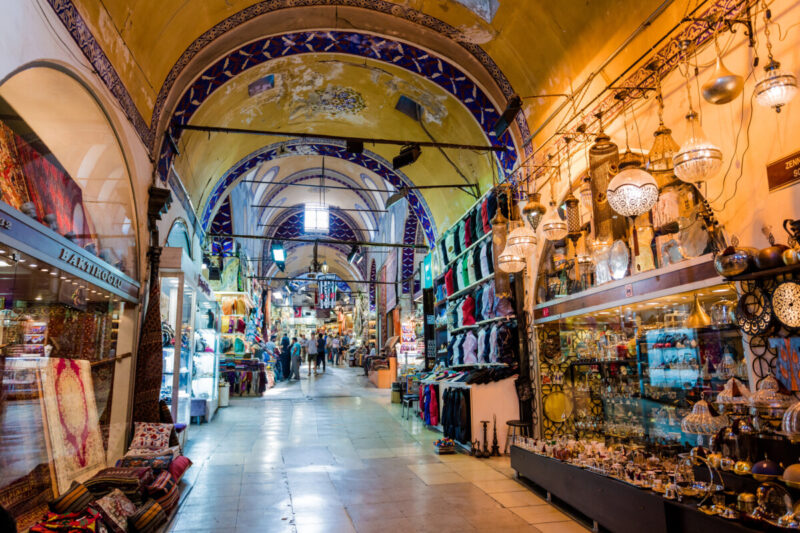
Read the place guide →One of world oldest and largest covered markets with 4,000 shops, traditional crafts, and authentic Turkish commerce. Features jewelry, carpets, spices, and leather goods in labyrinthine passages dating from 15th century. Essential for experiencing Turkish trading culture and bargaining traditions.
Topkapi Palace
Read the place guide →Former Ottoman sultan palace with treasure chambers, harem quarters, and stunning Bosphorus views. Features imperial collections, sacred relics, and beautiful courtyards showcasing Ottoman luxury and power. Essential for understanding Turkish imperial heritage and palace life.
Bosphorus Strait
Waterway separating Europe and Asia with stunning views, historic waterfront palaces, and cultural significance. Experience via boat cruises, waterfront walks, or bridge crossings. Essential for understanding Istanbul unique geographic position and enjoying spectacular city and strait views.
Editor-curated picks carried over from our original guide. Where a full place guide exists, the card links to it.




Worth booking ahead in Istanbul
Hand-picked from the operators our guides already send readers to. Prices and availability are live on the partner site.
BrowseViator
Tours and tickets in Istanbul on Viator (opens Viator in a new tab)
Viator's full list of bookable tours and tickets in Istanbul.
BrowseGetYourGuide
Experiences in Istanbul on GetYourGuide (opens GetYourGuide in a new tab)
Everything GetYourGuide sells in Istanbul, with the cancellation terms on each listing.
Where to stayBooking.com
Stays in Istanbul (opens Booking.com in a new tab)
Live rates and availability for Istanbul on Booking.com; filter by neighbourhood once you know where your days start.
We earn a commission if you book through these links, at no extra cost to you. It is how we keep the guides free and independent.
Where to stay
Four Seasons Hotel Istanbul at Sultanahmet
Tevkifhane Sk. No:1, 34122 Sultanahmet, Istanbul, Turkey
Luxury hotel in restored Ottoman prison with Hagia Sophia views, world-class spa, and elegant Turkish décor. Features historic charm, exceptional service, and prime location for exploring Istanbul major attractions on foot. Unique blend of Ottoman heritage and modern luxury.
Pera Palace Hotel
Meşrutiyet Cd. No:52, 34430 Beyoğlu, Istanbul, Turkey
Historic luxury hotel since 1892 hosting Orient Express passengers with Belle Époque elegance, museum-quality interiors, and legendary Agatha Christie suite. Features traditional Turkish hospitality, fine dining, and sophisticated atmosphere in Pera district.
Soho House Istanbul
Meşrutiyet Cd. No:56, 34430 Beyoğlu, Istanbul, Turkey
Contemporary members club and hotel in historic Palazzo Corpi with rooftop pool, modern design, and vibrant atmosphere. Features stylish rooms, excellent restaurant, and sophisticated social scene perfect for experiencing modern Istanbul culture.
Editor-curated stays carried over from our original guide. Where we have reviewed the hotel, the card links to the review.
Tips from the field
Highlights
- [Hagia Sophia Grand Mosque](https://www.nationalgeographic.com/travel/destination/istanbul)
- [Blue Mosque](https://www.travelandleisure.com/travel-guide/istanbul)
- Topkapi Palace
- [Galata Tower](https://www.lonelyplanet.com/turkey/istanbul)
- Bosphorus Strait
Best activities
- Visit the [Hagia Sophia Grand Mosque](https://www.nationalgeographic.com/travel/destination/istanbul)
- Explore the [Topkapi Palace Museum](https://www.lonelyplanet.com/turkey/istanbul)
- Take a Bosphorus cruise
- Wander through the [Grand Bazaar](https://www.travelandleisure.com/travel-guide/istanbul)
Practical tips
- Currency: Turkish Lira (TRY). Cards accepted at most businesses.
- Getting There: Istanbul Airport (IST) via Havaist bus or Metro M11. Sabiha Gökçen (SAW) via Havabus.
- Transportation: Istanbulkart for metro, tram, bus, ferry. Tram T1 connects Sultanahmet to Taksim. Bosphorus ferries scenic and cheap (~7 TRY). Walking excellent within neighborhoods.
- Dining: Kebabs, meze, lahmacun, fresh pomegranate juice. Simit (5 TRY). Balık ekmek at Eminönü (25-35 TRY). Meals 100-300 TRY.
- Free Attractions: Blue Mosque, New Mosque, Grand Bazaar browsing, Bosphorus ferry (7 TRY), Istiklal Avenue.
- Tipping: 5-10% at restaurants
- Electricity: 230V/50Hz, Type C/F plugs
Keeping it authentic
- Visit local neighborhoods like Fener and Balat for authentic experiences
- Explore the Grand Bazaar and Egyptian Bazaar for traditional goods and spices
Culture, customs and safety
Cultural heritage
Istanbul uniquely straddles two continents preserving Byzantine and Ottoman empires’ legacies as the only city to serve as capital for both Christian and Islamic empires. The UNESCO World Heritage areas showcase Hagia Sophia’s architectural revolution with its floating dome, Blue Mosque’s six minarets, and Topkapi Palace’s 400 years as Ottoman power center. The Grand Bazaar, operating since 1461 with 4,000 shops, maintains guild traditions for jewelers, carpet weavers, and spice merchants. Historic neighborhoods preserve distinct identities: Greek Orthodox traditions in Fener, Jewish heritage in Balat, and Sufi mysticism through whirling dervish ceremonies. Turkish bath culture continues in 16th-century hamams, while meyhanes (taverns) serve raki with meze maintaining centuries-old hospitality customs.
Local customs & etiquette
Istanbul culture bridges continents and centuries, blending Islamic traditions with secular modernity. The call to prayer (ezan) punctuates daily life five times, while tea culture means endless glasses of çay accompany every interaction. Bargaining in the Grand Bazaar and Spice Bazaar is expected – start at 40% of asking price. Remove shoes when entering mosques and homes. Turkish hospitality (misafirperverlik) means shopkeepers offer tea regardless of purchase. The nazar (evil eye) amulet wards off jealousy. Breakfast is sacred – weekend kahvaltı can last hours with multiple dishes. The phrase “Afiyet olsun” (may it be good for you) accompanies meals. Respect for elders includes offering seats on public transport. Istanbul’s cats are community pets, fed and cared for by residents. The European and Asian sides maintain distinct cultural identities despite being one city.
Safety notes
Istanbul is generally safe for tourists with standard precautions.
General Safety:
• Sultanahmet, Beyoğlu/Taksim, Kadıköy, and Beşiktaş are safe
• Pickpocketing at Grand Bazaar, Spice Market, and crowded trams
Scams:
• “Shoe shiners” drop their brush — picking it up leads to a forced shoe shine
• Friendly strangers inviting for drinks may lead to overpriced bars
• Use BiTaksi app or insist on the meter
Cultural Notes:
• Cover shoulders/knees at mosques
• Remove shoes at mosque entrances
Emergency: Police 155, Ambulance 112

Travel Style
Activities