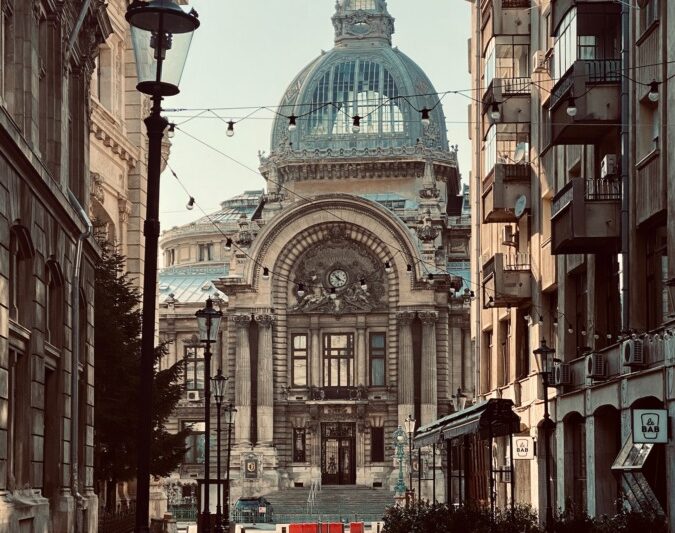
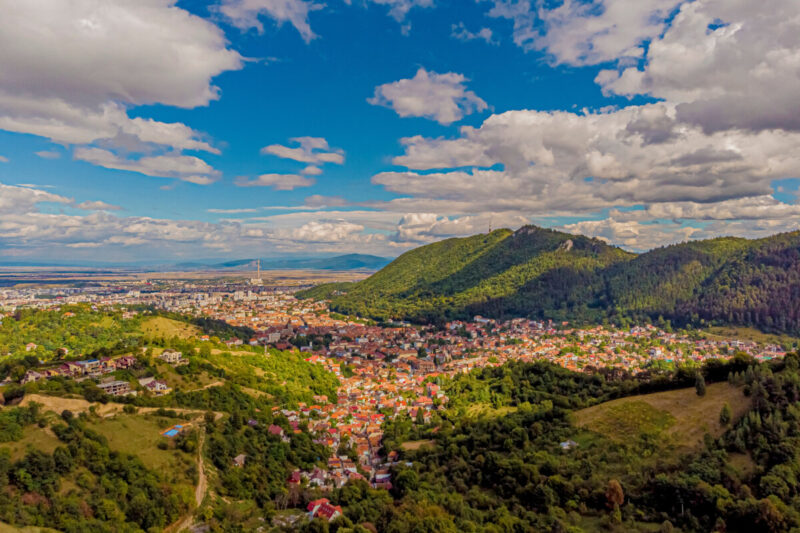
Romania, positioned at the crossroads of Central, Eastern, and Southeastern Europe, offers a fascinating blend of natural beauty, medieval charm, and cultural richness shaped by its complex historical position between East and West. Its diverse landscape encompasses the arc of the Carpathian Mountains with their dense forests harboring Europe’s largest populations of brown bears, wolves, and lynx; the Danube Delta’s UNESCO-protected wetlands hosting over 300 bird species; rolling hills covered with vineyards; and the vast agricultural plains that have made Romania Europe’s fourth-largest agricultural producer. Romania’s distinctive cultural identity combines Latin origins (reflected in its Romance language) with Byzantine, Ottoman, Slavic, and Hungarian influences evident in its architecture, music, and traditions. The country’s historical treasures include the remarkably preserved medieval towns of Sighișoara, Brașov, and Sibiu in Transylvania; the painted monasteries of Bucovina with their extraordinary exterior frescoes; and the wooden churches of Maramureș representing traditional rural craftsmanship. Romanian folk culture remains vibrantly alive through colorful costumes, distinctive music incorporating unique instruments like the pan flute and cimbalom, and seasonal festivals celebrating agricultural cycles and Orthodox religious traditions. Beyond the oft-sensationalized Dracula connections to the historical Vlad Tepes and Bran Castle, Romania rewards visitors with authentic cultural experiences ranging from the Belle Époque architecture of Bucharest (once called “Little Paris”) to traditional village life in regions where horse-drawn carts still navigate unpaved roads, creating a compelling juxtaposition of preserved traditions and contemporary European identity.
The destination guide
Romania

Travel guides for Romania
More guides featuring Romania (8)
At a glance
- Romanian
- Carpathian Mountains
- Danube Delta
- Black Sea coast
- Transylvania forests
How Romania scores
Character
Editorial scores on a 10-point scale, weighed against destinations of the same kind.
Travel safety snapshot
SafePlace indicators use their source 100-point scale; higher is more favourable. Planning context, not a live travel advisory — check official government guidance before you go.
When to go
Best months to visit: April, May, June, July, August, September and October.
- January: -4.6 to 2.7 degrees Celsius, 42.3 millimetres of rain, best-time score 2 out of 5.
- February: -2.2 to 6 degrees Celsius, 41.8 millimetres of rain, best-time score 2 out of 5.
- March: 0.5 to 9.9 degrees Celsius, 57.2 millimetres of rain, best-time score 3 out of 5.
- April: 4.7 to 14.9 degrees Celsius, 68.5 millimetres of rain, best-time score 4 out of 5.
- May: 9.2 to 18.4 degrees Celsius, 128.9 millimetres of rain, best-time score 5 out of 5.
- June: 14.1 to 23.3 degrees Celsius, 125.3 millimetres of rain, best-time score 5 out of 5.
- July: 15.5 to 24.9 degrees Celsius, 109.1 millimetres of rain, best-time score 4 out of 5.
- August: 15.8 to 25.4 degrees Celsius, 76.6 millimetres of rain, best-time score 4 out of 5.
- September: 11.6 to 20.6 degrees Celsius, 61.7 millimetres of rain, best-time score 5 out of 5.
- October: 6.3 to 15.1 degrees Celsius, 55.5 millimetres of rain, best-time score 5 out of 5.
- November: 1.8 to 9.4 degrees Celsius, 51.8 millimetres of rain, best-time score 3 out of 5.
- December: -1.7 to 4.4 degrees Celsius, 48.8 millimetres of rain, best-time score 2 out of 5.
Month-by-month conditions and packing advice
- January
- Cold, occasional rain January in Romania: winter snow, cold, and short days make broad travel less flexible. Crowds: January in Romania is workable with normal seasonal planning; build in layers, weather checks, and a mix of indoor and outdoor activities. Pack: Pack warm layers, a coat, and comfortable shoes for cold mornings and evenings.
- February
- Cold, occasional rain February in Romania: winter snow, cold, and short days make broad travel less flexible. Crowds: February in Romania is workable with normal seasonal planning; build in layers, weather checks, and a mix of indoor and outdoor activities. Pack: Pack warm layers, a coat, and comfortable shoes for cold mornings and evenings.
- March
- Cold, occasional rain March in Romania: early spring or late fall is usable but colder and less predictable. Crowds: March in Romania is workable with normal seasonal planning; build in layers, weather checks, and a mix of indoor and outdoor activities. Pack: Pack warm layers, a coat, and comfortable shoes for cold mornings and evenings.
- April
- Cool to mild, occasional rain April in Romania: late spring buildup or summer travel can work with heat and crowd planning. Crowds: April in Romania is workable with normal seasonal planning; build in layers, weather checks, and a mix of indoor and outdoor activities. Pack: Pack layered clothing and comfortable walking shoes.
- May
- Cool to mild, some rain May in Romania: Transylvania towns, castles, Bucharest, painted villages, hiking, and fall color balance weather and crowds. Crowds: May in Romania is workable with normal seasonal planning; build in layers, weather checks, and a mix of indoor and outdoor activities. Pack: Pack layered clothing and comfortable walking shoes. Add a rain jacket or compact umbrella.
- June
- Mild to warm, some rain June in Romania: Transylvania towns, castles, Bucharest, painted villages, hiking, and fall color balance weather and crowds. Crowds: June in Romania is workable with normal seasonal planning; build in layers, weather checks, and a mix of indoor and outdoor activities. Pack: Pack layered clothing and comfortable walking shoes. Add a rain jacket or compact umbrella.
- July
- Mild to warm, some rain July in Romania: late spring buildup or summer travel can work with heat and crowd planning. Crowds: July in Romania is workable with normal seasonal planning; build in layers, weather checks, and a mix of indoor and outdoor activities. Pack: Pack light clothing, sun protection, and comfortable walking shoes. Add a rain jacket or compact umbrella.
- August
- Mild to warm, some rain August in Romania: late spring buildup or summer travel can work with heat and crowd planning. Crowds: August in Romania is workable with normal seasonal planning; build in layers, weather checks, and a mix of indoor and outdoor activities. Pack: Pack light clothing, sun protection, and comfortable walking shoes. Add a rain jacket or compact umbrella.
- September
- Mild to warm, occasional rain September in Romania: Transylvania towns, castles, Bucharest, painted villages, hiking, and fall color balance weather and crowds. Crowds: September in Romania is comfortable for sightseeing, neighborhoods, food stops, day trips, and outdoor time with limited weather friction. Pack: Pack layered clothing and comfortable walking shoes.
- October
- Cool to mild, occasional rain October in Romania: Transylvania towns, castles, Bucharest, painted villages, hiking, and fall color balance weather and crowds. Crowds: October in Romania is workable with normal seasonal planning; build in layers, weather checks, and a mix of indoor and outdoor activities. Pack: Pack layered clothing and comfortable walking shoes.
- November
- Cold, occasional rain November in Romania: early spring or late fall is usable but colder and less predictable. Crowds: November in Romania is workable with normal seasonal planning; build in layers, weather checks, and a mix of indoor and outdoor activities. Pack: Pack warm layers, a coat, and comfortable shoes for cold mornings and evenings.
- December
- Cold, occasional rain December in Romania: winter snow, cold, and short days make broad travel less flexible. Crowds: December in Romania is workable with normal seasonal planning; build in layers, weather checks, and a mix of indoor and outdoor activities. Pack: Pack warm layers, a coat, and comfortable shoes for cold mornings and evenings.
- July
- August
- May
- June
- September
- January
- February
- March
- April
- October
- November
- December
Know before you go
Best time to visit
The shoulder seasons — April to June and September to October — offer the most comfortable travel conditions. Spring carpets Transylvania in wildflowers, while autumn delivers fiery foliage over medieval towns like Sighișoara and Brașov. Summer (July–August) is warm and festival-packed, ideal for hiking the Carpathians, though Bucharest can feel very hot. Winter transforms Sibiu and Brașov into enchanting Christmas-market destinations, and the Carpathian ski resorts come alive with snow sports. The stunning Transfăgărășan Highway is typically open June through October.
Crowds
Romania has peak tourism in summer (June–August) and during Christmas/New Year in ski resorts like Poiana Braşov; quieter from November through March in non-ski areas, overall moderate crowds in Bucharest and Transylvania castles during summer and holiday weekends.
Getting there and around
Getting there
Fly into Bucharest Henri Coandă Airport (OTP) or Cluj-Napoca (CLJ). Budget carriers like Wizz Air and Ryanair serve multiple Romanian cities. Trains connect Bucharest to Brașov (2.5h), Cluj (8h), and Sibiu (5h).
Top experiences in Romania
Bran Castle ('Dracula's Castle')
Peleș Castle (Sinaia)
Sighișoara medieval citadel (UNESCO)
Bucharest's Palace of Parliament
Transfăgărășan Highway
Editor-curated picks carried over from our original guide. Where a full place guide exists, the card links to it.
Worth booking ahead in Romania
Hand-picked from the operators our guides already send readers to. Prices and availability are live on the partner site.
BrowseViator
Tours and tickets in Romania on Viator (opens Viator in a new tab)
Viator's full list of bookable tours and tickets in Romania.
BrowseGetYourGuide
Experiences in Romania on GetYourGuide (opens GetYourGuide in a new tab)
Everything GetYourGuide sells in Romania, with the cancellation terms on each listing.
Where to stayBooking.com
Stays in Romania (opens Booking.com in a new tab)
Live rates and availability for Romania on Booking.com; filter by neighbourhood once you know where your days start.
We earn a commission if you book through these links, at no extra cost to you. It is how we keep the guides free and independent.
Where to stay
The Marmorosch Bucharest, Autograph Collection
Calea Victoriei 63-81, Bucharest 010065, Romania
Restored 1890s bank building in central Bucharest combining Belle Époque architecture with modern five-star amenities and a rooftop pool.
Hilton Sibiu
Str. General Traian Moșoiu 24, Brașov 500091, Romania
Modern four-star hotel near Sibiu’s UNESCO-listed old town, offering panoramic Carpathian views and proximity to cultural sites.
Grand Hotel Italia, Cluj-Napoca
Str. Avram Iancu 6, Sibiu 550012, Romania
Elegant Art Nouveau hotel in Romania’s tech capital, close to the Botanical Garden and the culturally rich city center.
Editor-curated stays carried over from our original guide. Where we have reviewed the hotel, the card links to the review.
Culture, customs and safety
Cultural heritage
Romania’s cultural and historical heritage is a tapestry woven from ancient Dacian roots, Roman conquest, and centuries of Byzantine, Ottoman, and Austro-Hungarian influence. Its medieval legacy is preserved in fortified churches of Transylvania, wooden churches of Maramureș, and painted monasteries of Bucovina, several of which are UNESCO World Heritage sites. The country’s traditional rural life, still visible in many regions, is marked by folk costumes, carved wooden gates, and seasonal rituals tied to agrarian and religious calendars. Architectural highlights include the neoclassical Romanian Athenaeum in Bucharest and the dramatic Corvin Castle in Hunedoara. Romania’s heritage reflects a resilient and richly syncretic identity, bridging Eastern and Western Europe.
Safety notes
Romania is broadly safe and hospitable. Petty theft — mainly pickpocketing — can occur in crowded areas and on public transport in Bucharest. Use ride-hailing apps (Uber, Bolt) instead of flagging taxis, especially at airports and train stations. Lock compartment doors on intercity trains. Be wary of drink-spiking in Bucharest Old Town nightlife area and never accept drinks from strangers. When hiking in the Carpathians, be aware of brown bears — make noise on trails, store food properly, and consider hiring an experienced local guide. The European emergency number 112 works across the country.