German is an official or national administrative language in six European countries: Germany, Austria, Switzerland, Liechtenstein, Belgium, and Luxembourg. This is the strict answer to “Which countries speak German?” The broader list below covers 18 countries by also including places where German has regional legal status, protection as a minority language, or a long-established heritage-speaking community.
More than 130 million people worldwide speak German as a first or second language, according to the German government-backed portal Deutschland.de. A separate Deutschland.de language overview estimates roughly 100 million mother-tongue speakers. That distinction matters: the often-repeated figure of 130 million does not refer only to native speakers.
This article uses “German-speaking country” in two ways and labels each one clearly. It first covers the six countries where German has nationwide official or administrative standing, then countries where the language is regional, protected, or maintained by a smaller community. German is not necessarily useful nationwide in every country on the list.
Last fact-checked: July 2026.
German-speaking countries at a glance
- Six-country answer: Germany, Austria, Switzerland, Liechtenstein, Belgium, and Luxembourg are the countries most commonly counted as having German as an official or national administrative language.
- Regional status: German is co-official in South Tyrol, an autonomous province of northern Italy.
- Protected minority language: German has formal minority-language protection or recognition in countries including Denmark, Poland, Hungary, Romania, Czechia, and Slovakia.
- Regional Germanic varieties: Alsatian and Moselle Franconian are spoken in northeastern France, while Standard German is part of bilingual education in Alsace.
- Communities beyond Europe: Namibia, South Africa, Canada, and Australia have established German-speaking or German-heritage communities, but German is not a nationwide official language in any of them.
- Travel reality: German is most useful across Germany, Austria, Liechtenstein, German-speaking Switzerland, eastern Belgium, Luxembourg, and South Tyrol. Elsewhere, use the local official language rather than assuming German will be understood.
In this guide
- How many countries speak German?
- Full list of 18 German-speaking countries
- Countries where German has national official or administrative status
- Countries where German has regional or minority-language status
- German-speaking communities outside Central Europe
- Standard German, Swiss German, and other varieties
- Where German is most useful for travelers
- Frequently asked questions
How many countries speak German?
Six countries have German as an official language or a language with nationwide administrative and legal standing. They are Germany, Austria, Switzerland, Liechtenstein, Belgium, and Luxembourg. This is the cleanest answer for a quiz, school assignment, or factual search.
The count becomes larger when “German-speaking” includes regional and minority-language use. South Tyrol gives German co-official regional status. Several Central and Eastern European countries protect German through national-minority laws or the Council of Europe’s European Charter for Regional or Minority Languages. German-speaking communities also exist much farther afield.
There is no single authoritative number for every country where somebody speaks German. The answer depends on the threshold: official language, regional status, protected minority language, mother tongue, home language, ancestry, or foreign-language proficiency. The 18 countries in this guide were selected because German has a clear legal, historical, educational, or community role in each one.
Full list of 18 German-speaking countries
| Country | Status of German | Where German is most relevant |
|---|---|---|
| 1. Germany | National official language | Nationwide |
| 2. Austria | National official language | Nationwide |
| 3. Switzerland | One of the federal official languages | German-speaking cantons; German is the primary language of more than 60% of residents |
| 4. Liechtenstein | National official language | Nationwide |
| 5. Belgium | One of three official languages | The German-speaking Community in eastern Belgium |
| 6. Luxembourg | Administrative and legal language alongside Luxembourgish and French | Government, education, media, and everyday multilingual life |
| 7. Italy | Co-official regionally | South Tyrol |
| 8. Denmark | Protected minority language | South Jutland/North Schleswig |
| 9. Poland | Recognized national-minority language | Opole Voivodeship and parts of Silesia |
| 10. Hungary | Recognized nationality/minority language | German-minority communities, especially in southern and western Hungary |
| 11. Romania | Protected minority language | Transylvania, Banat, Sibiu, and Brașov |
| 12. Czechia | Protected minority language | Dispersed communities, border regions, Prague, and cultural institutions |
| 13. Slovakia | Protected minority language | Historic Carpathian German communities |
| 14. France | Regional Germanic language traditions; German is not nationally official | Alsace and parts of Moselle |
| 15. Namibia | Non-official heritage and community language | Windhoek, Swakopmund, tourism, schools, and media |
| 16. South Africa | Non-official community language explicitly named in the Constitution | German schools, churches, cultural organizations, and family communities |
| 17. Canada | Non-official heritage language | Prairie provinces, Ontario, and Mennonite communities |
| 18. Australia | Non-official heritage language | Nationwide diaspora, with deep historical ties in South Australia |
Countries where German has national official or administrative status
1. Germany

Germany is the center of the German-speaking world and the country with by far the largest number of native German speakers. Standard German is used in government, education, national media, publishing, and most formal communication. Regional speech varies considerably, from Low German in the north to Bavarian, Franconian, Swabian, and Alemannic varieties farther south.
German is useful throughout the country, although English is common in major cities and tourist businesses. Learning a few German travel phrases still helps with menus, transit announcements, smaller towns, and everyday courtesy. For trip planning, start with the best places to visit in Germany and this explanation of languages spoken in Germany.
2. Austria

German is Austria’s official national language. The formal written standard is Austrian German, which differs from the standard used in Germany in some vocabulary, pronunciation, spelling preferences, and administrative terms. A bakery display, for example, may use Austrian words that are unfamiliar to a visitor who learned German in Germany.
Most informal speech belongs to Bavarian dialect groups, while Vorarlberg in western Austria is primarily Alemannic-speaking. Austria also protects several minority languages, including Croatian, Hungarian, Slovene, Czech, Slovak, and Romani in relevant communities. German remains the default language for travel, public services, and daily life nationwide.
3. Switzerland

German is one of Switzerland’s federal official languages and the primary language of more than 60% of the population, according to the Swiss Federal Department of Foreign Affairs. French and Italian are also federal official languages. Romansh is a national language and is used officially by the federal government when communicating with Romansh speakers.
The distinction between written and spoken language is important. Swiss Standard German appears in formal writing, education, news, and official documents. In ordinary conversation, many residents use Swiss German, a group of Alemannic dialects that can be difficult for learners of Standard German to follow. German is most useful in the central, northern, and eastern parts of Switzerland; French or Italian is more appropriate in their respective language regions.
4. Liechtenstein

German is Liechtenstein’s official language under its constitution, as the country’s national administration confirms. Standard German is used for government, education, and formal writing.
Daily speech is usually Alemannic and closely related to dialects in eastern Switzerland and Vorarlberg. A visitor who speaks Standard German can communicate easily, even when local conversations sound quite different from textbook German.
5. Belgium
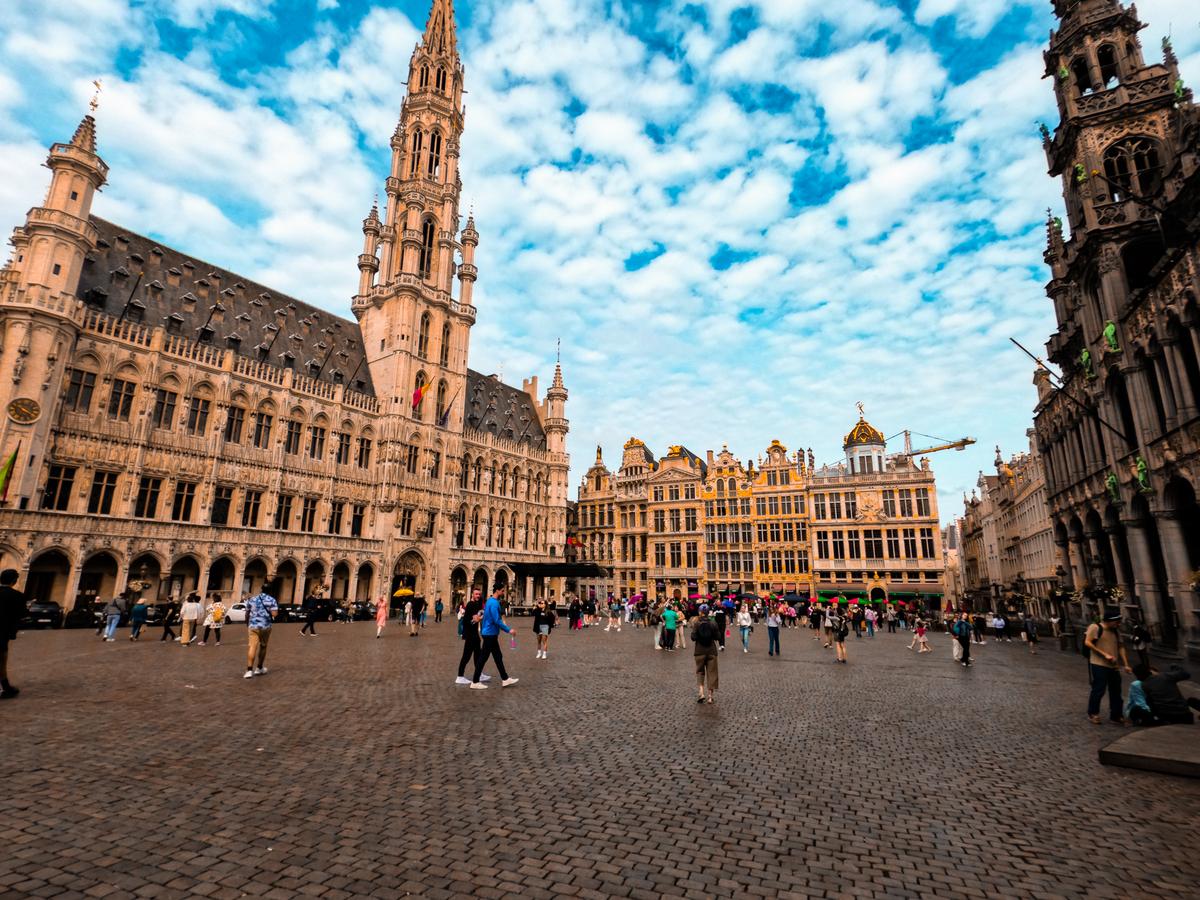
Belgium has three official languages: Dutch, French, and German. The federal government’s official overview of the Belgian state links those languages to the country’s three language communities.
German is concentrated in the German-speaking Community in the east, near the borders with Germany and Luxembourg. Eupen is its administrative center. German is not the default language in Brussels, Flanders, or most of Wallonia, so travelers should match the language to the region: Dutch in Flanders, French in most of Wallonia and Brussels, and German in the eastern German-speaking area. See the Belgium destination guide for wider trip planning.
6. Luxembourg
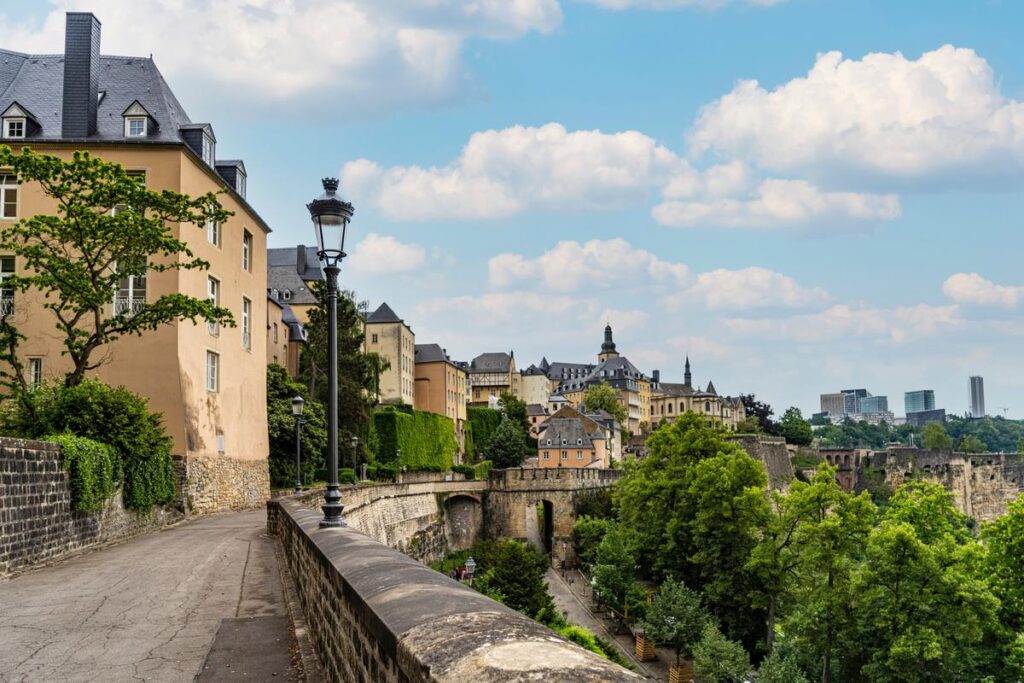
Luxembourg’s language system is more nuanced than a simple “three official languages” label. Luxembourgish is the national language, while Luxembourgish, French, and German share administrative and legal status under the 1984 language law, according to the Luxembourg government’s 2025 guide to languages in Luxembourg.
Language use changes by setting. Luxembourgish is central to everyday conversation and national identity. French is prominent in legislation, restaurants, and many workplaces. German appears widely in education, print media, and public information. Many residents also use English or languages associated with the country’s large international population. German is useful, but it is one part of a genuinely multilingual environment.
Countries where German has regional or minority-language status
7. Italy

German is co-official with Italian in South Tyrol, the autonomous northern province also known as Alto Adige or Südtirol. Public administration, schools, courts, and signs operate bilingually, while Ladin has additional protection in several valleys.
The province’s 2024 language-group count placed 68.61% of declarations in the German group, 26.98% in the Italian group, and 4.41% in the Ladin group, according to the official South Tyrol statistics institute. Local spoken German is often South Bavarian, while Standard German is used in schools and formal contexts. Travelers heading to Bolzano, Merano, the Dolomites, or smaller mountain communities may find German as useful as Italian. This northern Italy travel guide provides broader regional context.
8. Denmark

German is Denmark’s protected traditional minority language, centered in South Jutland, also called North Schleswig. The German minority maintains schools, libraries, cultural organizations, churches, and media while participating fully in Danish public life.
The Council of Europe’s 2025 review describes German as a minority language covered by the European Charter and calls for greater awareness beyond South Jutland. Danish remains the nationwide official language, and English is widely understood. Knowing German is most relevant near the German border, not as a substitute for Danish across the country.
9. Poland

German is a recognized national-minority language in Poland. Its strongest contemporary institutional presence is in Opole Voivodeship and parts of Upper Silesia, where some municipalities provide minority-language education and bilingual place names. Poland’s minority law supports the preservation of minority cultural identity and language, while the Council of Europe monitors German-language education.
German should not be confused with Silesian. Silesian is a distinct West Slavic language variety or language, depending on the classification used; it is not a German dialect. Polish is the language travelers need nationwide. German can be helpful in cross-border business, historical research, and some minority communities, but it will not remove the language barrier across Poland. Compare two major destinations in this Warsaw versus Kraków guide.
10. Hungary
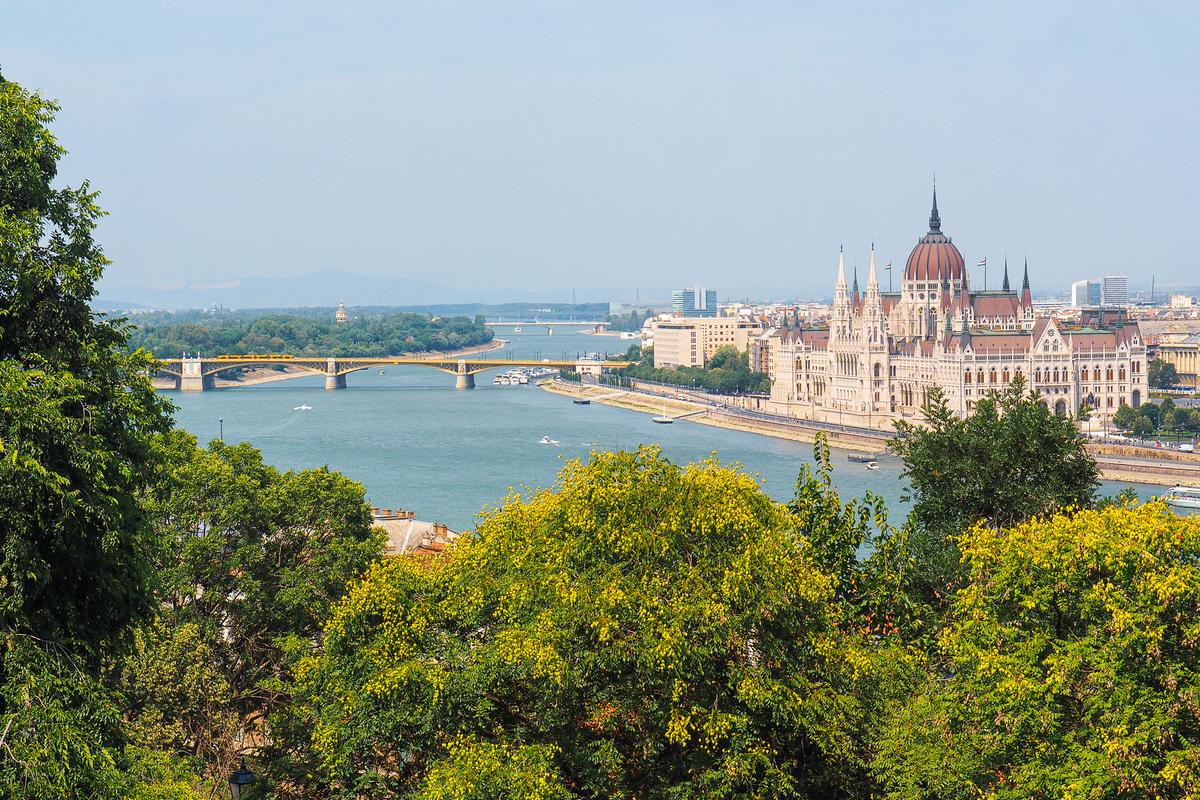
Hungary recognizes a German national minority, often described collectively as Hungarian Germans or Danube Swabians. The 2022 census recorded 143,000 people with German ethnic affiliation, according to the Hungarian Central Statistical Office. That is an ethnicity figure, not a count of fluent German speakers.
German-minority schools, cultural associations, and local self-governments help maintain the language and traditions. Communities have historical roots in areas such as Baranya and Tolna, in western Hungary, and around Budapest. German is also an important foreign language for education and commerce, but Hungarian is the language of daily public life.
11. Romania

German is a protected minority language in Romania, connected especially with Transylvanian Saxon and Banat Swabian communities. Sibiu, Brașov, Sighișoara, and parts of the Banat retain German architectural, religious, educational, and cultural institutions even after substantial emigration during the late 20th century.
Romania applies the European Charter for Regional or Minority Languages to German, and German-language schools and media continue to operate. Romanian remains the national language, so travelers should view German as locally relevant rather than broadly universal.
12. Czechia
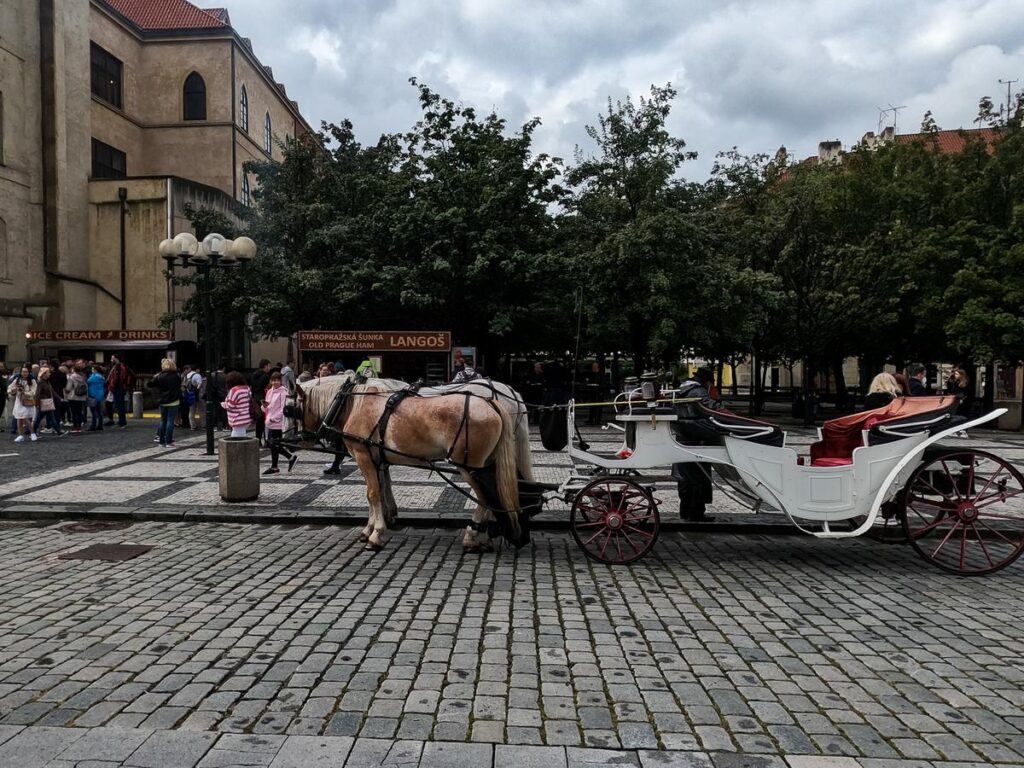
Czechia recognizes a German national minority, and German is covered by the country’s commitments under the European Charter for Regional or Minority Languages. The community is now geographically dispersed, with organizations and cultural activity in Prague and in regions with long Czech-German histories.
A Czech government report notes German-minority representation in national advisory bodies and cultural institutions. German is also widely taught as a foreign language because of close economic and geographic ties with Germany and Austria. Still, Czech is the everyday language throughout the country. Use the Czech Republic travel guide for destination planning rather than assuming German will be sufficient.
13. Slovakia

German is a protected minority language in Slovakia, associated historically with Carpathian German communities in areas such as Bratislava, Spiš, and the former mining towns of central Slovakia. Today, the native-speaking community is small, but cultural associations and legal minority-language protections remain. A Slovak government minority-rights report explains the legal framework for using minority languages in education and official communication.
German is also a common foreign language because Austria lies just across the border from Bratislava and German-speaking markets are economically important. This does not make Slovakia broadly German-speaking: Slovak is the state language, and English is often the more practical second language for younger travelers. See the best things to do in Bratislava for a city-focused itinerary.
14. France

French is France’s sole national official language. German is relevant in the northeast through regional Germanic varieties, especially Alsatian in Alsace and Moselle Franconian in parts of Lorraine. These are not simply Standard German spoken with a French accent; they have their own local histories and forms.
Alsace’s current bilingual education policy treats the regional language in two complementary forms: Standard German and the dialectal varieties commonly called Alsatian, as set out in a regional education agreement. Cross-border work and travel also keep Standard German useful. For practical trip planning, see where to stay in Alsace.
German-speaking communities outside Central Europe
15. Namibia

German is not an official language of Namibia. English has been the country’s official language since independence in 1990, as Namibia’s Vision 2030 explains. German remains a heritage and community language used by some families, schools, churches, publications, tourism businesses, and cultural organizations, particularly in Windhoek and coastal towns such as Swakopmund.
Its presence is inseparable from German colonial rule in what was then German South West Africa from 1884 to 1915, including the genocide of the Ovaherero and Nama peoples. Treating German architecture or place names only as travel curiosities would obscure that history. Today’s Namibia is multilingual, with widely spoken languages including Oshiwambo varieties, Khoekhoegowab, Afrikaans, Otjiherero, RuKwangali, and others. German can be useful in a narrow set of tourism contexts, but English and local languages better reflect modern public life. Explore the wider continent through ViaTravelers’ Africa destination guides.
16. South Africa
German is spoken by small heritage communities in South Africa, but it is not one of the country’s official languages. Section 6 of the South African Constitution explicitly lists German among the community languages for which the Pan South African Language Board must promote and ensure respect.
German is maintained through families, churches, schools, cultural organizations, and business ties. Afrikaans is a separate language that developed primarily from Dutch; it should not be described as a form of German. Travelers should use English or the locally dominant South African language rather than expect German to work broadly. Start planning with this South Africa destination guide.
17. Canada
German is a non-official heritage language in Canada. In the 2021 Census, 235,260 people reported German as their mother tongue in private households, according to Statistics Canada. That figure does not include every person who can speak German as a second language or related varieties recorded separately.
German-speaking migration has included many distinct communities, among them Mennonite groups whose home language may be Plautdietsch, a Low German variety. German heritage is especially visible in parts of Manitoba, Saskatchewan, Alberta, and Ontario. English and French are Canada’s official languages, so German is primarily a family, cultural, religious, or educational language. See ViaTravelers’ Canada travel resources for practical destination information.
18. Australia
German is another non-official heritage language in Australia. The 2021 Census recorded 70,247 people using German at home, according to the Australian Bureau of Statistics’ cultural diversity data summary. More Australians report German ancestry than speak German at home, illustrating why ancestry and language statistics should not be treated as interchangeable.
South Australia has particularly strong historical links through 19th-century German-speaking settlement in Adelaide, the Adelaide Hills, and the Barossa Valley. German-language schools, clubs, churches, and cultural events continue across the country, but English is the practical language for travel. Browse ViaTravelers’ Australia destination guides for trip ideas.
Standard German, Swiss German, and other varieties
“German” does not sound the same everywhere. The formal standard creates a shared written language, but everyday speech changes across borders and regions.
- Standard German: The codified form used in schools, publishing, national news, and formal writing. Germany, Austria, and Switzerland each have accepted national conventions and vocabulary.
- Swiss German: A broad group of Alemannic dialects used in everyday speech across German-speaking Switzerland. Swiss Standard German remains common in writing and formal settings.
- Austrian German: A national standard with distinctive vocabulary and usage. Informal speech in most of Austria belongs to Bavarian dialect groups; Vorarlberg is mainly Alemannic.
- Luxembourgish: A separate West Germanic language, not merely a German dialect for legal or cultural purposes. It coexists with German and French in Luxembourg.
- Alsatian and Moselle Franconian: Regional Germanic varieties in northeastern France. Standard German also has a role in bilingual education and cross-border life.
- Low German and Plautdietsch: Related language varieties with communities in Europe and the global diaspora, including Mennonite communities in Canada and Latin America.
A learner who knows Standard German can read signs, buy tickets, and manage formal interactions across the core German-speaking region. Understanding rapid dialect speech may take more exposure, especially in Switzerland, rural Austria, southern Germany, and Liechtenstein.
Where is German most useful for travelers?
German is reliably useful throughout Germany, Austria, and Liechtenstein. It is also the main practical language in German-speaking Switzerland, eastern Belgium’s German-speaking municipalities, much of Luxembourg’s public and media environment, and South Tyrol.
In Denmark, Poland, Hungary, Romania, Czechia, Slovakia, and France, German may help in a specific border region, minority institution, or tourism business, but it is not a nationwide fallback language. In Namibia, South Africa, Canada, and Australia, German-speaking communities are real but comparatively small. Use English or the relevant local official language for ordinary travel.
For a trip through the core German-speaking region, learn greetings, numbers, menu terms, transit vocabulary, and polite requests first. A practical German phrase guide for travelers gives faster returns than trying to master grammar before departure. Travelers who want a deeper foundation can compare these books for learning German.
Frequently asked questions
How many countries have German as an official language?
Six countries are commonly counted: Germany, Austria, Switzerland, Liechtenstein, Belgium, and Luxembourg. Luxembourg’s legal wording is more precise: Luxembourgish is the national language, while Luxembourgish, French, and German share administrative and legal status.
Which countries speak German as a first language?
Most native German speakers live in Germany, Austria, German-speaking Switzerland, and Liechtenstein. Smaller native-speaking communities live in eastern Belgium, Luxembourg, South Tyrol, and diaspora communities in other countries.
Is German an official language in Switzerland?
Yes. German is one of Switzerland’s federal official languages and is the primary language of more than 60% of the population. Swiss German dialects dominate everyday speech, while Swiss Standard German is common in writing and formal settings.
Is German an official language in Belgium?
Yes. German is one of Belgium’s three official languages, alongside Dutch and French. It is concentrated in the German-speaking Community in eastern Belgium, near the German border.
Is German an official language in Namibia?
No. English is Namibia’s official language. German remains a heritage and community language in some families, schools, media outlets, churches, and tourism businesses, especially in Windhoek and Swakopmund.
Is Swiss German the same as Standard German?
No. Swiss German is a group of Alemannic dialects used mainly in speech. Swiss Standard German is the formal written variety used in schools, government, news, and many professional settings.
Can I travel across Europe using only German?
German works well in Germany, Austria, Liechtenstein, German-speaking Switzerland, eastern Belgium, Luxembourg, and South Tyrol. It is useful but unreliable elsewhere, so use the local official language or English in other European countries.
The clearest way to understand the list
Use six as the strict answer: Germany, Austria, Switzerland, Liechtenstein, Belgium, and Luxembourg. Use the wider 18-country list only when the definition explicitly includes regional status, protected minorities, and heritage-speaking communities.
That distinction makes the geography easier to understand and avoids overstating how far German will carry a traveler. German is a major European language with a global diaspora, but its strongest everyday base remains the German-speaking heart of Central Europe.
Related resources: