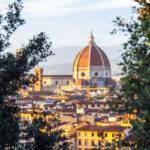
Nestled in the olive-terraced hills just outside Florence, Fattoria di Maiano presents an authentic immersion into Tuscan agricultural traditions within a historic estate dating back to the 15th century. Unlike tourist-oriented farm demonstrations, this is a genuine working organic farm spanning 300 hectares where ancient olive groves, vineyards, and gardens continue producing using methods refined over centuries. The estate gained literary significance when Queen Victoria visited in 1888 and through its connections to James Ivory’s film “A Room with a View,” which featured its romantic gardens and Renaissance villa. Visitors can explore the property’s diverse elements including the picturesque stone hamlet, a 19th-century neo-Gothic villa, the still-functioning historic olive oil mill where cold-pressed extra virgin olive oil is produced, and extensive gardens featuring the enchanting “Queen’s Belvedere” with panoramic views across Florence. The farm’s commitment to biodiversity and sustainable agriculture is evident in its integrated ecosystem where native plants, honeybees, and heritage livestock support traditional farming practices that maintain the classic Tuscan landscape. Beyond passive observation, Fattoria di Maiano offers hands-on experiences including seasonal harvest participation, cooking classes using estate-grown ingredients, and guided nature walks through protected conservation areas where visitors can understand the complex relationship between Tuscany’s seemingly natural landscape and centuries of careful human stewardship that created this iconic Mediterranean environment.
Cultural Context
Historic Tuscan estate embodying Renaissance agricultural tradition and aristocratic villa culture near Florence. Famous film location for ‘A Room with a View’ and ‘Tea with Mussolini’, representing cinematic heritage of Tuscan countryside.
Historical Context
Medieval village of Maiano on Monte Ceceri slopes was destination for Renaissance artists. Estate visited by Queen Victoria in 19th century who sketched the villa, reflecting its importance in European aristocratic tourism.