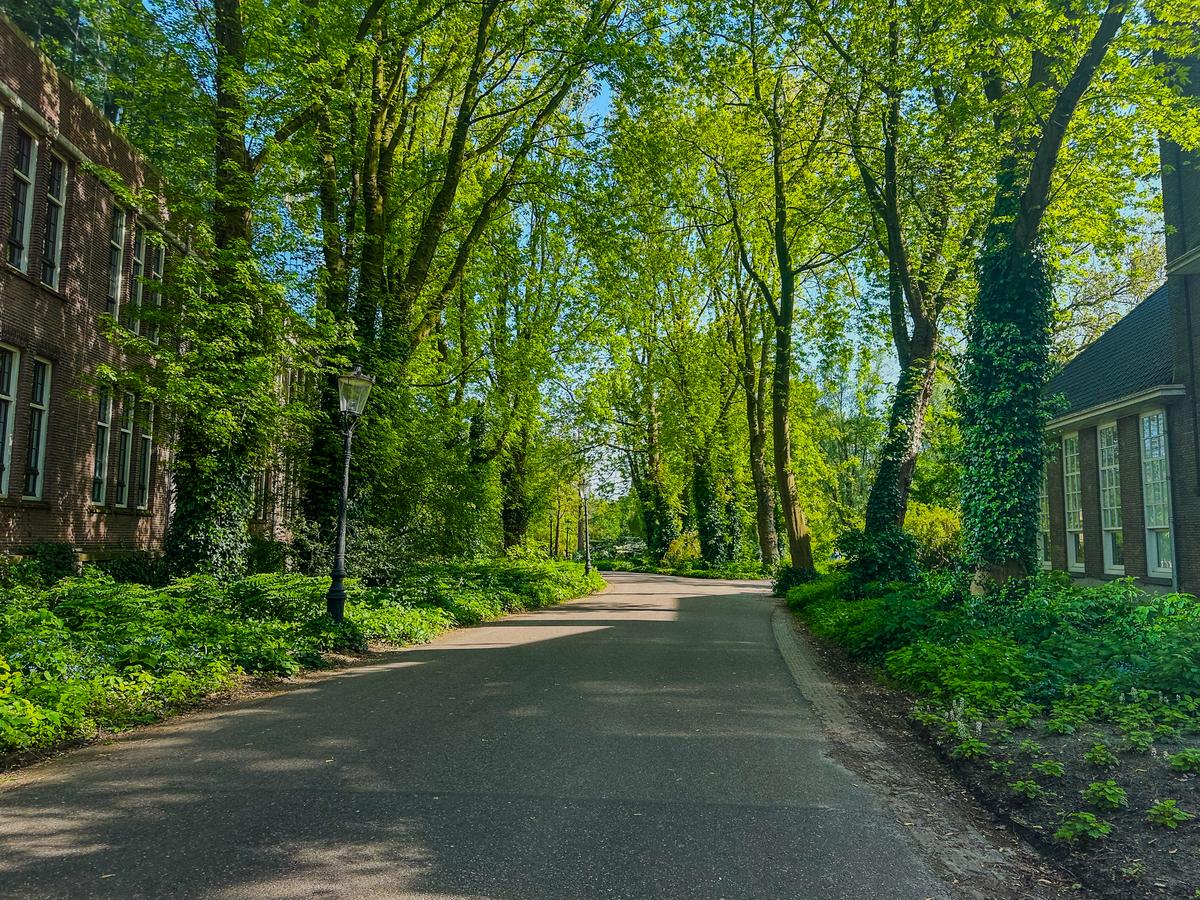
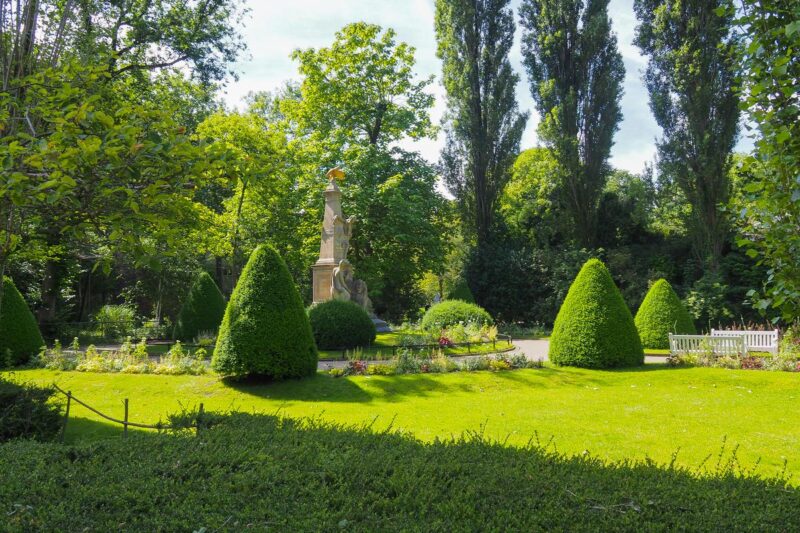
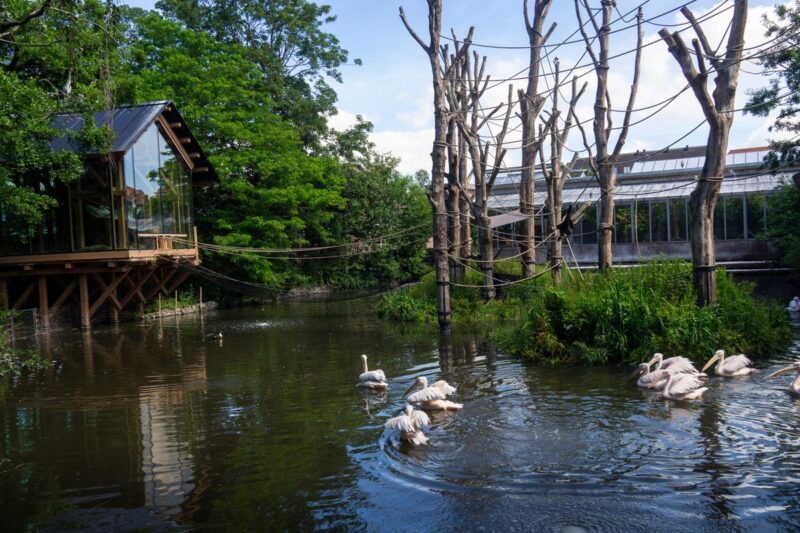
Amsterdam's first public municipal park (1891) in the diverse Oost borough, featuring a lake, the National Slavery Monument, a bandstand, wildlife habitats, and tree-lined paths popular for jogging and picnics.
Cultural Authenticity
Oosterpark, fondly referred to by locals as the Eastern Park of the city, is a slice of culture right in the heart of Amsterdam-Oost. Think of it as a living room for the district, brimming with stories, art, and the essence of what makes Amsterdam such a melting pot.
At the core of this cultural authenticity, the Keti Koti Festival emerges with verve. This annual celebration rings in July with the vitality of dance, music, and food, marking the abolishment of slavery in Suriname and the Netherlands Antilles. The energy around this time is electrifying.
It’s not just a local affair; it has a pulse that attracts people from all walks of the city. If you’ve been, you know there’s nothing quite like witnessing the meld of past and present as people honor history while making unforgettable new memories.
Swinging by during the Roots Festival is like stepping into a vortex of sounds and flavors. Feel the rhythm of international music as it captures your ears and soul. And oh, the food scene here—it’s like Amsterdam’s diversity on a plate.
Beyond the festivities, the park’s layout is steeped in cultural intent. Designed in the 19th century by a reputable Dutch landscape architect, it was an ambitious project by the Municipality of Amsterdam, replacing a former cemetery to provide a recreational oasis for the burgeoning populace. Even the Tropenmuseum nearby paints a vivid picture of the diverse cultures that have influenced the park and Amsterdam.
Stroll through its lanes, and you’ll walk the same paths where diamond traders once celebrated their fortunes. You’re also within a stone’s throw from the iconic Artis Zoo, where nature’s brushstrokes are alive and unbounded. Or maybe you’ll fancy a jaunt to
Park Frankendael on market days—honestly, Dappermarkt’s nothing on it.
Oosterpark isn’t just a park—it’s Amsterdam’s cultural compass, inviting you to rediscover the heartbeat of East Amsterdam time and again.
Historical Significance
Oosterpark, a sprawling green space stamped with the footprints of history, is a sight to behold. Cast your eyes over the serene expanse, and you’re actually gazing at East Amsterdam’s first major public park, initiated by the ever-forward-thinking municipality of Amsterdam. Opened in the late 19th century, the park was a product of its time—an era when creating open, breathable spaces was not just a whim but a public health necessity.
As you trek by the calming waters of the park’s pond, reflect on the Dutch landscape architects whose visions brought life to lawns and pathways. They say Leonard Springer first crafted the park’s design, but whispers of a redesign by an American, Max Oostram, roam among the chatter of birds. Irony dances in the thought that this peaceful haven was born where a cemetery once lay; it was no easy change, considering the local uproar that echoes through history’s corridor.
Amidst the greenery is a solemn tribute—the National Slavery Monument. It marks a chapter closed, the end of the Netherlands’ involvement in slavery, but it beckons remembrance of the deep roots and long shadows of those times. Each year, on July 1st, the park breathes in the Keti Koti Festival’s liveliness, celebrating freedom and equality and filling the air with a hum of unity and reflection.
Did you know that not too far from this commemorative spot stands De Schreeuw (The Scream), near the location where controversial filmmaker Theo van Gogh met a tragic end? It’s less about the silence of oppression and more a call to free expression.
Yet, for all its heavy history, Oosterpark stands as a symbol of community and tranquility. It’s where all of Amsterdam comes to pause, play, or just be. So, imagine you’re right there, in the midst of it all, feelin’ its pulse—that’s the historical heart of Oosterpark, engraving its past on the minutes of your visit. It is not just an urban park but a canvas of heritage, constantly painted anew by the people and memories that fill its space.
Artistic Value
You’d think a park is just a park, but Oosterpark in Amsterdam is slightly different. Someone took a big ol’ chunk of culture, nature, and art and mashed them all into this chill, spacious green spot. Let’s discuss the sculptures and art pieces strewn about, shall we? Picture this: you’re walking by the lake, which is kind of the centerpiece of the park, and bam, art!
- Sculptures? They’ve got a bunch. But it’s not all just eye candy. There’s meaning there, too. Take ‘De Schreeuw,’ for example—that’s Dutch for ‘The Scream.’ It’s this intense monument that isn’t just about looking pretty. It’s a nod to Theo van Gogh, who was, you know, tragically killed nearby. This piece is like a shout-out to freedom of speech—it’s powerful, that is what I’m saying.
- And then there’s the English Garden. It’s all peaceful and quaint, right? But it’s also got an artistic twist. I heard they had an American landscape architect work their magic here, and you can tell. It feels familiar yet unique, like that indie band your friend introduced you to.
- Culture and food? Oh, they blend that in too. You can bet there’s a festival or two bringing in the music vibes and those mouthwatering food stalls. Have you ever bit into something so good it feels like an art form? That’s pretty much the norm here.
And don’t get me started on breweries. They’re not just about the booze—they often have this artsy industrial feel, or they’re tucked into old buildings with their own stories.
Social Impact
You’ve probably walked through Oosterpark without realizing the layers of community and history intertwined among its expansive greens. This park, nestled in the Amsterdam-Oost, has long been a gathering hub for families and friends seeking respite from the city buzz. It’s not just about a Sunday picnic or a quick jog; Oosterpark is socially significant.
- Free Speech: Picture this: folks from every corner of the neighborhood climbing atop the ‘speaker’s stone,’ voicing their thoughts and ideals. It’s like a modern-day agora, paying homage to free expression, a value deeply etched in the Dutch psyche. Remember Theo Van Gogh? The tragic altercation in 2004 with a Muslim extremist right in this park rattled the world, spotlighting the contentious debate on free speech versus extremism.
- Cultural Festivals: Now, switch gears to a more celebratory note, and you’ll witness the park transform with festivals like the vibrant Keti Koti and Roots Festival. These events are a spectacle, drawing in diverse crowds, all basking in the glory of cultural exchange, music, and historical reflection—particularly regarding the Netherlands’ past.
- Diverse Community: This park’s a-movin’, groovin’ melting pot. You’ve got kids making a splash in that enormous paddling pool—parents’ nightmare and kids’ dream, am I right?—while the local skatepark provides a gritty backdrop for teenagers perfecting kickflips and ollies.
Accessibility and Preservation
Picture this: you’re in the heart of Amsterdam, with the buzz of the city around you, and you find yourself at the entrance of Oosterpark. This urban oasis, established back in 1891, isn’t just a pretty face with its lush greenery and water features; it’s a space that’s been thoughtfully designed for everyone to enjoy.
The park’s accessibility is something to gab about—
truly. If you’re rolling in by tram or bus, you’ve got stops conveniently placed at the park’s edges, making it a cinch to get to from pretty much anywhere. For the drivers among you, the Mauritskade and Singelgracht are your nearby routes for a smooth arrival—though keep in mind, Amsterdam does love its bikes and public transport a bit more than its cars.
Once there, whether you’re pushing a stroller or in a wheelchair, the walking paths are a dream. They’re well-maintained, so you won’t find yourself playing dodge-the-mud-puddle. The park’s layout, with its streams and boules pitch, is spot on, ensuring you don’t miss out on any charm due to accessibility woes.
Let’s chat about festivals! They’re a real draw, and the park’s design allows everyone to enjoy these events. Is there a better way to mingle with the locals and experience the city’s multicultural vibe than a summer’s day festival? I’d wager not.
Visitor Engagement
Hey there, are you considering a visit to Oosterpark in Amsterdam-Oost? Well, let me tell you, this elegant municipal park has a lot to keep you on your feet—or on your bum if you prefer a good sit-down. Reminiscent of timeless Dutch landscape designs, Oosterpark is shaped by nature and the hands of a visionary Dutch landscape architect.
Now, for those of you with kiddos in tow, you might wonder if they’ll have a good time. Spoiler alert: they’re going to love it. There’s a quaint wading pool for the young’uns to splash around and cool off in the warmer months. And the playground? It’s pretty top-notch. I’ve seen my fair share of playgrounds, but this one is a haven for the little adventurers—parents often have to drag their kids away when it’s time to go.
For Nature Enthusiasts:
- Ponds & Wildlife: Picture yourself wandering around, coffee in hand, watching those elegant herons stalking the ponds like they own the place (which, in a way, they do).
- Film Buffs: If you’re into film, some summer evenings transform the park into an open-air cinema. Pro tip: arrive early to snag a good spot!
Cultural Connection:
- History Buffs: If you’re interested in Amsterdam’s cultural mosaic, Oosterpark pays tribute to its historical ties with Suriname.
- Social Butterflies: The ‘speaker’s stone’ is a platform for expressive souls—orators share their truths every Sunday, igniting conversations only imagined.
I’m a bit of a talker, so I find myself by that stone more often than I’d like to admit. And, if you’re looking to kick back with friends or family, fear not; there’s plenty of lush lawn to roll out a picnic blanket and indulge in some good ol’ Dutch gezelligheid.
Remember, it’s not just about visiting; it’s about engaging with the space. So, lace up those walking shoes, charge that camera, and head to Oosterpark. You won’t just observe; you’ll live a slice of Amsterdam life. And before you know it, you might even chat with some friendly locals—don’t say I didn’t warn you about the charm of this place.
Educational Value
Walking through Amsterdam-Oost, with its history and cultural tapestry, it doesn’t take long to spot Oosterpark. A green gem etched into the urban fabric of the city. But what’s with the fuss about its educational value? Put on your learning caps because Oosterpark isn’t just about lazy afternoons and picnics; it’s a living classroom with lessons on culture and history.
First, Oosterpark’s vicinity to Tropenmuseum is like having an encyclopedia at your doorstep. Imagine stepping out from exhibits highlighting global cultures directly into nature, where those insights come to life. You could spend hours there on a field trip, and guess what? You might bump into some students sketching away for their art projects because that’s a common sight.
And hey, let’s not forget the National Slavery Monument nestled in the park’s heart. Wander Close tells a story—a vital history lesson on slavery and its abolition. Discussions, reflections, and remembrance converge here, especially during the Keti Koti Festival—an annual event commemorating the abolition of slavery in the Dutch Kingdom.
Alright, you’re thinking, what about the little ones? They’re covered, too. Check out, for example, the storytelling sessions that engage kiddos with tales that span the globe—right next to the duck pond. Edutainment, they call it, and Oosterpark’s essentially a champ at it.
Breweries around the park add a quirky twist for the grown-ups, delivering impromptu local craft beer-making lessons. Didn’t expect to learn about fermentation in a park, did you?
But remember, your visit’s educational value isn’t just about the obvious markers and monuments. Sometimes, it’s tucked away in plain sight, like the festive buzz of Dappermarkt or the curated greenery of Park Frankendael. Historical and modern, the park harmonizes past lessons with today’s innovations under the nurturing wing of the Municipality of Amsterdam.