Bilbao
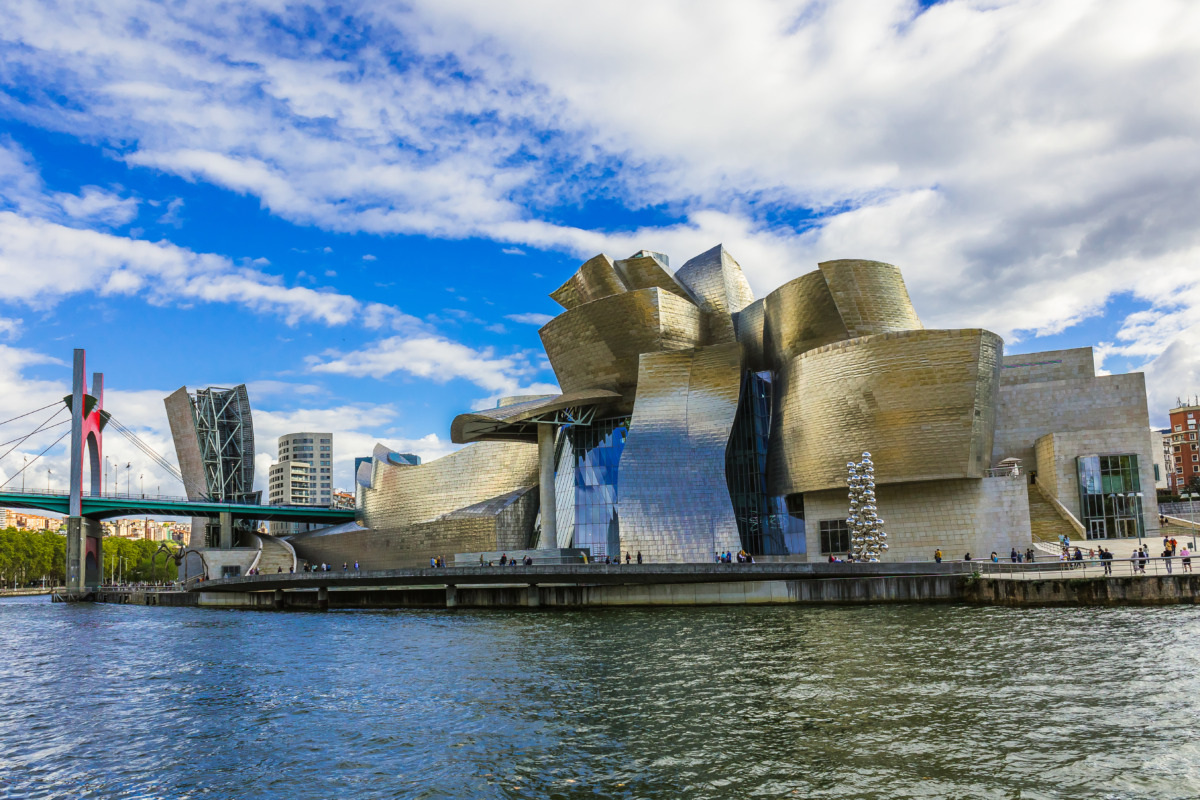
The Guggenheim gets the headlines, but the Casco Viejo’s pintxos bars are why people actually stay longer than planned.
Cultural travel guides for trips planned around museums, heritage sites, language immersion, and local traditions — written by travelers who spent real time on the ground, not just in transit.
The Guggenheim gets the headlines, but the Casco Viejo’s pintxos bars are why people actually stay longer than planned.

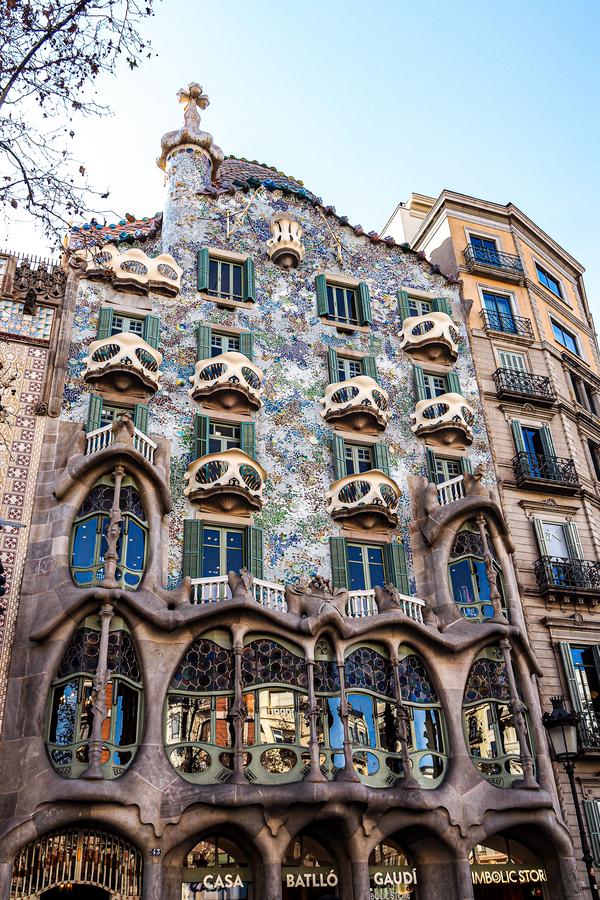
Sagrada Família gets the crowds. The Eixample grid and Barceloneta at dawn get the city that actually lives here.

Independence Hall is where it actually happened. But the neighborhoods — Fishtown, Fairmount, South Philly — are where Philadelphia makes sense.

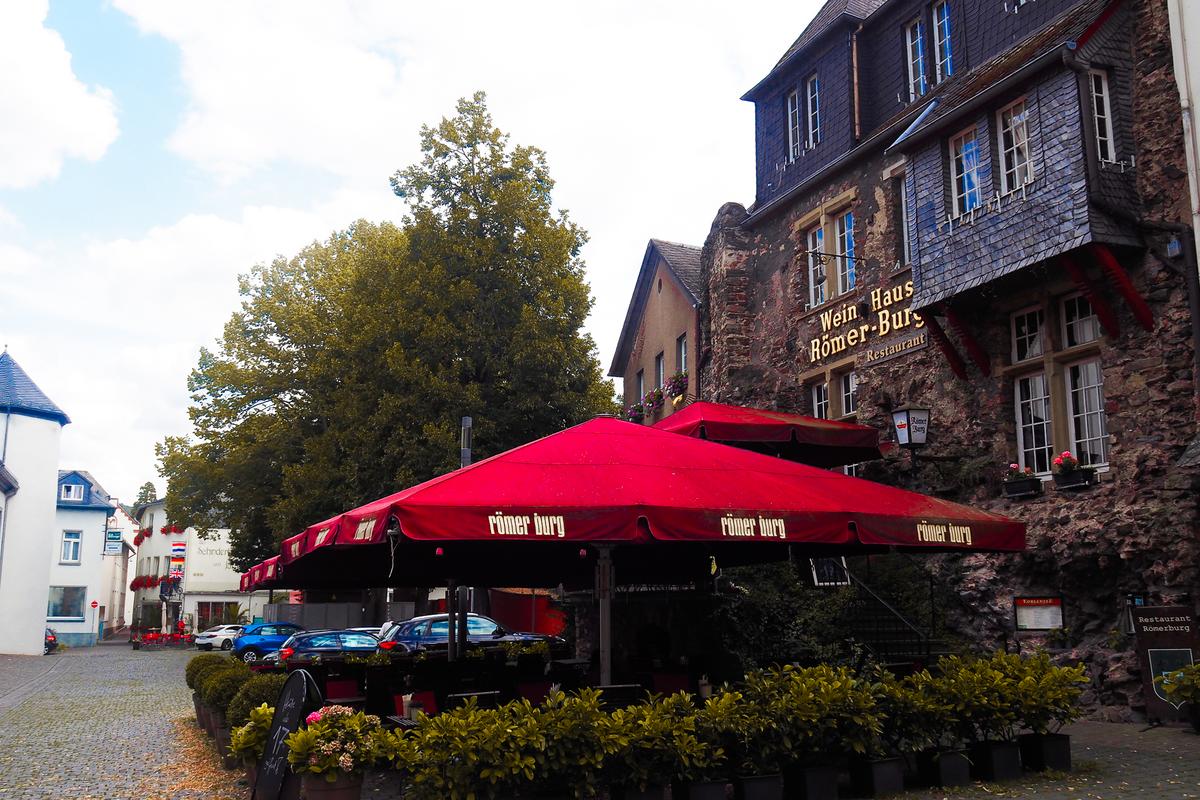
Boppard sits on the Rhine’s sharpest bend — the viewpoint above town puts four river loops in a single frame.

Wear hanbok into Gyeongbokgung for free — then catch Bukchon Hanok Village before 10am before the crowds make it nearly impossible.

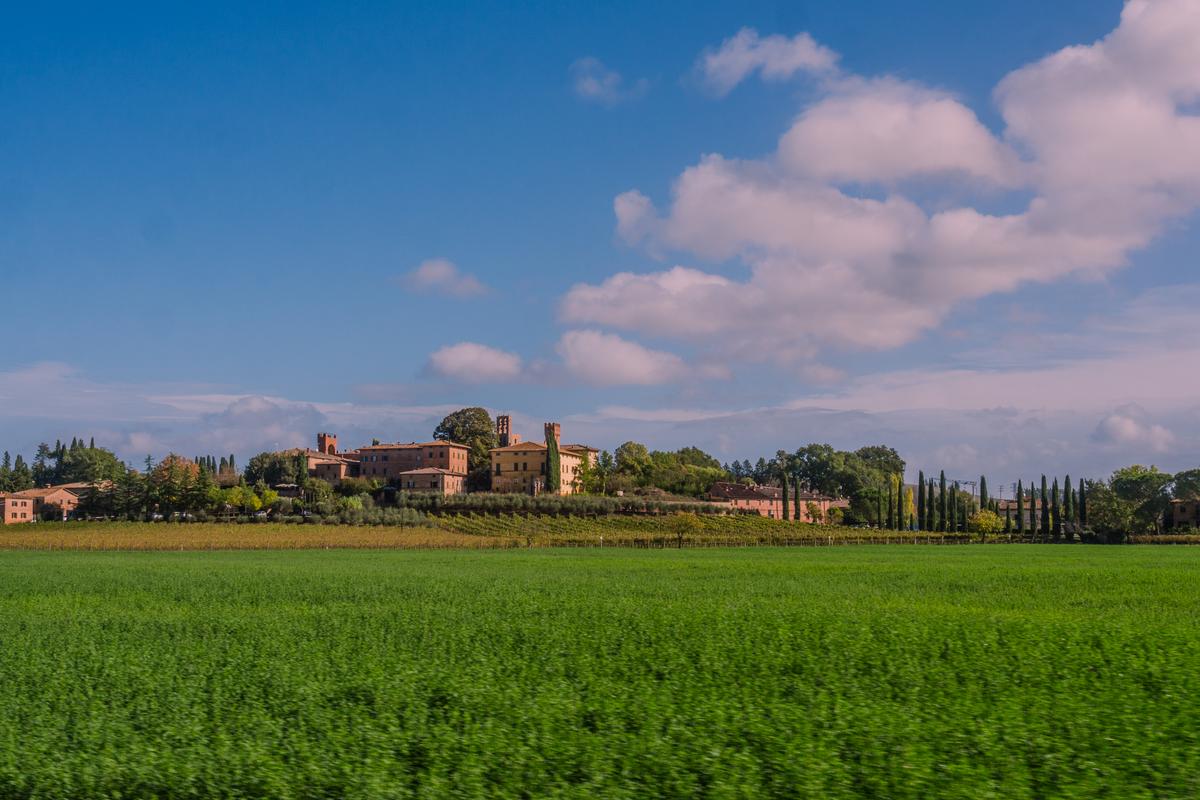
The Palio lasts 90 seconds. The buildup lasts weeks — and understanding the contrade rivalry makes Siena finally click.

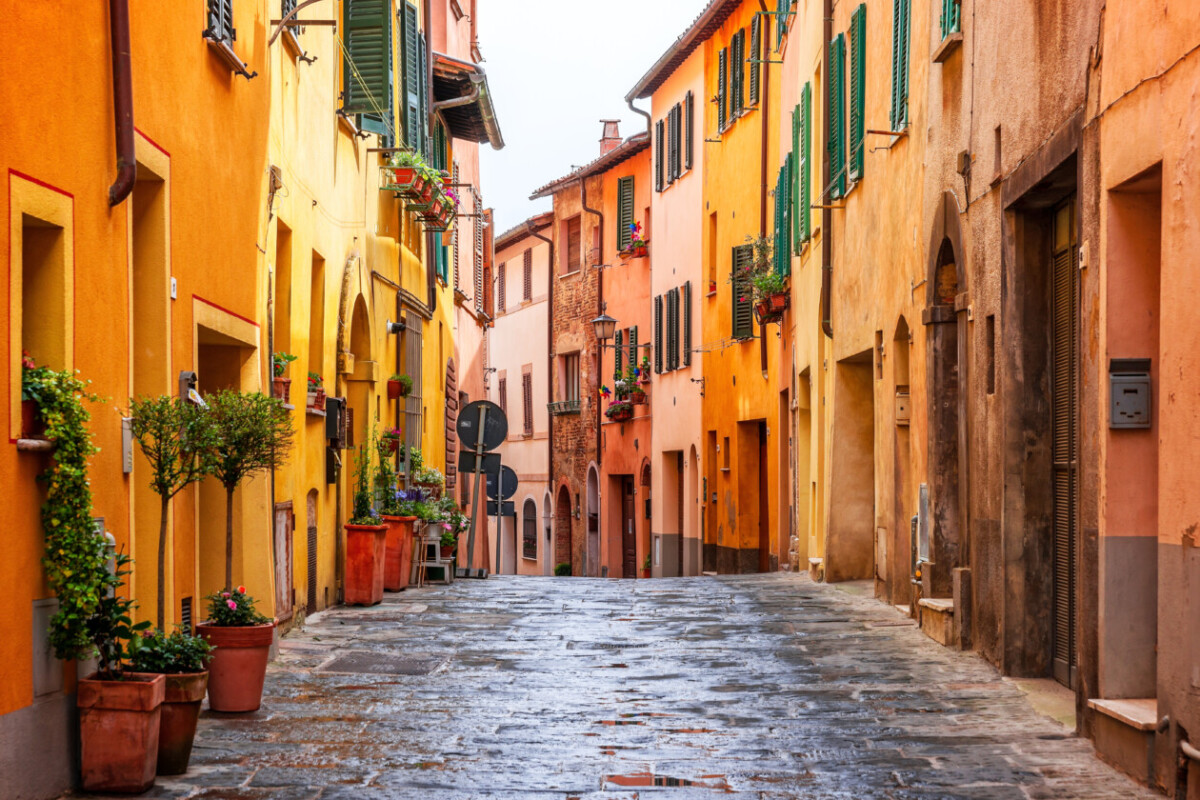
The wine cellars beneath Montepulciano are carved into tufa rock — tasting Vino Nobile here, 600 meters above Val d’Orcia, reframes every other Italian wine trip.
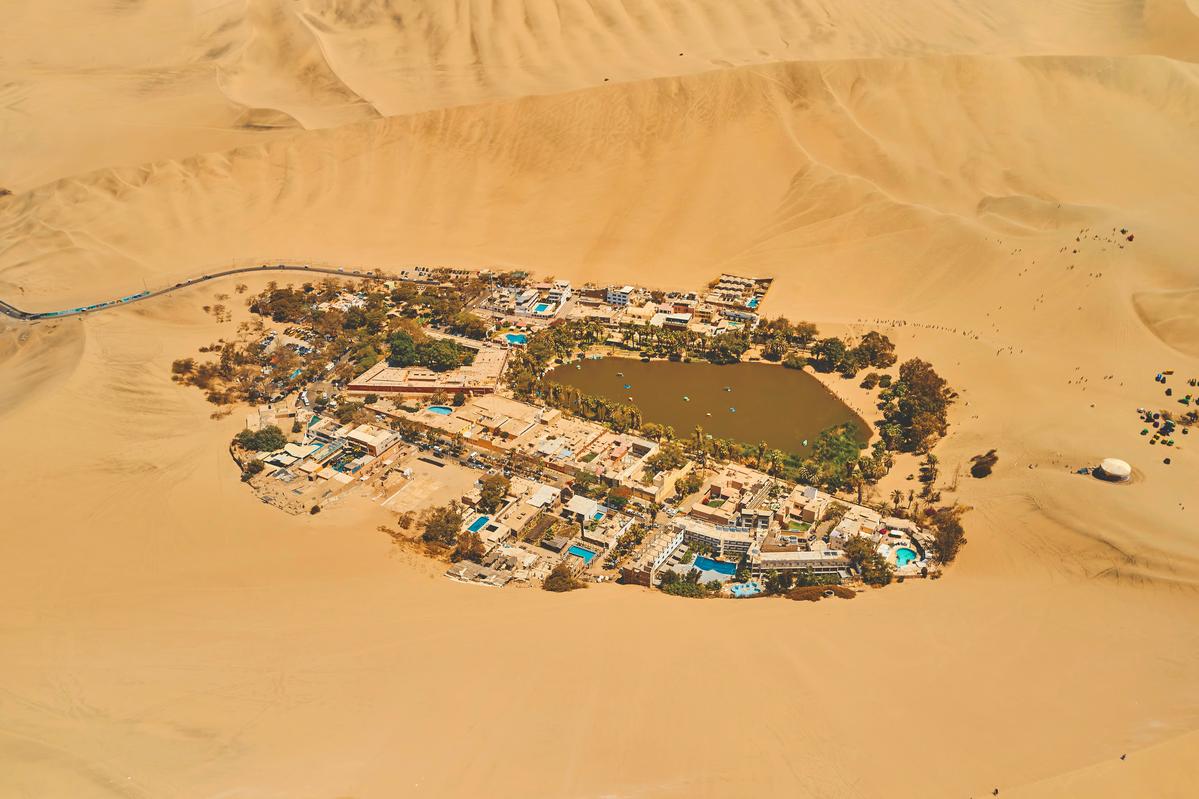
The Forbidden City alone covers 720,000 square meters — and that’s before you factor in the Great Wall, Temple of Heaven, and a thriving art district.
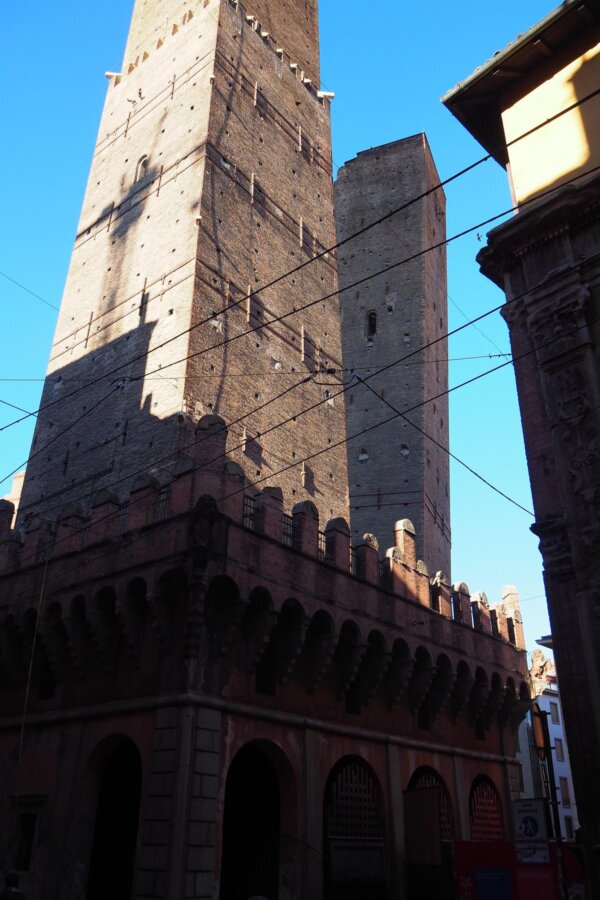
Bologna’s ragù bears no resemblance to what the rest of the world calls bolognese. That distinction alone tells you everything about this city.
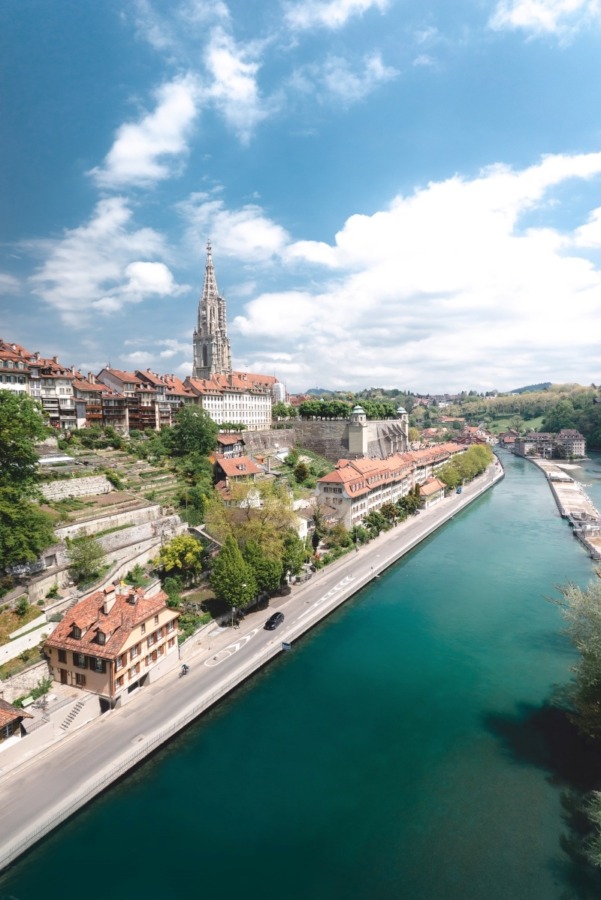
Bern’s 15th-century arcades and sandstone streets look almost exactly as they did in 1405. Switzerland’s capital is quietly one of Europe’s best-preserved medieval cities.
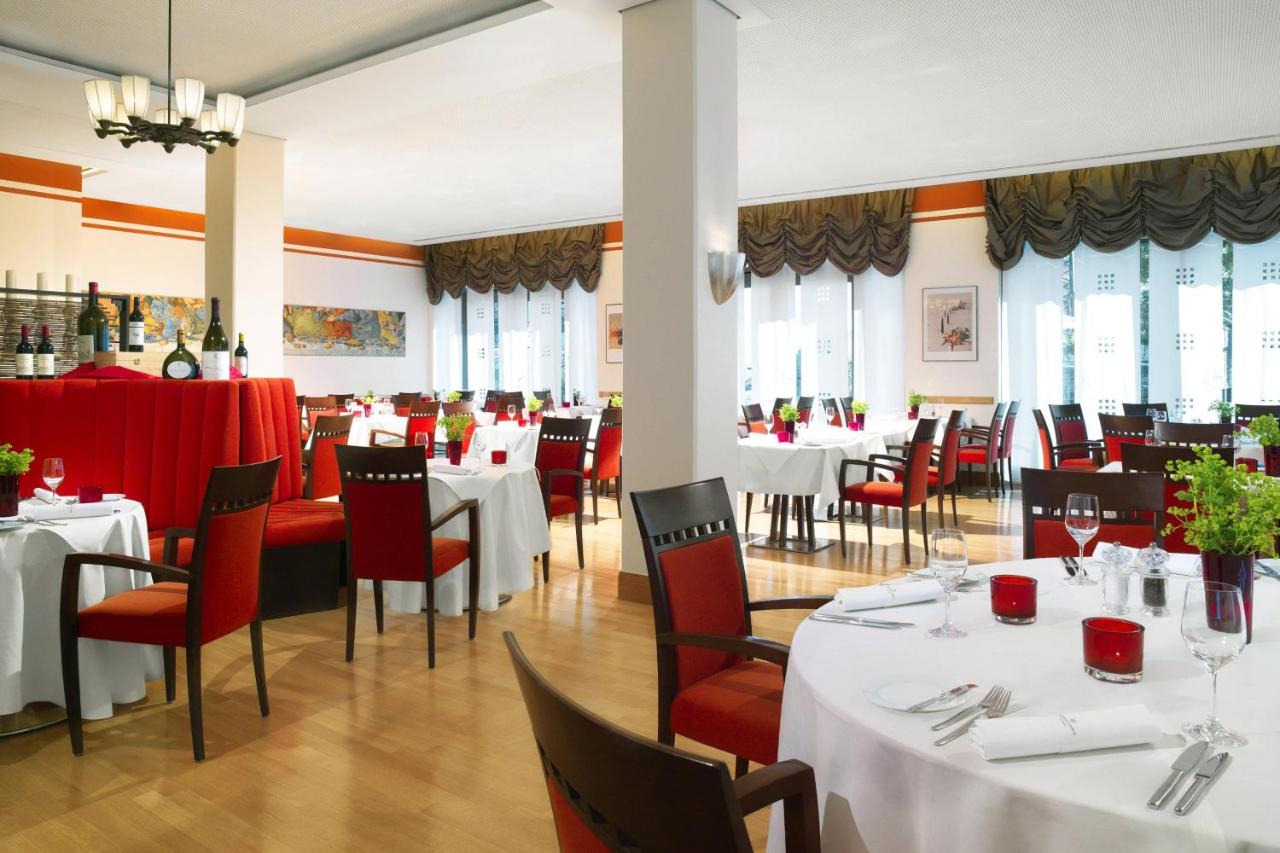
Nuremberg holds 1,000 years of imperial power and Nazi-era reckoning in the same city — that tension is exactly what makes it worth your time.
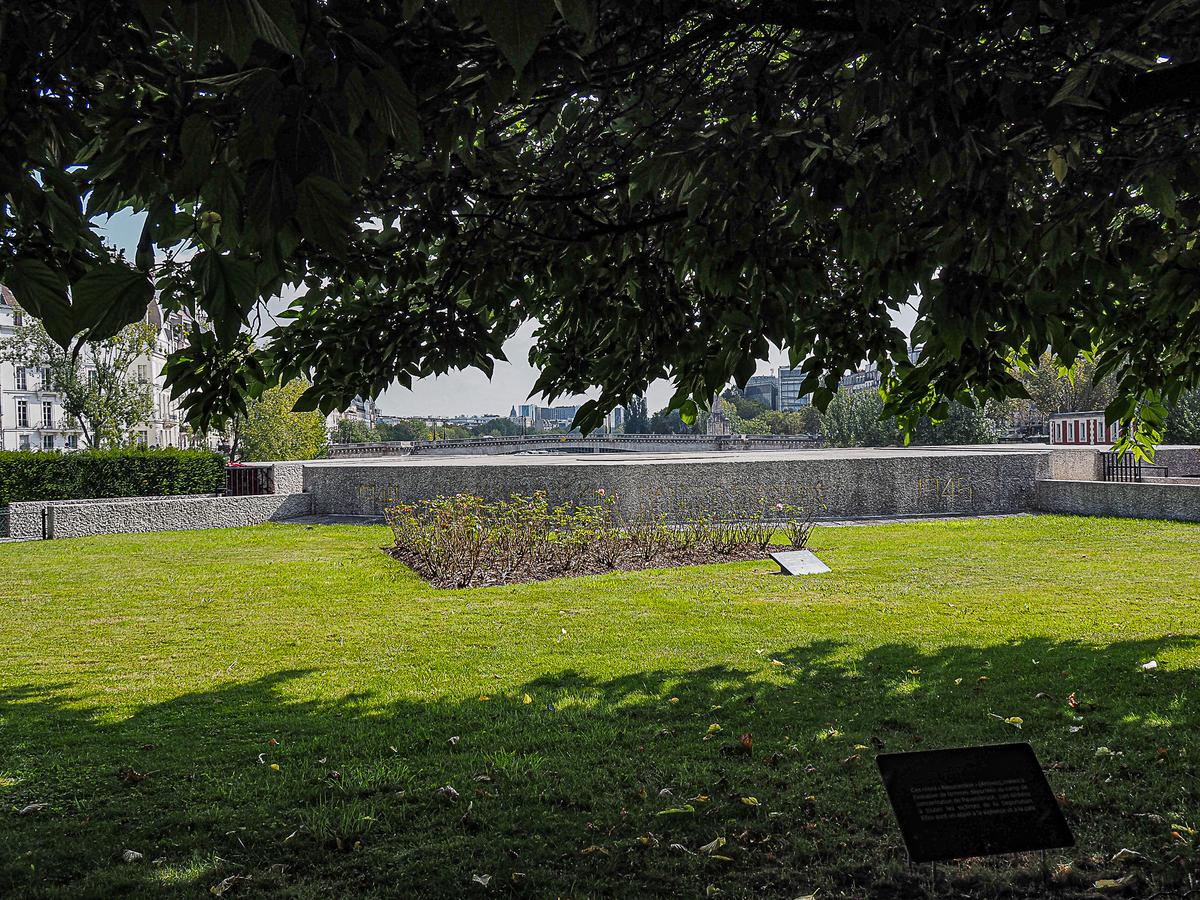
Notre-Dame is back. So is the Grand Palais. Paris in 2025 hits different — and the Space Invader hunt alone is worth a full afternoon.
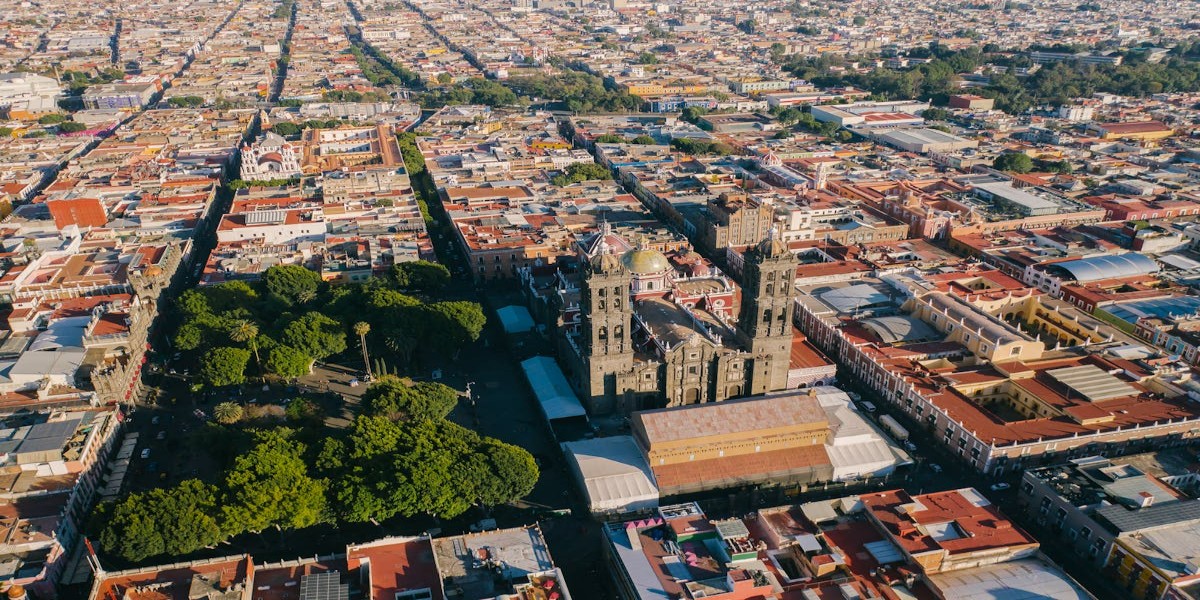
Puebla’s mole poblano didn’t originate in a restaurant — it came from a convent. That context changes how you eat here.

El Morro’s walls are 25 feet thick in places. Walking the six levels takes longer than you’d expect, and that’s before San Cristóbal.


Santa Fe sits at 7,000 feet and it shows — the light hits the adobe differently here, and the art scene is the real thing.

Trier is Germany’s oldest city, and the Roman ruins here aren’t museum pieces — the Porta Nigra still dominates the skyline like it owns the place.

Old Quebec’s cobblestones will wreck your shoes and completely rearrange your expectations of what a North American city can be.