


Ravello Center Ravello
A clifftop Amalfi Coast town known as the ‘city of music’ — the gardens of 13th-century Villa Rufolo and Villa Cimbrone’s Terrace of Infinity, home to the summer Ravello Festival.
Road trip travel guides with detailed routes, drive times, fuel costs, scenic stops, and overnight picks for North American highways and international long drives.
A clifftop Amalfi Coast town known as the ‘city of music’ — the gardens of 13th-century Villa Rufolo and Villa Cimbrone’s Terrace of Infinity, home to the summer Ravello Festival.
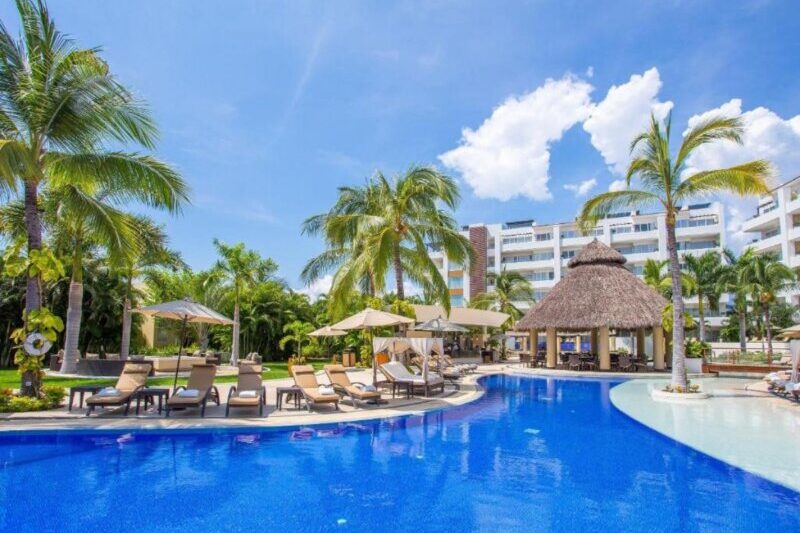
Puerto Vallarta’s Old Town south of the Río Cuale — cobblestone streets, Los Muertos Beach and its sailboat pier, and the heart of the city’s dining, nightlife, and LGBTQ+ scene.

Bari’s labyrinthine old town in Puglia — stone alleys where nonne hand-roll orecchiette on the street, anchored by the Romanesque Basilica di San Nicola and its saint’s relics.
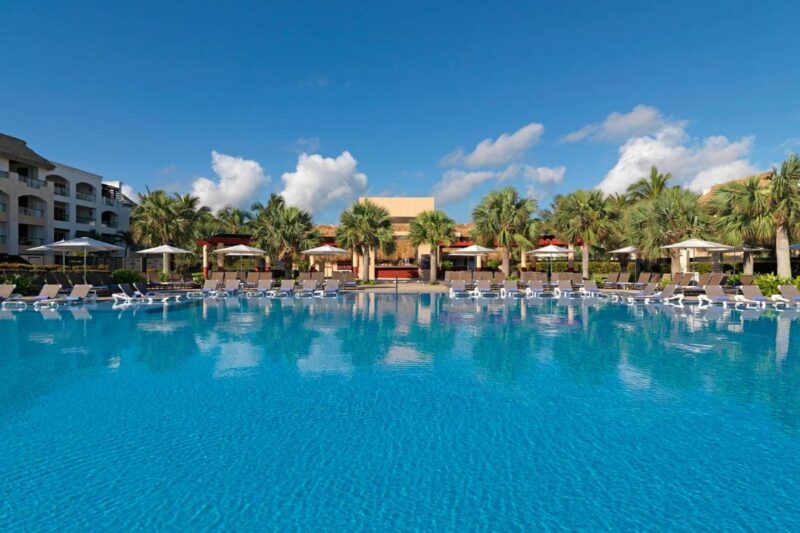
The resort strip of Punta Cana on the Dominican Republic’s east coast — a long white-sand, palm-backed Caribbean beach lined with all-inclusive resorts and adventure parks.
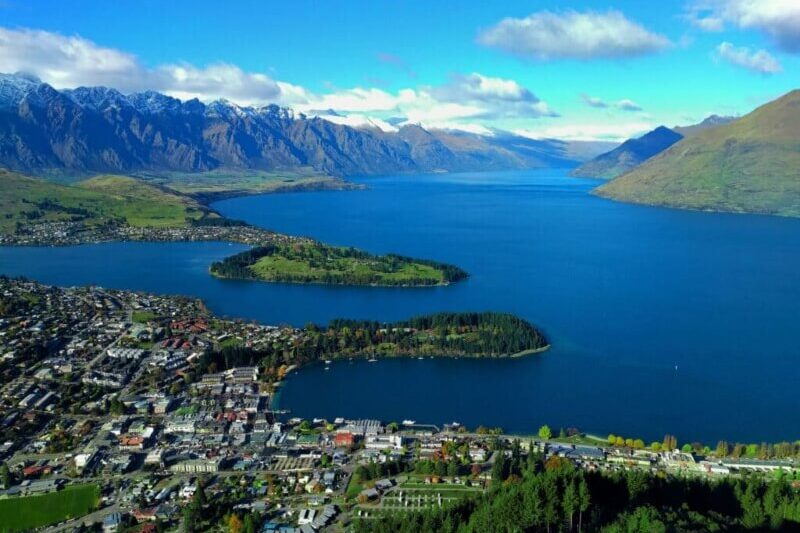
The lakefront heart of New Zealand’s adventure capital — a walkable core on Lake Wakatipu beneath the Remarkables, with the Skyline Gondola, bungy, and Gibbston Valley wine nearby.
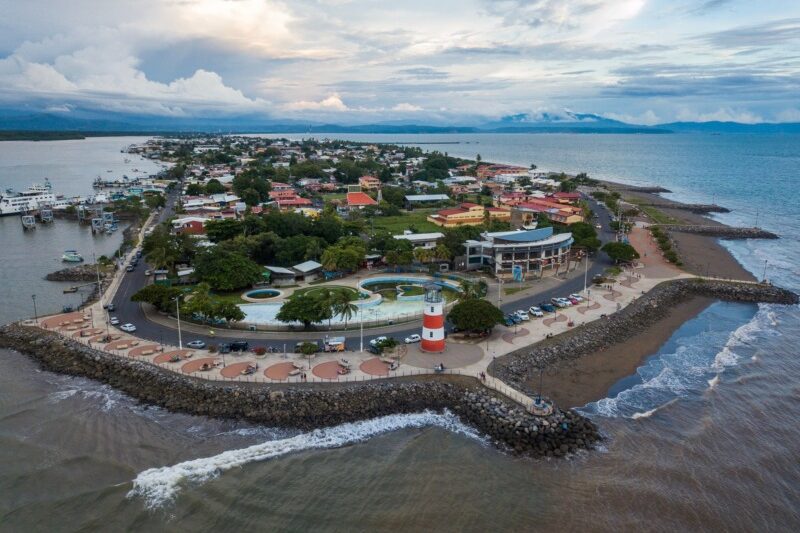
The working-town gateway to Manuel Antonio National Park — a Costa Rican Pacific port with the Marina Pez Vela, a seafront Malecón, fresh seafood, and budget-friendly Tico eats.
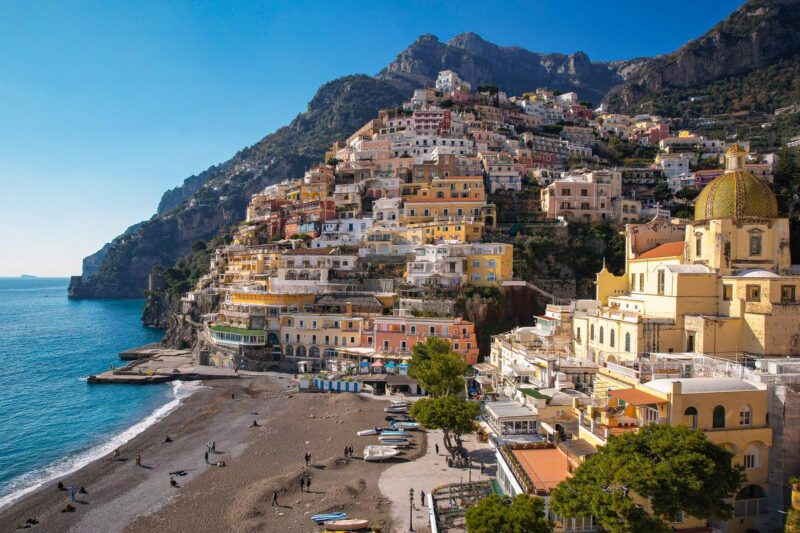
Positano’s main beach — a lively stretch of grey sand and pebbles framed by the town’s cliffside pastel houses, lined with beach clubs and the port for Amalfi Coast ferries.

Staré Město is Prague’s medieval Old Town, anchored by Old Town Square, the Astronomical Clock, Charles Bridge, and a dense network of Gothic and Baroque architecture.

A artistic, diverse, musical neighborhood ideal for Art lovers, foodies, music fans.
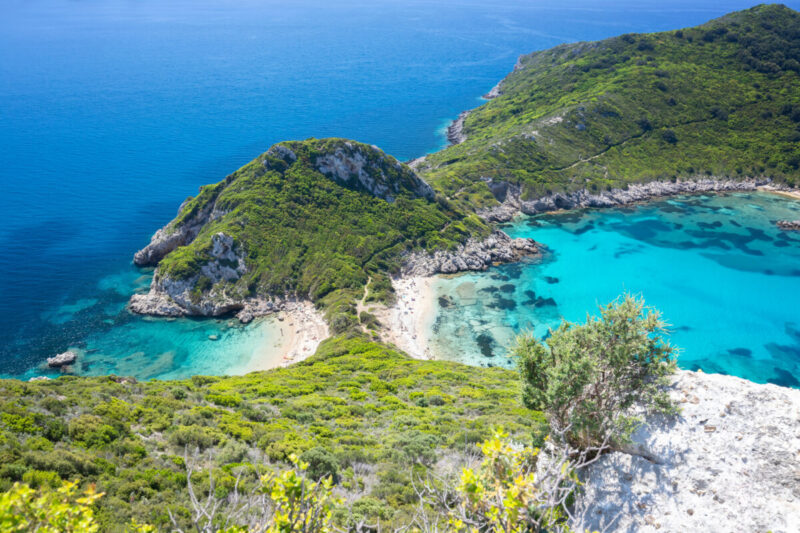
Porto’s UNESCO-listed riverside quarter — a maze of colorful houses tumbling to the Douro quayside, with waterfront dining beneath Eiffel-disciple Seyrig’s Dom Luís I Bridge.
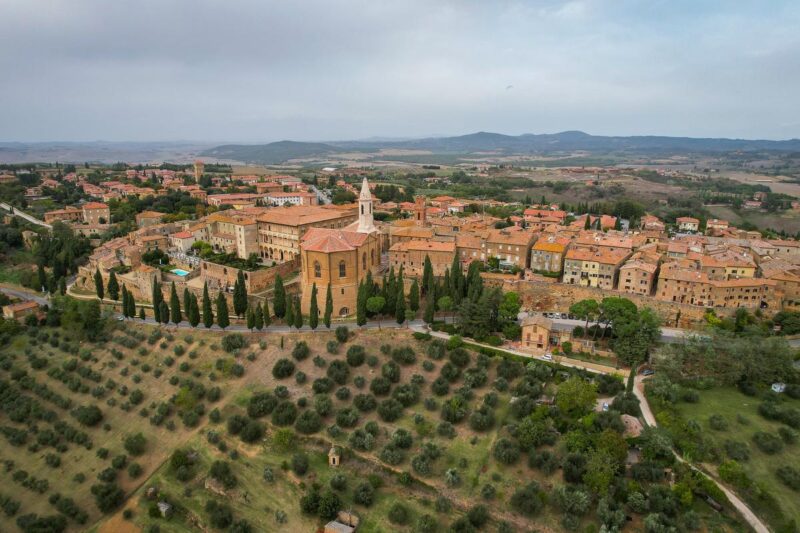
The UNESCO-listed ‘ideal Renaissance town’ in Tuscany’s Val d’Orcia — Pope Pius II’s planned center around Piazza Pio II, famed for its pecorino di Pienza cheese.
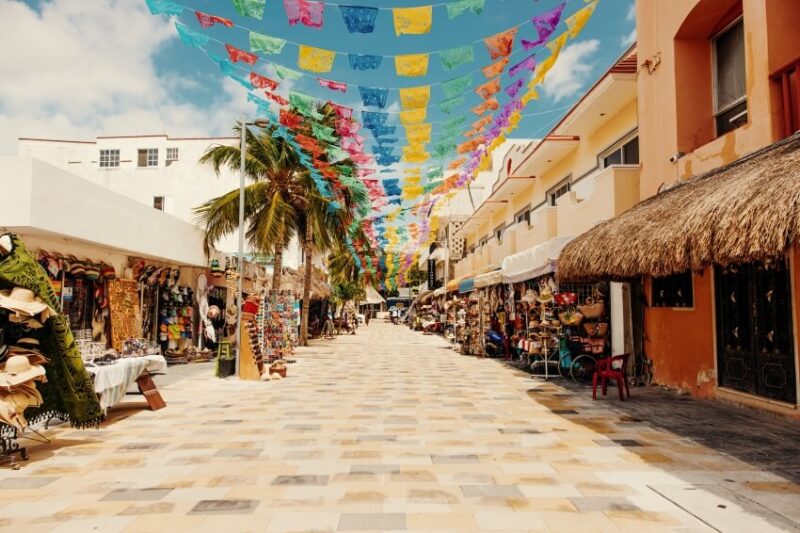
The walkable downtown heart of Playa del Carmen — built around the pedestrian Quinta Avenida, steps from the beach and the ferry to Cozumel, dense with hotels, dining, and nightlife.
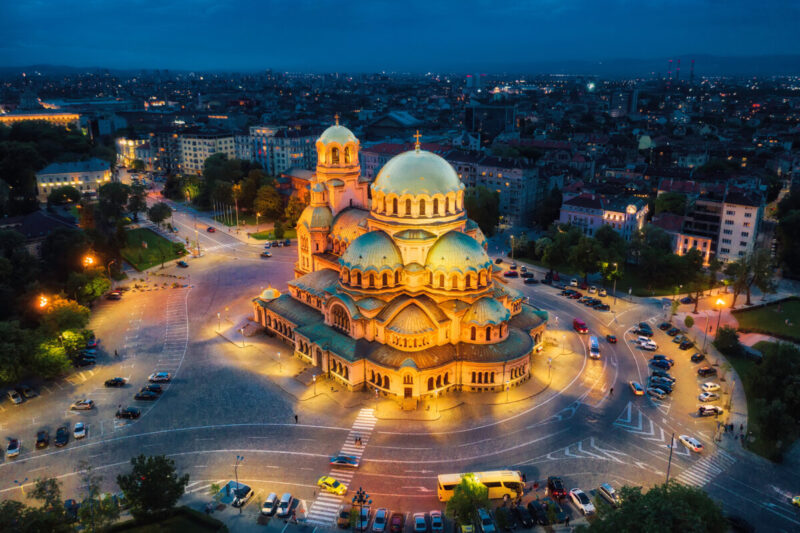
Plovdiv’s creative quarter — ‘the Trap,’ a labyrinth of old craftsmen’s lanes reborn as Bulgaria’s first creative district, full of galleries, studios, cafés, and street art.

A unesco, heritage, street-art neighborhood ideal for foodies, history buffs, street art lovers.
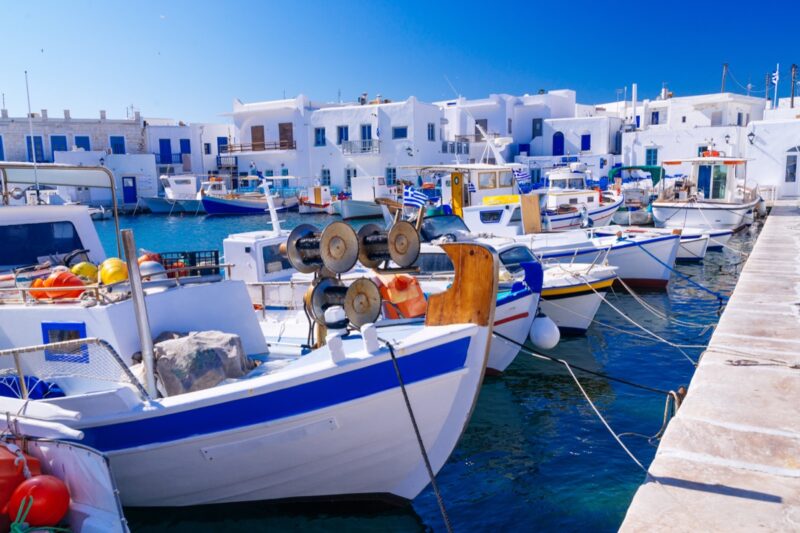
A Cycladic fishing village on northern Paros where a working harbour of colorful boats and waterfront tavernas frames the half-submerged ruins of a 15th-century Venetian castle.

A waterfront quarter in Palermo’s historic center, founded as the 10th-century Arab Al-Khalesa and now home to Palazzo Chiaramonte Steri, Palazzo Butera and Arab-Norman and Baroque landmarks.

The Turkish village beside the cotton-castle travertine terraces, gateway to the white calcite pools fed by thermal springs and the UNESCO-listed ancient spa city of Hierapolis on the ridge above.
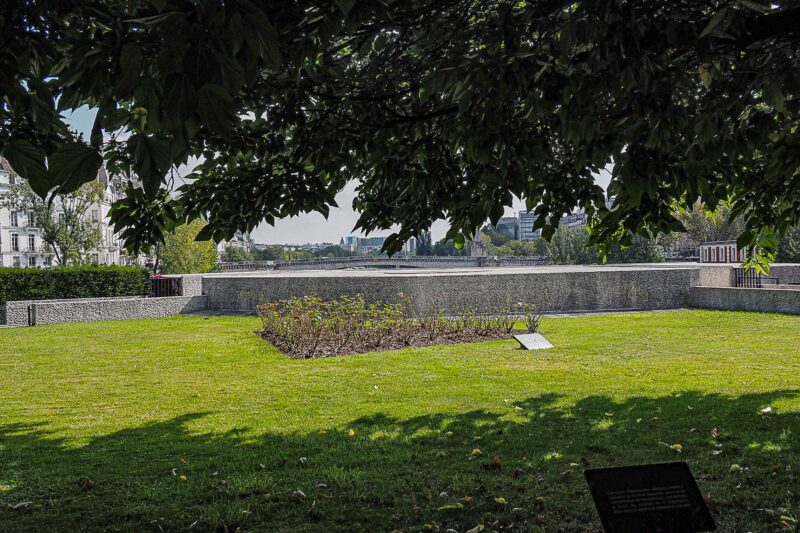
A hilly, multicultural quarter straddling Paris’s 19th and 20th arrondissements, known for successive immigrant communities, a leading street-art scene around Rue Denoyez, and city views from Parc de Belleville.
A village-like, charming, quiet neighborhood ideal for hidden gem hunters, history buffs, those seeking tranquility.
A historic district on Paris’s Right Bank known for 17th-century hotels particuliers, the arcaded Place des Vosges, the Rue des Rosiers Jewish quarter, and museums such as Carnavalet and Picasso.

Orlando’s first designated historic district (1989), a leafy residential neighborhood just north of Lake Eola Park with craftsman bungalows and revival-style homes built mostly 1905-1925 on brick streets.
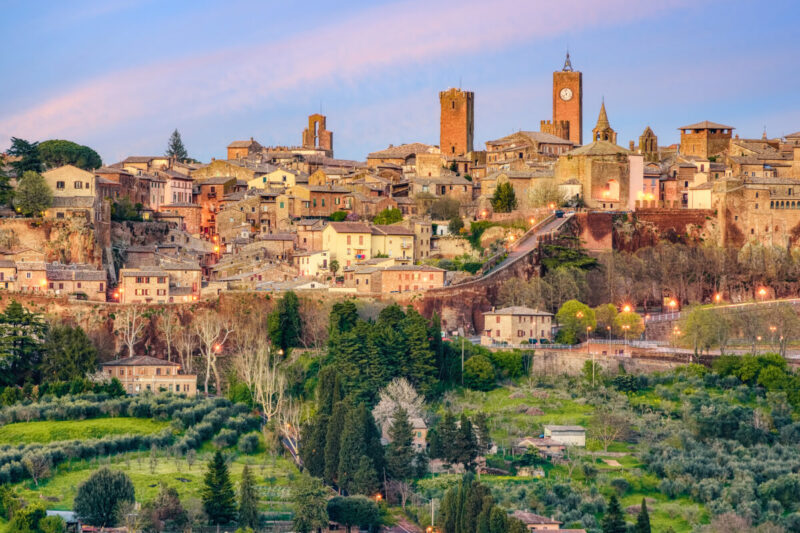
Umbria’s hilltop old town atop a 150-metre tufa cliff, crowned by the Gothic Duomo with its luminous facade and threaded by medieval lanes above an underground network of caves and wells.
The main beach village of Nusa Lembongan, a white-sand arc with surf breaks, beach warungs and dive operators, looking across the strait to Bali’s Mount Agung.