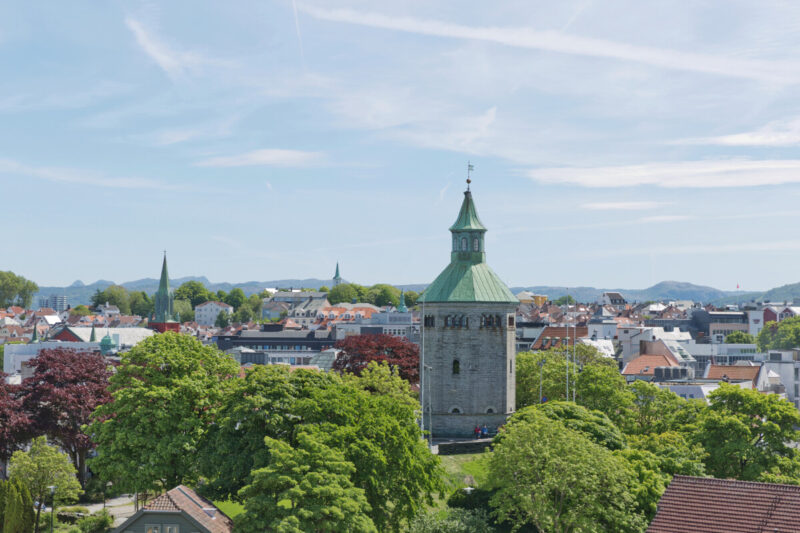
Valberget Utsiktspunkt
Valberget’s 1853 fire watch tower gives you Stavanger’s old town, the harbor, and North Sea oil platforms — all from one hilltop.


Solo travel has gone fully mainstream — roughly three in four Millennial and Gen Z travelers now plan trips on their own, and most are choosing longer stays over quick getaways. This archive covers safety-first destination picks, social hostels and group tours, and itineraries designed for travelers who set their own pace and answer to no one.
Valberget’s 1853 fire watch tower gives you Stavanger’s old town, the harbor, and North Sea oil platforms — all from one hilltop.
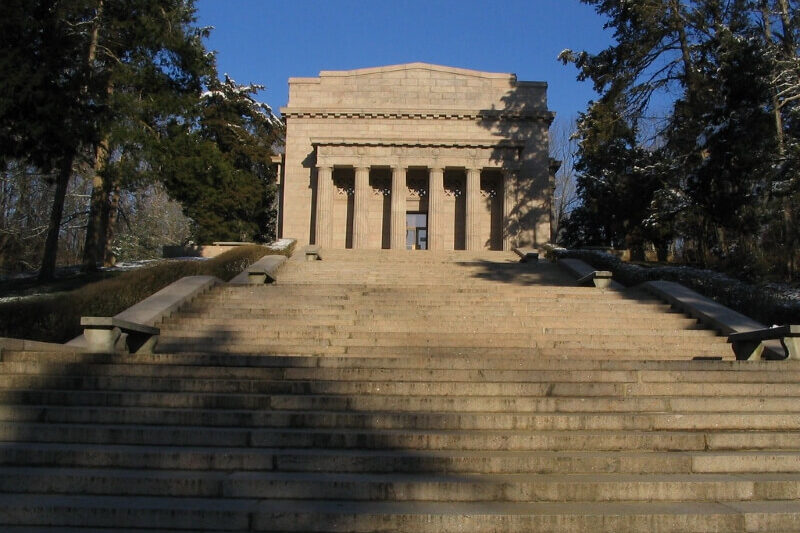
Touch Gregory’s golden toe near Split’s Golden Gate — the bishop who defied Rome for Croatian is worth two minutes of your itinerary.
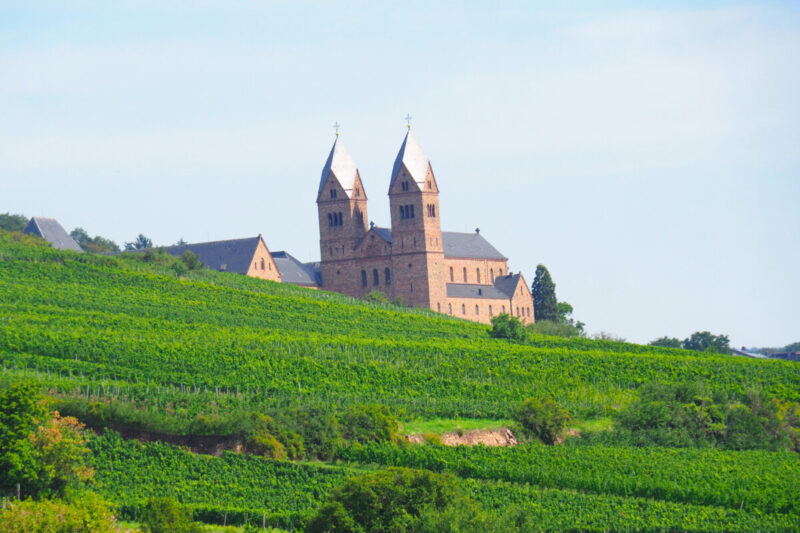
Founded in 598 AD, St Augustine’s Abbey outlasted kings, survived the Dissolution, and still tells England’s Christian origin story better than any textbook.
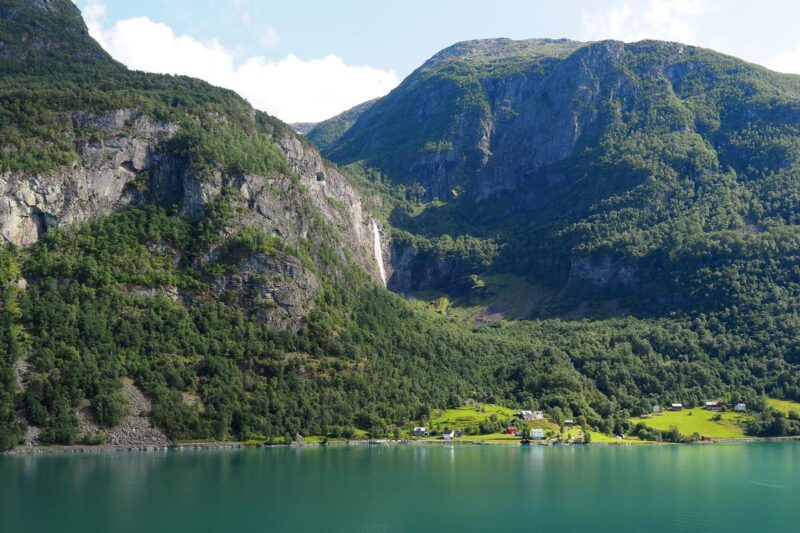
At 218 meters, Feigumfossen drops in one unbroken ribbon — and somehow most Norway itineraries still skip it for Sognefjord.

La Bonne Mère watches over all of Marseille from 162 meters up. The ex-votos inside tell better stories than any museum.
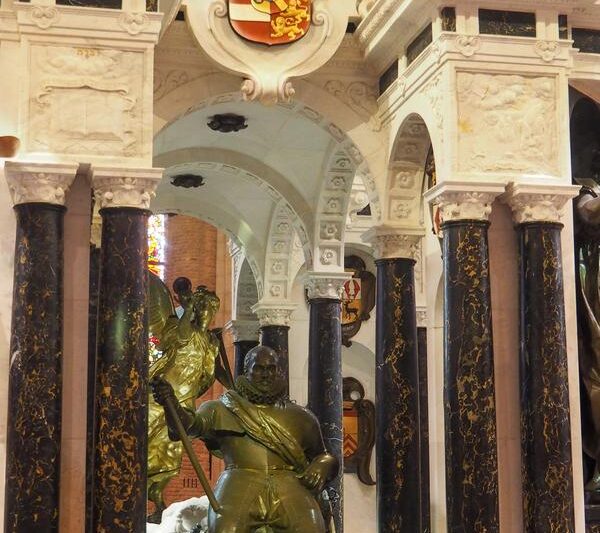
William of Orange is buried here, beneath a marble tomb that helped make Delft the burial ground of Dutch royalty. The 376-step tower climb seals it.
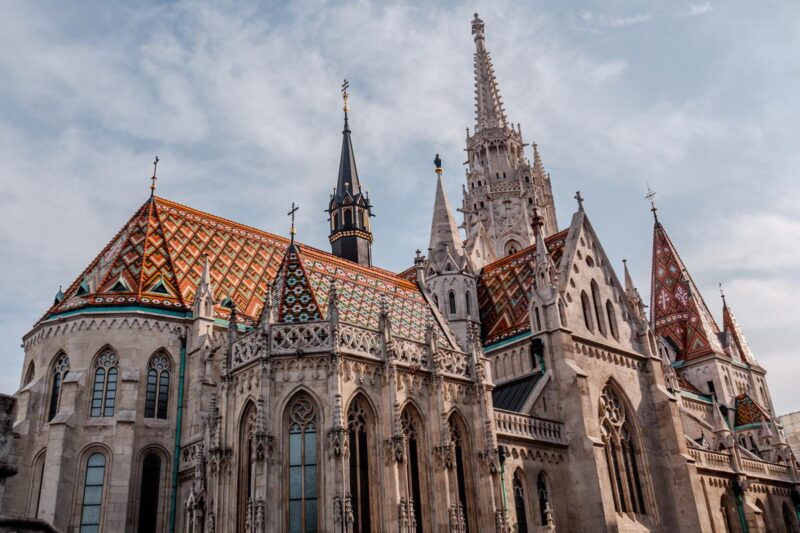
Matthias Church has been a coronation hall, a mosque, and a Neo-Gothic canvas — every era left its mark on the walls.
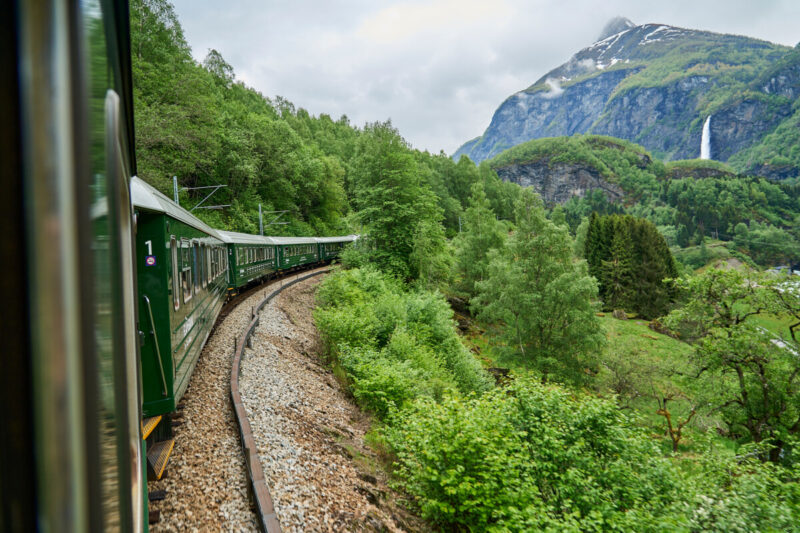
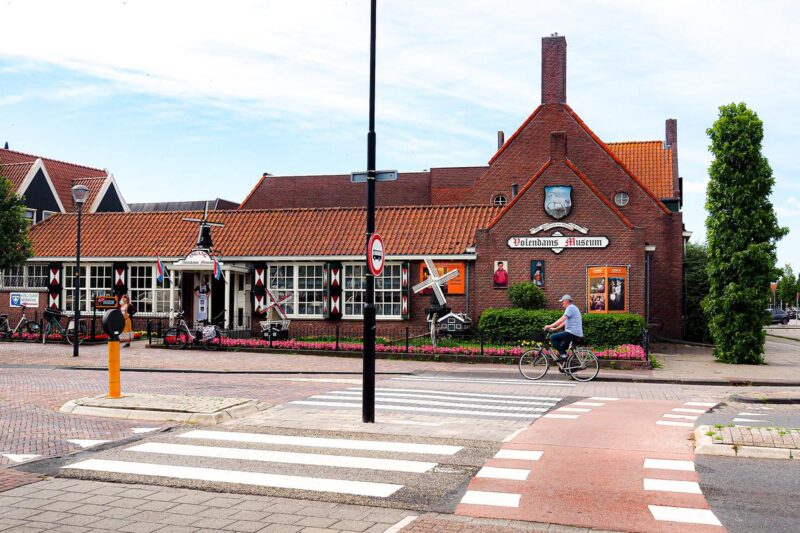
Standing inside Mesdag’s 1881 panorama feels like stepping into the painting — 14m high, 120m around, and genuinely disorienting.
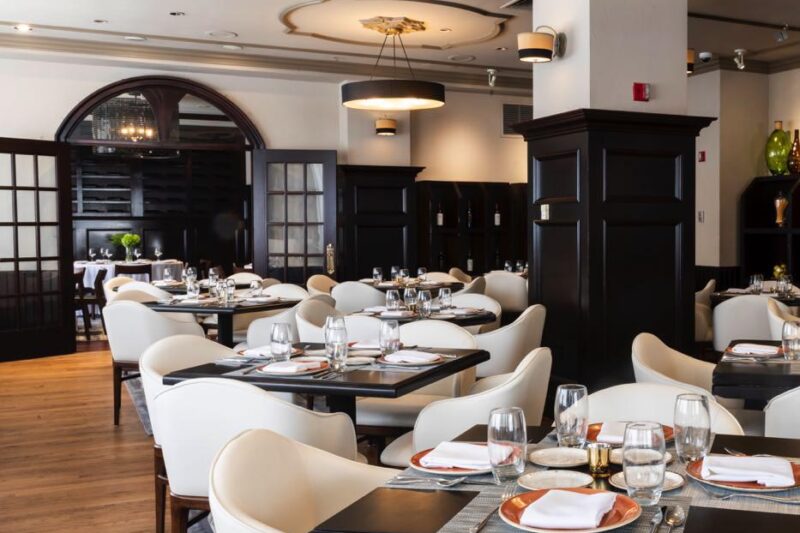
Bryggjehuset sits in a historic wharf building on the Geiranger waterfront — the name literally means ‘The Wharf House,’ and it still feels like one.
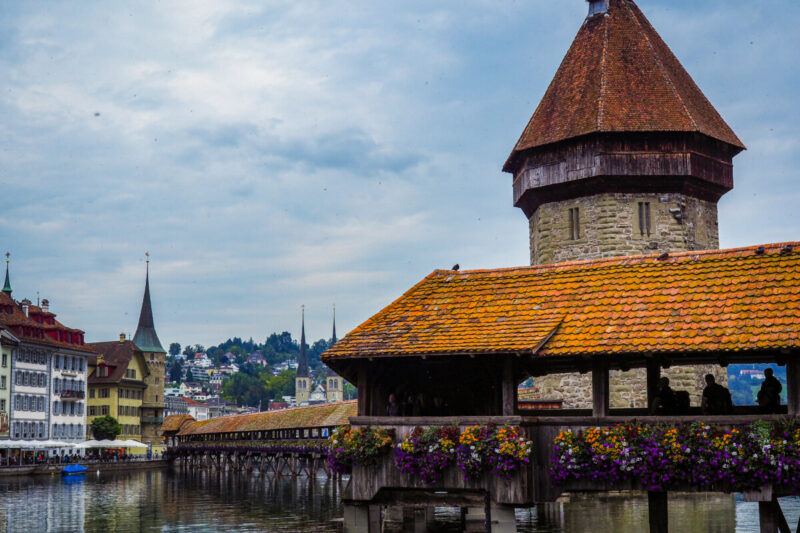
Most people cross Kapellbrücke in five minutes. Slow down — the 17th-century painted panels overhead tell Lucerne’s entire history.
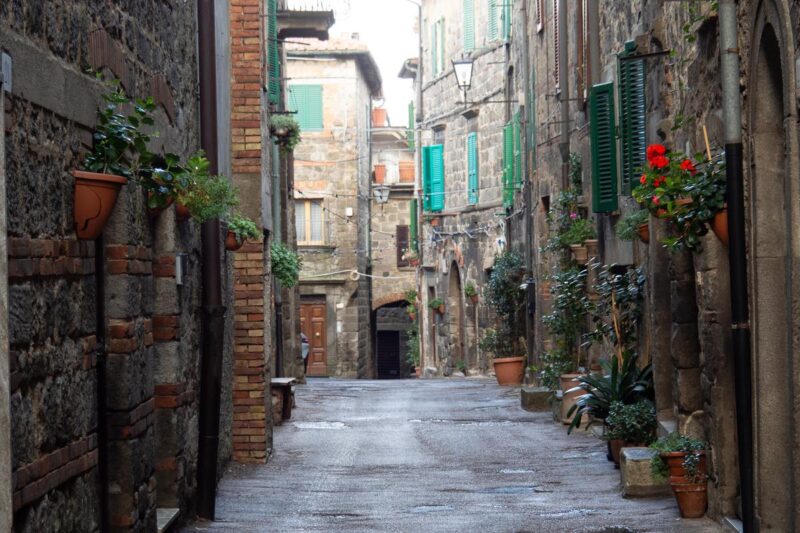
Le Panier sat above the Old Port for 2,600 years — Greek agora, Nazi demolition attempts, and now the best street art in southern France.

Grande-Île is where Roman street grids survived medieval builders — and somehow still guide foot traffic today.
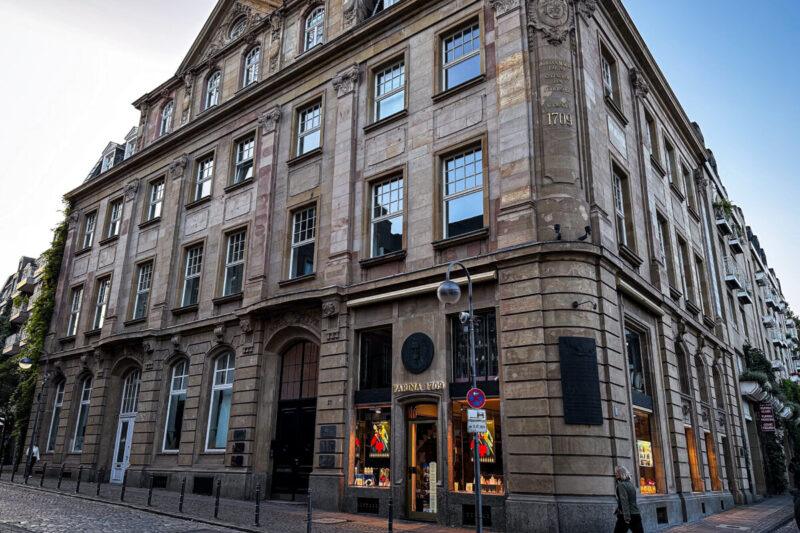
€3.50 gets you into a real medical school’s collection — antique surgical tools, anatomical models, and centuries of French medicine in one small room.
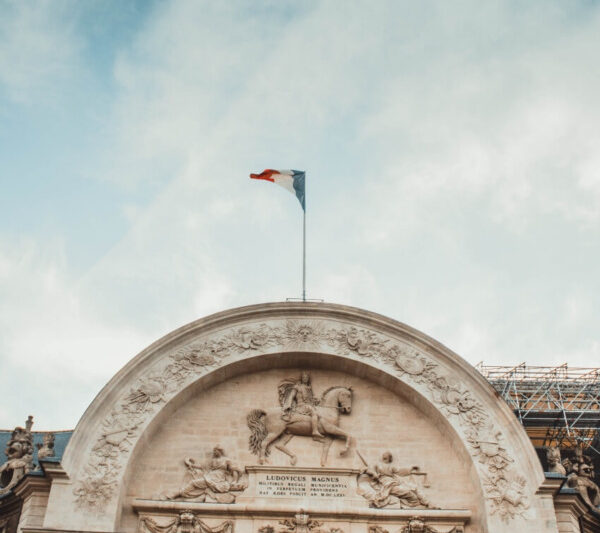
Napoleon’s tomb alone justifies the entry fee — but the medieval armor halls upstairs are what most visitors walk past too fast.

Market squares, guild halls, cobbled lanes — historical towns reward slow travel more than any highlight reel ever could.
Landmark Streets — Explore the world’s most iconic streets—walkable, photogenic corridors where architecture, cafes, and local culture converge in unforge
Market Squares — Walkable plazas where food, craft, and civic life collide—morning markets, golden-hour cafés, and seasonal festivals in historic centers.
Gothic cathedrals and Romanesque cloisters you can actually touch — no velvet ropes, no audio guides. These towns are still lived in.

The best modern cities don’t just look sharp — they move fast, eat well, and fit three neighborhoods into a single afternoon on foot.
The best modern architecture districts aren’t just pretty—they’re walkable, photogenic at midnight, and full of buildings that actually changed how cities work.
The best modern districts aren’t tourist draws — they’re where locals actually live, eat, and move. That difference shows the moment you arrive.

The Museum District packs world-class art, architecture, and local cafés into one walkable stretch — budget a full day, not an afternoon.
The best music districts aren’t on the main drag — they’re the blocks where a record shop, two bars, and a taco stand share the same corner.