

Mid-Range Travel Guides
Mid-range travel is the comfortable middle: private rooms, a mix of sit-down meals and casual bites, the occasional guided tour, and room in the budget to say yes to a splurge. In the U.S. that comfort now averages around $325 a day — a figure that has climbed about 7% over the past year as travel prices keep rising. Everything filed here helps you travel well without paying full luxury rates.
-
-

Hamburg
Speicherstadt’s red-brick warehouses sit on oak piles over tidal canals — at night, 800 spotlights turn the whole district into something worth rerouting your trip for.
-
Czech Republic
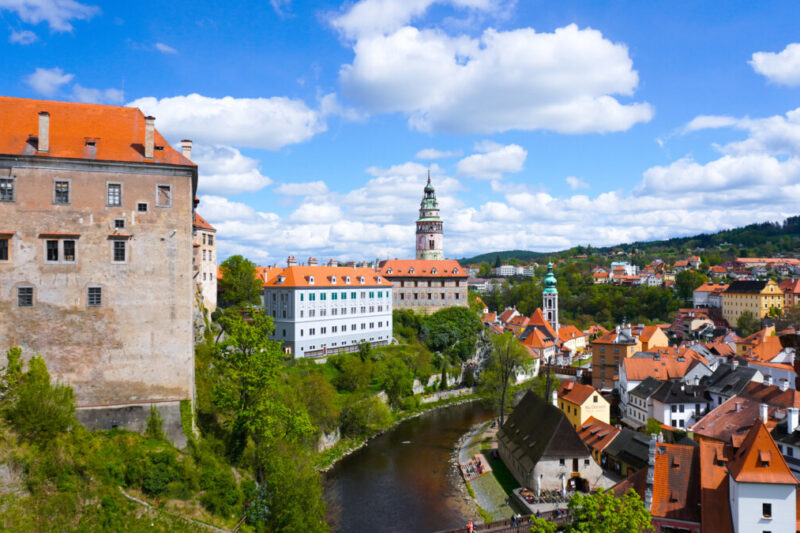
Prague gets all the attention, but the Czech Republic’s 2,000+ castles and 14 UNESCO sites are spread across the whole country.
-
-
-

San José, Costa Rica
San José gets written off as a layover city. That’s a mistake — the Barrio Amón architecture and Central Market alone justify a full day.
-

-
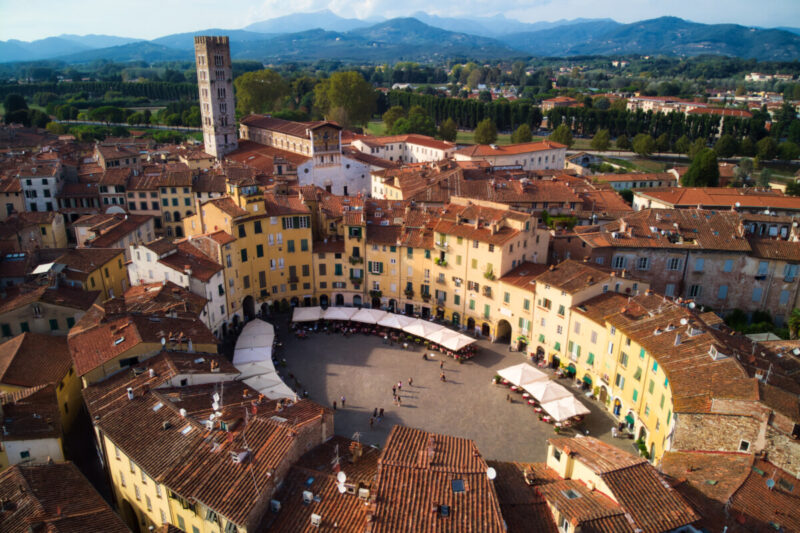
Lucca
Lucca’s Renaissance walls are still intact — all 4km of them, tree-lined and walkable. Most of Tuscany tore theirs down.
-
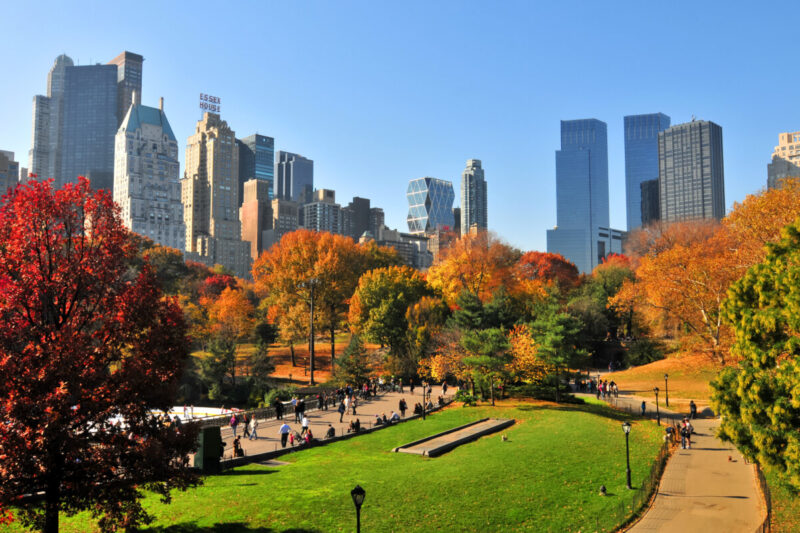
New York
New York City alone could fill a week — but skip the state and you’ll miss Niagara Falls, the Adirondacks, and the Hudson Valley.
-

-

New Hampshire
New Hampshire packs more into a long weekend than most states manage in a week — fall foliage, White Mountain summits, and a seacoast that actually delivers.
-
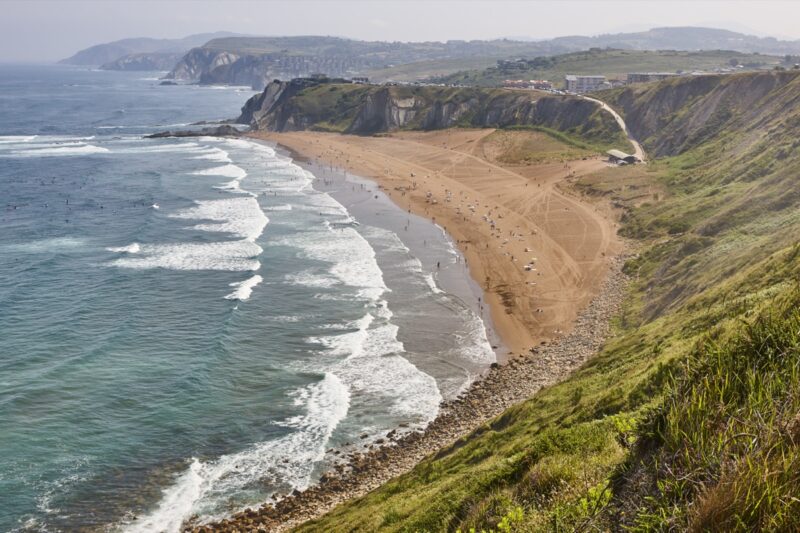
Basque Coast
San Sebastián has more Michelin stars per capita than anywhere else on earth. The pintxos bars alone justify the trip.
-

Baltimore
Baltimore’s crab cakes alone justify the trip, but the Inner Harbor and Fort McHenry will keep you busy long after lunch.
-

-

-

-

Piedmont
Alba’s truffle fair runs one week a year. The rest of the time, Piedmont keeps its best things quietly to itself.
-

Tokyo
Shinjuku and Asakusa feel like different cities. That tension between neon and incense is exactly what makes Tokyo worth a week minimum.
-

Strasbourg
Strasbourg’s single Gothic spire cuts the skyline before you even reach Grande Île — and the winstubs behind it are where the real Alsace lives.
-

-

Massachusetts
Boston’s Freedom Trail covers 400 years of American history in a 2.5-mile walk. Massachusetts rewards the curious traveler who goes deeper.
-

North America
One continent, arctic tundra to Caribbean sand. North America rewards the specific traveler more than the checklist one.
-
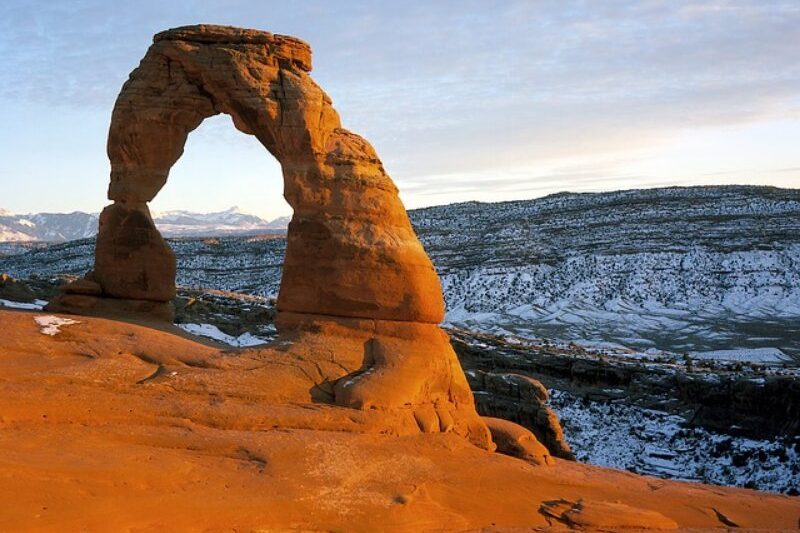
Arches National Park
Delicate Arch at sunset draws a crowd, but the Windows section at dawn is empty, closer, and honestly more impressive.
-

Sonoma Valley
Napa gets the headlines, but Sonoma is where winemakers actually want to drink. The tasting rooms are smaller, the pours are more generous, and nobody is rushing you out.