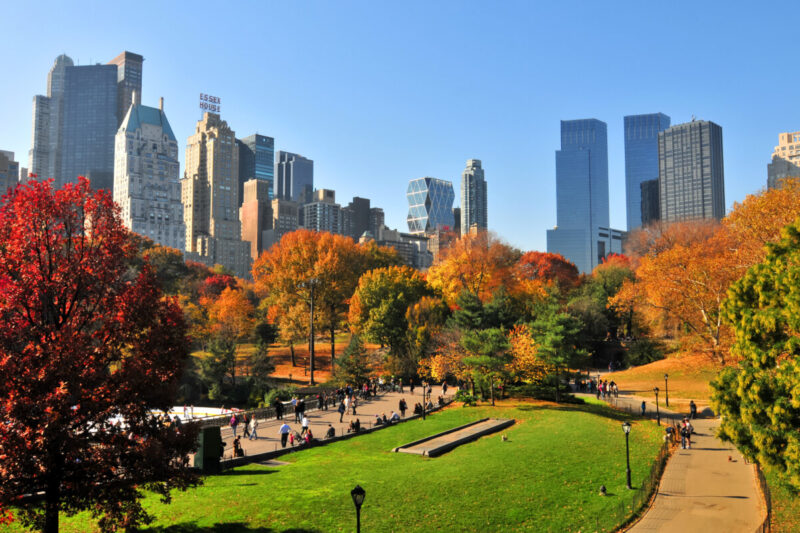
The state of New York offers plenty of incredible travel opportunities, from visiting NYC to experiencing the magic of Niagra Falls. Whether you want to check out iconic landmarks like the Statue of Liberty and the Empire State Building or explore famous attractions like the Metropolitan Museum of Art and the legendary shops of Fifth Avenue, New York accommodates diverse desires.Fair warning, however, New York has so many options that it can be easy to get overwhelmed when figuring out what to do during your stay. Our New York travel guide covers the state’s most famous tourist attractions and some of its most unique experiences. Because New York offers so many unique adventures, we’ll break things down into two sections: a New York City travel guide with the best things to do in the Big Apple and a New York state travel guide that outlines the best places to visit in New York State.
The destination guide
New York

State in United States, North AmericaUpdated
- Overall8/10
- Best forCouples, Luxury travelers
- PeakJan–Apr
- CurrencyUSD
New York City alone could fill a week — but skip the state and you’ll miss Niagara Falls, the Adirondacks, and the Hudson Valley.
Travel guides for New York
Things to do (3)
Where to stay (5)
Food & drink (1)
Destination stories (5)
More guides featuring New York (64)
At a glance
- English
- Urban metropolis
- Diverse boroughs
- Coastal harbors
- Parks and skyline
How New York scores
Editorial scores on a 10-point scale, weighed against destinations of the same kind.
Travel safety snapshot
SafePlace indicators use their source 100-point scale; higher is more favourable. Planning context, not a live travel advisory — check official government guidance before you go.
When to go
Best months to visit: April, May, June, July, August, September and October.
- January: best-time score 2 out of 5.
- February: best-time score 2 out of 5.
- March: best-time score 3 out of 5.
- April: best-time score 4 out of 5.
- May: best-time score 5 out of 5.
- June: best-time score 5 out of 5.
- July: best-time score 5 out of 5.
- August: best-time score 5 out of 5.
- September: best-time score 5 out of 5.
- October: best-time score 4 out of 5.
- November: best-time score 2 out of 5.
- December: best-time score 3 out of 5.
Month-by-month conditions and packing advice
- January
- January in New York ushers in the heart of winter, with average temperatures hovering around -1 °C (30 °F). Highs can reach close to 4 °C (39 °F), while lows often dip well below freezing, making frost and icy mornings common. The cityscape is framed by bare trees, occasional snowfall, and crisp, dry air carried along the Hudson River. While the rainfall is moderate compared to other months, snow showers and slushy streets are a hallmark of this season. The humidity hovers near 70%, which can make the cold feel more penetrating, especially when combined with the frequent gusts of wind that funnel through Manhattan’s tall buildings. Bright winter sun reflects off glass facades and icy sidewalks, creating striking but harsh contrasts for photography. This is also the season when Central Park transforms into a winter playground with ice-skating rinks and snow-dusted pathways offering a quintessential New York winter experience. Cold winter weather, few tourists. Crowds: January is low tourist season in New York, largely due to its frigid weather, but that makes it an attractive time for budget-conscious travelers. Hotel rates and airfare tend to be lower, and crowds at cultural landmarks like the Met, MoMA, and Broadway theaters are noticeably thinner. Outdoor exploration is limited by the cold, but those who embrace winter can enjoy ice skating at Rockefeller Center or walking through snow-covered Central Park. The cold may deter long outdoor strolls, but the city’s indoor attractions shine during this season, from cozy jazz clubs to world-class dining. For those comfortable bundling up, January offers an authentic and less crowded view of New York’s cultural landscape. Pack: Insulated winter coat for freezing temperatures; Thermal base layers to wear under clothing; Waterproof boots with good traction for icy streets; Warm hat, gloves, and scarf for wind protection; Stylish yet practical layers for indoor cultural venues; Portable hand warmers for extended outdoor time
- February
- February in New York brings a distinct late-winter atmosphere, with average temperatures hovering around 36°F and frequent swings between chilly mornings and slightly milder afternoons. Highs may occasionally climb above freezing, reaching into the 40s, but nights can still dip near 25°F. Snowfall remains possible, often dusting the city with a clean white layer, while slushy streets and icy patches can appear after storms. Humidity stays moderate, but cold winds funneling through Manhattan’s avenues intensify the chill. The skyline takes on a crisp clarity during these colder weeks, with sharp winter light perfect for photography. Central Park offers striking contrasts of bare trees against potential snow blankets, and the city’s cultural life thrives indoors—Broadway theaters, museums, and cozy cafés provide warm refuges from brisk weather outside. February also coincides with cultural events like Lunar New Year parades in Chinatown, adding vibrant bursts of color to an otherwise subdued urban palette. Chilly and quiet, good for museums. Crowds: February is part of New York’s low tourist season, making it one of the more affordable times to visit in terms of hotel rates and flight deals. Cold conditions limit extended outdoor activities, but visitors benefit from thinner crowds at major attractions like the Met, MoMA, and the Empire State Building. Outdoor walking tours remain possible with proper clothing, and ice skating at Rockefeller Center or Bryant Park continues to be popular. Expect shorter daylight hours and prepare for potential snow-related delays in transportation. While sightseeing requires stamina in the cold, cultural opportunities indoors are rich and uninterrupted. For budget-conscious travelers willing to brave the chill, February offers excellent value with more authentic local interactions. Pack: Insulated winter coat with windproof shell; Thermal base layers for layering in cold; Waterproof boots with good traction for snow or slush; Wool hat, scarf, and touchscreen gloves; Compact umbrella for unpredictable precipitation; Smart casual outfits for theater and dining indoors
- March
- March in New York sits at the threshold of winter and spring, creating a dynamic mix of conditions. Average temperatures hover around 37°F (3°C), with lows often dipping close to freezing and highs occasionally reaching into the mid-50s°F (10–15°C). Snowfall is still possible early in the month, but rain becomes more common as the city transitions into spring, with precipitation spread over several days. The air carries a noticeable dampness, and winds sweeping through Manhattan’s avenues can make it feel colder than the thermometer suggests. Central Park begins to show hints of green, while bare trees still dominate the skyline. Sunlight hours increase steadily, casting longer golden afternoons over the city’s brownstones. For travelers, this season offers a blend of brisk, refreshing walks and moments when you’ll want to duck into a café or museum to warm up. Beginning to warm up, spring blossoms. Crowds: March is a shoulder season in New York, offering both opportunities and challenges for visitors. The city isn’t yet in peak bloom, but cultural life runs at full speed with Broadway shows, art exhibitions, and St. Patrick’s Day parades drawing crowds. Weather variability can complicate planning: some days invite leisurely strolls, others require layering against biting winds or drizzly conditions. Hotel rates remain more affordable than in the summer peak, though St. Patrick’s Day week sees a surge in bookings and prices. Attractions are accessible without the heavy lines of summer, but outdoor experiences like rooftop bars or boat cruises are better postponed until later in spring. Travelers seeking culture, food, and indoor attractions will find March rewarding, but flexibility in plans is key. Pack: Warm waterproof coat for chilly, damp days; Layered sweaters and long-sleeve shirts; Compact umbrella for sudden showers; Comfortable waterproof walking shoes; Scarf and gloves for windy evenings; Day-to-night outfit for theater and dining
- April
- April in New York marks the heart of spring, when the city begins its transformation into a canvas of blooming cherry blossoms in Central Park and along the Brooklyn Botanic Garden’s celebrated paths. Average temperatures hover around 53°F, with afternoons often climbing into the low 60s and nights dipping toward the 40s. The variability is striking: some days feel warm enough for outdoor café seating, while others retain a brisk edge that hints at winter’s recent departure. Rain is common but generally falls as light to moderate showers, keeping the air fresh and the city’s greenery vibrant. Humidity levels average around 66%, making the atmosphere comfortable for extended time outdoors. Longer daylight hours cast a golden glow on New York’s landmarks, offering photographers excellent natural lighting, while cool breezes remind travelers that a jacket remains essential. Pleasant spring weather, great for walking. Crowds: April signals the shoulder season in New York, bridging winter’s quiet and the surge of summer tourism. This means moderate crowd levels at popular attractions, slightly lower hotel rates than peak summer, and more availability for Broadway tickets and museum time slots. The weather supports outdoor walking tours, harbor cruises, and day trips to nearby Hudson Valley towns, though travelers should prepare for sudden showers or cooler evenings. Outdoor dining terraces begin reopening, but reservations are easier to secure compared to late spring and summer. April is particularly appealing for cultural travelers, as it coincides with events like the Tribeca Film Festival and cherry blossom celebrations. It’s a rewarding month for visitors seeking a balance between manageable crowds and the city’s unfolding seasonal beauty. Pack: Waterproof jacket or trench coat for spring showers; Comfortable walking shoes for urban exploration; Layered clothing for shifting day-to-night temperatures; Compact umbrella for unpredictable rain; Light scarf for wind protection; Daypack to carry layers and essentials while exploring
- May
- May in New York ushers in the full bloom of spring, offering a comfortable average temperature of around 64°F (18°C). Days often warm to highs in the upper 70s to low 80s (26–28°C), though occasional spikes into the 90s (32°C+) can bring an early taste of summer. Nights cool down to the mid-30s°F (2°C), so evenings can feel brisk compared to daytime warmth. Humidity hovers near 70%, creating a lush green backdrop across Central Park and the city’s many gardens. Rainfall is moderate, and occasional spring showers freshen the air without significantly disrupting outdoor plans. Travelers experience long daylight hours with golden evening light perfect for photography. The weather is dynamic—sunlit mornings can turn to overcast skies by afternoon—but this variability adds to the city’s atmospheric energy. May represents one of the city’s most visually striking months, as cherry blossoms give way to full greenery, complementing street life, outdoor dining, and riverside walks. Excellent weather before the summer crowds. Crowds: May is one of the best times to visit New York, sitting between the chill of early spring and the heat of summer. Comfortable conditions make it ideal for walking tours, rooftop bars, and cultural festivals like Japan Day and the Ninth Avenue International Food Festival. Tourist numbers rise steadily this month, but crowds remain lighter than peak summer, while hotel rates begin climbing. Outdoor venues and attractions—such as Governors Island, botanical gardens, and ferry rides—operate in full swing. Weather shifts can be sudden, so flexible planning is key. With Memorial Day weekend at the month’s end, expect surging crowds and higher prices, particularly around Manhattan and Brooklyn waterfronts. Booking accommodations in advance is recommended. Pack: Light jacket or sweater for cool evenings; Comfortable walking shoes for long city days; Umbrella or compact rain jacket for spring showers; Sunglasses and SPF for rooftop bars and outdoor walks; Smart-casual attire for dining and cultural events; Layered outfits to handle large day-to-night temperature swings
- June
- June in New York City ushers in the full arrival of summer, with average temperatures around 73°F (23°C). While mornings can still carry a slight coolness, afternoons often climb into the mid-80s°F, and occasional spikes toward 90–95°F are not uncommon during heat waves. Humidity hovers at a moderate level, creating a mix of crisp early days and warmer, stickier afternoons. The city streets pulse with energy as the longer daylight hours bathe the skyline in golden light, making evening walks along the Hudson or Brooklyn waterfront particularly striking. Rainfall is moderate, arriving through sporadic thunderstorms that can sweep through quickly, leaving behind fresh, cooler air. Cultural landmarks such as outdoor art installations, rooftop bars, and street festivals come alive in this season, blending perfectly with the weather’s vibrancy. The blend of sun, warmth, and atmospheric energy creates a quintessential New York summer atmosphere that draws both residents and travelers outdoors in full force. Warm, sunny, and lively. Crowds: June marks the beginning of peak tourist season in New York City, with schools letting out and cultural programming in full swing. Expect higher crowd levels at major attractions such as the Statue of Liberty, Times Square, and the Metropolitan Museum of Art. Accommodation and flight prices rise sharply as demand increases, particularly around weekends. On the plus side, weather conditions are ideal for open-air concerts, rooftop dining, and exploring neighborhoods on foot. Occasional thunderstorms may briefly interrupt plans, but they rarely last long enough to disrupt a day fully. Travelers should book hotels and key attractions well in advance and plan early morning visits to high-traffic sites. This is an excellent month for photography, with extended daylight and dramatic post-rain light conditions. Flexibility in scheduling is key to balancing the crowds and making the most of New York’s buzzing June atmosphere. Pack: Light, breathable summer clothing for daytime heat; Compact umbrella or light rain jacket for sudden storms; Comfortable walking shoes for extensive city exploration; Reusable water bottle to stay hydrated in warm conditions; Light sweater or wrap for cooler evenings or air-conditioned venues; Smart-casual outfit for rooftop bars and evening cultural events
- July
- July in New York City brings peak summer heat, with average temperatures hovering around 79°F (26°C) and highs often surging to 100°F (38°C). The city’s dense urban environment intensifies the warmth through the ‘heat island’ effect, making sidewalks and subway platforms feel especially hot. Nights cool down to around 57°F (14°C), offering some relief. Humidity sits around 65%, adding a sticky quality to the air and making midday strolls feel heavier. Thunderstorms are common in summer, often arriving suddenly with dramatic lightning and downpours before skies clear again. The long daylight hours create golden evening light, ideal for photography in Central Park or along the Hudson River. The combination of intense heat, high humidity, and sudden summer storms gives July in New York a dynamic, energetic atmosphere that mirrors the city’s restless pace. Peak summer heat and peak tourist season. Crowds: July is one of New York’s busiest tourism months, coinciding with summer vacation schedules. Expect large crowds at iconic attractions like the Statue of Liberty, Times Square, and museums. Hotel prices peak, and advance booking is essential. Outdoor events, including free concerts, Shakespeare in the Park, and rooftop film screenings, thrive in the warm evenings, while daytime heat can limit walking-intensive sightseeing. The 4th of July fireworks over the East River draw massive crowds, a highlight of the season but also a logistical challenge for mobility and comfort. Travelers should plan indoor activities during the hottest afternoons, pacing visits to cultural sites and making use of shaded parks or ferry rides for cooler breezes. Hydration and sun protection are critical, as heat advisories are common. Pack: Breathable summer clothing in lightweight fabrics; Refillable water bottle to stay hydrated; Comfortable sandals or sneakers for long walks; Compact umbrella or rain jacket for sudden storms; High-SPF sunscreen and sunglasses; Evening layer such as a light jacket for cooler nights
- August
- August in New York is defined by hot, humid summer conditions. Average daily temperatures hover around 77°F, but highs can soar to 97°F, creating intense midday heat that lingers in the dense urban environment. Nights offer some relief with lows near 50°F, though the temperature swing can feel sharp when leaving air-conditioned interiors. Humidity levels around 65% amplify the stickiness, especially in crowded areas like Midtown or during long subway waits. Thunderstorms are common this month, bringing sudden downpours followed by dramatic clearing skies, often leaving the city with striking golden-hour light perfect for photography. The combination of heat, humidity, and occasional storms makes the city buzz with summer energy while also testing endurance during outdoor exploration. Very warm, many festivals and outdoor dining. Crowds: August represents the tail end of New York’s peak summer tourist season. Expect heavy crowds at iconic attractions like Times Square, Central Park, and museums, while hotel rates remain elevated. Outdoor concerts, film screenings, and rooftop events thrive during this period, but midday heat can limit walking tours and open-air exploration. Travelers should plan sightseeing early in the morning or late in the evening to avoid the most oppressive heat and rely on public transit or shaded parks for breaks. Storms are short-lived but can disrupt outdoor plans, so flexible itineraries are key. Booking accommodations well in advance is still advisable, though late-August may see slight drops in pricing as families prepare for back-to-school season. Pack: Lightweight breathable clothing for humid conditions; Comfortable sandals or sneakers for extensive walking; Portable umbrella for sudden thunderstorms; Refillable water bottle to stay hydrated; Light jacket or sweater for cooler evenings and air-conditioned venues; Sun protection gear including sunglasses and SPF 50 sunscreen
- September
- September in New York marks the transition from the heavy heat of summer to the crisp freshness of autumn. Average temperatures hover around 70°F, with daytime highs that can still reach into the low 90s °F on lingering hot days, while nights cool significantly, sometimes dipping into the upper 40s °F. This sharp variation creates an atmospheric mix: warm afternoons for strolling through Central Park and cooler evenings that hint at the coming fall. Rainfall levels taper off compared to the summer storms, though humidity remains moderately high at about 67%, which can make warmer days feel heavier. Early September often still carries a distinctly summery atmosphere with vivid sunsets over the Hudson, while by the end of the month golden light and the first touches of foliage begin to transform the cityscape. The blend of changing temperatures and shifting skies creates particularly striking photographic opportunities across the skyline and tree-lined streets. Perfect shoulder season with great weather. Crowds: September is considered one of the best months to visit New York thanks to the comfortable balance between warm and cool weather. It falls squarely into shoulder season: fewer tourists compared to July and August, yet still lively with local cultural events such as Fashion Week and the U.S. Open. Hotel rates remain elevated during major events but are generally more manageable than peak summer pricing. Warm afternoons encourage outdoor dining, ferry rides, and rooftop experiences, while cooler evenings are ideal for theater performances or late-night walks. The risk of occasional muggy days and lingering heat waves exists, but these are balanced by lower rainfall and crisp, clear conditions later in the month. Visitors benefit from planning in advance, especially around major cultural happenings, but overall September offers one of the most rewarding times to explore the city. Pack: Layered clothing to handle temperature swings; Light jacket or sweater for cool evenings; Comfortable walking shoes for extensive city exploration; Compact umbrella for occasional showers; Breathable fabrics for warmer days; Smart-casual outfit for cultural events or dining
- October
- October in New York brings one of the most visually striking transformations of the year. Average temperatures hover around 59°F (15°C), with highs still reaching a mild 81°F (27°C) early in the month and lows dipping to a crisp 36°F (2°C) by the end. This wide range signals the transition from late summer warmth to the briskness of fall. Humidity levels around 68% create a cool, refreshing atmosphere without the oppressive heaviness of summer. Central Park and the Hudson Valley showcase brilliant fall foliage, with golden maples and fiery oaks framing the city skyline in warm hues. Days tend to be clear and bright, perfect for photography and long walks, while evenings carry a noticeable chill that makes outdoor dining less predictable. The air often feels sharp and invigorating, with cooler breezes sweeping in from the Atlantic, adding to the seasonal energy and sense of change that defines New York in autumn. Crisp autumn air and beautiful colors. Crowds: October marks the shoulder season in New York, offering some of the best travel conditions of the year. Pleasant weather and the stunning fall foliage draw both domestic and international visitors, but the city feels less congested than the peak summer months. Hotel prices and airfare remain moderate compared to the December holidays. The cooler evenings mean outdoor activities like walking tours, ferry rides, and park explorations are ideal during the daytime, while evenings are better suited to Broadway shows, museum visits, or cozy indoor dining. It’s an excellent time for photography enthusiasts and travelers who value atmosphere over heat. Booking accommodations in advance is wise as autumn weekends often coincide with cultural festivals and marathon season, which can push up demand in certain neighborhoods. Pack: Layered clothing to adapt to wide temperature swings; A medium-weight jacket for cool mornings and evenings; Comfortable closed-toe walking shoes for urban exploration; Compact umbrella for unpredictable autumn showers; Scarf and gloves for late-month chilly nights; Stylish but warm attire for Broadway or upscale dining
- November
- November in New York brings a noticeable transition from autumn’s crisp vibrancy toward the onset of winter. Average temperatures hover around 42°C (7°C), with highs climbing to about 72°F (22°C) on milder days and lows dipping near 12°F (-11°C) during cold spells. This swing creates a patchwork of experiences—golden Central Park foliage lingers in early November, while bare branches dominate by month’s end. Rainfall is moderate, and humidity levels average around 64%, making the air feel cool and damp, particularly near the Hudson River. The shortening daylight hours cast long afternoon shadows, creating dramatic photo opportunities across landmarks like the Brooklyn Bridge and the High Line. Visitors will notice brisk winds funneling through Manhattan’s avenues, requiring layered clothing for comfort. Despite the chill, the city maintains its energy, with festive preparations beginning to animate neighborhoods from Midtown to Brooklyn. Cooling down rapidly, often rainy. Crowds: November sits firmly in New York’s shoulder season, where travel impacts vary significantly between early and late month. Early November is still attractive for outdoor exploration, with lighter crowds compared to peak summer, while the second half brings colder conditions that shift activities indoors. This month also hosts major events such as the Macy’s Thanksgiving Day Parade, drawing large domestic crowds and driving up hotel prices around the holiday week. Travelers can expect shorter lines at museums and cultural venues outside of holiday periods, but should book accommodations early if visiting during Thanksgiving. Photography conditions are superb with autumn colors and softer light, though limited daylight hours require planning. Visitors looking for bargains will find slightly reduced airfare and lodging rates in early November before the festive surge sets in. Pack: Warm layers including sweaters and thermal tops; Insulated jacket suitable for cold evenings; Comfortable waterproof walking shoes; Scarf, gloves, and hat for chilly winds; Compact umbrella for occasional rain; Dressier outfit for Broadway or fine dining
- December
- December in New York marks the transition into true winter, with average temperatures hovering around 35°F (about 1°C). Daytime highs can still reach into the lower 60s°F (16°C) during rare warm spells, but nighttime lows often fall close to freezing, occasionally dipping below. The city’s weather alternates between crisp, dry days and damp, gray skies as Atlantic systems sweep through. Rainfall is moderate, but snow showers become increasingly likely, adding a seasonal atmosphere to the streets and parks. Humidity averages around 70%, which can make the cold feel sharper, especially along the rivers and in open spaces like Central Park. The mix of festive lights, frosty air, and the possibility of snow creates a quintessential winter holiday backdrop that many travelers seek. Short daylight hours—around 9 hours of sun—make the city glow with a unique evening energy, when cultural venues, holiday markets, and Broadway come alive against the chill of winter air. Cold but festive holiday atmosphere. Crowds: December is peak travel season in New York due to the holiday period. The festive atmosphere draws large crowds to landmarks like Rockefeller Center, Fifth Avenue, and Times Square, driving accommodation prices significantly higher. The weather allows for bundled-up walking tours, ice skating, and museum visits, but outdoor activities require preparation for cold snaps. Snow can occasionally disrupt transportation, though it rarely shuts down the city entirely. This is one of the busiest times of year, so travelers should book accommodations and tickets well in advance. For those who enjoy cultural events and festive energy, December offers unmatched atmosphere, though it comes with crowds and premium costs. Pack: Insulated winter coat for cold days and evenings; Waterproof boots suitable for snow and slush; Thermal base layers for outdoor activities; Warm hat, scarf, and gloves for wind protection; Smart-casual layers for theaters and upscale dining; Compact umbrella for occasional winter rain
- March
- February
- January
- April
- September
- August
- July
- June
Know before you go
About
The state of New York offers plenty of incredible travel opportunities, from visiting NYC to experiencing the magic of Niagara Falls. Whether you want to check out iconic landmarks like the Statue of Liberty and the Empire State Building or explore famous attractions like the Metropolitan Museum of Art and the legendary shops of Fifth Avenue, New York accommodates diverse desires. Fair warning, however, New York has so many options that it can be easy to get overwhelmed when figuring out what to do during your stay. Our New York travel guide covers the state’s most famous tourist attractions and some of its most unique experiences. Because New York offers so many unique adventures, we’ll break things down into two sections: a New York City travel guide with the best things to do in the Big Apple and a New York state travel guide that outlines the best places to visit in New York State.
Neighbourhoods
Finger Lakes, Adirondacks, Hudson Valley, NYC
Best time to visit
April through June and September through November offer the best balance of weather and energy. Spring brings cherry blossoms in Central Park and mild temperatures. Fall delivers crisp air, golden light, and the cultural season’s opening — new Broadway shows, gallery openings, and the New York Film Festival. Summer (July–August) is hot and humid but alive with free concerts, outdoor movies, and Shakespeare in the Park. December transforms the city with holiday markets, Rockefeller Center’s tree, and window displays on Fifth Avenue.
Crowds
New York (state) sees peak tourism in May–September and December holiday season in NYC; upstate peaks vary by attraction (fall foliage Sept–Oct, ski resorts Dec–Mar); overall crowds are heavy in summer and holiday periods, quieter in late winter and early spring.
Getting there and around
Getting there
JFK, LaGuardia (LGA), and Newark (EWR) serve NYC. Buffalo (BUF) and Albany (ALB) are major upstate hubs.
Getting around
NYC has an extensive subway system. For Upstate, a car is essential. Amtrak’s Empire Service connects NYC to Albany, Syracuse, and Buffalo.
Top experiences in New York
Niagara Falls State Park
Read the place guide →America’s oldest state park, featuring the awe-inspiring waterfalls that straddle the US-Canada border.
The High Line
Elevated linear park built on a former freight railway on Manhattan’s west side — 1.45 miles of gardens, art installations, and Hudson River views.
Brooklyn Bridge Walk
Walk the 1.1-mile wooden pedestrian path above East River traffic for Manhattan skyline views — go at sunrise to avoid crowds.
Editor-curated picks carried over from our original guide. Where a full place guide exists, the card links to it.

Worth booking ahead in New York
Hand-picked from the operators our guides already send readers to. Prices and availability are live on the partner site.
BrowseViator
Tours and tickets in New York on Viator (opens Viator in a new tab)
Viator's full list of bookable tours and tickets in New York.
BrowseGetYourGuide
Experiences in New York on GetYourGuide (opens GetYourGuide in a new tab)
Everything GetYourGuide sells in New York, with the cancellation terms on each listing.
Where to stayBooking.com
Stays in New York (opens Booking.com in a new tab)
Live rates and availability for New York on Booking.com; filter by neighbourhood once you know where your days start.
We earn a commission if you book through these links, at no extra cost to you. It is how we keep the guides free and independent.
Where to stay
Mohonk Mountain House
768 Fifth Avenue, New York, NY 10019
A Victorian castle resort nestled in the Hudson Valley, offering all-inclusive luxury, hiking trails, and a majestic lake.
The Bowery Hotel
2 E 61st Street, New York, NY 10065
Lower East Side landmark with a velvet-curtained lobby, a fireplace lounge, and rooms that channel old-world glamour on a gritty block.
Arlo NoMad
1 Hotel Brooklyn Bridge, 60 Furman Street, Brooklyn, NY 11201
Micro-hotel near Madison Square Park with compact-but-clever rooms, a rooftop bar with Empire State Building views, and a social lobby.
Editor-curated stays carried over from our original guide. Where we have reviewed the hotel, the card links to the review.
Tips from the field
Highlights
- Central Park — 843 acres of green space in the heart of Manhattan
- Brooklyn Bridge — iconic 1883 suspension bridge with skyline views
- Statue of Liberty — global symbol of freedom on Liberty Island
- The Met — 5,000 years of art across 2 million square feet
- Broadway — the world's premier theater district
Best activities
- Walk the Brooklyn Bridge at sunrise for an uncrowded crossing with Lower Manhattan's skyline ahead, then explore DUMBO's waterfront parks for the iconic Manhattan Bridge framing shot. In Central Park, rent a rowboat at Loeb Boathouse, walk the Ramble for birdwatching, and visit Bethesda Fountain and Bow Bridge. Take the ferry to the Statue of Liberty and Ellis Island — book pedestal access tickets in advance for the best views. In Midtown, visit the observation decks at Top of the Rock (better skyline composition than Empire State) or Summit One Vanderbilt (immersive mirror installations). Walk the High Line from the Meatpacking District to Hudson Yards for elevated park views and public art. Explore the Met's Egyptian Temple of Dendur and European paintings galleries. In Harlem, catch a gospel service at Abyssinian Baptist Church on Sunday morning. Eat your way through Chelsea Market, Smorgasburg in Williamsburg (weekends), and the food stalls of Flushing, Queens — home to the best Chinese food outside Asia. See a Broadway show at TKTS half-price same-day booth in Times Square.
Local experiences
- Eat a $1 slice at Joe's Pizza in Greenwich Village at midnight, ride the Staten Island Ferry at sunset for free Statue of Liberty views, or catch late-night jazz at Smalls in the West Village.
Practical tips
- Currency: US Dollar (USD)
- Getting There: JFK Airport via AirTrain + subway (~.75, 60-75 minutes) or taxi/rideshare (-75). LaGuardia via bus M60 or Q70 to subway. Newark via NJ Transit (.25, 35 minutes).
- Transportation: MTA subway runs 24/7 (.90/ride, OMNY tap payment). Walking is the best way to explore Manhattan neighborhoods. Citi Bike for short trips.
- Dining: NYC is the world's most diverse food city. Dollar pizza slices (-3). Chinatown dumplings (-10). Bagels (-5). Food halls (Chelsea Market, Urbanspace). Fine dining from -200+.
- Free Attractions: Central Park, Brooklyn Bridge walk, High Line, Staten Island Ferry (Statue of Liberty views), Times Square, Grand Central Terminal, Washington Square Park.
- Tipping: 18-20% at restaurants, -2 per drink
- Electricity: 120V/60Hz, Type A/B plugs
Photography tips
- The Brooklyn Bridge pedestrian walkway photographs best at sunrise when the cables frame Lower Manhattan's skyline in warm light — arrive by 5:30 AM in summer for an empty walkway. For the classic DUMBO shot (Manhattan Bridge framed by Washington Street's brick buildings), shoot from the intersection of Washington and Water Streets using a telephoto lens (85–200mm) to compress the bridge into the foreground. Central Park's Bow Bridge reflects in the lake at dawn
- position yourself on the western bank with Bethesda Fountain behind for a layered composition. Top of the Rock's outdoor observation deck allows tripods after dark — the Empire State Building centered against the midtown skyline is the definitive New York cityscape. For street photography, Times Square at night rewards bold, wide-angle shooting with neon reflections on wet pavement (even better after rain). The subway system offers strong leading-line compositions — the curved platform at the 180th Street station and the tiled mosaics throughout are underrated subjects. For elevated perspectives, the Edge at Hudson Yards provides the highest outdoor sky deck in the Western Hemisphere with a glass-floor section.
Keeping it authentic
- New York City operates as the cultural and financial engine of the United States and arguably the Western world. Eight million residents share 302 square miles across five boroughs, each with neighborhood identities so distinct that moving ten blocks can feel like crossing a border. Manhattan's density — 72,000 people per square mile — creates an energy that no other American city replicates: the speed of foot traffic, the 24-hour subway, the fact that you can eat Sichuan dumplings at 3 AM on a Tuesday. Brooklyn transformed from a post-industrial borough into a global brand over two decades, with Williamsburg, DUMBO, and Park Slope each developing their own gravitational pull. Queens is the world's most linguistically diverse urban area, where Jackson Heights alone hosts communities speaking 167 languages. The Bronx carries hip-hop's origin story and a resurgent dining scene along Arthur Avenue. The city's cultural institutions — Met, MoMA, Lincoln Center, the Public Theater, Carnegie Hall — set global standards, but the most memorable experiences often happen outside them: jazz in a Harlem basement, comedy at a Greenwich Village cellar club, a pickup basketball game at the West 4th Street courts. New York absorbs newcomers and reinvents itself continuously
- that restless reinvention is the city's defining characteristic.
Culture, customs and safety
Cultural heritage
New York’s cultural and historical heritage reflects its pivotal role in shaping the United States and the modern world. As a gateway for over 12 million immigrants at Ellis Island, the state became a crucible of American diversity, innovation, and social change. Its architecture ranges from Dutch colonial farmhouses to the Art Deco marvel of the Empire State Building and the enduring neoclassicism of the U.S. Custom House. The Statue of Liberty, a UNESCO World Heritage Site, stands as a global symbol of freedom and democracy. From the Haudenosaunee Confederacy’s legacy in upstate governance traditions to Harlem’s seminal role in Black cultural expression, New York remains a living archive of layered identities and transformative moments.
Local customs & etiquette
NYC pace is fast; stand to the right on escalators. Upstate is more relaxed. Tipping 18-20% is standard for service.
Safety notes
New York City is much safer than its reputation suggests, especially in tourist areas.
General Safety:
• Manhattan, Brooklyn (Williamsburg, DUMBO, Park Slope), and tourist areas are safe
• Times Square and transit hubs are busy but well-policed
• Keep bags zipped on the subway and in crowds
• Pickpocketing occurs at Times Square, Penn Station, and Grand Central
Subway:
• Safe and efficient — avoid empty cars late at night
• Stand behind the yellow line on platforms
• Use well-lit areas of stations
Taxi/Rideshare:
• Use yellow cabs, Uber, or Lyft — avoid unlicensed cars
Emergency number: 911