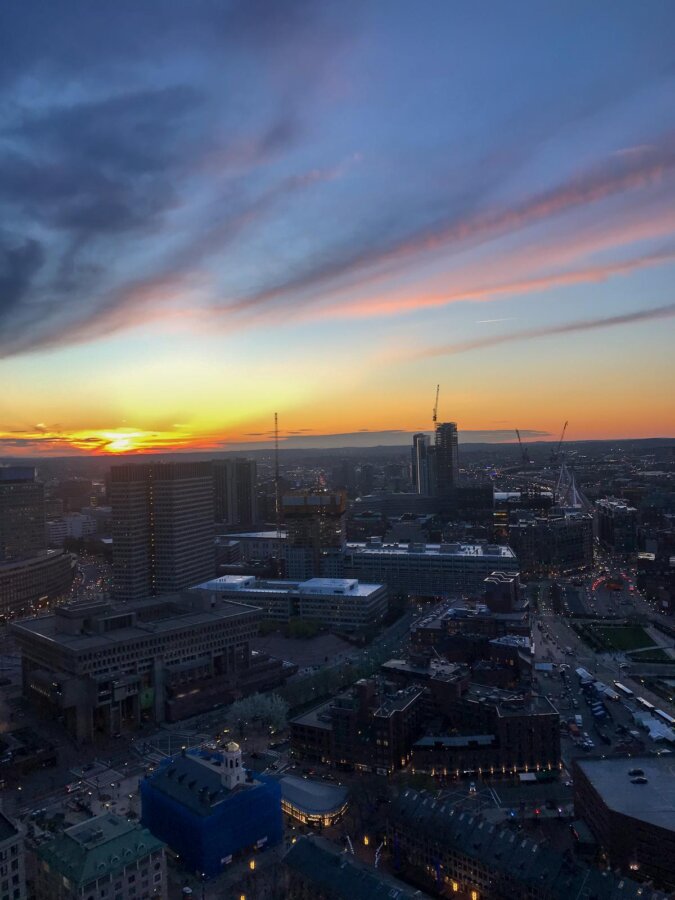
Boston, the capital of Massachusetts, is a city rich in history and culture. Known for its pivotal role in the American Revolution, Boston offers a blend of historic sites, vibrant neighborhoods, and a thriving arts scene. Visitors can explore the Freedom Trail, enjoy the beautiful Boston Common, and experience the city’s renowned seafood cuisine.
The destination guide
Boston
City in United States, North AmericaUpdated
- Overall9/10
- Best forSolo travelers
- PeakJan–Apr
- CurrencyUSD
Walk the Freedom Trail in two hours or take three days — Boston rewards both. The North End alone justifies the trip.
Travel guides for Boston
Itineraries & day trips (2)
Things to do (2)
Where to stay (1)
Travel tips & costs (1)
Destination stories (3)
More guides featuring Boston (34)
At a glance
Currency$ USDCode: USD
Time zoneEastern Standard Time
Languages
- English
Setting
- Urban cityscape
- Historic colonial architecture
- Harbor waterfront
- Public parks
Known for
- American History
- City Breaks
- Sports Culture
- Museums
- Universities.
Population684K684,379 residents
VisaDocuments: For domestic U.S. air travel, travelers age 18 and older must present a REAL ID-compliant driver's license or another TSA-accepted ID such as a valid passport
How Boston scores
9/10OverallExcellent
Weather7/10
Value for money6/10
Safety7/10
Food & cuisine8/10
Culture & arts8/10
Cultural experience8/10
History10/10
Nature & outdoors7/10
Adventure4/10
Nightlife7/10
Shopping8/10
Family friendly5/10
Romance7/10
Editorial scores on a 10-point scale, weighed against destinations of the same kind.
Travel safety snapshot
Overall85/100High rating
Women travellers82/100
LGBTQ+ travellers85/100
Theft75/100
Medical care90/100
Physical harm85/100
Political freedom85/100
SafePlace indicators use their source 100-point scale; higher is more favourable. Planning context, not a live travel advisory — check official government guidance before you go.
When to go
Best months to visit: April, May, June, July, August, September and October.
- January: -5.4 to 0.1 degrees Celsius, 4.3 millimetres of rain, best-time score 2 out of 5.
- February: -6.8 to 2.6 degrees Celsius, 17 millimetres of rain, best-time score 2 out of 5.
- March: -0.1 to 6.7 degrees Celsius, 37.1 millimetres of rain, best-time score 3 out of 5.
- April: 5.1 to 13.6 degrees Celsius, 25.2 millimetres of rain, best-time score 4 out of 5.
- May: 10.7 to 20.4 degrees Celsius, 41.4 millimetres of rain, best-time score 5 out of 5.
- June: 13.3 to 22 degrees Celsius, 21.4 millimetres of rain, best-time score 5 out of 5.
- July: 18.8 to 28.4 degrees Celsius, 31.1 millimetres of rain, best-time score 5 out of 5.
- August: 18 to 26.1 degrees Celsius, 39.7 millimetres of rain, best-time score 5 out of 5.
- September: 13.8 to 23.3 degrees Celsius, 13.7 millimetres of rain, best-time score 5 out of 5.
- October: 9.6 to 17.4 degrees Celsius, 24.9 millimetres of rain, best-time score 4 out of 5.
- November: 2.7 to 9 degrees Celsius, 18.1 millimetres of rain, best-time score 2 out of 5.
- December: -1.7 to 5 degrees Celsius, 23.5 millimetres of rain, best-time score 3 out of 5.
Month-by-month conditions and packing advice
- January
- Cold weather, mostly dry Cold winter weather, few tourists. Crowds: January marks Boston’s low tourist season, making it an excellent time for travelers who prefer fewer crowds and reduced accommodation prices. The cold and occasional icy conditions limit extended outdoor activities but create ideal settings for museum visits, theater outings, and exploring historic sites without queues. Ice skating at the Boston Common Frog Pond and winter walks along the Freedom Trail can be rewarding if dressed appropriately. Flight and hotel deals are often better this month, though snowstorms can disrupt travel plans. Those seeking winter festivities will find smaller-scale events and seasonal charm rather than large festivals. Advance booking is rarely necessary, but flexibility in itineraries is wise given potential weather delays. Pack: Thermal base layers for insulation; Waterproof insulated winter coat; Warm hat and insulated gloves; Waterproof boots with good traction; Wool socks for warmth; Scarf or neck gaiter to block wind
- February
- Cold weather, mostly dry Chilly and quiet, good for museums. Crowds: February sits firmly in Boston’s low tourist season due to the cold, which means reduced crowding at attractions and more competitive hotel rates. Visitors can enjoy cultural sites like the Museum of Fine Arts and Boston Public Library without the high-season bustle. Outdoor exploration is best kept to short walks or bundled-up tours, while indoor experiences—museums, concerts, and historic taverns—shine during this period. Winter sports enthusiasts can take day trips to nearby ski areas. Travelers should plan for limited ferry services and fewer outdoor events, but will benefit from easy restaurant reservations and a more relaxed urban pace. Advance booking for indoor attractions is rarely necessary, though prime restaurants may still fill on weekends. Pack: Insulated winter coat rated for sub-zero temperatures; Thermal base layers for warmth; Waterproof boots with good traction for icy streets; Wool hat and insulated gloves; Scarf or neck gaiter for wind protection; Compact umbrella for light snow or drizzle
- March
- Cold weather, some rain Beginning to warm up, spring blossoms. Crowds: March sits in Boston’s shoulder season, with fewer tourists compared to the summer peak. Cooler temperatures and the chance of snow or rain mean some outdoor activities may be less comfortable, but museums, historic sites, and cozy cafés remain fully accessible. Accommodation rates are often more affordable, and cultural events—such as St. Patrick’s Day parades—bring bursts of energy to the city. While harbor cruises and certain seasonal attractions may operate on limited schedules, the reduced crowds make exploring iconic neighborhoods like Beacon Hill or the North End more relaxed. Travelers should plan for indoor-focused itineraries with flexible weather backup options. Pack: Insulated waterproof jacket; Warm layers including sweaters and thermal tops; Water-resistant walking shoes or boots; Compact umbrella for sudden showers; Warm hat and gloves for windy days; Scarf for added wind protection
- April
- Cool weather, mostly dry Pleasant spring weather, great for walking. Crowds: April sits in Boston’s shoulder season, offering pleasant sightseeing conditions without the peak summer crowds. Hotel prices remain moderate, though they may rise during major events such as the Boston Marathon mid-month. Outdoor attractions like the Freedom Trail and Boston Common are more enjoyable in these cooler, less humid conditions, while ferry services to the Harbor Islands begin to resume. Visitors should be prepared for variable spring weather—cool mornings and evenings with milder afternoons—and occasional light rain. Advance booking is advisable for accommodations during event weekends, but weekday travel remains relatively crowd-free, offering an excellent balance of comfort, cost, and cultural activity. Pack: Layered clothing for fluctuating spring temperatures; Water-resistant jacket for occasional showers; Comfortable walking shoes for cobblestone streets; Light scarf or beanie for cool mornings; Compact umbrella for sudden rain; Casual but neat attire for restaurants and theaters
- May
- Warm and pleasant, some rain Excellent weather before the summer crowds. Crowds: May offers near-ideal sightseeing weather in Boston, sitting between the unpredictable chill of early spring and the heat of summer. This is the start of the city’s busy tourism stretch, especially around Memorial Day, when events and outdoor markets begin to ramp up. Accommodation prices trend upward as universities host graduations, increasing demand. Visitors can comfortably enjoy walking tours, harbor cruises, and picnics in Boston Common without summer’s humidity. Occasional showers are mild and brief, rarely disrupting plans. For those seeking lively city energy, May delivers with moderate crowds and a calendar full of cultural festivals. Booking hotels in advance is wise due to graduation season’s pressure on availability. Pack: Light waterproof jacket for spring showers; Comfortable walking shoes for cobblestone streets; Layered clothing for shifting temperatures; Compact umbrella for unpredictable rain; Light scarf for breezy evenings; Daypack for carrying camera and water
- June
- Warm and pleasant, mostly dry Warm, sunny, and lively. Crowds: June marks the beginning of Boston’s high tourist season, offering excellent conditions for walking tours, sailing excursions, and al fresco dining. Warm but not oppressive, it’s an ideal month for exploring both historic sites and coastal areas. Crowds increase steadily as schools close, so popular attractions like the Freedom Trail and Fenway Park may require advance bookings. Hotel rates are on the rise, reflecting the demand, but the experience is enhanced by a full calendar of cultural events and festivals. Mild evenings make outdoor dining and harbor walks particularly enjoyable. Visitors should plan itineraries early to secure prime tickets and reservations, especially on weekends. Pack: Light jacket or cardigan for cooler evenings; Comfortable walking shoes for urban exploration; Sunglasses with UV protection; Compact umbrella for occasional showers; Lightweight breathable tops and trousers; Daypack for carrying water and festival essentials
- July
- Warm and pleasant, some rain Peak summer heat and peak tourist season. Crowds: July marks Boston’s peak summer tourism period, drawing both domestic and international visitors. Excellent weather supports a wide range of activities—from harbor cruises and Fenway Park games to strolling the Public Garden and enjoying neighborhood festivals. Crowds are at their highest, and hotel prices reflect this demand, often requiring bookings weeks in advance. Outdoor attractions operate at full swing, and the city’s green spaces are lush and inviting. Afternoon showers are short-lived and rarely disrupt plans, but carrying light rain protection is wise. Warm evenings encourage nighttime exploration, from rooftop bars to outdoor theater performances. For those seeking vibrant city energy, July offers Boston at its most dynamic. Pack: Light, breathable summer clothing; Comfortable walking shoes for city and harborfront; Light rain jacket or compact umbrella; Wide-brimmed hat and sunglasses; Reusable water bottle to stay hydrated; Evening layer such as a light sweater for cooler nights
- August
- Warm and pleasant, some rain Very warm, many festivals and outdoor dining. Crowds: August falls within Boston’s peak summer travel season, bringing lively streets, bustling attractions, and higher hotel rates. The warm temperatures and long daylight hours make it prime time for walking tours, harbor excursions, and cultural festivals. While crowds can be substantial—especially around major landmarks—early morning or late afternoon visits can help avoid peak congestion. Rainfall is occasional and rarely itinerary-breaking, though a light rain jacket is wise for sudden showers. As this is a popular vacation month for both domestic and international visitors, booking accommodations and major tours well in advance is recommended. Outdoor dining and waterfront activities are at their best, making August a rewarding yet busy time to visit. Pack: Lightweight breathable clothing for warm days; Comfortable walking shoes for city exploration; Compact umbrella or light rain jacket; Sunhat and SPF 30+ sunscreen; Reusable water bottle to stay hydrated; Light sweater or shawl for cooler evenings
- September
- Warm and pleasant, mostly dry Perfect shoulder season with great weather. Crowds: September is considered a shoulder-to-peak transition month in Boston’s tourism calendar. The weather is ideal for outdoor sightseeing, from Freedom Trail walks to harbor cruises, without the peak summer heat. Crowd levels remain moderate, as many families return home after August holidays, though weekends can be busier due to local events and university activity. Hotel rates begin to ease slightly compared to high summer but remain above winter lows. It’s an excellent time for photography, al fresco dining, and day trips to nearby coastal towns. Travelers should book accommodations early for weekends, especially if visiting during popular cultural festivals or sports events. Pack: Light sweater or cardigan for cooler evenings; Comfortable walking shoes for cobblestone streets; Light scarf or shawl for transitional weather; Reusable water bottle for city exploration; Compact umbrella in case of brief showers; Layered outfits for day-to-night temperature changes
- October
- Cool weather, mostly dry Crisp autumn air and beautiful colors. Crowds: October is one of Boston’s most popular months for visitors, driven by fall foliage, mild temperatures, and a full cultural calendar. Crowds gather in key leaf-peeping spots like Boston Common and the Charles River Esplanade, but overall congestion is moderate compared to peak summer tourism. Accommodation prices rise in line with demand, so early booking is advised—especially during weekends when regional travelers arrive for autumn festivals. Outdoor activities such as harbor cruises, historical walking tours, and day trips to nearby Concord or Salem are especially enjoyable. Shorter daylight hours mean planning earlier outings is wise, and evenings are perfect for sampling Boston’s seafood and seasonal menus. This period blends visual beauty with comfortable touring conditions, making it one of the city’s most photogenic and culturally rich times to visit. Pack: Light jacket or fleece for crisp evenings; Comfortable walking shoes for cobblestone streets; Layered clothing for fluctuating temperatures; Scarf and light gloves for cooler mornings; Reusable water bottle for daytime excursions; Camera for capturing fall foliage
- November
- Cool weather, mostly dry Cooling down rapidly, often rainy. Crowds: November offers a quieter, more contemplative side of Boston. Tourist crowds have largely thinned after the busy summer and fall foliage seasons, leading to shorter lines at attractions and more competitive hotel rates. The cool, dry weather is ideal for city walking tours, museum visits, and exploring indoor markets, though evenings require warm layers. Outdoor activities remain pleasant for those comfortable in chilly conditions, but harbor cruises and other water-based tours operate on reduced schedules. This is a great month for budget-conscious travelers seeking cultural depth without the peak-season bustle, but advance booking is still advised for popular theater performances and seasonal events. Pack: Warm medium-weight jacket for cool days; Comfortable waterproof walking shoes; Layerable sweaters or fleeces; Scarf and gloves for evening outings; Compact umbrella for unexpected showers; Smart-casual attire for theater or dining
- December
- Cold weather, mostly dry Cold but festive holiday atmosphere. Crowds: December is part of Boston’s low tourist season, with fewer crowds at major sites such as the Freedom Trail, the Museum of Fine Arts, and Faneuil Hall Marketplace. Accommodation prices tend to drop outside of the Christmas–New Year holiday peak, when short-lived surges in tourism can occur. Cold temperatures limit some outdoor activities but open the door to seasonal experiences such as ice skating at Frog Pond or attending holiday performances. The city’s indoor cultural venues are particularly appealing during this time, providing warmth alongside intellectual and artistic engagement. Visitors should plan for shorter daylight hours and build itineraries around the winter timetable, booking key activities and dining in advance for the festive week. Pack: Insulated winter coat with windproof layer; Thermal base layers for added warmth; Waterproof boots with good traction; Wool hat and insulated gloves; Scarf or neck gaiter for wind protection; Smart-casual layers for indoor cultural events
Peak season
- March
- February
- January
- April
Off-peak
- September
- August
- July
- June
Know before you go
About
Boston, the capital of Massachusetts, is one of America’s oldest and most history-rich cities, founded by English Puritans in 1630 on a harbor that helped spark the American Revolution. Home to about 653,000 residents and anchoring a metro area of nearly five million, it remains compact and famously walkable. The 2.5-mile Freedom Trail links 16 Revolutionary-era sites—from the Old North Church to Paul Revere’s house and the Bunker Hill Monument—tracing the path of independence. Boston is also a global center of learning, with Harvard and MIT just across the river in Cambridge and one of the country’s largest student populations. Visitors stroll Boston Common, the nation’s oldest public park dating to 1634, cheer at Fenway Park (opened in 1912), and explore the Italian North End and the waterfront where colonists staged the 1773 Boston Tea Party. Brainy, historic, and proudly local, Boston blends colonial heritage with modern energy.
Neighbourhoods
Back Bay, Beacon Hill, North End, Fenway, South End
Best time to visit
June to October
Season by season
Summer and Fall offer the best weather for walking, with Fall bringing beautiful foliage; Winters are notoriously cold, windy, and snowy; Spring is pleasant but can be rainy.
Crowds
High
Getting there and around
Getting there
Boston Logan International Airport (BOS) sits just 3 miles from downtown, with direct flights from over 100 domestic and international destinations. The Silver Line bus connects the airport to the South Station transit hub for free, while the Blue Line subway reaches downtown in 15 minutes ($2.40). Taxis cost approximately $25–40 to downtown hotels. Amtrak’s Acela Express provides fast rail service from New York (3.5 hours), Philadelphia (5 hours), and Washington D.C. (6.5 hours) via South Station. Regional commuter rail serves surrounding New England. For road trips, I-90 (Massachusetts Turnpike) connects from the west, while I-93 runs north–south through the city. Greyhound, Peter Pan, and BoltBus offer budget bus options from major Northeast cities, with fares as low as $15–25 from New York.
Getting around
Boston’s compact walkability is its greatest transportation asset — major attractions in Back Bay, Beacon Hill, Downtown, and the North End are connected by safe, flat walking routes. The MBTA (‘the T’) subway system covers four lines (Red, Orange, Blue, Green) radiating from downtown, making it easy to reach Cambridge (Harvard, MIT), the Museum of Fine Arts, and Fenway Park. A CharlieCard costs $2.40 per subway ride and $1.70 per bus ride, with daily and weekly passes available. Water taxis and ferries connect the Seaport District and harbor islands. Ride-hailing via Uber and Lyft is widely available. Bluebikes (bike-share) stations blanket the city with 400+ docking stations for short trips. Driving is generally not recommended due to notoriously confusing one-way streets, aggressive drivers, and expensive parking ($30–60/day downtown).
Top experiences in Boston
The Freedom Trail
This 2.5-mile red-brick walking path connects 16 landmark sites spanning 250 years of American history, from the nation’s oldest public park (Boston Common) through the colonial heart of the city to the USS Constitution and Bunker Hill Monument in Charlestown. The trail passes the Granary Burying Ground where Samuel Adams, John Hancock, and Paul Revere rest, the Old South Meeting House where the Boston Tea Party was planned, and the Old North Church where the ‘one if by land, two if by sea’ signal was displayed. Free to walk on your own or join costumed guides for immersive tours ($14–18).
Fenway Park
America’s oldest Major League Baseball park (opened 1912) is a shrine for sports fans, defined by the iconic Green Monster — a 37-foot-high left field wall that has shaped over a century of gameplay. Even non-baseball fans appreciate the atmospheric tours ($32 adults, $23 children) that reveal press boxes, luxury suites, and stories spanning from Babe Ruth to Big Papi. Attending a Red Sox game from April through October is a quintessential Boston experience, complete with hot dogs, Fenway Franks, and the crowd singing ‘Sweet Caroline’ during the eighth inning. Lansdowne Street outside the park pulses with pre-game energy.
Museum of Fine Arts
Boston Common (1634) is America’s oldest public park, seamlessly connecting to the adjacent Public Garden (1837) — the nation’s first botanical garden. The Public Garden is famous for its Swan Boats, which have carried passengers across the lagoon since 1877, and the bronze ‘Make Way for Ducklings’ sculptures inspired by Robert McCloskey’s beloved children’s book. In spring, the garden bursts with over 24,000 tulips and flowering magnolias. Together, these green spaces form a 74-acre urban oasis in the heart of the city, bordered by Beacon Hill’s Federal-era townhouses and the Back Bay’s brownstones.
Museum of Fine Arts
One of the largest and most comprehensive art museums in the world, the MFA houses over 500,000 works spanning from ancient Egyptian artifacts to contemporary installations. Its collection of French Impressionists — including 38 Monets — rivals major European museums. The Japanese art collection is the finest outside Japan, and the American Wing showcases everything from colonial silver by Paul Revere to John Singer Sargent murals. The I.M. Pei-designed wing and the newer Art of the Americas wing demonstrate architectural ambition. Wednesday evenings offer free admission after 4 PM.
Faneuil Hall & Quincy Market
This historic marketplace complex dates to 1742 when Samuel Adams and other patriots debated independence in the hall that earned the nickname ‘Cradle of Liberty.’ Today, Faneuil Hall sits at the center of a bustling marketplace that includes Quincy Market (1826), North Market, and South Market — together housing over 100 shops, restaurants, and pushcart vendors. Street performers, from musicians to magicians, animate the cobblestone promenades year-round. The complex serves as a meeting point between the Freedom Trail, the waterfront, and the North End, making it a natural hub for exploring downtown Boston.
Editor-curated picks carried over from our original guide. Where a full place guide exists, the card links to it.

Worth booking ahead in Boston
Hand-picked from the operators our guides already send readers to. Prices and availability are live on the partner site.
BrowseViator
Tours and tickets in Boston on Viator (opens Viator in a new tab)
Viator's full list of bookable tours and tickets in Boston.
BrowseGetYourGuide
Experiences in Boston on GetYourGuide (opens GetYourGuide in a new tab)
Everything GetYourGuide sells in Boston, with the cancellation terms on each listing.
Where to stayBooking.com
Stays in Boston (opens Booking.com in a new tab)
Live rates and availability for Boston on Booking.com; filter by neighbourhood once you know where your days start.
We earn a commission if you book through these links, at no extra cost to you. It is how we keep the guides free and independent.
Where to stay
The Eliot Hotel
1 Arlington St, Boston, MA 02116, United States
Overlooking Boston Public Garden from its perch on Arlington Street, Four Seasons Hotel One Dalton Street occupies all 61 floors of the city’s tallest residential tower, offering panoramic views from every room. The 215 rooms and suites blend contemporary design with warm residential touches, featuring floor-to-ceiling windows, marble bathrooms with deep soaking tubs, and curated art collections. Amenities include a spa with an indoor pool, One + Only fitness center, and Zest restaurant serving modern New England cuisine. The Back Bay location provides walking-distance access to Newbury Street shopping and the Freedom Trail.
Fairmont Copley Plaza
250 Franklin St, Boston, MA 02110, United States
Housed in the former Federal Reserve Bank of Boston, The Langham occupies a striking 1922 Renaissance Revival building in the Financial District. The 312 rooms marry the building’s original architectural grandeur — soaring ceilings, marble columns, and gilded details — with contemporary luxury. The property features Grana for Italian-inspired dining, the Reserve bar set in the original bank vault, and the Chuan Body + Soul spa. Its central location sits steps from Faneuil Hall, the waterfront, and the Financial District, making it a sophisticated base for exploring Boston’s historic and culinary highlights.
Boston Harbor Hotel
776 Boylston St, Boston, MA 02199, United States
Mandarin Oriental Boston occupies a prime Back Bay address on Boylston Street, bridging the cultural richness of Copley Square with the shopping on Newbury Street. The 148 rooms and suites reflect a residential Boston aesthetic with bespoke furnishings and floor-to-ceiling windows. The hotel’s crown jewel is its 16,000-square-foot spa spanning two floors, complemented by an indoor lap pool and state-of-the-art fitness center. The Bar at the Mandarin Oriental serves craft cocktails in an intimate setting, while the location provides easy access to both Back Bay and South End dining scenes.
Editor-curated stays carried over from our original guide. Where we have reviewed the hotel, the card links to the review.
Tips from the field
Highlights
- A compact, highly walkable city bursting with pivotal American Revolution history, prestigious universities, and passionate sports culture.
Best activities
- Walking the Freedom Trail, catching a Red Sox game at Fenway Park, visiting world-class museums, eating Italian food in the North End.
Local experiences
- Eat a cannoli in the North End (Mike's Pastry vs. Modern Pastry is a local debate). Take a Swan Boat ride in the Public Garden.
Practical tips
- Boston is very walkable
- rely on your feet and the 'T' (subway) rather than renting a car, as parking is expensive and traffic can be difficult.
Photography tips
- Acorn Street in Beacon Hill is one of the most photographed streets in America due to its historic cobblestones and rowhouses.
Timing
- 3-4 days is perfect for a comprehensive city break to see the main historic sites, museums, and neighborhoods.
Keeping it authentic
- Boston fiercely maintains its colonial-era charm and intellectual heritage alongside a modern, bustling urban environment.
Culture, customs and safety
Cultural heritage
Boston preserves America’s revolutionary heritage along the Freedom Trail’s red-brick path connecting 16 historical sites where democracy was born. Faneuil Hall, the “Cradle of Liberty,” still hosts town meetings as it has since 1742. The city maintains colonial crafts at Old North Church, where two lanterns signaled British troop movements. Irish heritage from 19th-century immigration defines neighborhoods like Southie, while Italian traditions thrive in the North End’s narrow streets. Harvard and MIT represent 400 years of educational excellence. The Boston Symphony Orchestra, founded in 1881, maintains classical traditions at Symphony Hall’s perfect acoustics. Local culinary heritage includes Boston cream pie, clam chowder debates, and Fenway Frank traditions.
Local customs & etiquette
Bostonians are known for a distinctive directness that outsiders sometimes interpret as brusqueness — it’s not rudeness but efficiency. The city runs on punctuality: arriving late is noticed and not appreciated. Sports allegiance is taken seriously; speaking ill of the Red Sox, Celtics, Bruins, or Patriots in public may generate genuine displeasure. Jaywalking is a way of life despite being technically illegal — follow the locals across the street but stay alert. Tipping 18–20% is standard at restaurants, $1–2 per drink at bars. Bostonians take their seafood traditions seriously: ordering a lobster roll ‘hot with butter’ marks you as someone who knows the Connecticut style, while ‘cold with mayo’ is the proper Maine/Massachusetts way. The city’s neighborhood identities (South Boston, Dorchester, Charlestown, etc.) carry deep pride — residents will correct you if you conflate them. Public transit etiquette requires standing right on escalators and letting passengers exit the T before boarding.
Safety notes
Generally very safe for tourists in downtown and central areas. Exercise standard urban precautions, especially at night or in less touristy outer neighborhoods.


Travel Style
Activities