
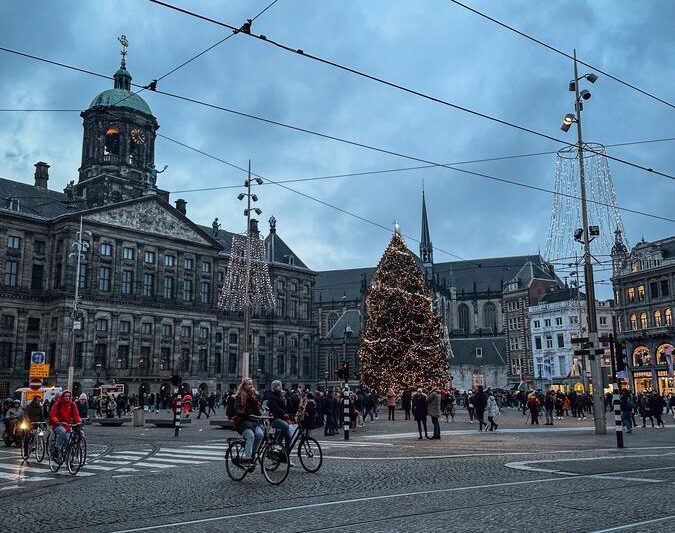
Dam Square
Dam Square is where Amsterdam began — literally. The 13th-century dam on the Amstel gave the city its name, and the square still anchors everything.
Explore the ViaTravelers atlas
58 results · Follow an idea, or refine your search below.
Dam Square is where Amsterdam began — literally. The 13th-century dam on the Amstel gave the city its name, and the square still anchors everything.

Perched atop a promontory, this former imperial retreat now bustles with intellectual discourse. Its stone walls, once privy to royal whispers, now echo with the voices of modern thinkers, all under the watchful gaze of the Mediterranean.
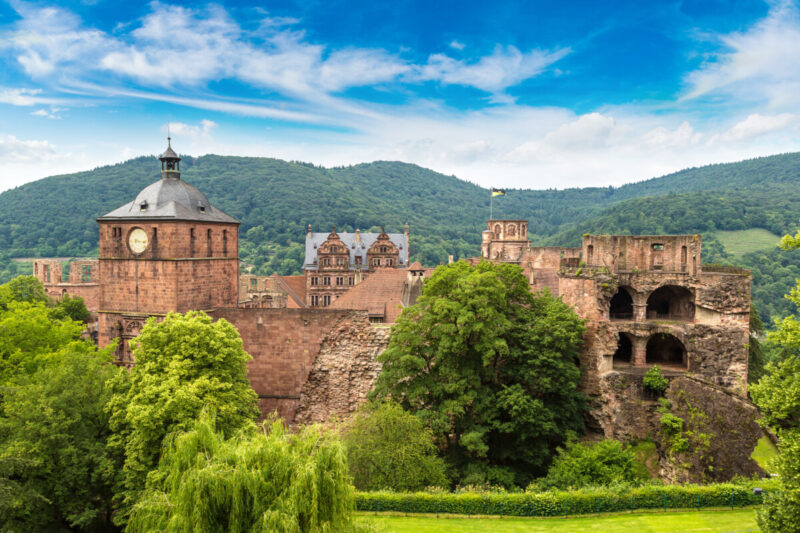
Heidelberg Castle stays ruined on purpose — and that choice makes it more powerful than any restored fortress in Germany.
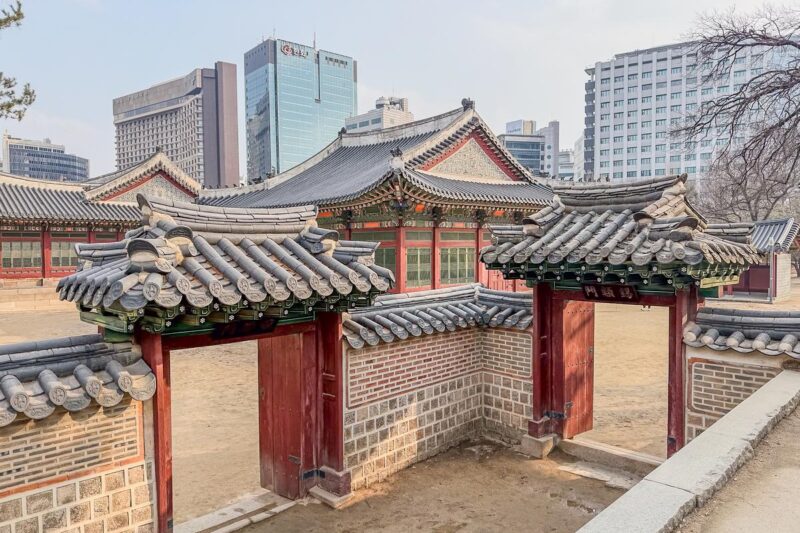
Gyeongbokgung took three hours and I still missed half of it. Go for the guard change, stay for Gyeonghoeru Pavilion.
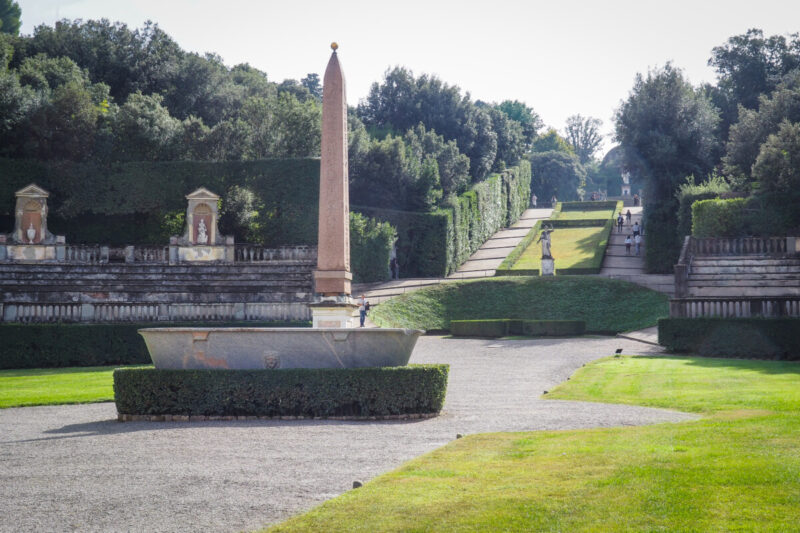
Boboli’s Grotta del Buontalenti alone justifies the entrance fee — the stalactites hide Michelangelo sculptures most visitors walk straight past.
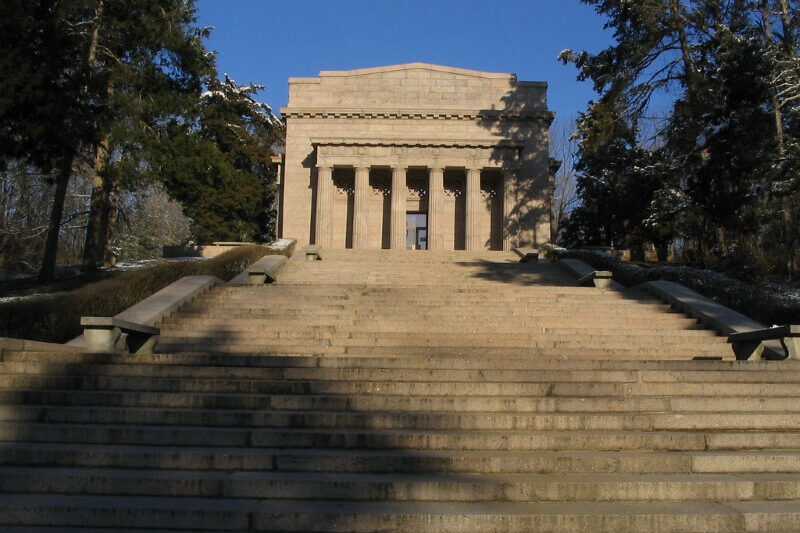
Touch Gregory’s golden toe near Split’s Golden Gate — the bishop who defied Rome for Croatian is worth two minutes of your itinerary.
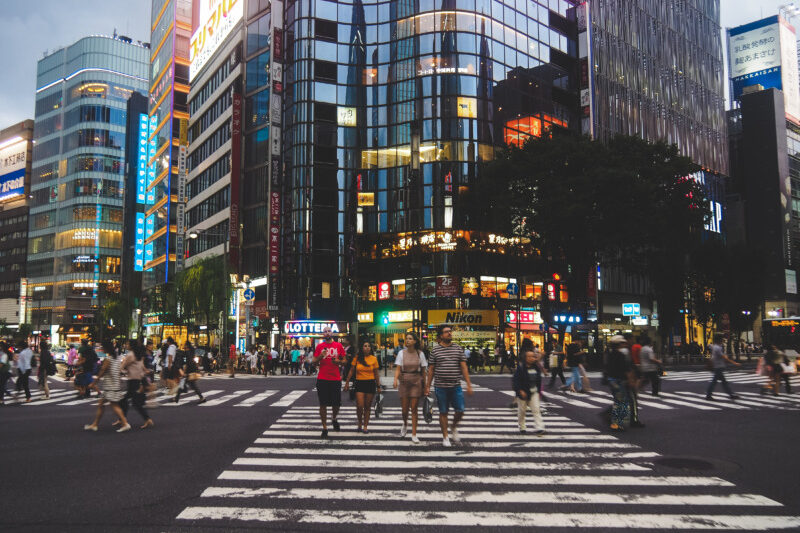

Tuschinski is the rare cinema where the building outshines the film. The main hall’s private boxes and hand-knotted carpets alone justify the ticket.
Deoksugung is the only royal palace in Seoul where a neoclassical stone hall sits steps from a Joseon throne room. That tension is the whole point.
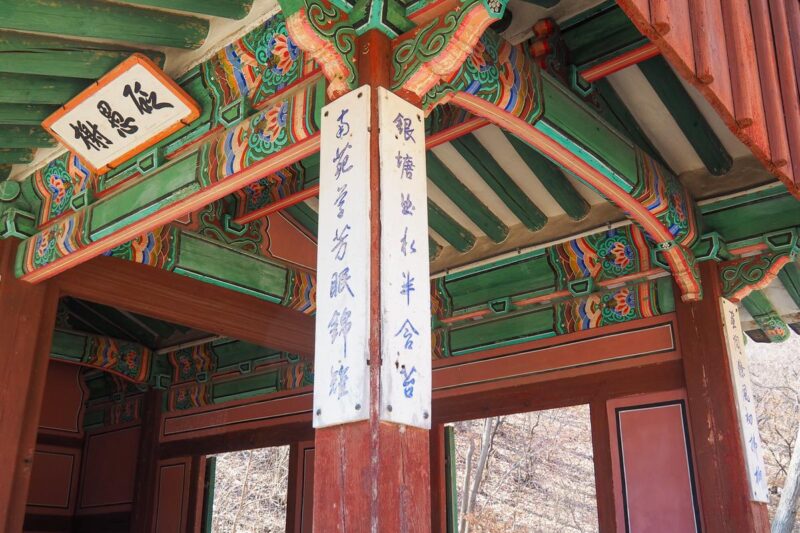
The Secret Garden reveals itself slowly — 78 acres of lotus ponds, 300-year-old trees, and royal pavilions tucked behind Changdeokgung Palace.
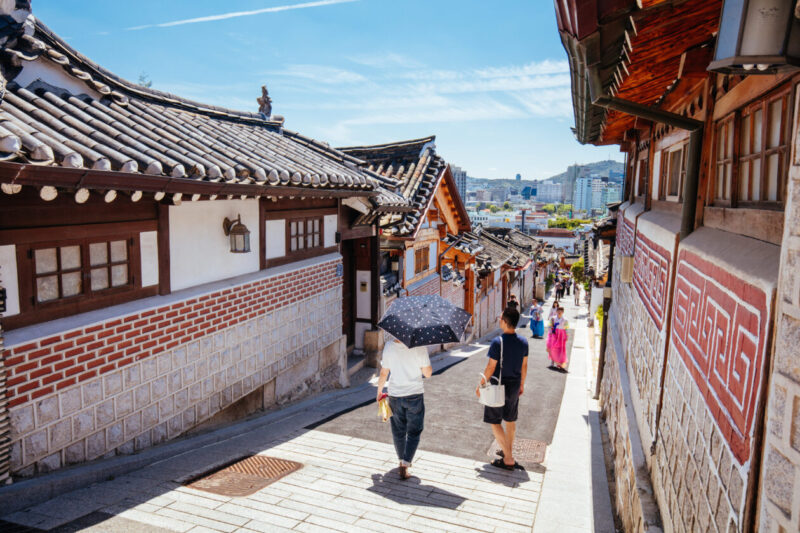
Bukchon is still a working neighborhood — locals actually live here, which makes wandering its alleys feel less like a tour and more like trespassing in the best way.
Changgyeonggung gets overlooked for Gyeongbokgung, but its residential scale and lotus pond make it the more human palace of Seoul’s five.