

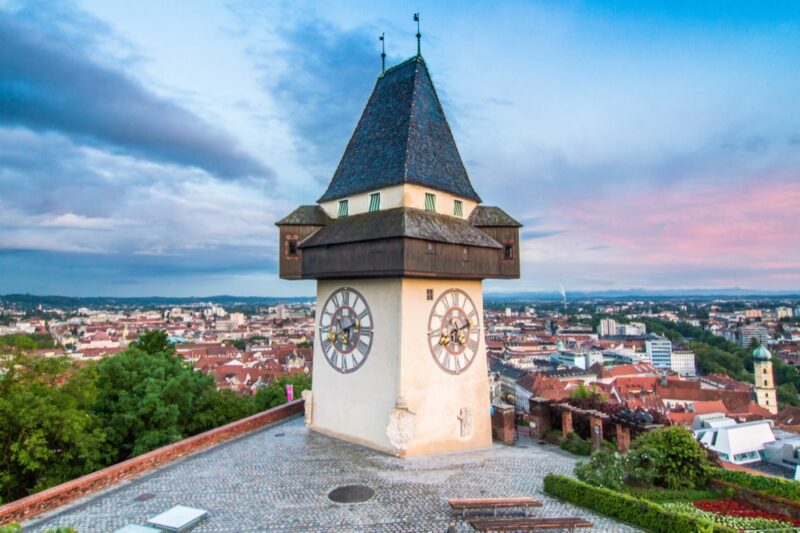
Graz
Graz is Austria’s second city with a UNESCO old town, a futuristic art museum floating on the Mur River, and none of Vienna’s tourist crowds.
Travel after retirement comes with real advantages — flexible dates, shoulder-season pricing, and the time to go slow. This archive focuses on comfortable, well-paced destinations, walkable itineraries, accessible accommodations, and trips that prioritize ease without sacrificing depth. Solo travel among older adults, especially women over 50, is now one of the fastest-growing segments in the industry.
Graz is Austria’s second city with a UNESCO old town, a futuristic art museum floating on the Mur River, and none of Vienna’s tourist crowds.
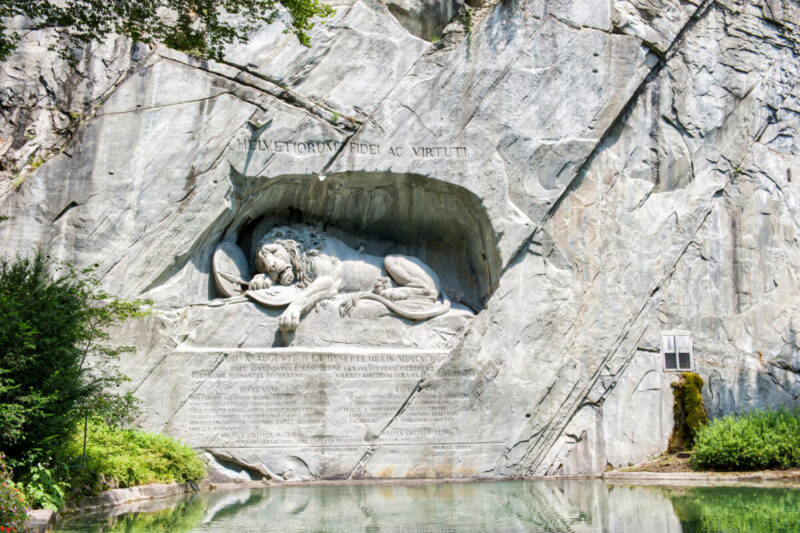

Colorado Springs has Garden of the Gods, Pikes Peak, and the Air Force Academy — a military-and-mountain city at 6,000 feet with Olympic-level ambitions.
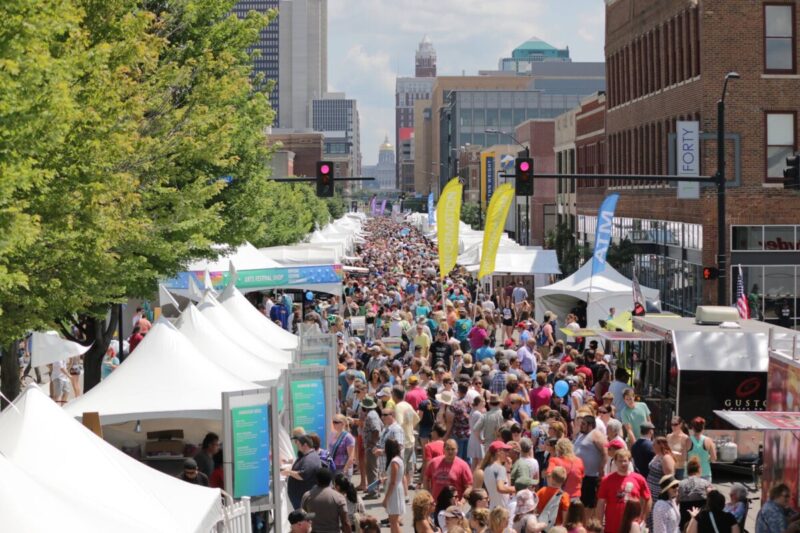
Des Moines is Iowa’s capital with a food scene that outgrows its reputation every year — plus a sculpture garden, craft breweries, and genuine Midwestern welcome.


Madison sits on an isthmus between two lakes with a farmers’ market circling the Capitol every Saturday — Wisconsin’s college-town capital at its best.


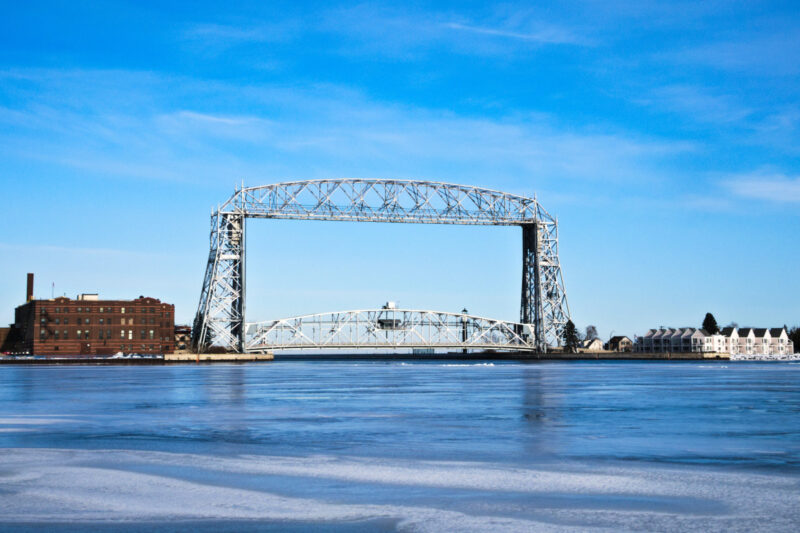

Avignon held the papacy for nearly a century and the Palais des Papes still dominates the skyline — a walled Provençal city where history is the main course.
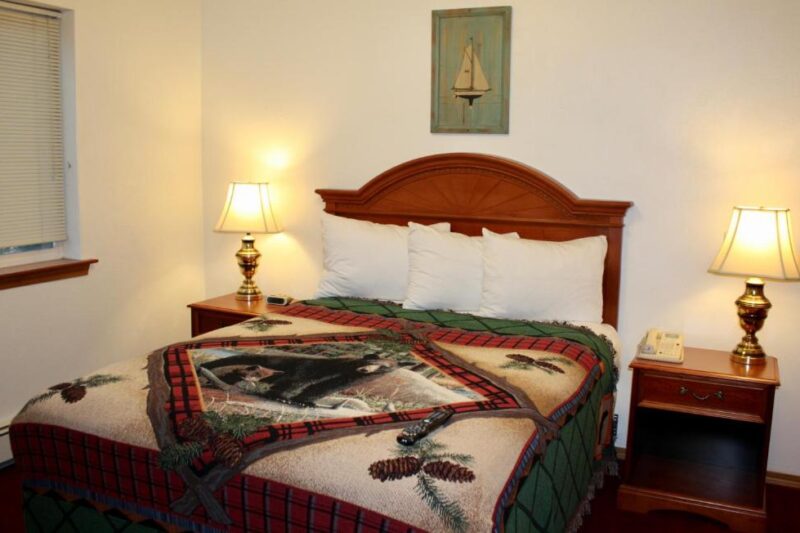
Juneau is the only US state capital unreachable by road — hemmed in by ice fields, rainforest, and a glacier you can walk to from downtown.
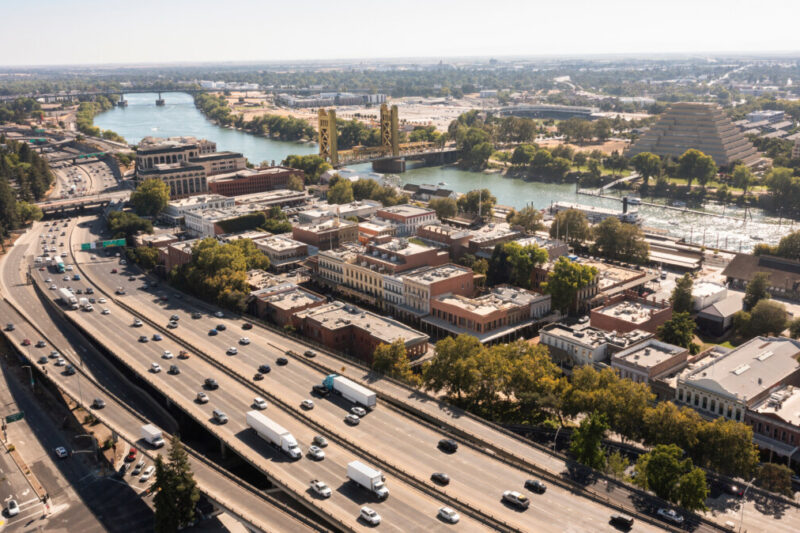
California’s capital trades beach culture for farm-to-fork dining, a gold rush history you can walk through, and a river scene that locals quietly protect.
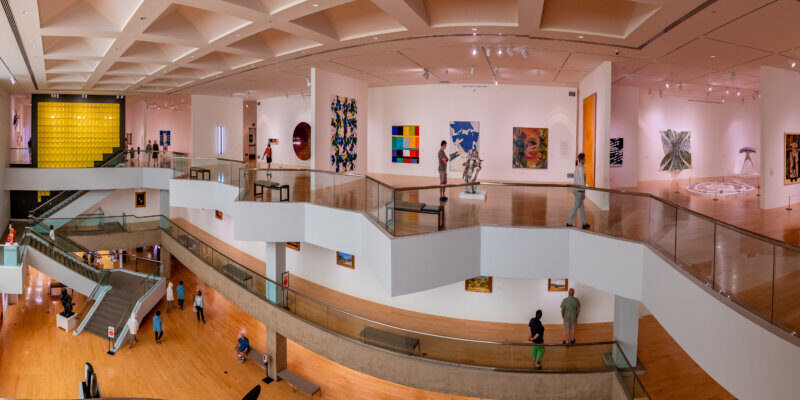
Palm Springs bakes under 350 days of sun with mid-century modern architecture, hot springs, and a desert calm that LA residents drive two hours to reach.
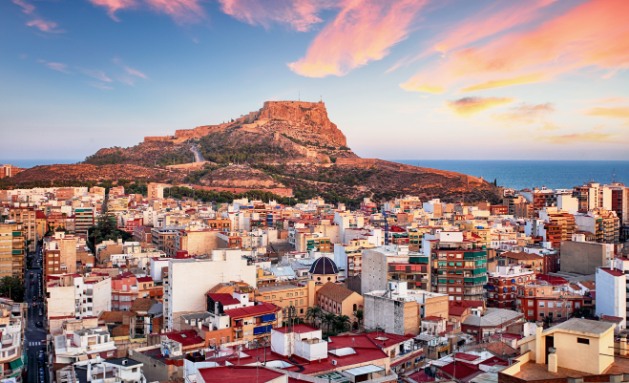
Santa Barbara sits on a rare south-facing stretch of California coast where the mountains drop straight to the beach. The wine country behind it seals the deal.

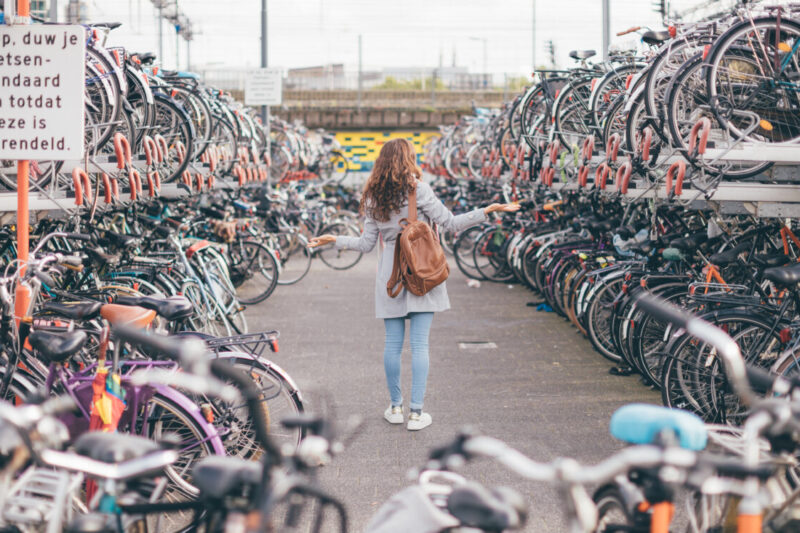
Eindhoven is where Philips started and the Dutch Design Week happens — an industrial city turned creative hub with more innovation per square meter than Amsterdam.

Frankfurt is “Mainhattan” — a banking skyline alongside medieval Römerberg square, apple wine taverns, and a riverfront that comes alive at sunset.
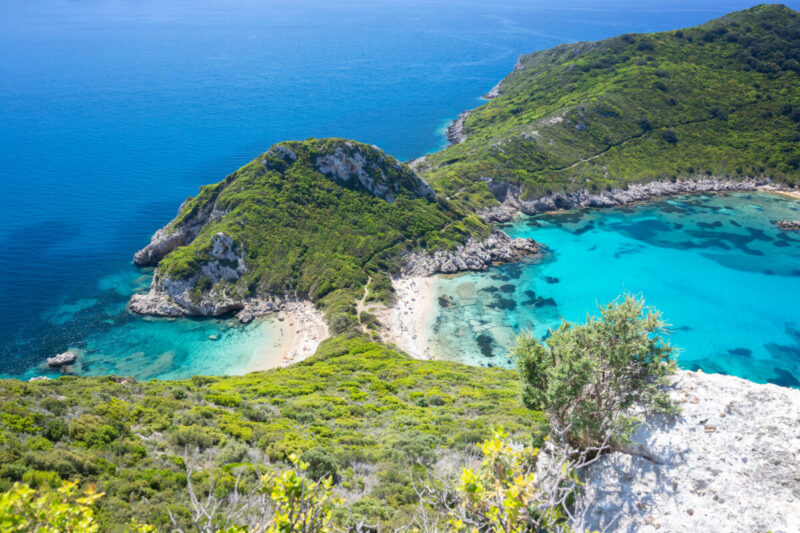
Porto lines the Douro River with port wine cellars, tiled facades, and a food scene that locals insist is better than Lisbon’s. They might be right.
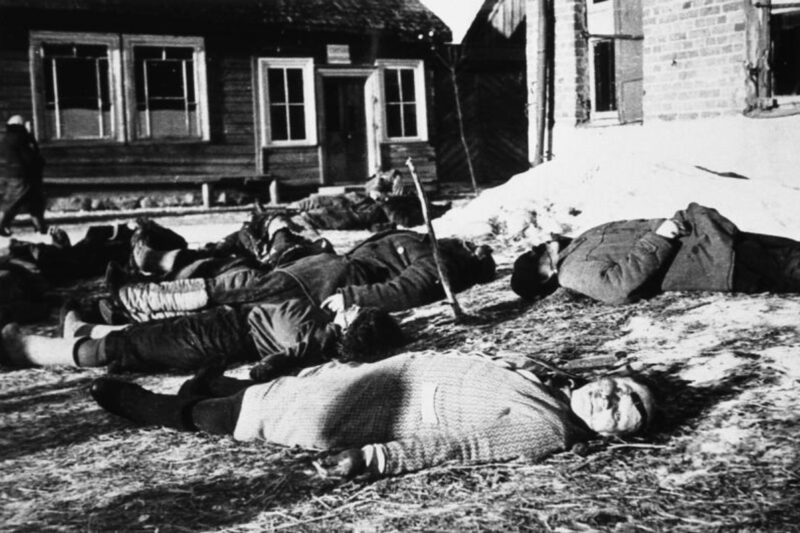
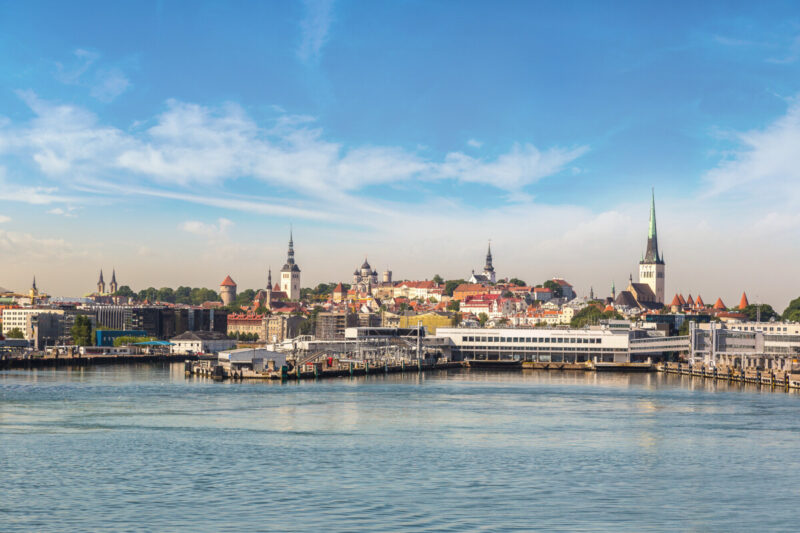
Tallinn has one of Europe’s most intact medieval old towns and simultaneously ranks as one of its most digitally advanced capitals. The contrast works.
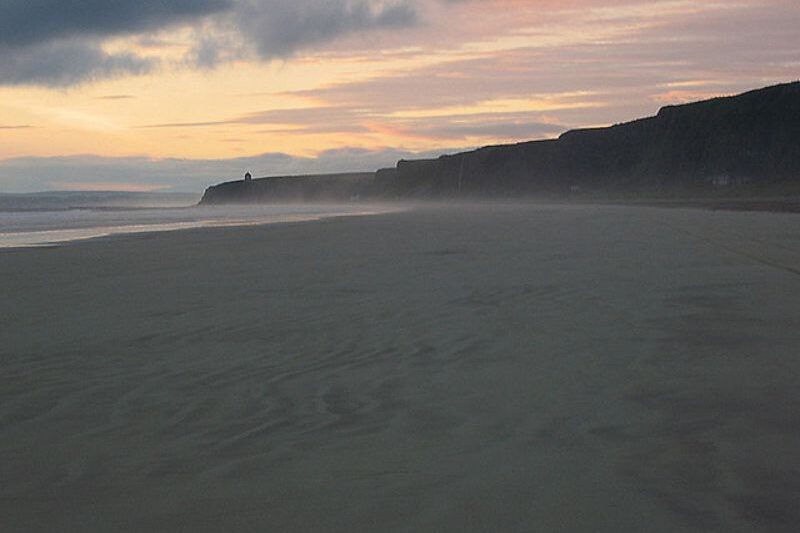
Dublin runs on literary history, live music in pubs that haven’t changed in decades, and a warmth from locals that makes every visitor feel expected.
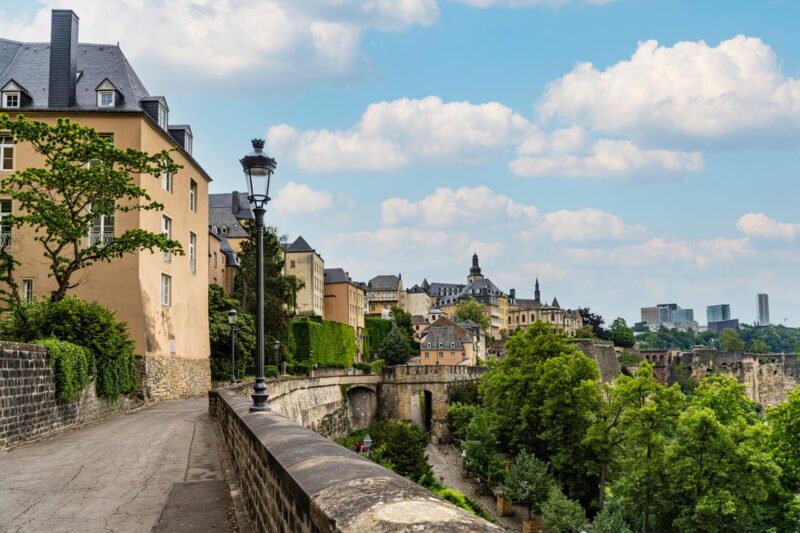
Luxembourg City packs medieval casemates, a dramatic gorge cutting through the center, and a multilingual culture into one of Europe’s smallest capitals.

Monaco fits extraordinary wealth into the world’s second-smallest country — the Grand Prix circuit doubles as city streets and the marina costs more than most neighborhoods.