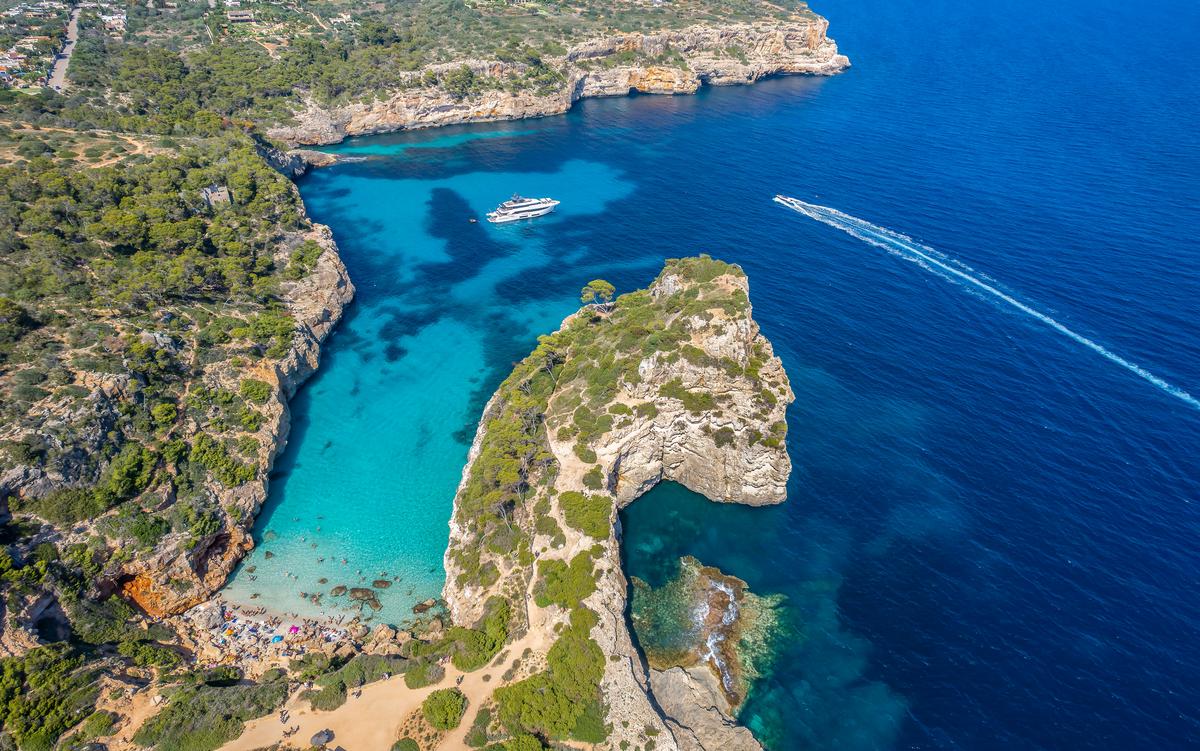
Seychelles
The Seychelles scatter 115 granite islands across the Indian Ocean with Anse Source d’Argent’s boulders, giant tortoises, and water that ranges from turquoise to transparent.
Beach-focused travel content — coastline rankings, swim conditions, beach club reviews, and quiet-cove alternatives across the Mediterranean, Caribbean, and Pacific.
The Seychelles scatter 115 granite islands across the Indian Ocean with Anse Source d’Argent’s boulders, giant tortoises, and water that ranges from turquoise to transparent.
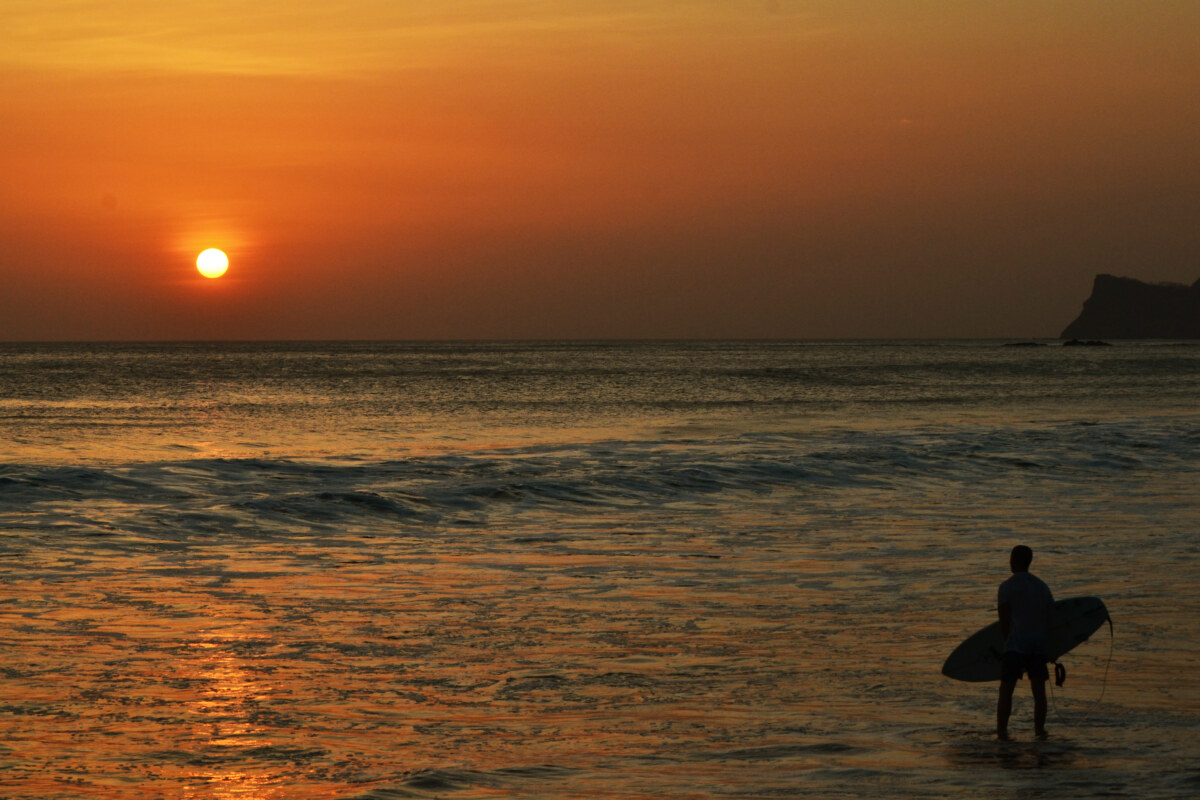
San Juan del Sur is Nicaragua’s Pacific surf town with a giant Christ statue overlooking the bay, consistent waves, and a Sunday Funday that defined Central American party culture.

Rio puts Christ the Redeemer on Corcovado, Sugarloaf over the harbor, and Copacabana at sea level — a city framed by granite peaks where the geography does the heavy lifting.

Punta Cana lines the Dominican Republic’s eastern tip with 30 miles of coconut-palm beaches, all-inclusives, and a Hoyo Azul cenote hidden in the jungle behind the resorts.
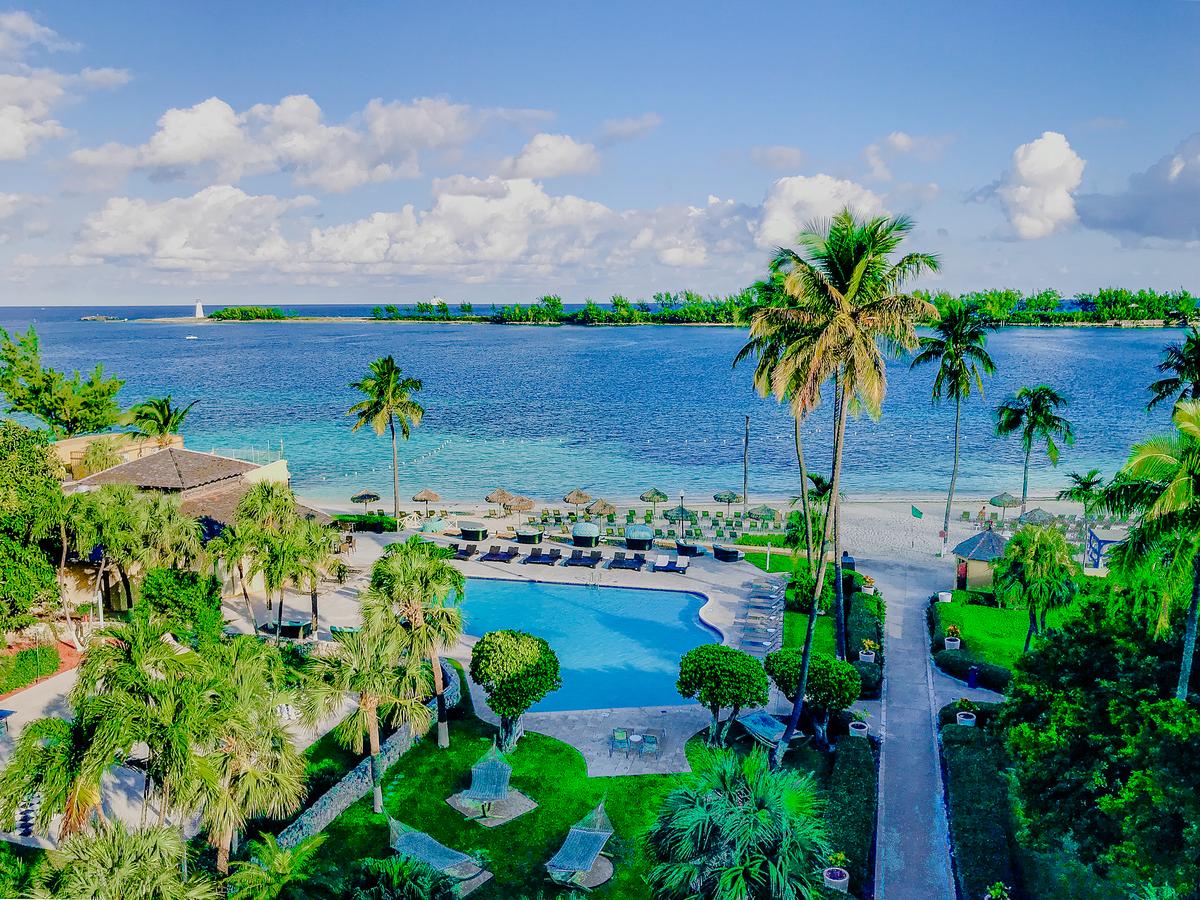

New Caledonia is a French territory in the South Pacific with the world’s largest lagoon, Kanak culture, and a Nouméa café scene that feels like Paris in the tropics.

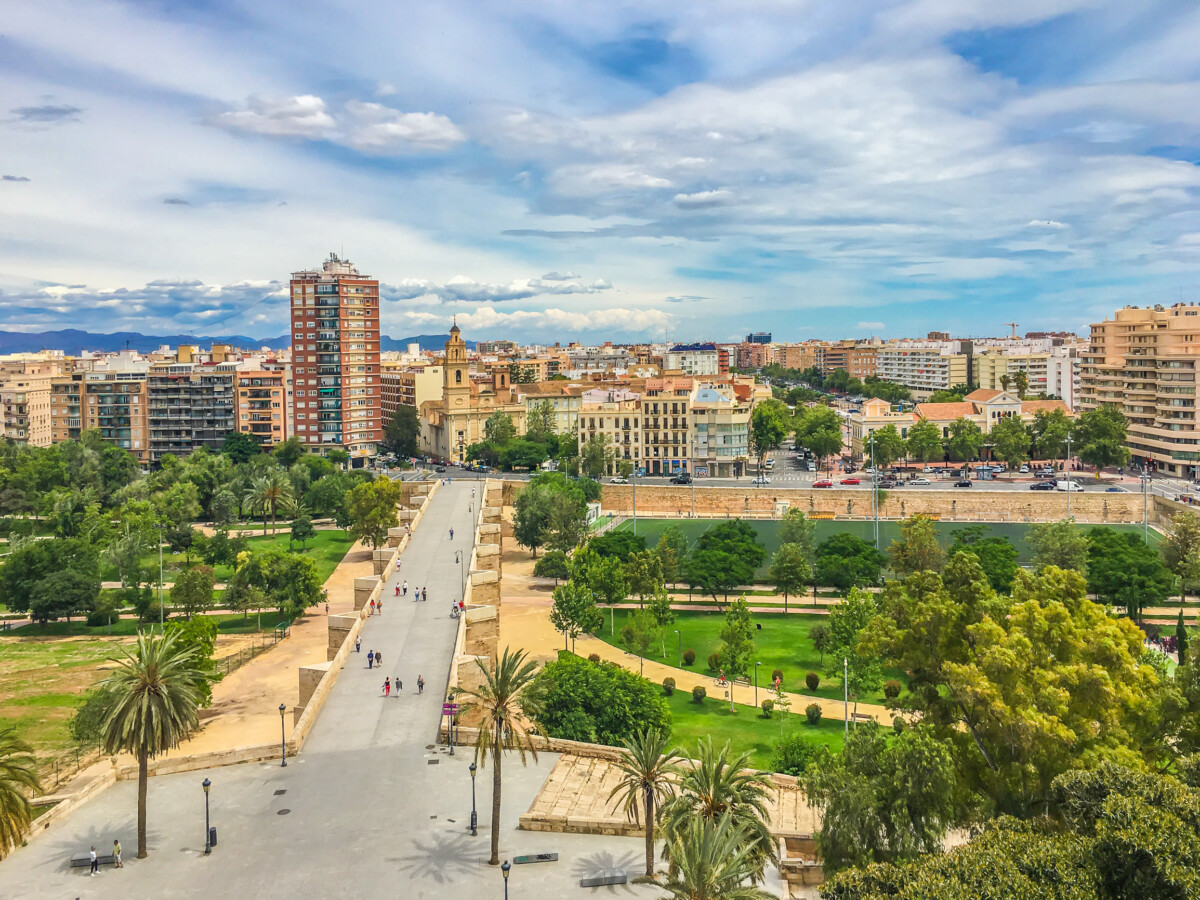
Valencia invented paella and transformed a dry riverbed into the City of Arts and Sciences — a Spanish Mediterranean city that finally gets the attention it earned.

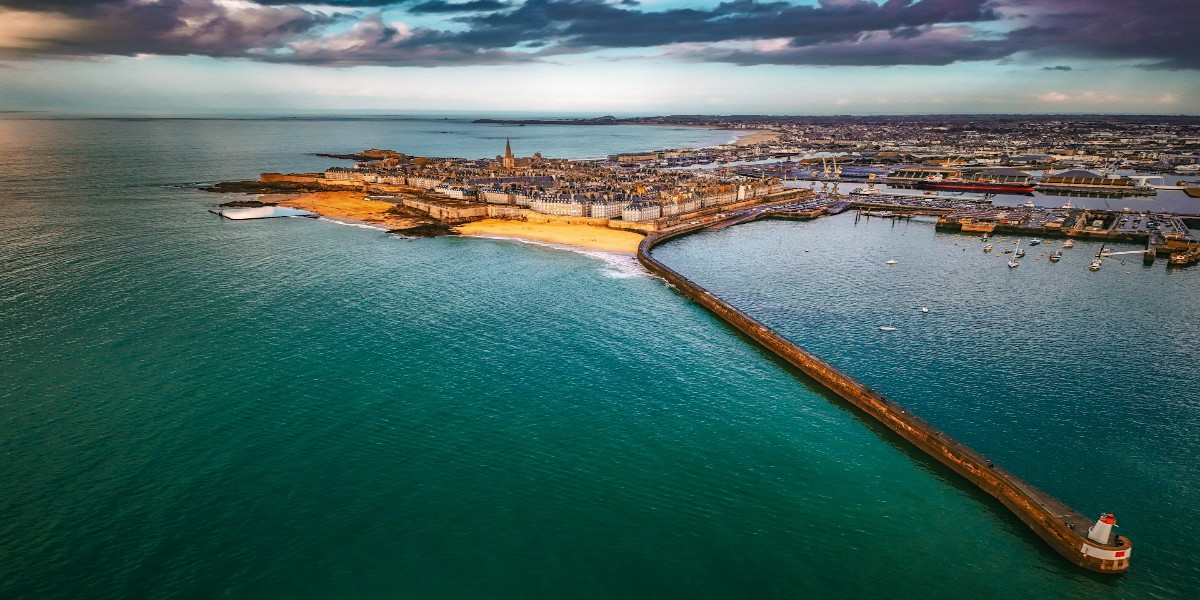
Saint-Malo is a walled Breton port city where the tides are among Europe’s largest — walk the ramparts at high tide and the beach appears at low, like clockwork.


Playa del Carmen is Cancún’s cooler sibling — Quinta Avenida for the evening stroll, cenotes for the morning swim, and Cozumel a ferry ride away.

Phi Phi’s Maya Bay (the one from The Beach) reopened with visitor caps — the limestone cliffs, snorkeling, and boat access make it Thailand’s most photogenic day trip.

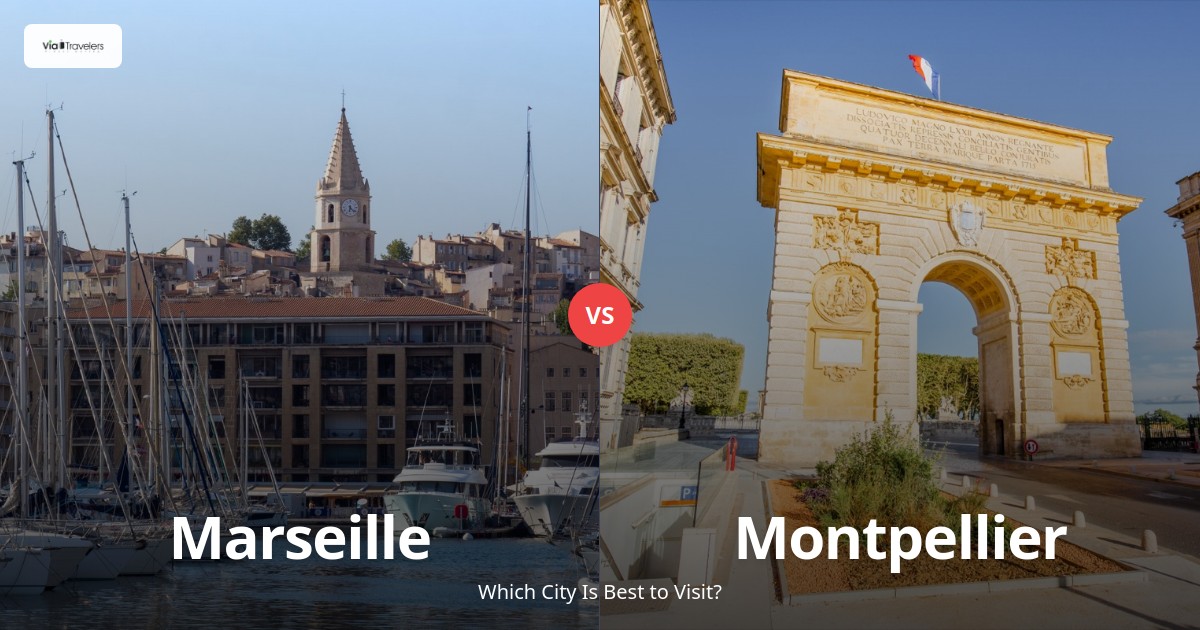
Montpellier is a French university city with one of the oldest medical schools in Europe, a tram-connected beach, and a Place de la Comédie that buzzes until late.


Messina is Sicily’s gateway across the strait from mainland Italy — a cathedral with an astronomical clock, a working port, and a base for exploring Taormina and Mount Etna.