
Drake Bay
Drake Bay is one of the few places left where you arrive by boat or plane and leave wondering why the rest of Costa Rica feels so crowded.
Scuba diving travel guides covering top dive sites, certification destinations, liveaboard reviews, and seasonal visibility data from the Red Sea to the Coral Triangle.
Drake Bay is one of the few places left where you arrive by boat or plane and leave wondering why the rest of Costa Rica feels so crowded.

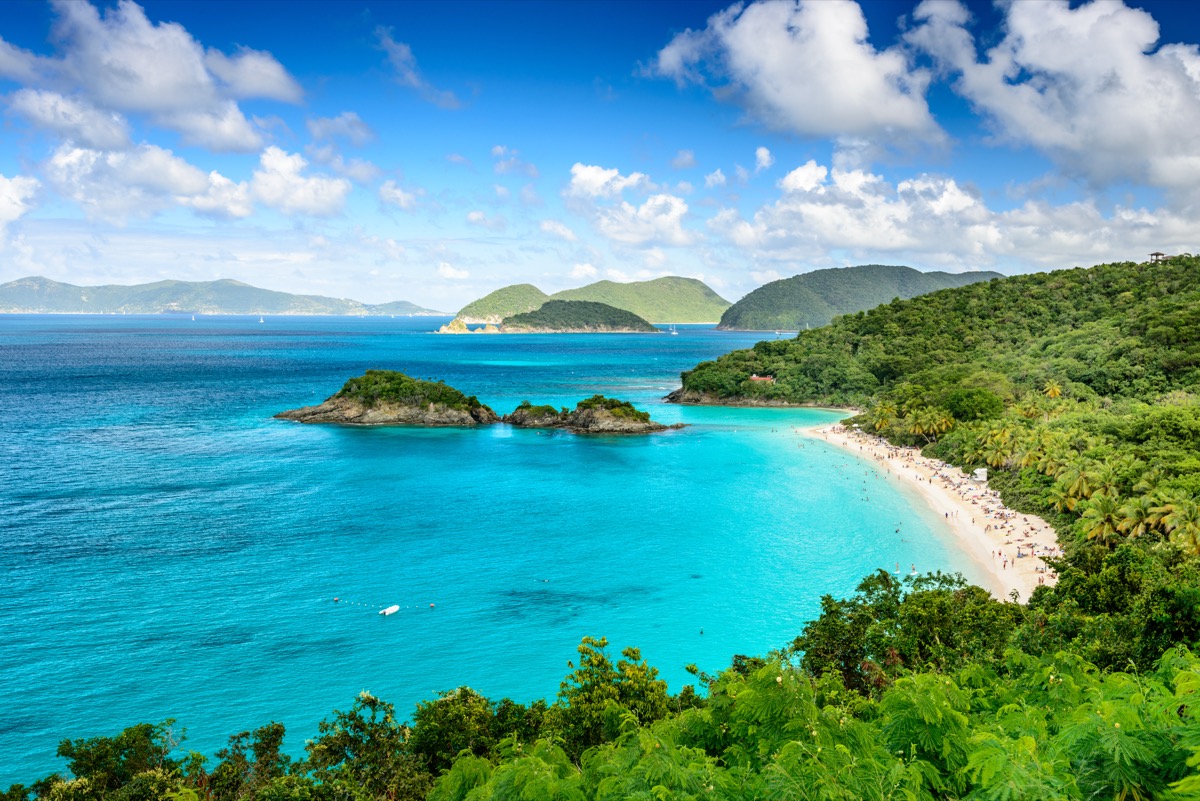
The Virgin Islands split between US and British territory with trunk bay snorkeling, Tortola’s sailing, and a Caribbean pace where flip-flops count as formal wear.

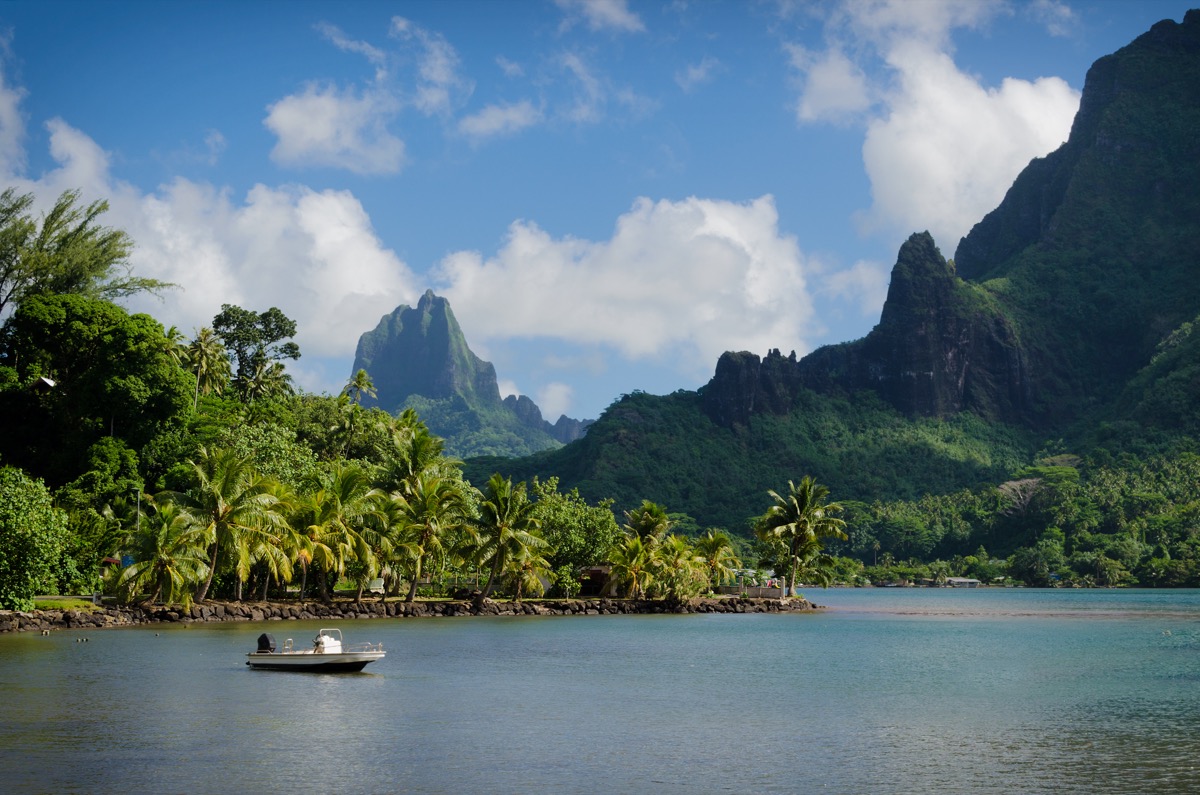

Zanzibar’s Stone Town is a UNESCO maze of carved doors and spice-scented alleys — the beaches on the east coast are the postcard, but the history is the reason to go.
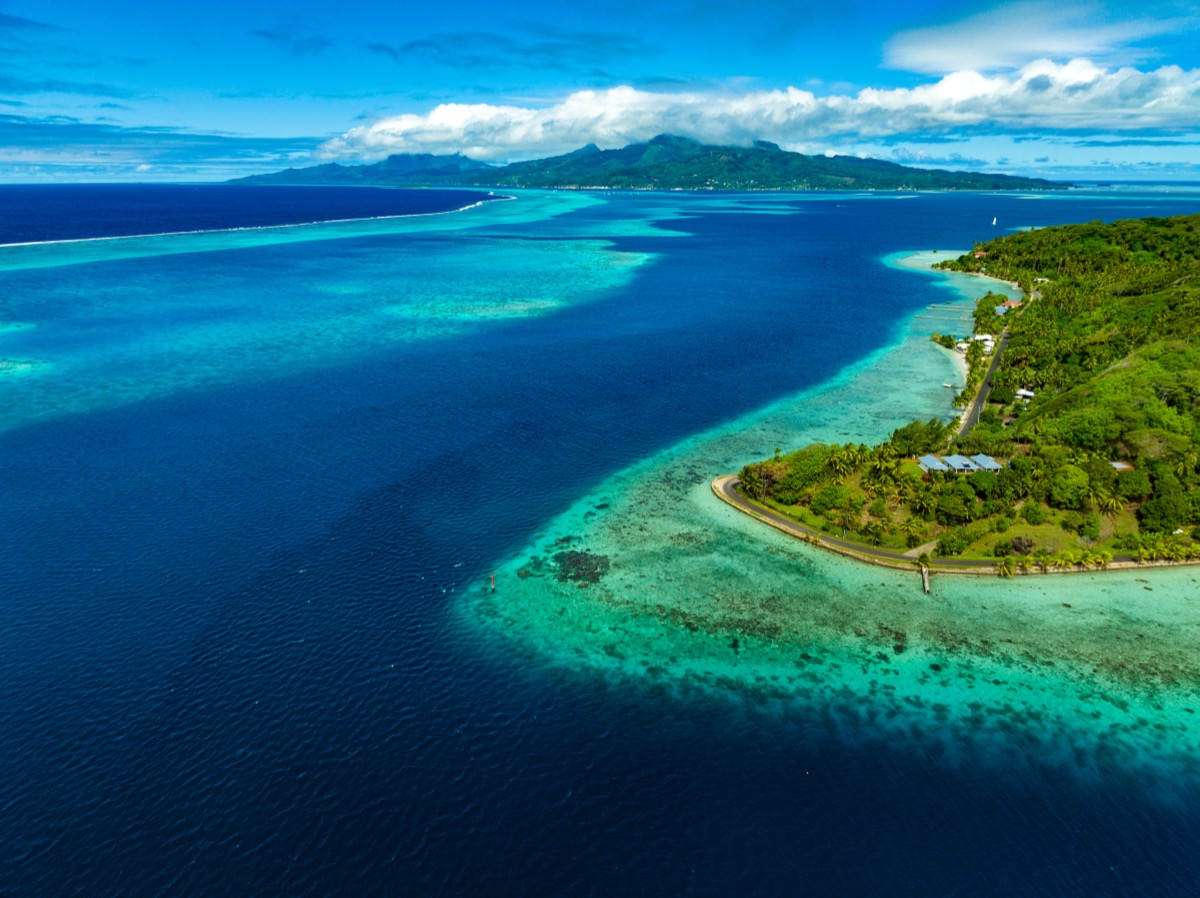

The Seychelles scatter 115 granite islands across the Indian Ocean with Anse Source d’Argent’s boulders, giant tortoises, and water that ranges from turquoise to transparent.

Punta Cana lines the Dominican Republic’s eastern tip with 30 miles of coconut-palm beaches, all-inclusives, and a Hoyo Azul cenote hidden in the jungle behind the resorts.
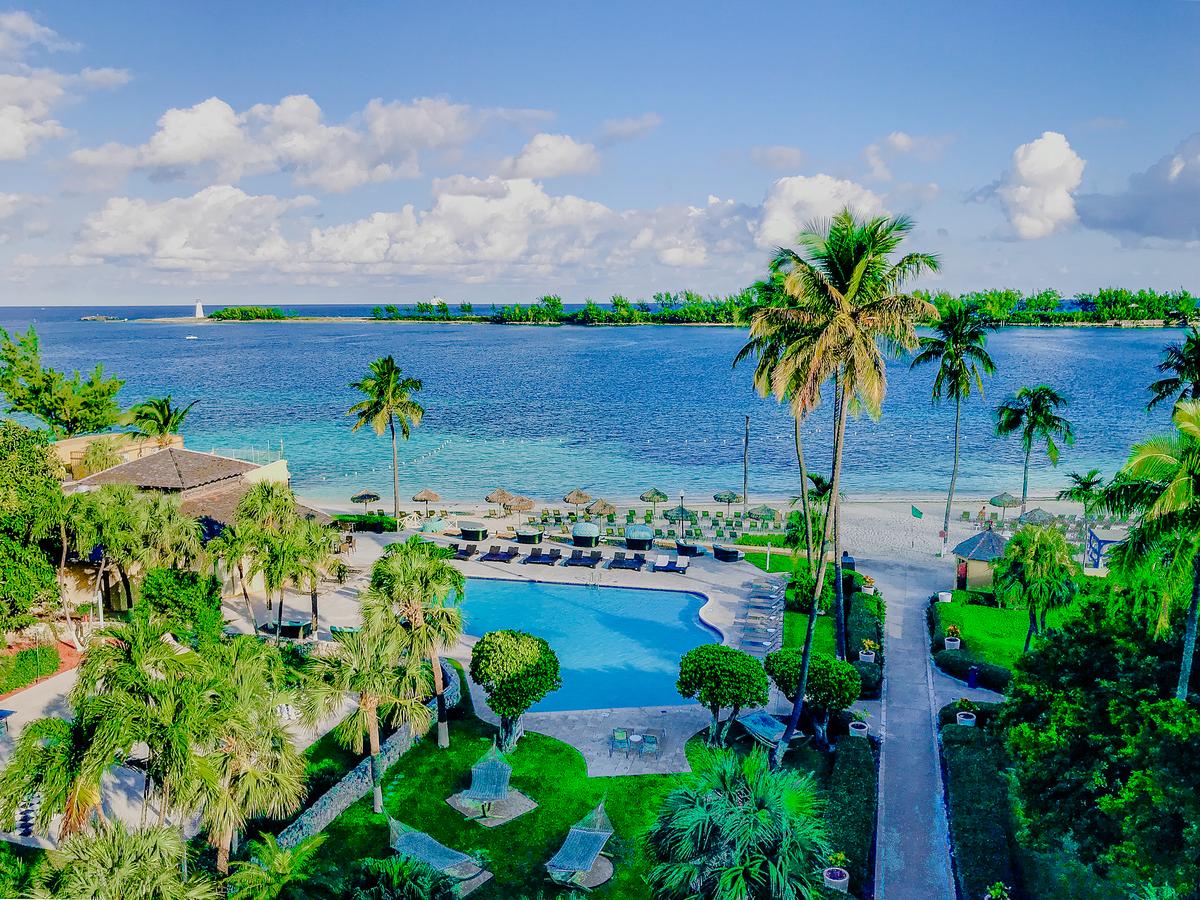

New Caledonia is a French territory in the South Pacific with the world’s largest lagoon, Kanak culture, and a Nouméa café scene that feels like Paris in the tropics.


Playa del Carmen is Cancún’s cooler sibling — Quinta Avenida for the evening stroll, cenotes for the morning swim, and Cozumel a ferry ride away.

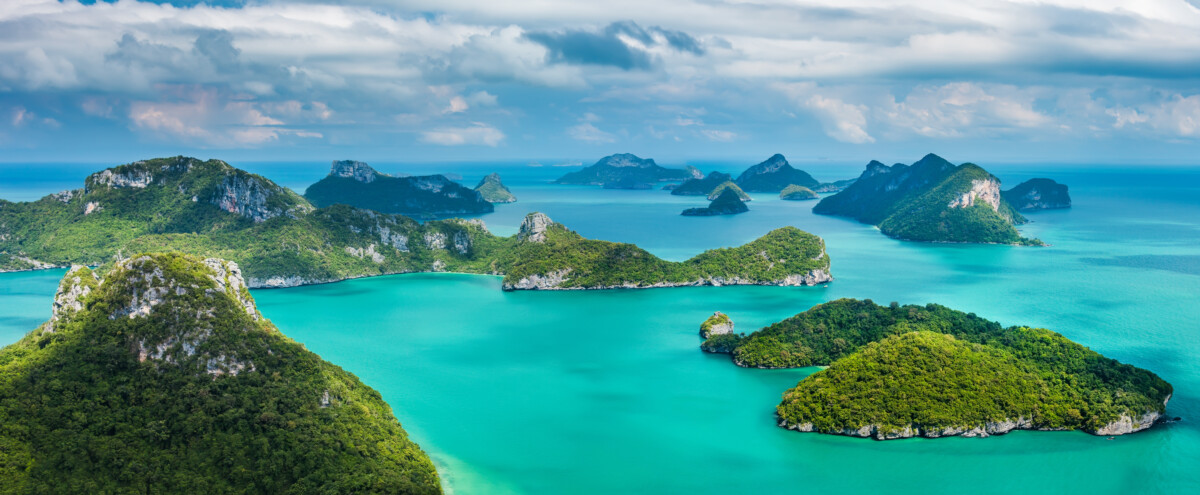
Phi Phi’s Maya Bay (the one from The Beach) reopened with visitor caps — the limestone cliffs, snorkeling, and boat access make it Thailand’s most photogenic day trip.



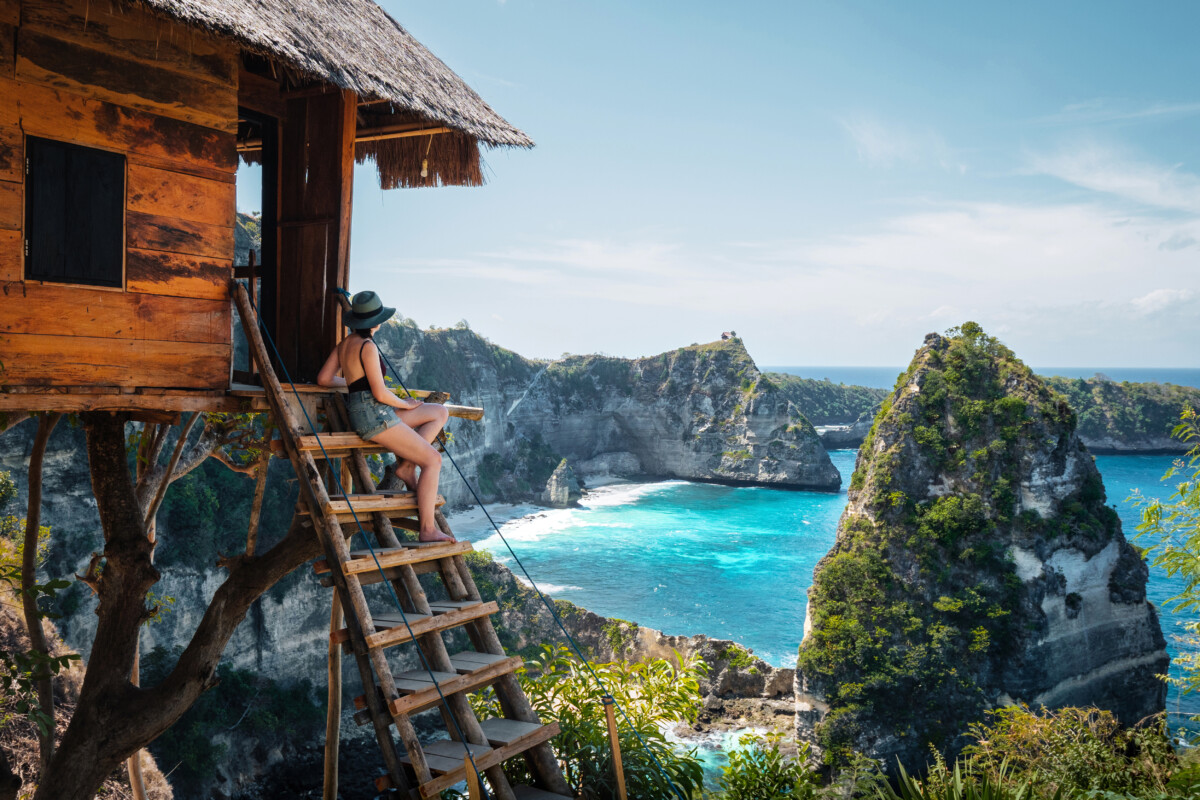
Nusa Penida’s Kelingking Beach looks like a T-Rex cliff diving into turquoise water — the Instagram photos are real, and the road to get there is an adventure itself.

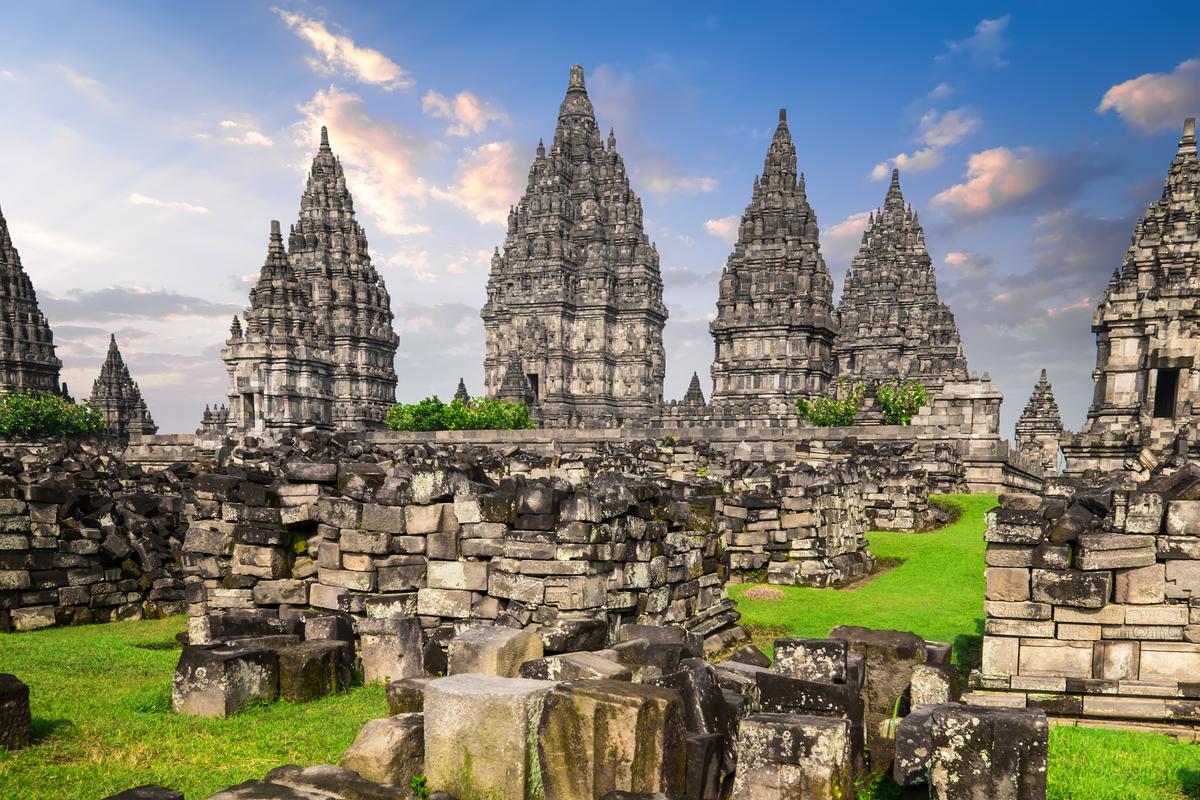
Nusa Lembongan is the Bali escape from Bali — a small island off the southeast coast with clearer water, fewer crowds, and a pace that resets your clock.

Europe historic cities are slowly suffocating under toxic air pollution that threatens both ancient monuments and human health. This deep dive reveals shocking air quality data and innovative preservation strategies protecting cultural treasures.