
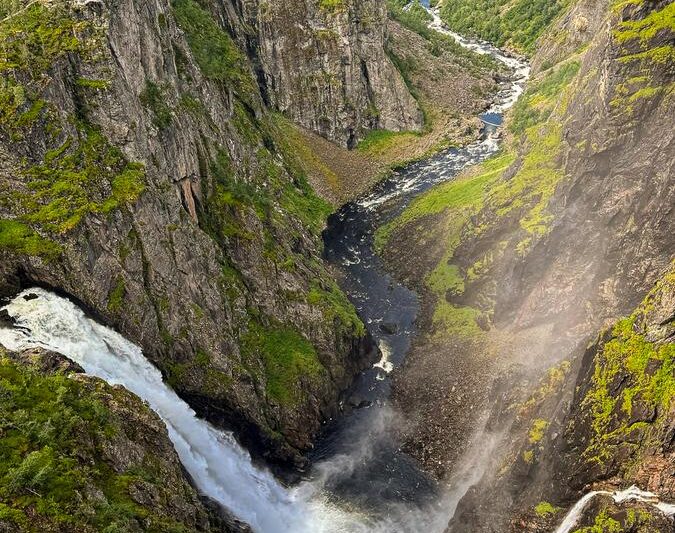
Safossen Waterfall
Safossen drops 365 meters in five steps along the E134 — 6 kilometers before Låtefossen and a fraction of the crowds.
Hand-picked historical landmarks, cultural hotspots, scenic lookouts, and authentic local spots across the globe.
Safossen drops 365 meters in five steps along the E134 — 6 kilometers before Låtefossen and a fraction of the crowds.

A gas storage tank from 1885 shouldn’t be this good a concert venue. The steel dome alone makes it worth adding Westerpark to your Amsterdam itinerary.
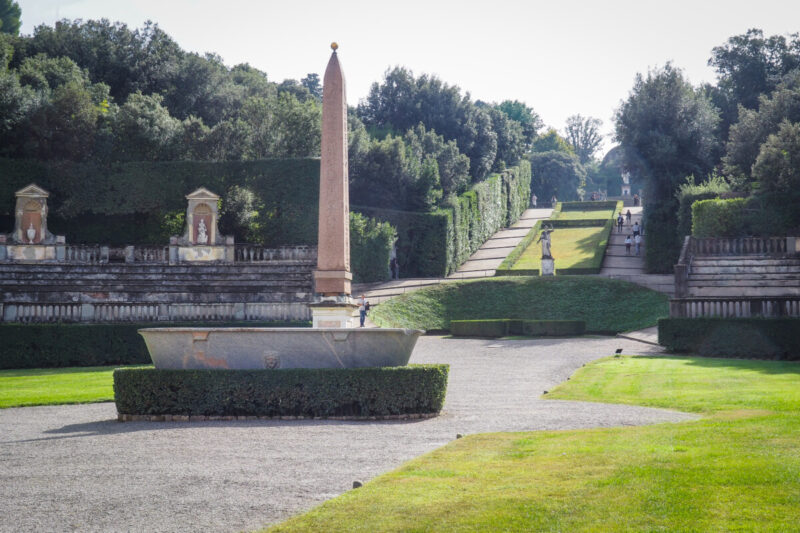
Boboli’s Grotta del Buontalenti alone justifies the entrance fee — the stalactites hide Michelangelo sculptures most visitors walk straight past.
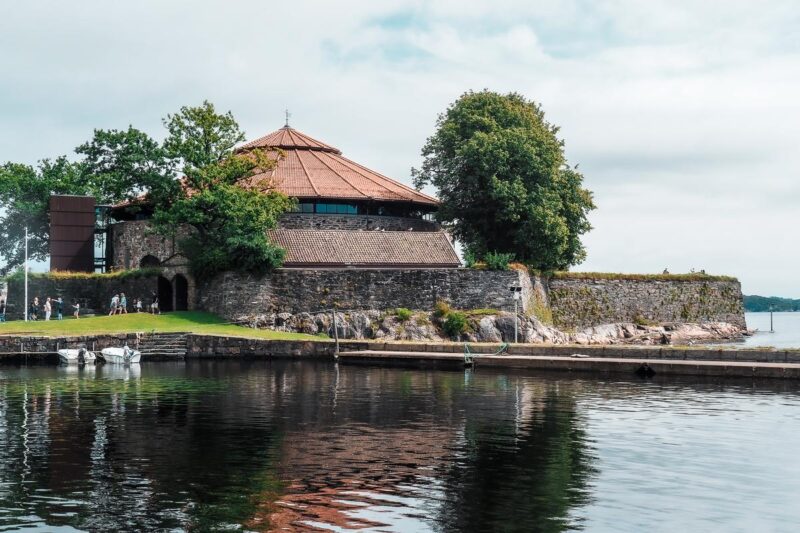
Christiansholm’s walls are 4.5 meters thick, never fired a shot in battle, and still stand nearly perfect after 350 years.
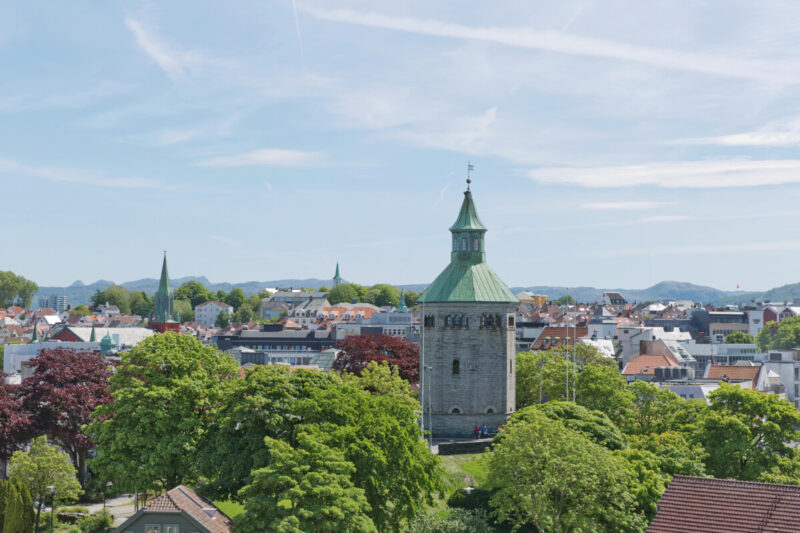
Valberget’s 1853 fire watch tower gives you Stavanger’s old town, the harbor, and North Sea oil platforms — all from one hilltop.
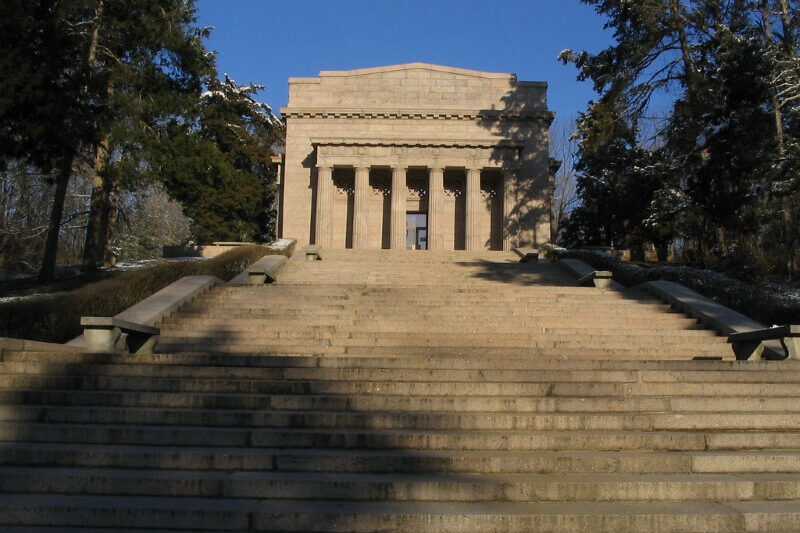
Touch Gregory’s golden toe near Split’s Golden Gate — the bishop who defied Rome for Croatian is worth two minutes of your itinerary.
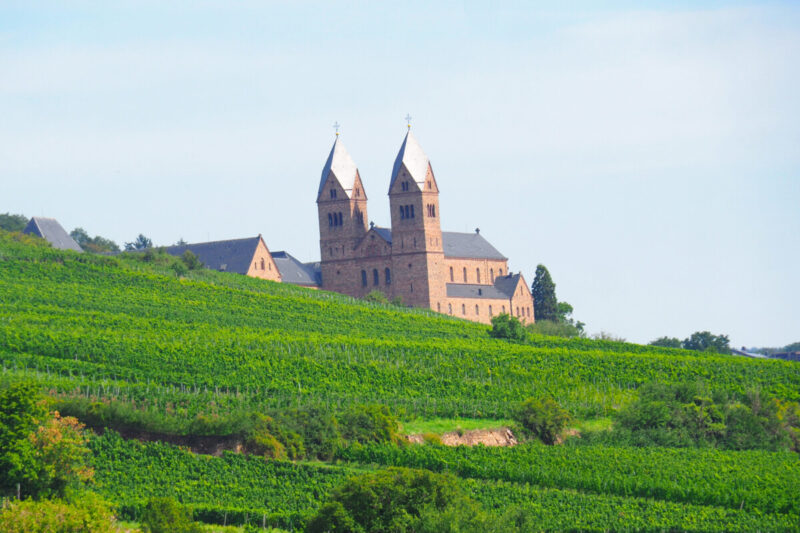
Founded in 598 AD, St Augustine’s Abbey outlasted kings, survived the Dissolution, and still tells England’s Christian origin story better than any textbook.
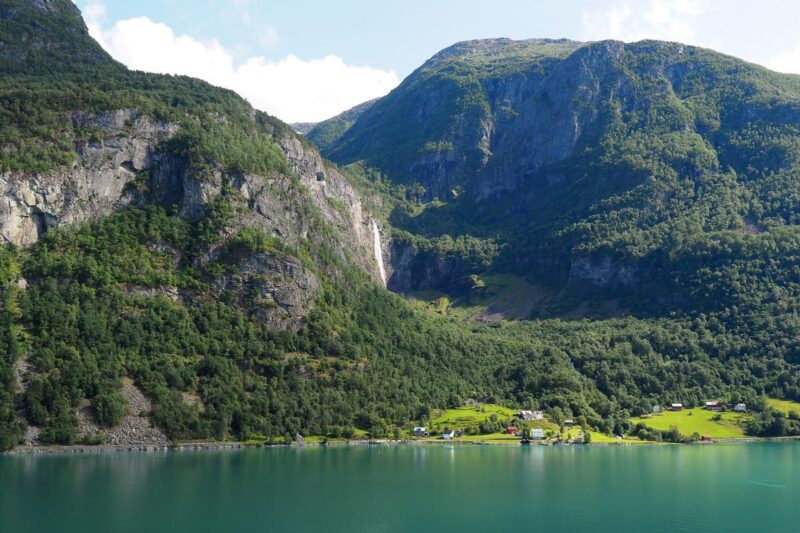
At 218 meters, Feigumfossen drops in one unbroken ribbon — and somehow most Norway itineraries still skip it for Sognefjord.

La Bonne Mère watches over all of Marseille from 162 meters up. The ex-votos inside tell better stories than any museum.
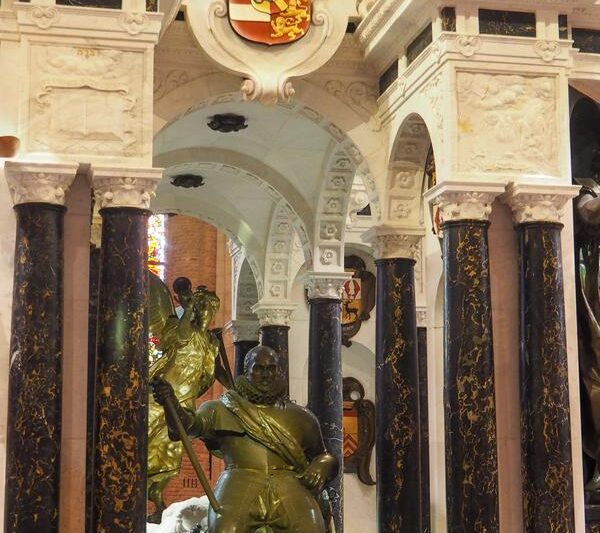
William of Orange is buried here, beneath a marble tomb that helped make Delft the burial ground of Dutch royalty. The 376-step tower climb seals it.
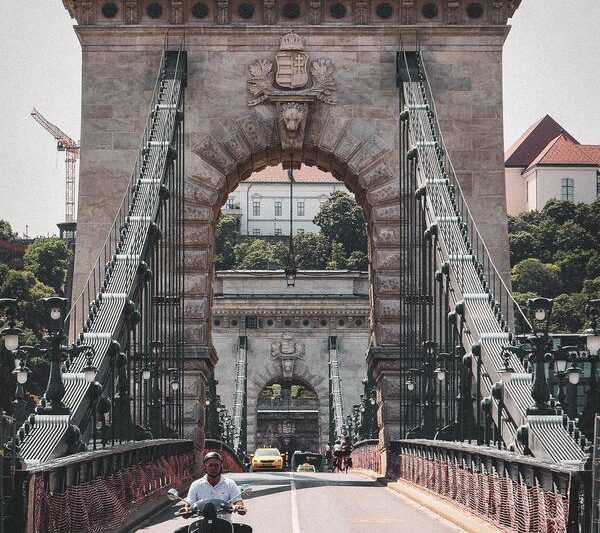
The lions have no tongues — Budapest’s favorite myth. The Chain Bridge at night, lit up over the Danube, is the real reason you linger.
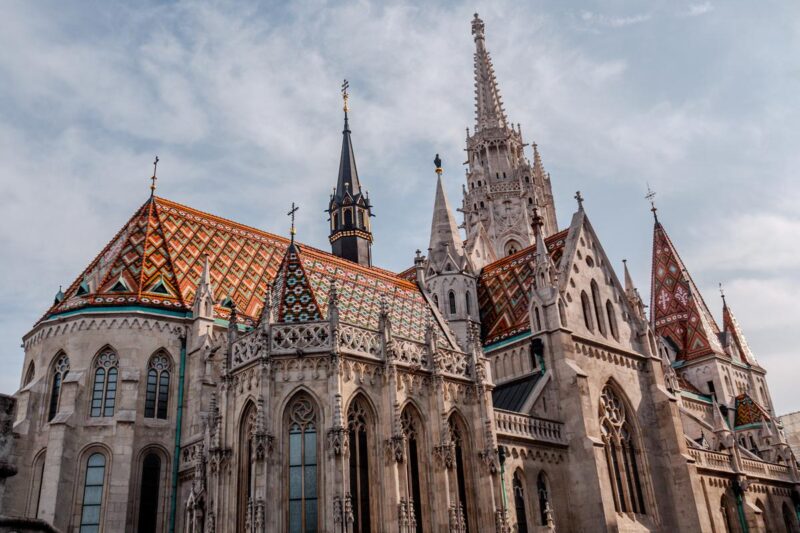
Matthias Church has been a coronation hall, a mosque, and a Neo-Gothic canvas — every era left its mark on the walls.
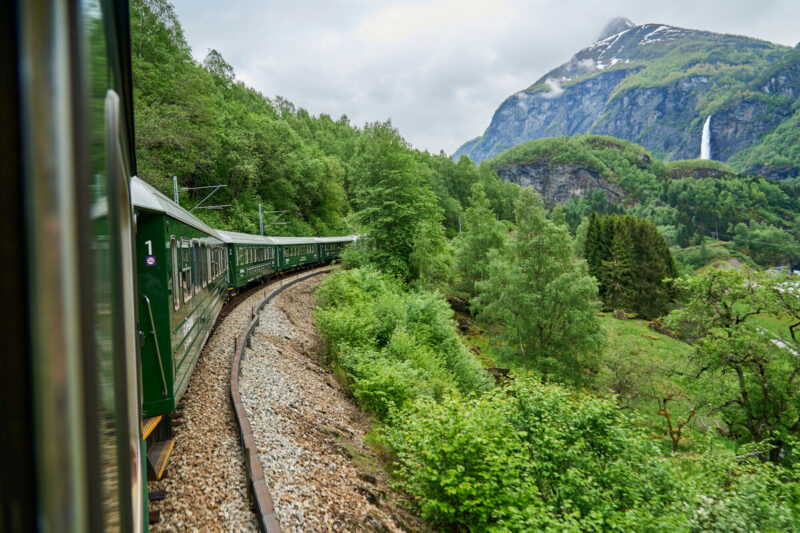
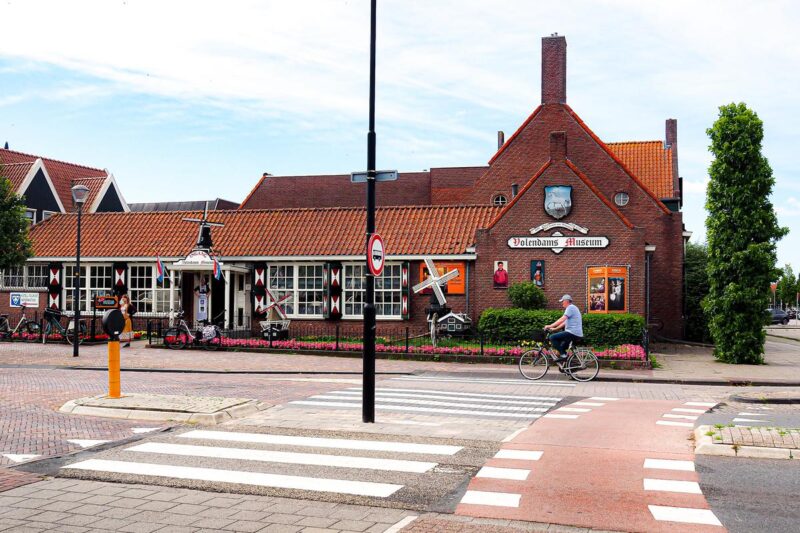
Standing inside Mesdag’s 1881 panorama feels like stepping into the painting — 14m high, 120m around, and genuinely disorienting.
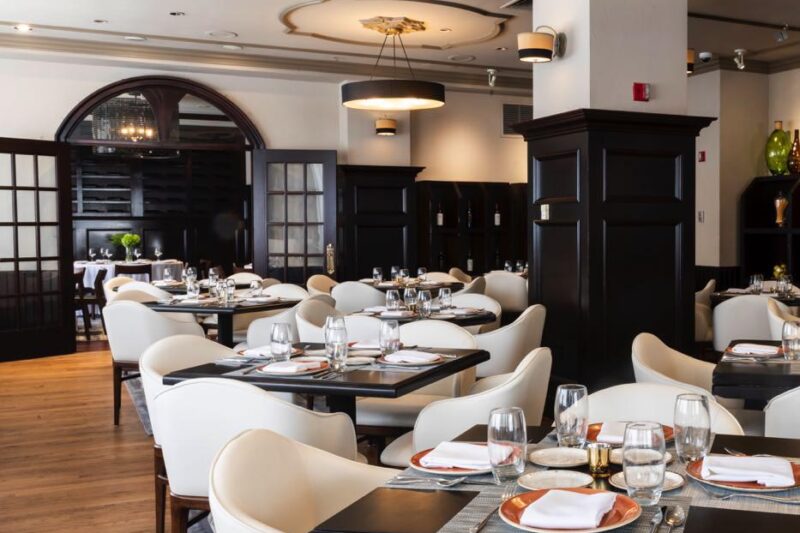
Bryggjehuset sits in a historic wharf building on the Geiranger waterfront — the name literally means ‘The Wharf House,’ and it still feels like one.
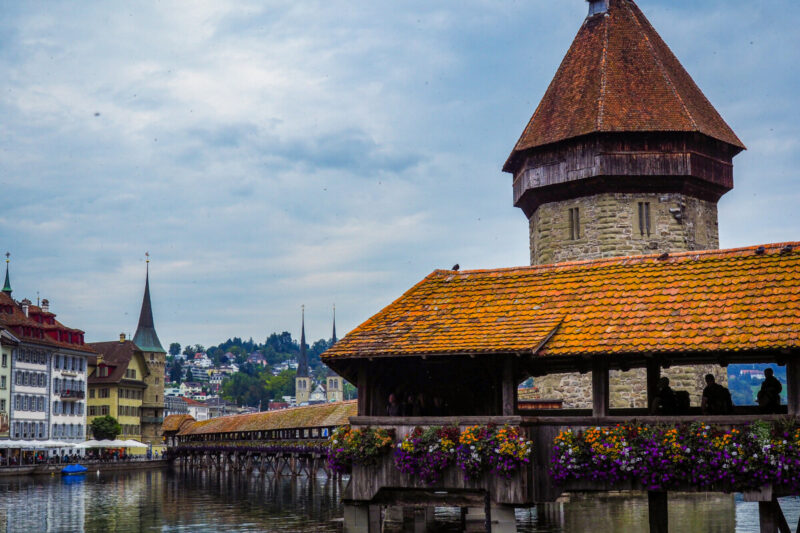
Most people cross Kapellbrücke in five minutes. Slow down — the 17th-century painted panels overhead tell Lucerne’s entire history.
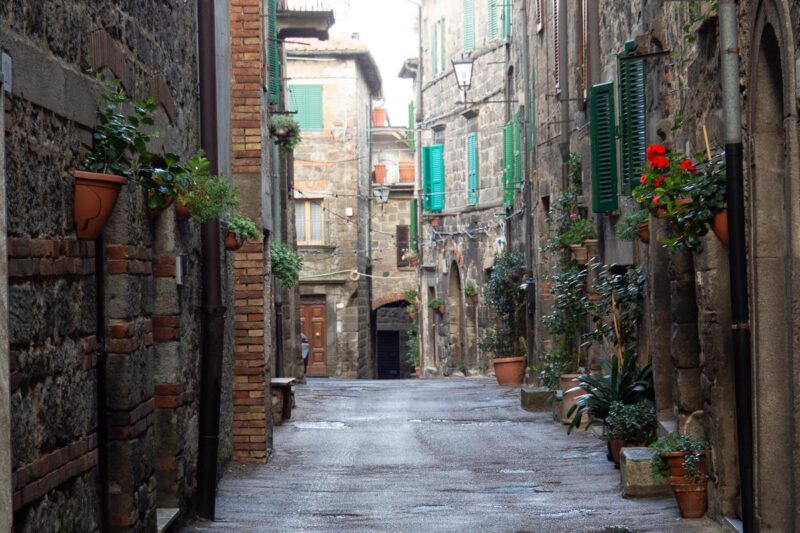
Le Panier sat above the Old Port for 2,600 years — Greek agora, Nazi demolition attempts, and now the best street art in southern France.
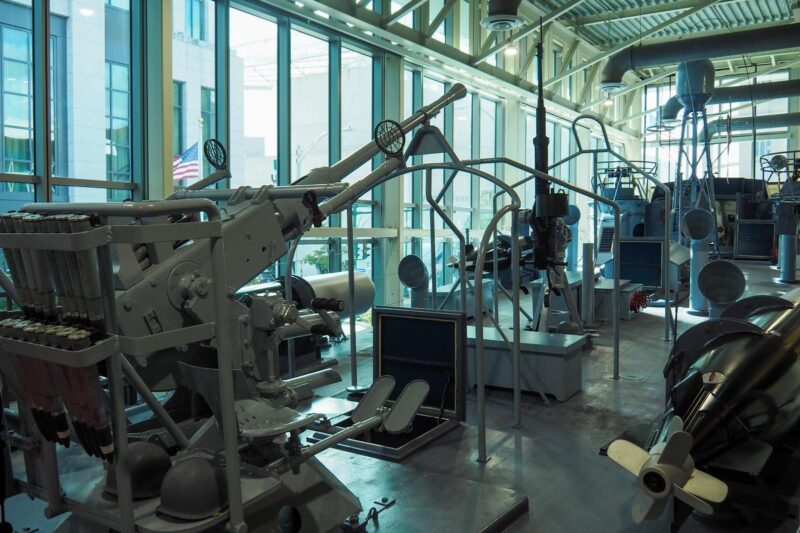
Grande-Île is where Roman street grids survived medieval builders — and somehow still guide foot traffic today.
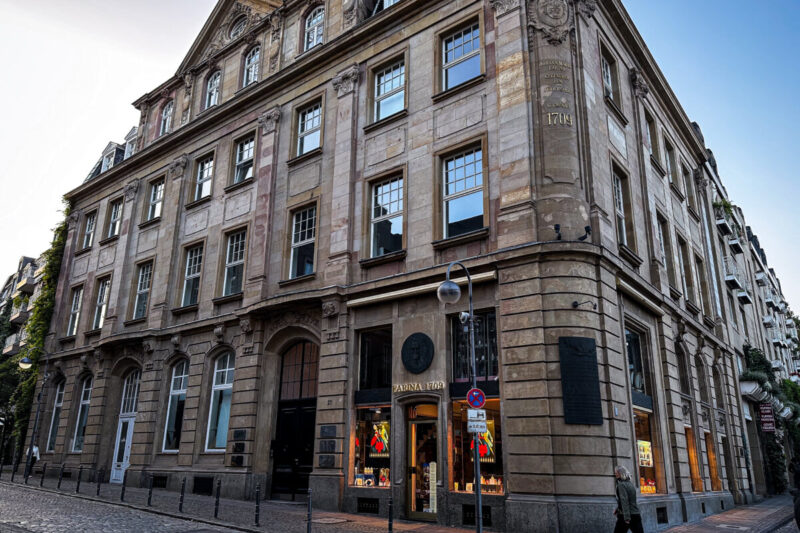
€3.50 gets you into a real medical school’s collection — antique surgical tools, anatomical models, and centuries of French medicine in one small room.
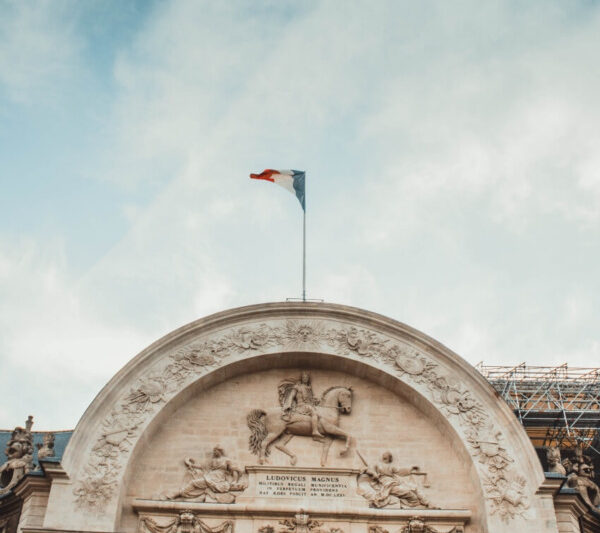
Napoleon’s tomb alone justifies the entry fee — but the medieval armor halls upstairs are what most visitors walk past too fast.
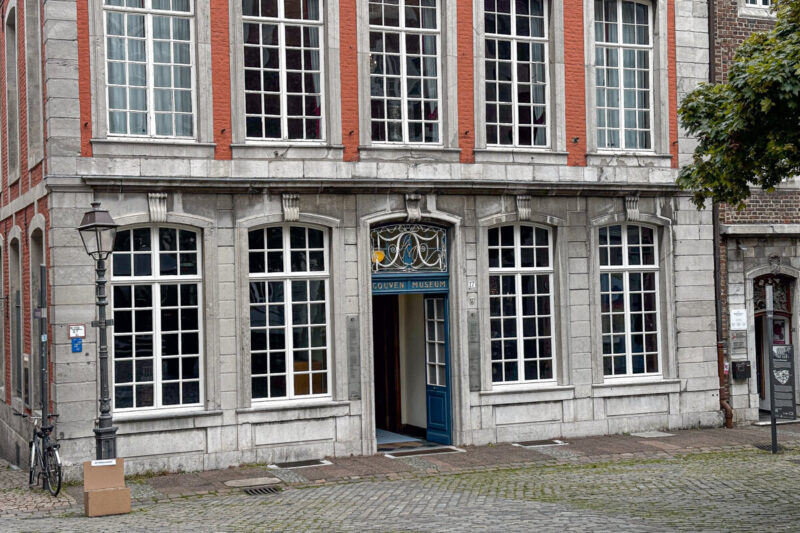
Musée d’Ennery is one of Paris’s most personal collections — a private obsession made public, frozen in the 1880s.
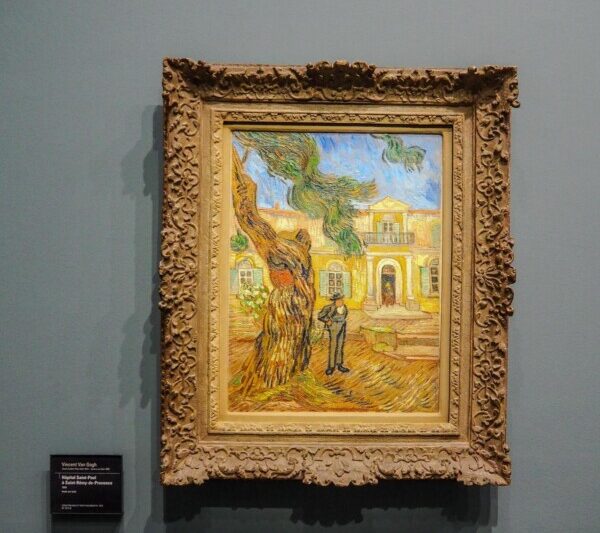
Founded in 1914 to document WWI in real-time, La contemporaine holds 1.5M items — war posters, manuscripts, testimonies you won’t find anywhere else.
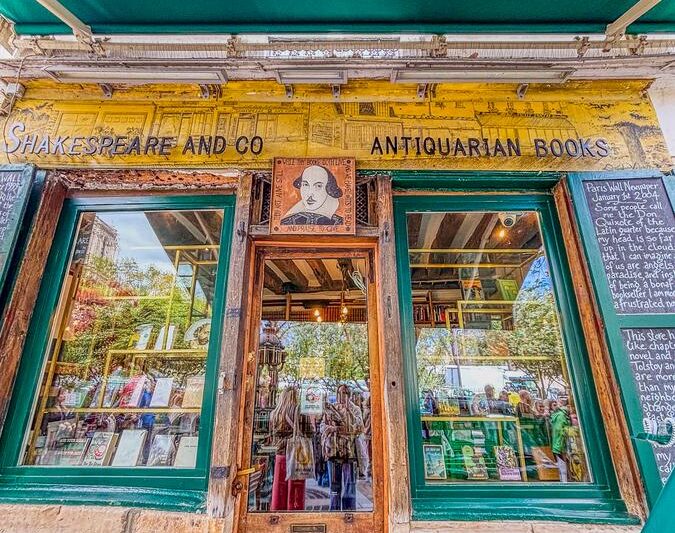
Shakespeare and Co lets writers sleep among the shelves in exchange for a book a day. That detail alone tells you what kind of place this is.
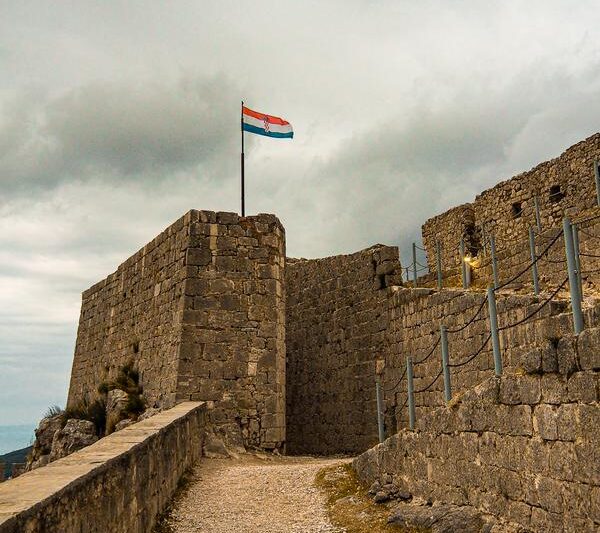
Klis held the line against Ottoman forces for 25 years. The views over Split are secondary to what the walls actually tell you.