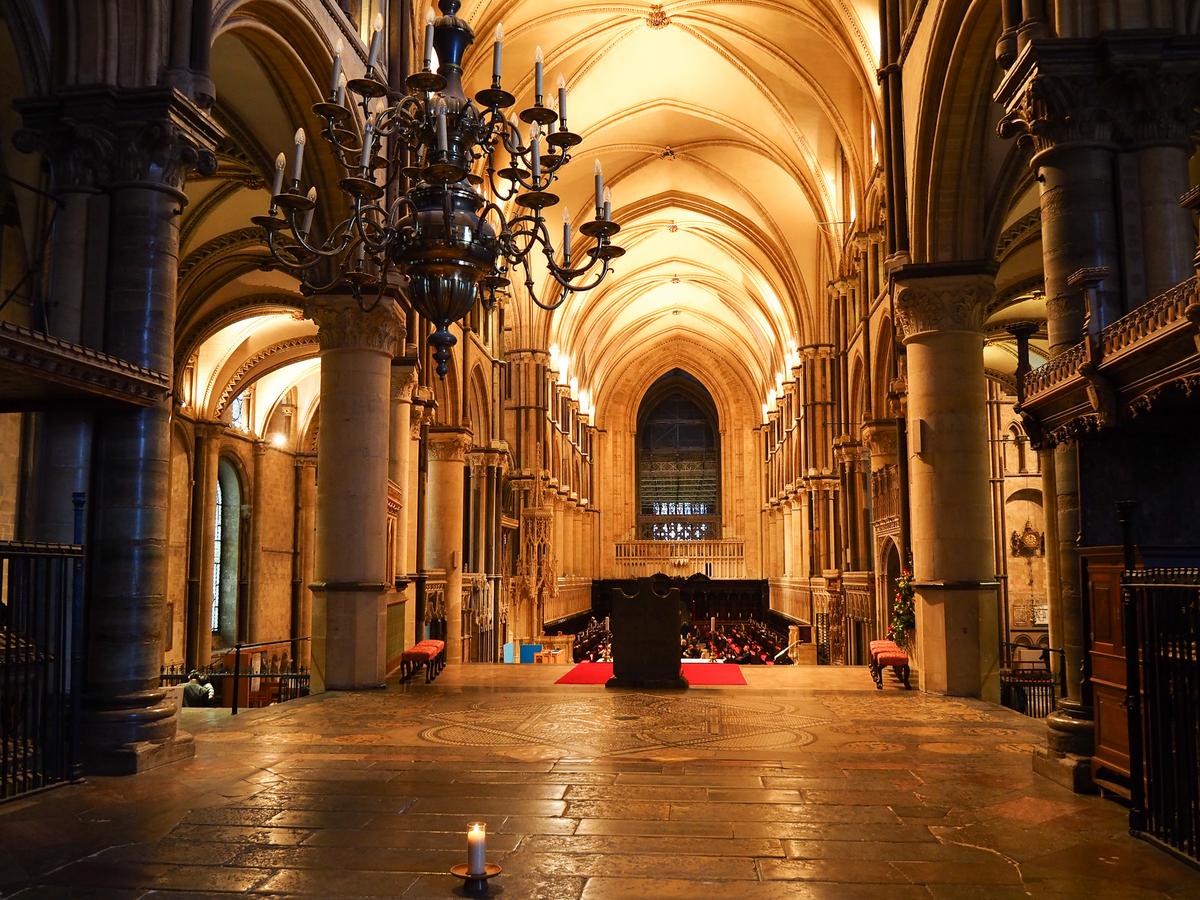
Canterbury
Canterbury’s cathedral has been a pilgrimage site since 1170 when Thomas Becket was murdered there — Chaucer wrote about the journey, and the medieval streets still tell the story.
Weekend getaway guides — 48-to-72-hour itineraries, Friday-evening-to-Sunday-night logistics, and destinations actually worth the short window.
Canterbury’s cathedral has been a pilgrimage site since 1170 when Thomas Becket was murdered there — Chaucer wrote about the journey, and the medieval streets still tell the story.

Assos is a tiny Kefalonia village with a Venetian fortress on the peninsula, a handful of tavernas by the water, and a pace of life that resists everything modern.

Haarlem is Amsterdam’s quieter neighbor with a Grote Markt square, Frans Hals paintings, and a canal charm that lets you skip the Red Light District crowds 15 minutes away.
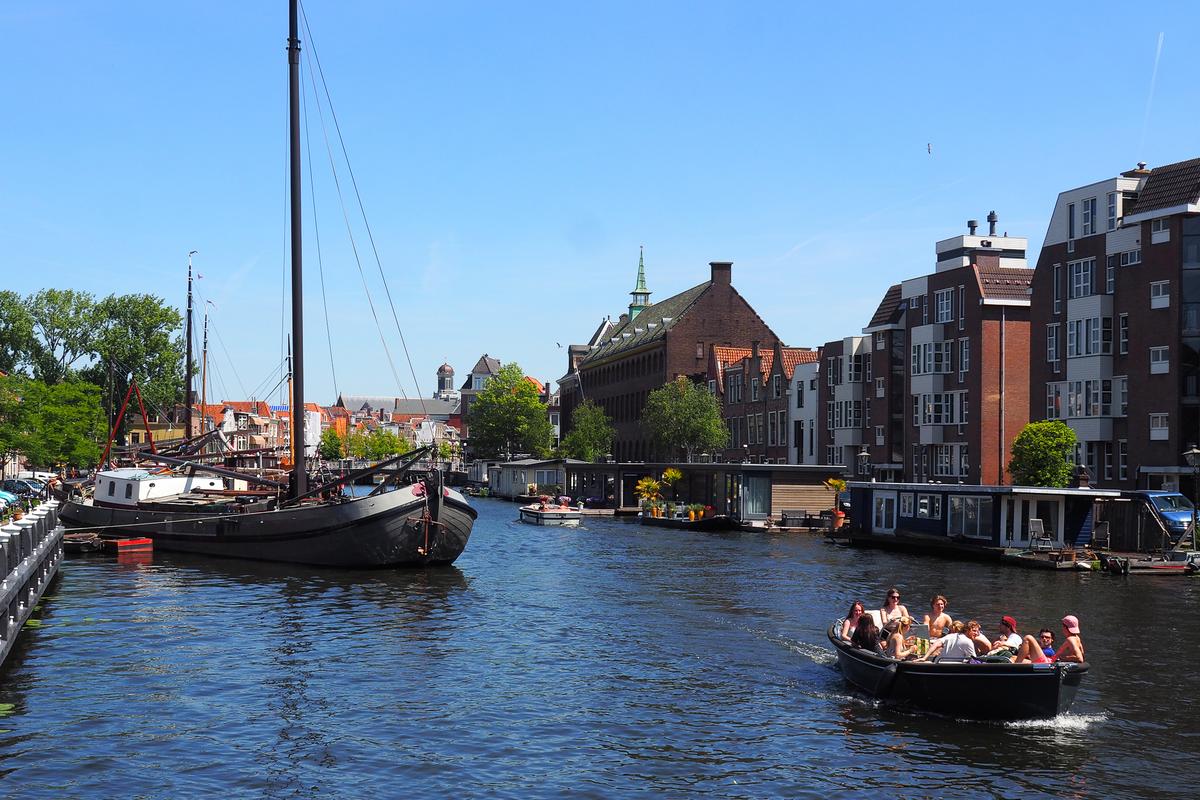


After living in Florence and visiting several times, this is everything you need to know about this majestic Renaissance city.

Rothenburg ob der Tauber looks exactly like a medieval German town should — half-timbered houses, a night watchman tour, and a Christmas shop open year-round inside the walls.



Sonoma is Napa’s more relaxed neighbor — fewer limos, more farm stands, and a town square where you can taste world-class Pinot Noir without the Napa Valley markup.
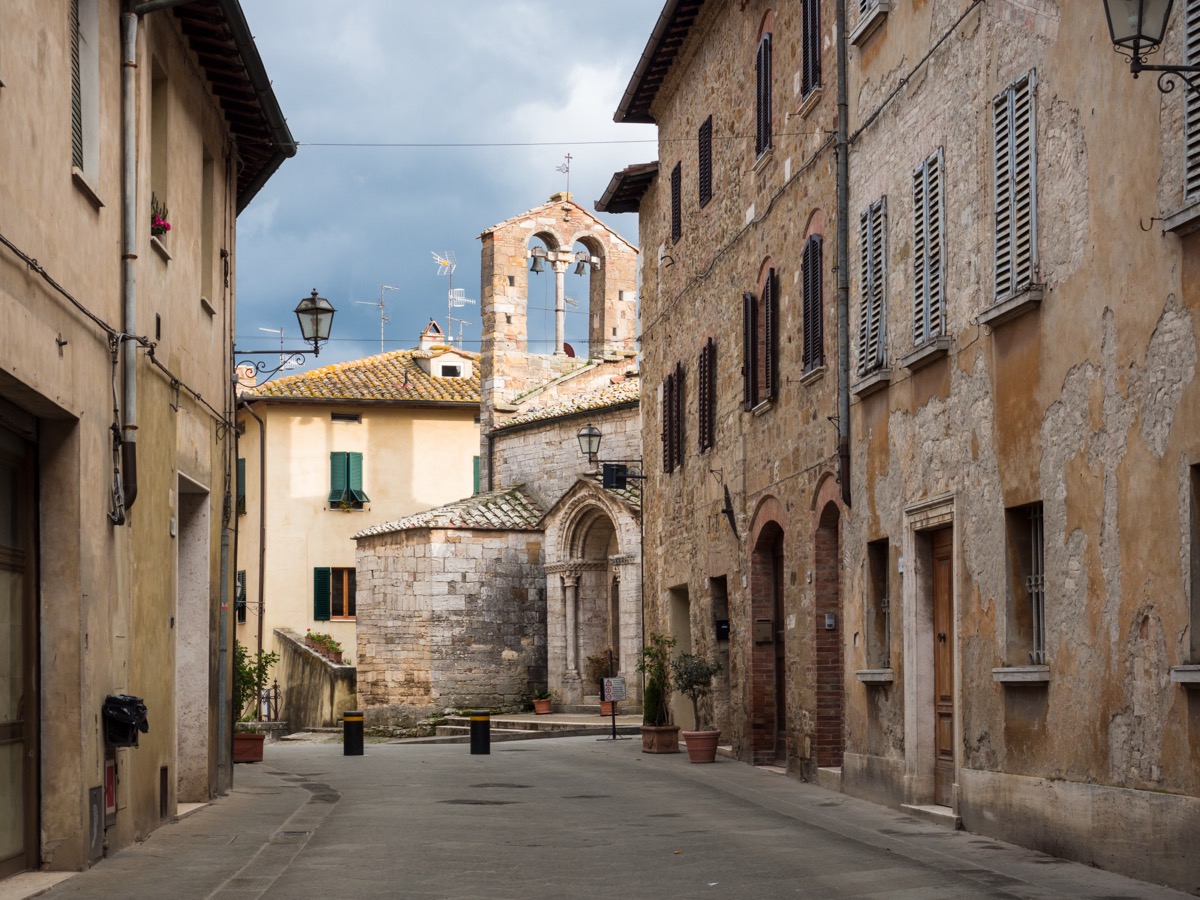
San Quirico d’Orcia is the Val d’Orcia’s quiet center — Horti Leonini gardens, a Romanesque church, and the cypress-lined road that appears in every Tuscany screensaver.
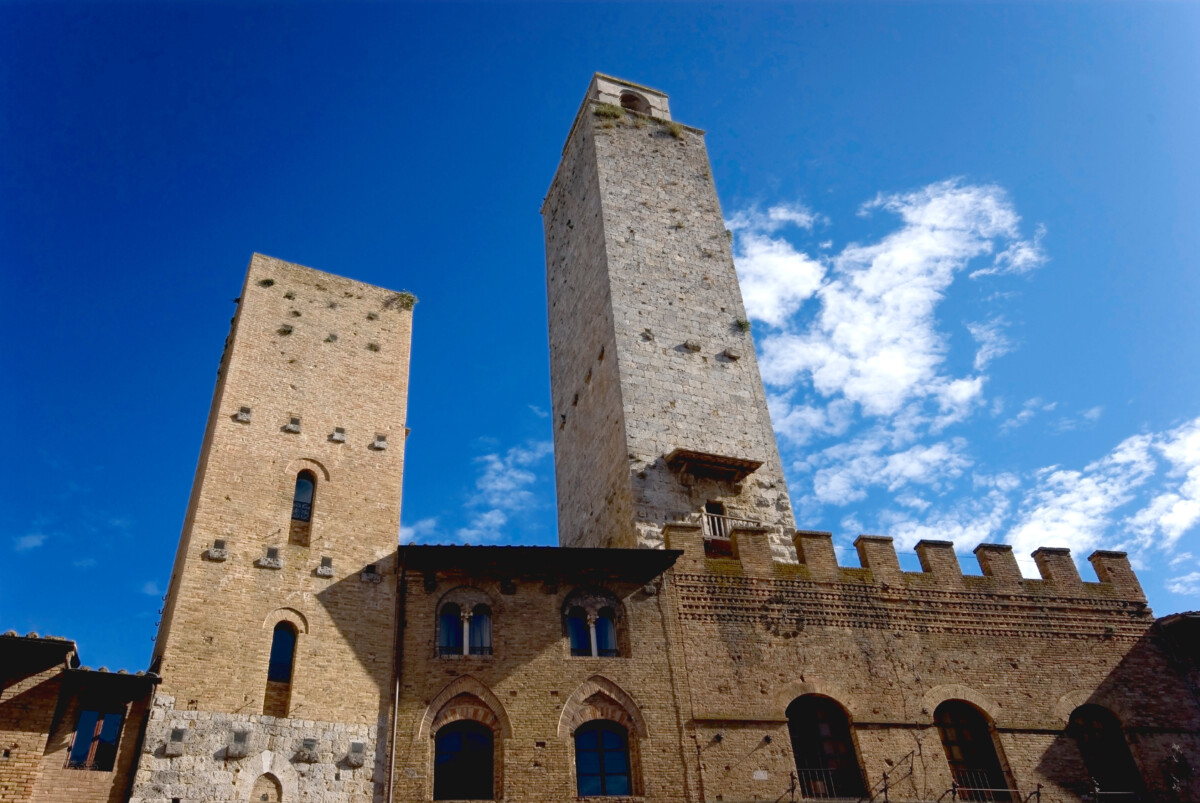
San Gimignano still has 14 medieval towers standing in a Tuscan hill town the size of a few city blocks — the gelato won a world championship and the Vernaccia wine is only made here.
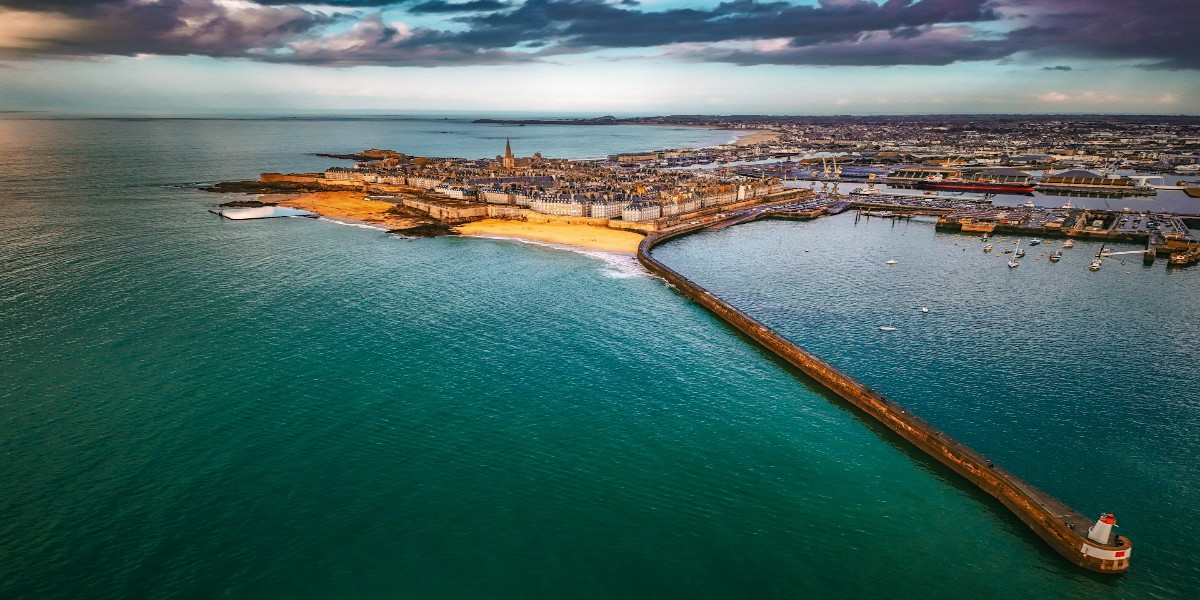
Saint-Malo is a walled Breton port city where the tides are among Europe’s largest — walk the ramparts at high tide and the beach appears at low, like clockwork.

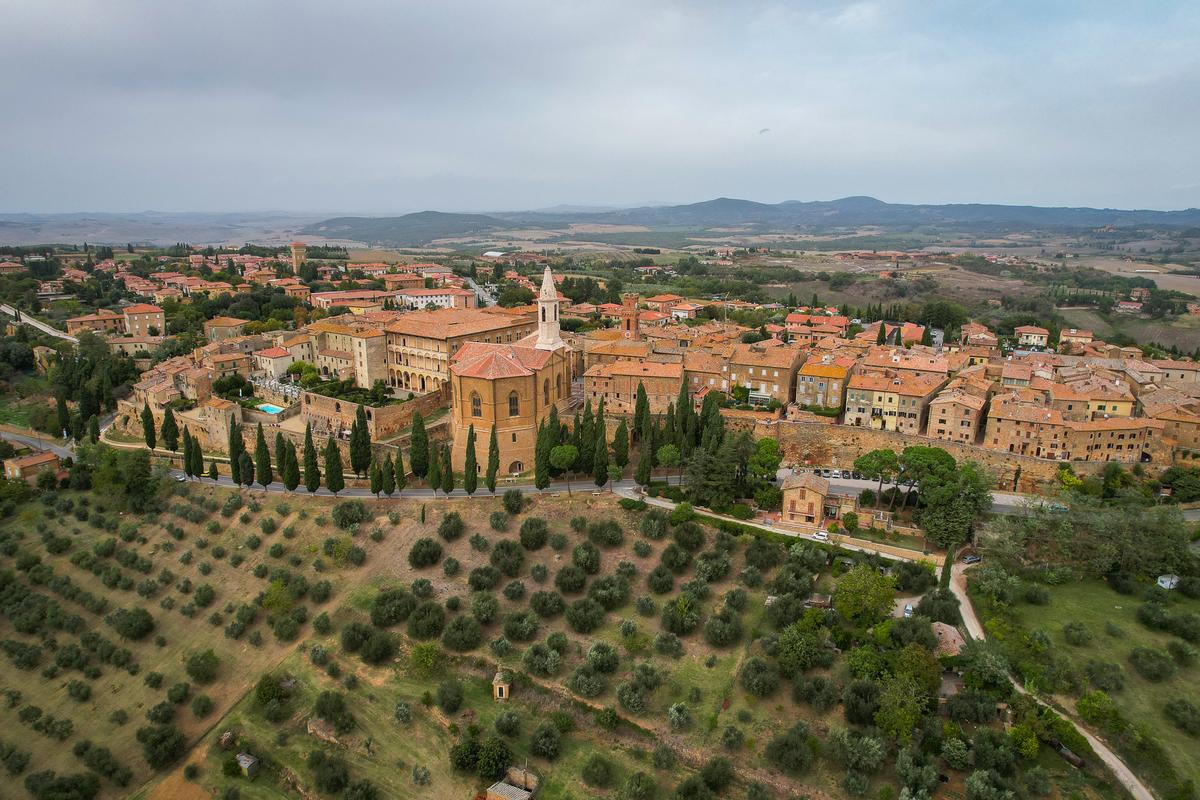
Pienza was redesigned by a pope as the “ideal Renaissance city” and the Val d’Orcia views from its walls are exactly what every Tuscan postcard promises.
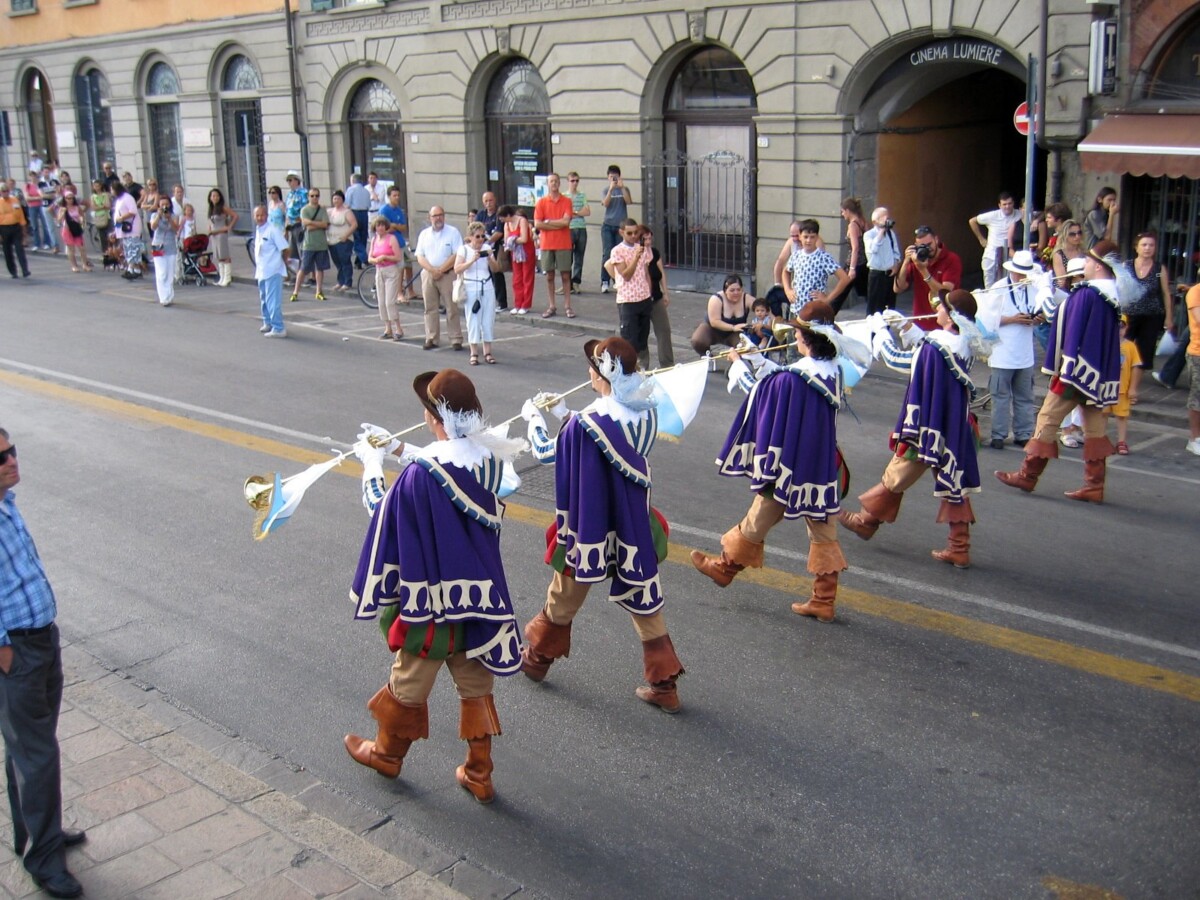
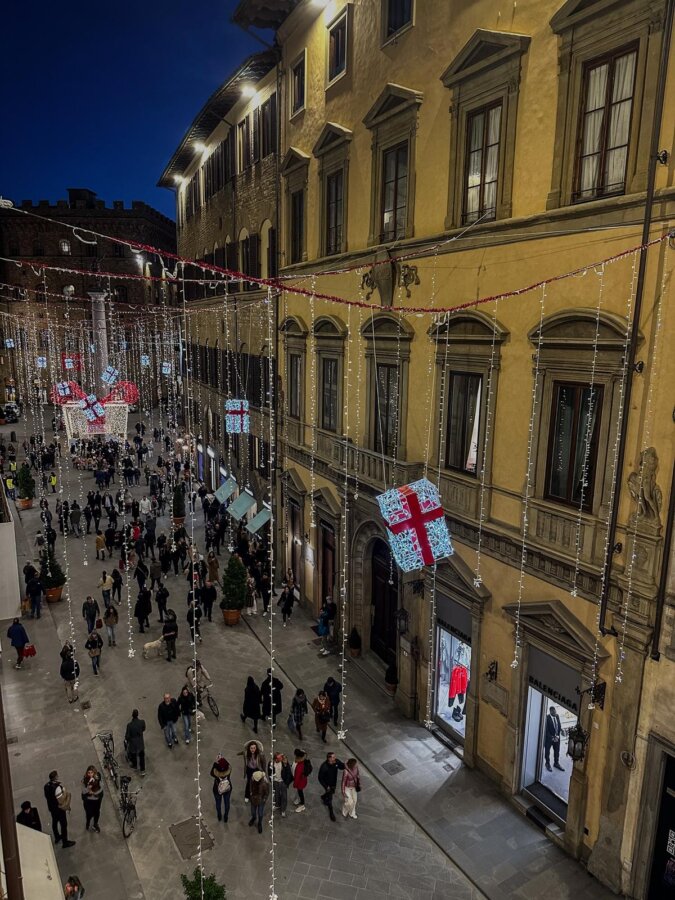
Parma makes two of Italy’s most famous exports — Parmigiano-Reggiano and Prosciutto di Parma — and the factory tours let you taste both at the source.


Orvieto perches on a volcanic plateau in Umbria with a striped Gothic cathedral, underground Etruscan caves, and a white wine (Orvieto Classico) that tastes better here.

Napa Valley has 400+ wineries in a 30-mile strip — the tasting room experience ranges from barn-casual to Michelin-starred, and the train ride through the vineyards is a trip on its own.