

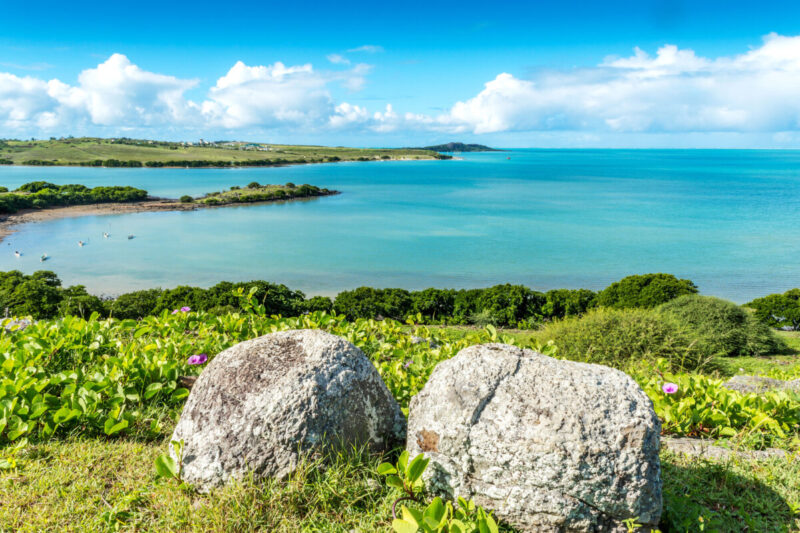
Mauritius
Mauritius has an underwater waterfall illusion, seven-colored earth at Chamarel, and a Creole-Indian-French culture that shows up best on every dinner plate.
Mid-range travel is the comfortable middle: private rooms, a mix of sit-down meals and casual bites, the occasional guided tour, and room in the budget to say yes to a splurge. In the U.S. that comfort now averages around $325 a day — a figure that has climbed about 7% over the past year as travel prices keep rising. Everything filed here helps you travel well without paying full luxury rates.
Mauritius has an underwater waterfall illusion, seven-colored earth at Chamarel, and a Creole-Indian-French culture that shows up best on every dinner plate.
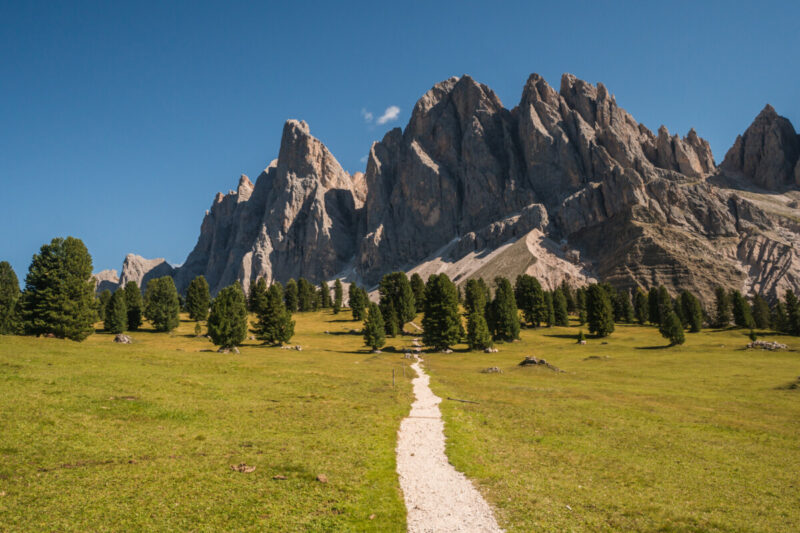
The Dolomites are Italian Alps that don’t look like any other mountains — pale limestone towers, pink sunsets called enrosadira, and via ferrata routes bolted into vertical rock.
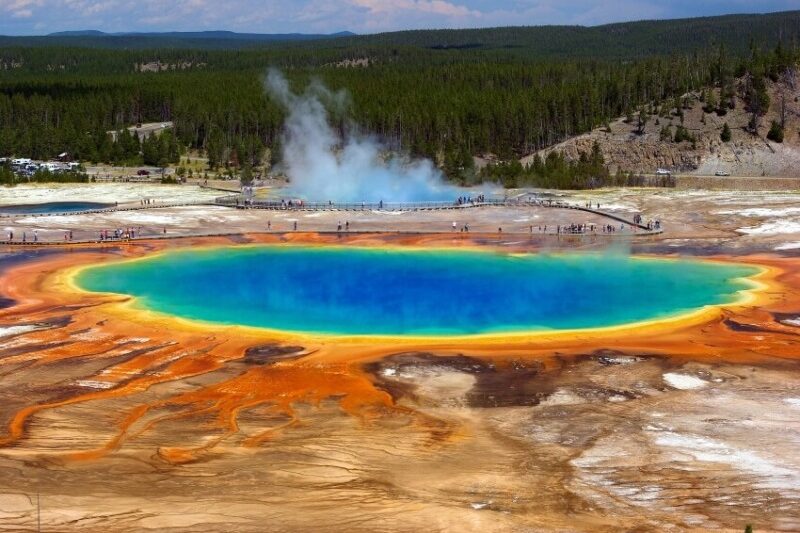
Yellowstone sits on a supervolcano with half the world’s geysers — Old Faithful is the one everyone knows, but the Grand Prismatic Spring is the one that stops you cold.

Northern Italy runs from Milan’s fashion to Venice’s canals to the Dolomites’ peaks — a region where Lake Como, Verona, and the best risotto in the country compete for your days.

Rioja is Spain’s most famous wine region with Haro’s wine battle festival, Frank Gehry’s Marqués de Riscal hotel, and Tempranillo tastings that cost less than a Madrid taxi.
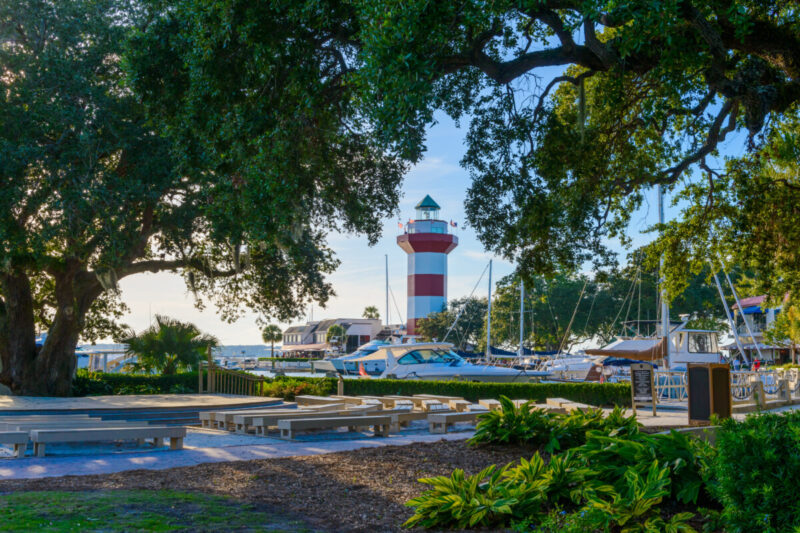
Hilton Head is a South Carolina barrier island with 12 miles of beach, 24 golf courses, and a bike-path network that makes cars feel optional from check-in to checkout.
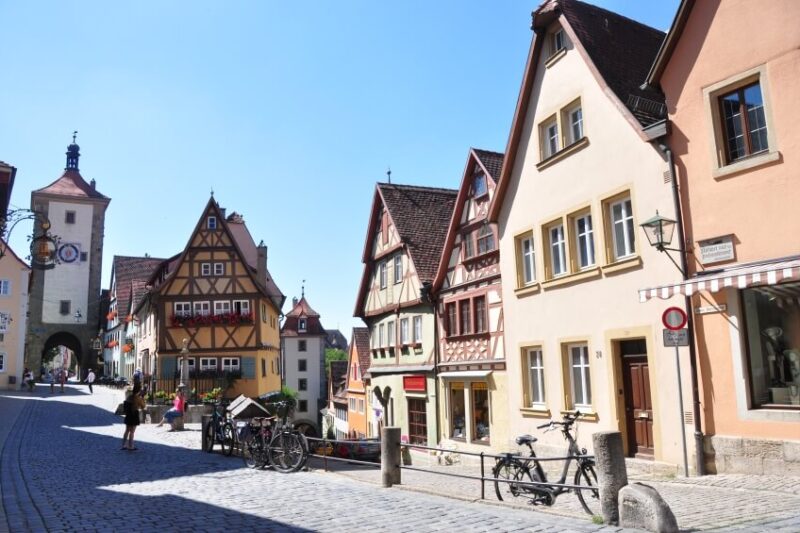
Rothenburg ob der Tauber looks exactly like a medieval German town should — half-timbered houses, a night watchman tour, and a Christmas shop open year-round inside the walls.

Yosemite has El Capitan’s 3,000-foot granite face, Yosemite Falls dropping 2,425 feet, and a valley floor that John Muir called the grandest of all special temples of nature.
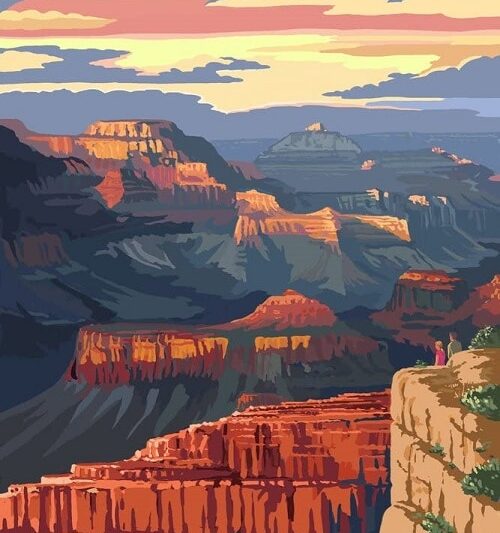
The Grand Canyon is 277 river miles of exposed geological time — two billion years visible in striped rock layers that no photo, video, or description truly prepares you for.

Grand Teton rises 7,000 feet straight from the valley floor with no foothills — the most dramatic mountain-to-flatland transition in the lower 48, right next to Yellowstone.

Zion’s canyon walls glow red and orange with the Virgin River carving through the bottom — Angel’s Landing has chains bolted to rock for the last half mile and the views earn every grip.

Kaprun has year-round skiing on the Kitzsteinhorn glacier and a village at the foot of the Hohe Tauern range — the Austrian Alps at their most accessible and least pretentious.


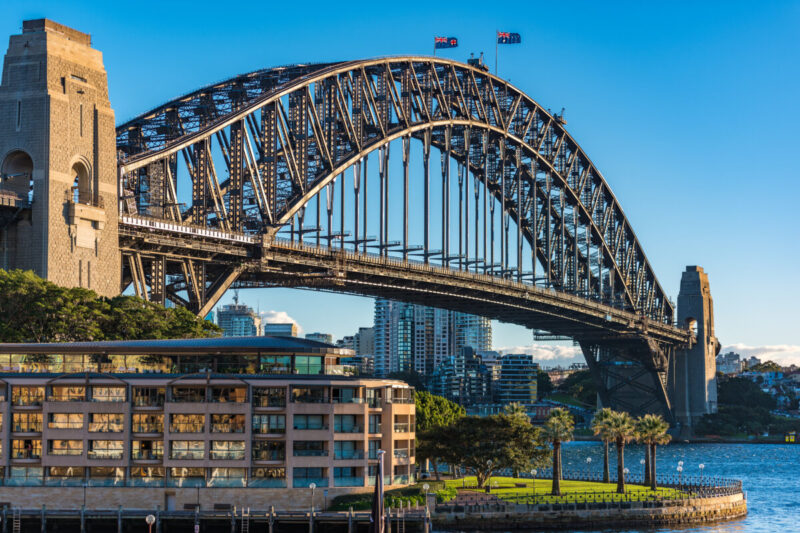

Rio puts Christ the Redeemer on Corcovado, Sugarloaf over the harbor, and Copacabana at sea level — a city framed by granite peaks where the geography does the heavy lifting.
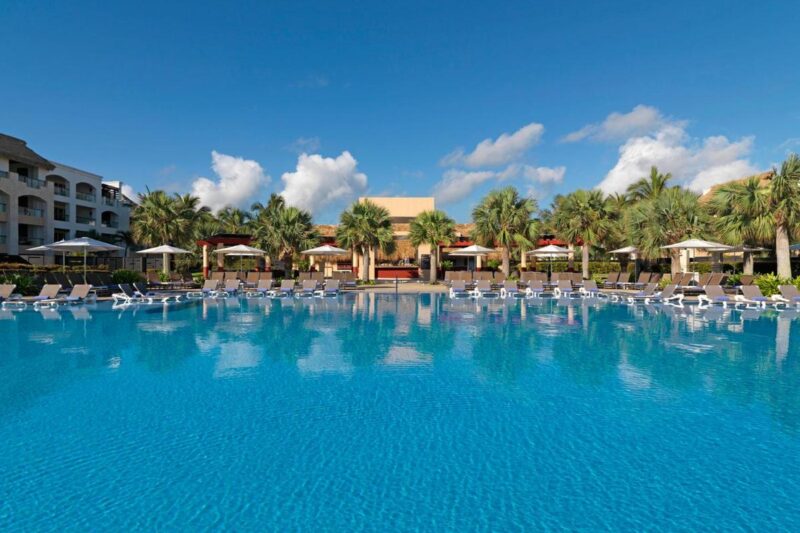
Punta Cana lines the Dominican Republic’s eastern tip with 30 miles of coconut-palm beaches, all-inclusives, and a Hoyo Azul cenote hidden in the jungle behind the resorts.

Patagonia stretches across Argentina and Chile with glaciers calving into lakes, Torres del Paine spearing the sky, and a wind that lets you know who’s in charge.
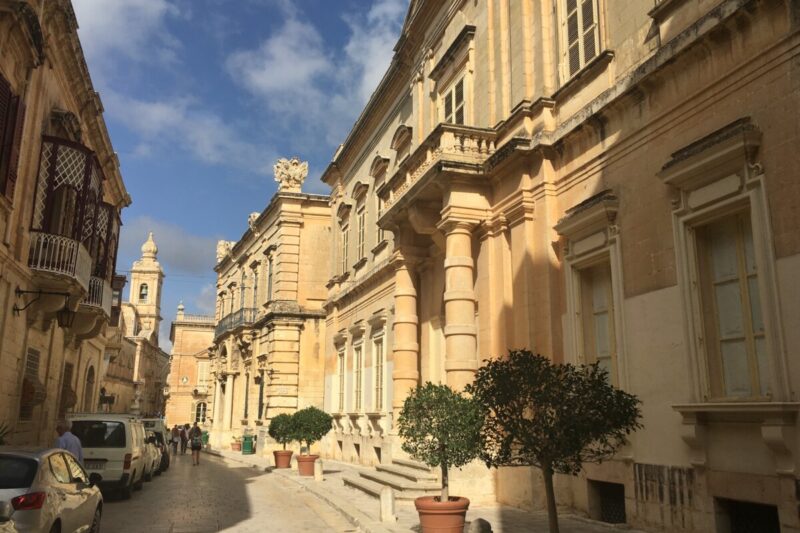

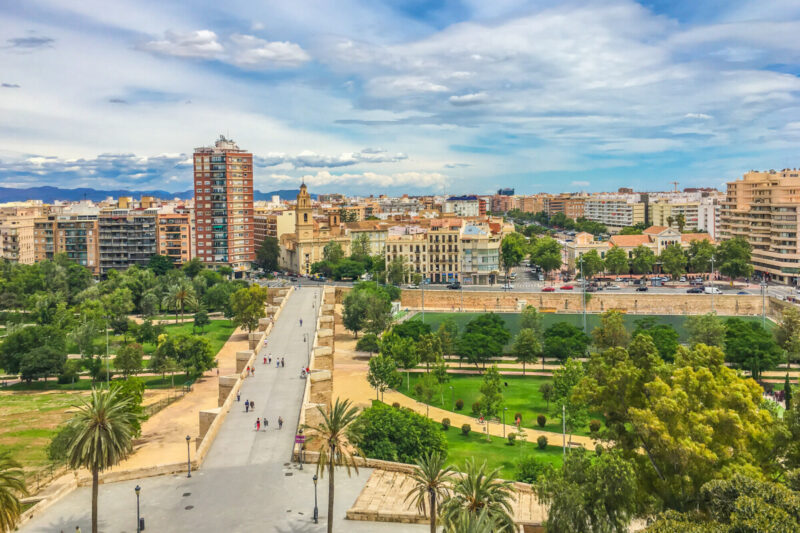
Valencia invented paella and transformed a dry riverbed into the City of Arts and Sciences — a Spanish Mediterranean city that finally gets the attention it earned.