Are you planning to travel to London? What must you pack for the trip? Luckily, here’s a complete packing checklist for the trip and everything you’ll need. You are most welcome.
Picture the scene: Everything is set. You have your air tickets ready, you have already booked your accommodation, and you have all the attractions sites you want to visit in arguably the most exciting city in the world.
You even have a schedule of what to do in the city. What’s remaining? It’s time to pack. But you don’t have any idea what you should carry with you.
What are the right essentials for the season? What should be on your checklist for traveling to London? You don’t want to appear like a lost kid on the streets or, worse yet, the stereotypical American tourist!
CRISIS! Relax, dear traveler. We’ve got you covered with this London packing list. In this in-depth blog post, we will look at all the must-have travel items you need to make your London trip as enjoyable as you had hoped.
A few things will depend on factors like what time of year you visit London, the weather, your estimated budget, and the purpose of travel. I’m also going to talk about what to wear in London, what not to wear in London, the best luggage, which kit is essential, and the gear you can leave at home.
But I’ll try to pivot through these options as much as I can so that you get credible advice. So let’s not waste any time and dig in already. Tally-ho!

What You Must Sort Out Before You Pack
US, Canadian, Australian and European visitors now need an Electronic Travel Authorisation (ETA) to board a flight to the UK. It costs GBP 20, it is applied for online or through the UK ETA app, and it is valid for two years or until your passport expires, whichever comes first. Within that window you can enter as many times as you like, staying up to six months per visit. British and Irish citizens, including dual citizens, do not need one. Everyone else does – including babies and children, who each need their own.
Most people get an automatic decision in minutes through the app, but the Home Office advises applying at least three working days before you travel, because a small number of applications go to manual review. You must then travel on the same passport you applied with. An ETA is permission to travel, not permission to enter – a Border Force officer still makes that call at the desk. Since the scheme launched in October 2023 the Home Office has issued 24.8 million of them, so this is routine rather than alarming; it is simply a step that did not exist a couple of years ago.
One transit quirk worth knowing: if you change planes at Heathrow or Manchester without passing through UK passport control, you do not currently need an ETA. If your connection takes you landside through immigration, you do. Apply on GOV.UK and nowhere else – copycat sites charge several times the government fee for the same application.
How Much Liquid Can You Take Through a UK Airport?
Assume 100ml per container unless your specific departure airport says otherwise. GOV.UK’s current guidance is deliberately worded that way: at most UK airports the 100ml limit still applies, and “some airports may allow up to 2 litres.” It does not name which. Heathrow is the clearest exception – its own security page confirms containers up to 2 litres across all four terminals, with liquids left inside your bag. Several other large airports have installed the same CT scanners, but coverage changes terminal by terminal and with little notice.
The clear plastic bag has not been abolished everywhere either. GOV.UK still says you may have to put liquid containers in a separate transparent bag, and that you do not have to do this at all airports. The practical move: pack to the 100ml rule, then check your departure airport’s own security page in the week before you fly. That way the stricter airport never catches you out, and the relaxed one is a bonus rather than a gamble.
Is NHS Treatment Free for Visitors?
Only partly, and the part that is charged is charged at a premium. Treatment in an A and E department and a consultation at a GP surgery are free to everyone, including tourists. From the moment you are admitted to hospital, though, you are an “overseas visitor” under the NHS (Charges to Overseas Visitors) Regulations 2015, and you are billed at 150 percent of the national NHS tariff. For non-urgent care the trust is expected to take payment upfront. Urgent and immediately necessary treatment is always given first and billed afterwards – but it is still billed.
That is the reason travel insurance belongs on a London packing list alongside the adapter and the umbrella. The NHS is genuinely excellent and genuinely free at the point of use for residents. It is not free for you.
See Related: What Travel Insurance Actually Covers
Must-Have Travel Items for London
Planning a trip to the capital of the English-speaking world but have no idea what to bring? Here are some key items to have on your packing list for London.
1. Clothing

No hard feelings if you love glaring clothes, but what you pick for your London wardrobe should be decent. London is one of the world’s fashion capitals, and the locals are used to smart, sensible dress.
It would be bad form to pack anything but nice outfits and old fruit. Hey, consider it an opportunity to go on a shopping spree!
Wearing your red carpet-attire isn’t necessary if you plan on visiting some of the nicest bars in London or going for occasional dinners at the Savoy Grill or Dorchester. But your “togs” should be smart if you’re going somewhere nice.
Most crucial of all, London weather can be unfriendly if you don’t have the right clothing, and it can be both easy and perplexing to predict what kind of weather you’ll run into. You’re just as likely to experience four seasons in a single day as you are to see gray skies from dawn to dusk.
Clothing for Summer

Summers in the UK are getting hotter and hotter as the years go by (thanks to climate change), and London is generally the hottest spot in Britain come summertime. This isn’t necessarily thanks to extra sunshine – after all, summer in the UK doesn’t necessarily mean more blue skies.
The increase in heat is more to do with the fact that this is a metropolis of 9.09 million people (ONS mid-2024 estimate) moving to and fro. Momentum creates heat.
For summer sightseeing, casual clothes are king. Jeans, for men and women, perfectly match the summer weather and London chic. But some days can get uncomfortably hot and sticky, and staying in jeans becomes a battle.
Pack some shorts, light pants, or capris. A few T-shirts will also do the trick for daywear. The critical thing is to look for something light for airflow and freshness.
For the gents, a good polo shirt is a must, as well as some lightweight button-downs (or button-ups in British parlance), which are great for eveningwear. Light pants, vests, crop tops, t-shirts, polo shirts, and light dresses are perfect for ladies (play it safe and opt for a dress with a shoulder strap).
I’ll discuss footwear in more detail later. If you’re in a rush, ballet flats are a safe-ish bet for the height of summer. Both ladies and gents will benefit from comfortable sneakers (NOT tennis shoes – don’t brand yourself as an American tourist) or look the part in Chelsea boots.
Clothing for Winter

All your clothing should be warm. London can get extremely cold this season, and you don’t need frostbite to be your travel agent. “But it’s not as cold as Minnesota or Alaska.” Yes, I know, it’s super rare that the mercury drops that low in the UK in general – but (and I hate myself for saying this, but it’s 100% true) it’s a different kind of cold.
The UK is a very wet place. It is not that Britain is the wettest place in Europe – it is not. Argyllshire, the UK’s wettest county, averages 2,274.9mm of rain a year on Met Office figures, while Bergen in western Norway gets around 2,250mm and Crkvice in Montenegro sits somewhere between 4,000 and 6,000mm. What Britain has is not volume but persistence. Frequently, even outside of winter, the most common prevailing weather is gray, foggy, overcast, drizzly, and, yes, rainy.
This tiny band of islands is in a unique corner of the world that receives very damp weather from all sides. This dampness, combined with even the slightest drop in temperature, is penetrating. The cold weather in Minnesota or Alaska is much drier than the Brits experience. You sort of feel it on your skin, and locals (myself included) will often experience and complain about dry skin during these harsh American winters.
The damp cold in the UK almost literally seeps into your bones, and it is incredibly difficult to get warm once you get cold. I say “almost” literally because of the dampness itself. Being such a damp place, the air in the UK holds much more water than most parts of the United States.
As we all know from middle school chemistry class, water is a great conductor of thermal energy. So whenever you take in a breath, you take in millions of tiny, chilly water particles that will make you feel colder inside. It’s deeply unpleasant, so wear layers.
The most important winter clothing item is a warm, heavy coat. No matter where you are in the world, as long as it’s winter, you can’t go wrong with a jacket from Patagonia or a vest or coat from Columbia. Nothing too crazy, mind you; you’re not mountaineering, just something to keep the wind and rain out.
But again, for the fashionistas, you can always go one step further. Look into a classic pea coat, duffle coat (both quintessential London looks), or even a hardy oilskin jacket. While more of an English countryside vibe, these tough garments, suitable for men and women, are perfect for keeping you warm and dry.
Everyone should consider heavy pants or thick jeans, and maybe even some long underwear if you’re visiting in the dead of winter. I highly recommend a rugby jersey for underlayers, which pairs perfectly with jeans. A classic turtleneck sweater like this submariners jumper makes for an extra-British mid-layer.
To keep your neck warm, the ever-practical shemagh still carries street cred in the UK, and a good-looking travel scarf is also great. After all, you’re also trying to be fashionable here. Good gloves are a must, but they need not be super thick (and go for leather or pleather for the chic London look).
You can then top it off with a warm hat. Girls, grab yourself a cute little tam or a beret, and fellas looking to go full English should don a classic “cor blimey” flat cap in tweed. Alternatively, if you don’t feel confident to adopt some quintessential British headgear, settle for a good ol’ beanie or bobble hat.
As I mentioned earlier, I’ll go into greater detail regarding footwear shortly. But again, Chelsea boots are a great candidate for London winters.
Clothing for Spring and Fall
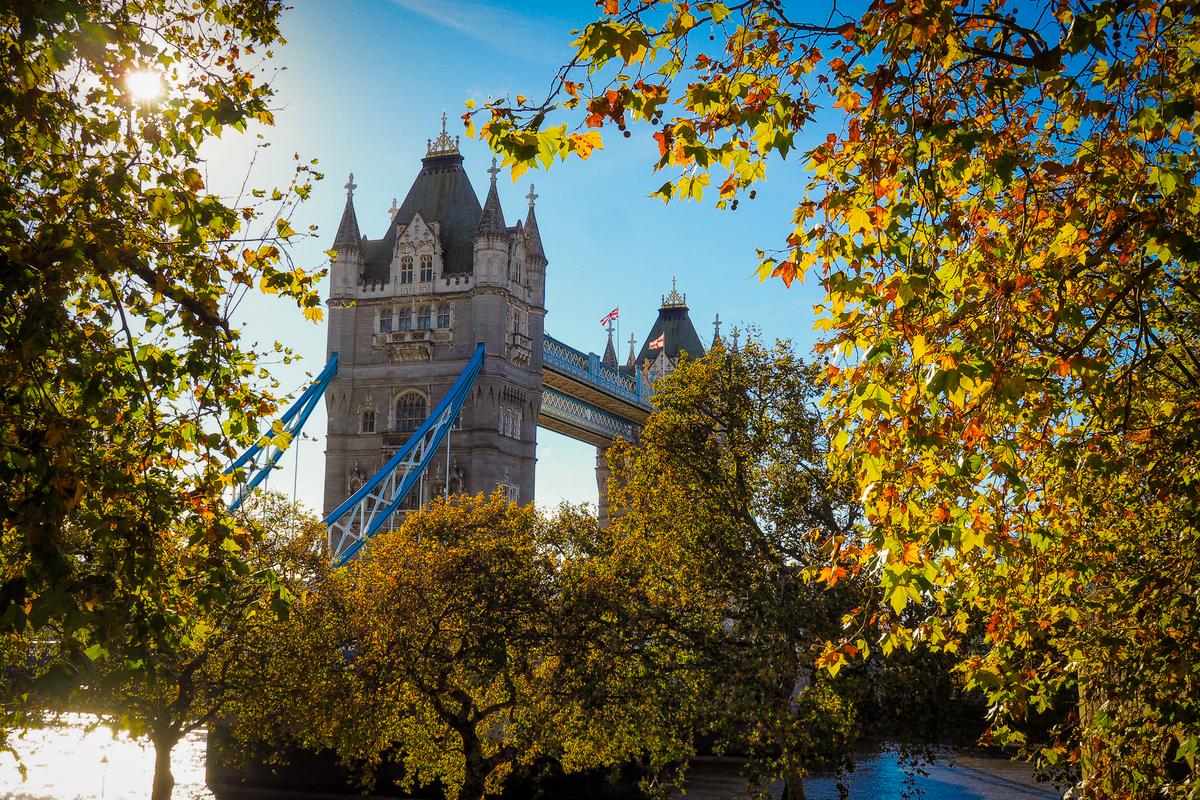
While they used to be far more distinct, London’s spring and fall (or autumn) are far more fleeting than they once were (looking at you again, climate change). When it comes to packing the right wardrobe for the season, this isn’t actually as complicated as it might sound.
It just means paying attention to the weather forecast in London just before you pack and precisely how deep into either spring or autumn you are visiting. For example, early spring in the UK still feels wintery, as does late fall.
Conversely, late spring and early fall in London can feel quite summery. So pay attention to what time of year you’re visiting and adapt your London packing list accordingly.
If there is one item I would recommend for a spring or fall wardrobe in London, it’s a light jacket. Try a nice softshell (maybe with a hood to keep any freak showers at bay), a natty safari jacket for the lassies, and an ever-so-British tweed jacket for the lads. Bring your hats and scarves along, too – and the Chelsea boots!
Dress to Impress in London

I mentioned London as one of the world’s fashion capitals, so let’s discuss dressing to impress in the Big Smoke. Regarding London fashion, there is one main rule: less is more.
Now, I’m not saying show up to the Savoy Grill or the Dorchester stark naked, nor am I saying pack nothing and buy your wardrobe when you get there (that would make the above section a complete waste of all of our time – although the latter option is always fun if you have the time and money!).
I’m also not saying that London has a strict dress code. Quite the opposite; you can wear more or less whatever the heck you want in London.
But when it comes to the styles London is famous for, it’s not about having the craziest color combos or the wildest shapes dangling off your shoulders. London fashion (like many other facets of British life) is about mastering the basics – taking the core concept of a garment and making it the very best it can be.
Think of King Charles III and Victoria Beckham – both English, both Londoners and both fashion icons for decades. Both of these figures exemplify the theme of less is more. So, if you’re looking to impress with your dress in London, look to these two as choice examples, and remember these key pointers:
- Muted and neutral colors and jewel tones are good.
- Black and gray never go out of London vogue.
- Limit your London outfits to a 3 color maximum. This includes ties and scarves.
- Ladies should limit patterns to a single garment.
- Leggings and a long coat are very in.
- A good suit will get anyone anywhere.
- No matter how fancy, brown shoes instantly ruin a gentleman’s suit. Brown shoes are for the countryside, and black shoes are for the city.
- Patterned suits are also for the countryside. Or Scotland.
- Whether it’s Chelseas, Doc Martins, Timberlands, Wellington boots, ankle boots, hiking boots, rain, boots, walking boots, or even kinky boots, London loves a decent pair of good boots.
- Open-toed shoes are a continental thing, and flip-flops are for the beach.
- You’re not wearing a shirt unless it has a collar.
- Walking around in sweatpants will make you a social pariah.
See Related: London vs. New York: City Comparison Guide
2. The Right Luggage
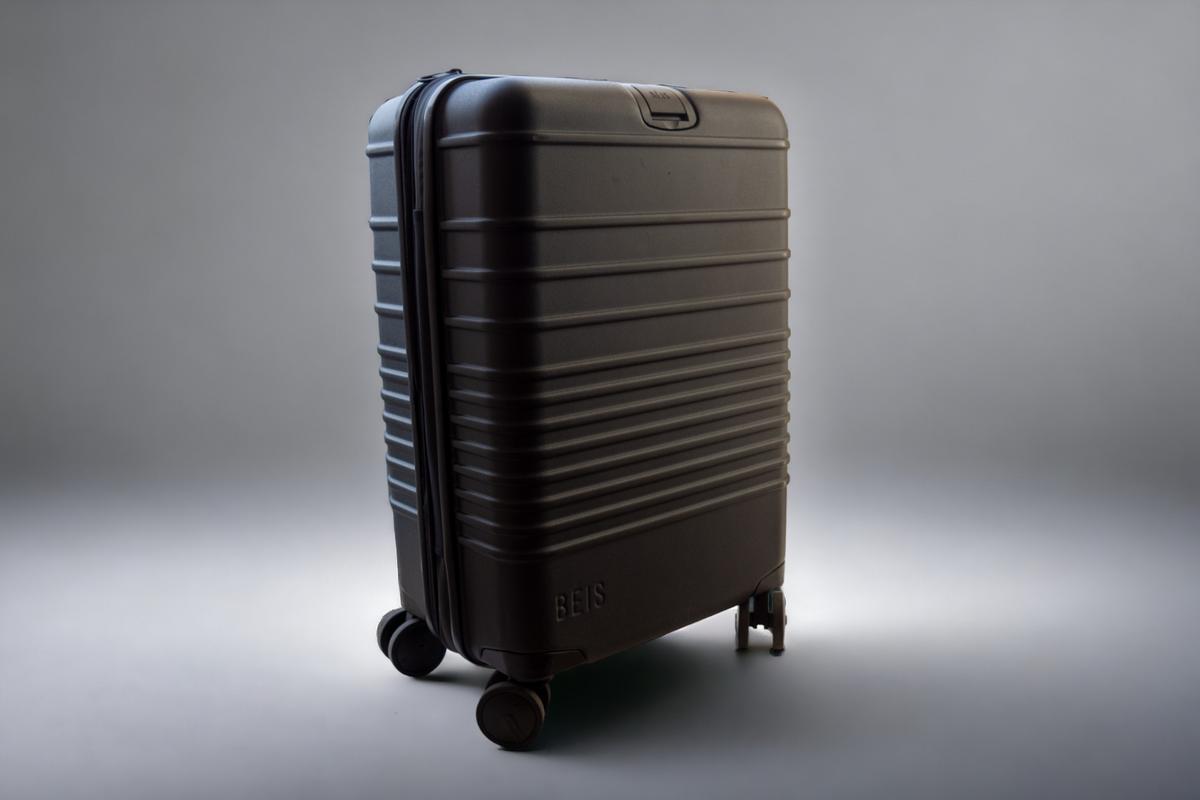
Travel experts can agree that the longer you travel, the smaller your suitcase gets. Why? You get to know new tricks for packing your suitcase in the right manner to maximize space, and the bigger the bag, the bigger the effort required to lug the bugger about.
It’s no different when looking for what to pack for London. It’s a busy city, so you don’t want a large suitcase that gives you a headache in the busy intersections.
You can comfortably live with a 48L backpack, such as this Osprey. I have lived out of a 48L backpack on quite a few travels, but really, the choice of vessel is up to you.
First, decide if you prefer surviving out of a suitcase or a large backpack. Either way, you must still have a smaller backpack or daysack/day bag that will help you carry essentials when walking up and down the many streets, stairs, and escalators and navigating London’s superb public transit system.
But back to your main luggage. A large backpack or suitcase is essential for carrying most of your stuff, including toiletries, clothes, makeup, medicine, and gadgets.
Some people prefer backpacks to suitcases because they don’t have the energy to drag huge luggage across the streets. Plus, the ever-busy London Heathrow Airport will give you a hard time if you have not traveled light. There is so much walking at LHR, it’s unreal.
But this doesn’t necessarily mean you should or shouldn’t take a suitcase. It’s your choice, and you should pick what best suits you. I will say, that if it’s a must that you choose a suitcase, try to meet at least these requirements:
- You will stay in a hotel with bigger lockers to fit your suitcases.
- Your hotel has an elevator, and you’re not staying in the topmost rooms.
- London is your only stop.
Why a Backpack is the Best

After doing this globe-trotting malarkey for a while now, I’ve found that the backpack is the easiest luggage to live with when you’re on the go. As well as good build quality and adequate padding, the backpack you choose should have an equal distribution of weight to avoid back problems.
A good recommendation is the Gregory Mountain backpack. Thanks to the fact that it’s taller than the width and it comes with a belly band to distribute weight to your hips, its ergonomic features make it less burdensome than others on the market. It’s also incredibly well-made.
Mine has been through a few years of intense travels, and it’s been able to hack everything from hiking around Denali to wandering around Covent Garden. It’s a damned good bag.
Anyway, once you’ve arrived at your hotel, you need another simpler bag to carry a few stuff. The right bag for this task should have these features:
- Comfortable to wear and not heavy when empty.
- Have extra room for gadgets like a camera to take some shots and a laptop if it can fit. Make sure these spaces can be secured.
- Have anti-theft safety features for petty thieves that target tourists.
- Small enough so that it doesn’t take much room on the tube or in a taxi.
3. Electronic Gear and Gadgets

Here are more essentials that must appear on your checklist for traveling to London. Remember, it’s no use bringing all of these gadgets if you’re not staying in London for long. Be smart, so pick and choose.
Making some memories is good since you are potentially on a once-in-a-lifetime adventure. Therefore, a camera (and maybe some photography gear) makes it to the top of the list of gadgets to bring to London.]
This unique city, blending modern and historic architecture at every corner, is remarkably photogenic, even when gloomy and gray. I can’t help but take a few shots whenever I’m here.
This means you need a good camera to capture all your fun moments. You can still use your phone if it has an excellent camera. I hate to say it because I am an old-school shutterbug, but the camera on the Google Pixel is a bit of a beast.
You will need to charge these devices to continue using them, and while a portable charger is always part of my London packing list, being able to charge them in the UK is better than bringing a bunch of spare batteries. Remember, UK mains runs at 230 volts, 50Hz, through the chunky three-pin BS 1363 plug (Type G, the one with the fuse in it). This means you must carry a travel adapter and extensions with the right USB ports to keep all your devices alive.
While some of these gadgets will work, a few electronics, like curling irons and hair dryers, might not. Ensure that the travel adapter you buy is of good quality, as the higher voltage the UK uses may short out your electronics with a dodgy adapter. US electronics run on 120 volts at 60Hz under ANSI/NEMA C84.1 – “110V” is legacy shorthand for the same supply. Either way it is roughly half the UK voltage, so anything that is not marked 100-240V needs a converter, not just a plug adapter.
So yeah, I’d grab some dual-voltage dual-voltage travel hair dryers that work on UK 230V if that’s your priority. Or, you can just make do with what’s in your hotel room, but you know how hit-and-miss hotel hair dryers can be.
You might want to keep up with your family, friends, or colleagues back home. While most major networks have accommodations for international phone calls and texts (and all iPhones can call all iPhones), you can save some money on international charges and order a SIM card in advance or buy one on arrival. Alternatively, download WhatsApp.
As always, a good set of headphones is essential when traveling. These are decent headphones for watching a movie or listening to your favorite jams on the plane or the tube.
See Related: Best Gadgets for Long Flights
4. Skin Care and Toiletries

You need to keep your natural complexion at all times. Well, I do, and you might want to as well. Pack liquids in travel-sized refillable toiletry bottles sized to the 100ml limit. That satisfies the TSA on the way out and every UK airport on the way back, including the ones that have not switched to the 2-litre allowance. Keeping them in a clear zip-lock bag still helps, sparing space in your suitcase for other essentials.
Not gonna lie; most of the following items are typically associated with women. For all the filthy, dirty men reading this, a roll-on, a few bathing items, shaving cream, and basic dental care are probably enough to keep you from rotting away – although I know a fair few of you will forgo the whole lot, either deliberately, or you just “didn’t hear” the constant reminders from the long-suffering women in your life.
Faced with a different climate and weather, women may need loads of skincare to ensure they are still beautiful in this foreign land. You might also need to include this on your skincare and toiletries checklist for traveling to London.
Skin Care
- Sunscreen if you’re visiting London during summer. Yes, the sun can still harm you even if it’s overcast.
- A quality moisturizer to keep your skin hydrated.
- Use body lotion and deodorant so you don’t feel that special grossness.
- Vaseline is goopy gold. This ancient, magical substance revitalizes cracked or dry feet and soothes sunburn if you forgot your sun cream. Buy Vaseline. Do it.
Bathing and Haircare Items
- A conditioner and travel-sized shampoo. You can add an extra dry shampoo for hydrophobic days. Yes, it can happen! Even in London!
- Your favorite hair products that you use at home. Bring them, depending on your duration.
- Bathing soaps and a razor.
- Wet wipes. Generally, these are great for any traveler.
- Simplify your life and get a travel toiletries kit – don’t know why I didn’t put this first.
5. Comfortable Shoes
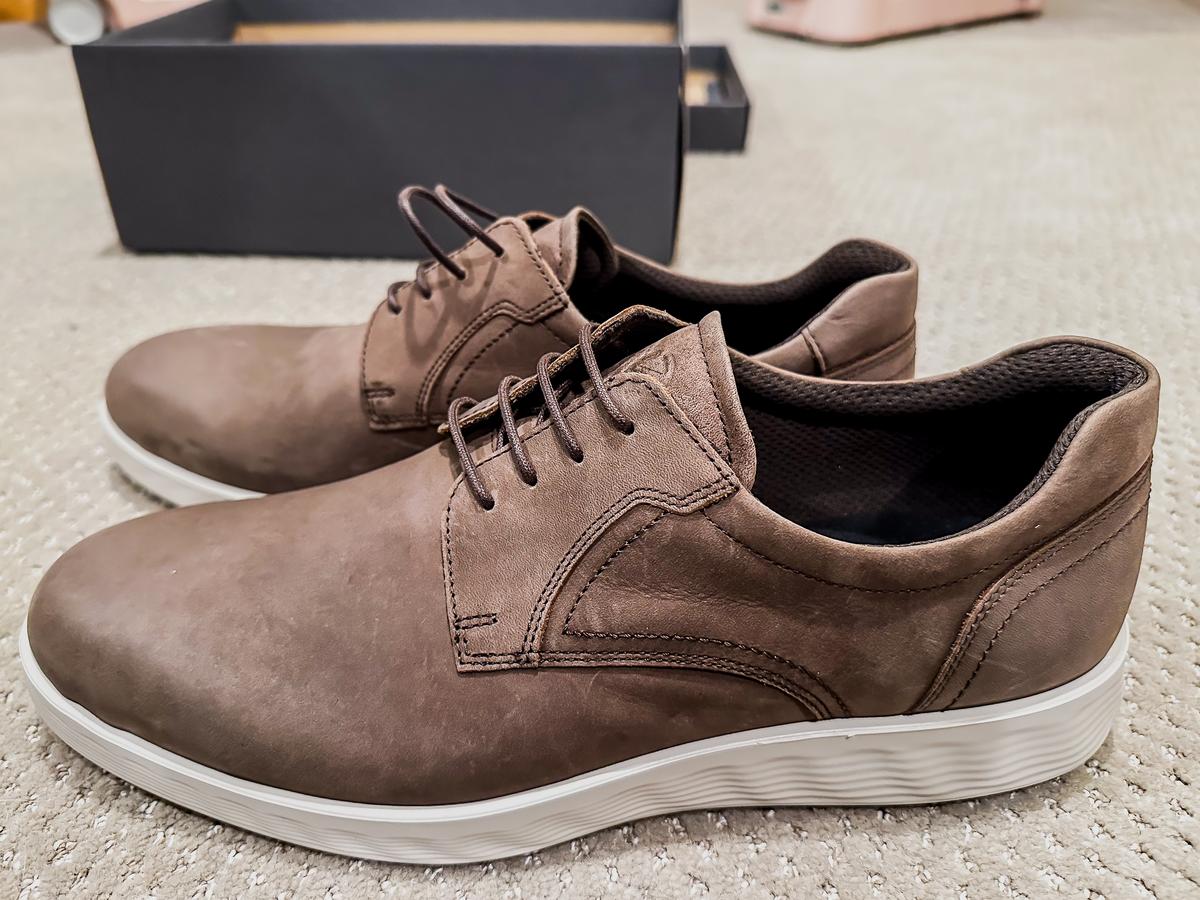
This might seem rather obvious, but you don’t want to have the experience of traveling in uncomfortable or poorly-fitting shoes. Imagine yourself scampering to the London Underground with your shoes biting your heels like hell hounds. Talk about dogs barking.
With a pair of bad shoes, all you’ll get are sores, blisters, and bleeding after walking for a few hours. London is a big city; you’ll spend more time walking than driving, biking, or public transport. Your “plates of meat” will be pounding the cobbled streets or marching up and down the escalators and underground stairs as you visit sights.
Sore feet are going to ruin your London vacation. Your ability to make the most of a London trip really does come down to the shoes you choose. You don’t want to make a mistake here.
The ideal shoes should be sturdy, water-resistant, and long-lasting so you can use them back home. They should also be stylish and match your fancy London Clothes if possible. Since many travelers forget this part, do thorough research so you don’t become one of them.
There are many good shoes, but not all of them are good for London. One versatile style of shoe that I have mentioned a lot already is the Chelsea boot, ankle boots, which were born and raised in London. Always a fashionable choice for ladies, gents, and everyone else, a good pair of Chelsea boots will keep your feet comfortable and dry while looking like fire!
Plus, make sure you arm yourself with at least 7-8 pairs of socks that are enough for a whole week before having to do laundry.
PRO TIP: Want to go the extra mile to avoid blisters? Go with an old British Army trick (no, not that one), and wear two pairs of socks at once; a thin pair of cotton (or bamboo fiber) socks on your feet, and then a thicker pair of cotton socks (or wool socks in winter) over the top of these thin socks. This will add to the cushions for the ankles, soles, heels, and balls of your feet and dramatically cut down on blisters.
See Related: Why is everyone obsessed with travel?
6. Medicine and Basic First Aid

While the UK has excellent pharmacies on almost every high street, carrying a medicine kit when traveling to London is still reasonable. This doesn’t mean it should be a sophisticated kit with disaster medical items. Just a basic kit is fine. Do not, however, treat the NHS as a free safety net: A and E and GP visits are free to visitors, but anything from hospital admission onward is billed to overseas visitors at 150 percent of the NHS national tariff, often payable upfront.
Among your first aid kit, you should include your prescriptions from home. If you take a few extra things for medicinal purposes, like weekly antacids or daily vitamins, which have their own hand-luggage rules, put them in the kit.
It’s also essential for travelers to carry antidiarrheal like Imodium. You never know, (I am regretfully speaking from experience) but traveler’s diarrhea may strike any time when you’re far from the nearest pharmacy.
PRO TIP: You’re unlikely to run into diarrhea in the UK – quite the opposite. I love British food, but a lot of the traditional cuisine can be pretty stodgy.
Consuming a lot of water is essential to combat the after-effects of diarrhea, and antidiarrheal drugs can make you feel secure and tide you over long enough before you reach a local pharmacy.
You might also pack some pain relievers to ease the pain after dragging your luggage across London streets. Advil and Tylenol do the trick for most minor aches and pains.
PRO TIP: All the over-the-counter pain meds you can find in the U.S. you can find in the UK – but some have different names. Luckily, things like ibuprofen are the same (the main name brand is Nurofen), but things like Tylenol/acetaminophen, are known by the international name paracetamol.
See Related: Best Travel Accessories
7. Reusable Water Bottles

If you’ve watched the travel blogger Drew Binky on YouTube, you’ll find he has many helpful tips for saving money when traveling. He stresses the importance of carrying a reusable water bottle when visiting any country. I cannot recommend this enough.
Why? You can refill your bottle with water in your hotel room or from London’s increasing number of public water fountains, which are common nowadays. That way, you will not have to buy water from the stores and save some cash to help you elsewhere.
This is a great tip if you’re traveling on a budget. Not only that, but you will also be conserving the environment by creating less plastic waste, which is a good thing. Good for you!
See Related: Fun Facts About London
What Not to Carry to London
Sometimes, leaving a few things behind is better than lugging them around the world. It reduces your traveling weight, which helps you save energy and increase comfort.
And what’s more? It gives you extra peace of mind, and you can still buy some of this stuff when you arrive in London. Some items to leave at home include:
1. Valuable Jewelry

You don’t want to attract thieves’ attention. Pickpockets and conmen recognize and prioritize tourists with valuable watches and necklaces.
Leave them at home, and your security and peace of mind will be guaranteed. Plus, flashy jewelry flies in the face of London fashion! If you must bring jewelry, bring something tasteful and understated – or consider going souvenir hunting!
2. Guidebook

It might have been a good idea to have a guidebook handy in the early years of tourism. But if we consider comfort, it doesn’t add up.
It’s extra weight, and it’s so very 19th-century. Plus, you’ll stick out like a sore thumb as the most touristy tourist of all tourists.
What’s better than a relic of yesteryear? The Lonely Planet’s Best of London eBook. It has all the discoveries that await you in London, and it’s online – so it weighs nothing.
3. Hairdryer

You will get these at your hotel. Also, they cost pennies in every UK drugstore or supermarket.
Also, remember that your U.S. hairdryers may not have rhyming volts. Remember, it’s 120V in the U.S. and 230V in the UK. Also, the plugs are different. It’s just not worth it, okay?
FUN FACT: British electronics plugs are 3-pin configuration, safer than the old-school 2-pin U.S. plugs despite running at a higher voltage. The two systems are unrelated designs, not one copying the other: BS 1363 was published in 1947 and is the only common domestic plug in the world with a cartridge fuse inside the plug itself and shutters over the socket holes. The US NEMA 5-15 has neither.
See Related: Best Portable Car Seats for Travel
4. Kids’ Toys and Novels

Toys are unwanted additional weights, and yes, that one special cuddly companion your child may have is something else you (or they) may end up losing and leaving behind. You and only you will shoulder the blame for that crime for all eternity.
Books tend to be even weightier than most small toys, and you will be kicking yourself for bringing them along – that is if you have the strength to do so after carrying them around with you. If it’s a must that you carry a weighty novel or bound collection of fairy tales, invest in a Kindle reader and download a ton of eBooks instead – they weigh nothing.
Also, there are many places to buy children’s books and toys in London, so there’s no reason to bring books or toys if you can. London has kids too. Is that a surprise? If it is a surprise, YOU need to travel.
FUN FACT: Thanks to EU regulations (which still seem to rule Briton’s lives all these years after Brexit) kids’ books and toys in the UK tend to be made with fewer harmful materials and forever chemicals than you’ll find in toys and books found in the U.S.
See Related: Is London Safe to Visit?
A Few Things to Know Before Your Trip to London
- Bring an umbrella (or “brolly”) or buy one. It will see use.
- Flights to London can be pretty expensive, which is a bit of a blow considering how expensive London can be. So, do your best to save money on booking flights through sites like Skyscanner, Going (formerly Scott’s Cheap Flights), and Google Flights.
- While it’s very London, you don’t need to take a Hackney carriage (more commonly known as a black cab or London taxi). They can be expensive and might cut deep into your pockets. Instead, take a significantly cheaper bus. The top floor of a classic red double-decker is better if you want to see the city’s magnificent skyline, and it is also very London.
- That said, if you want to enjoy a truly private tour of the city and learn about London, I mean REAL London, get a ride in a black cab. Cabbies, every man jack of them blessed with “the knowledge,” are London’s finest tour guides.
- While many people swear by buses, the London Underground, or “the Tube,” is the king of subway networks and the oldest metro system in the world. It’s fast, reliable, safe, cheap, easy to navigate, and runs throughout the city. Plus, it’s a quintessential London experience. There’s no excuse for not using the Tube.
- If you’re looking for the perfect market, the Borough Market fits the bill. This place is beautiful and has everything you may need from gifts and souvenirs to groceries. You can get every kind of foodstuff here; it’s a great way to taste London. It’s also less of a tourist trap than Covent Garden (although I recommend seeing it at least once).
- We’re big fans of cities that have passes that allow advanced and/or discounted access to top landmarks and attractions, and London is no different. The most popular and extensive pass is the appropriately named London Pass. Passes bought now must be activated within one year of purchase, and then run for the consecutive days you bought – the old two-year window applied only to passes bought before 1 April 2025. It covers 100-plus attractions as well as road and river tours around the city. It also comes with its own handy travel guide.
- There are suitable substitutes for spendy places like the Tower of London or Buckingham Palace, which are less expensive. A few remarkable museums are the Victoria & Albert Museum, the Science Museum, the National Army Museum, and the Natural History Museum. All of these are free, and each one is a fantastic day out.
- See any fancy-looking soldiers out and about in London? Y’know, the ones in red coats and tall hats, or the ones in shiny helmets on horses? DON’T mess with them. If you do, they have a legal right to mess with you. These are professional duty soldiers actively guarding or patrolling official British landmarks and interests. They are not there for your amusement.
- While London is a fantastic place to visit, it’s also a fascinating country to explore. So don’t get stuck in London! Utilize Britain’s fantastic rail network to see other unique towns, landmarks, and attractions, such as Bath, Brighton, Windsor, Canterbury, Salisbury, Oxford, Liverpool, York, Wales, and Scotland! Why not check out these awesome small towns in England? And hey, the best part? London is the nation’s train and travel hub. All roads may lead to Rome, but from London, the UK is your oyster – especially if you grab an Oyster Card!
- You almost certainly do not need to buy an Oyster card. Transport for London charges the identical pay-as-you-go single fare whether you tap a contactless bank card, a phone, or an Oyster, and both now get the daily and the Monday-to-Sunday cap. The zones 1-2 adult daily cap is GBP 8.90 and the weekly cap is GBP 44.70, so central London travel simply stops costing you anything past that point. A Visitor Oyster carries a non-refundable card fee on top; a card you already own does not. Tap in and tap out with the same card every journey or the cap will not calculate.
- A GP appointment and a trip to A and E are free even for visitors, and Brits are rightly proud of that. Anything beyond it – from the moment you are admitted – is charged to overseas visitors at 150 percent of the NHS national tariff, usually upfront for non-urgent care, so getting travel insurance is a good idea just in case you need urgent medical attention.
When traveling anywhere, you need to know what to carry and what not to, depending on your destination. With this detailed article on the perfect checklist for traveling to London, you can now enjoy your tour of this beautiful city. London is one of my all-time favorite destinations, and there has never been a trip I’ve made here that I didn’t enjoy.
So, you now know what and how to pack for a trip to London from this list of London packing essentials. The critical thing is ensuring that what you pack is not bulky but still relevant.
Remember, there are many things you can leave at home that you can always source in London. And if you have any trouble finding what you need, it just so happens that the locals speak English – unless it’s Cockney rhyming slang.
So what are you waiting for, chum? Get out there!
London Packing FAQs
Do I need a visa or an ETA to visit London?
Most visitors from the US, Canada, Australia and Europe need an Electronic Travel Authorisation rather than a visa. It costs GBP 20, is applied for on GOV.UK or through the UK ETA app, and lasts two years or until your passport expires, whichever is sooner – allowing unlimited entries of up to six months each. Every traveller needs their own, including infants. British and Irish citizens are exempt. Apply at least three working days before you fly, and travel on the same passport you applied with.
Can I take a 2-litre bottle through UK airport security in 2026?
Only at airports that have said so. GOV.UK’s guidance is that at most UK airports the 100ml container limit still applies and that some airports may allow up to 2 litres, without naming them. Heathrow’s own security page confirms up to 2 litres in all terminals with liquids left in the bag. Because the rule is set airport by airport and can change quickly, pack to 100ml and check your departure airport’s security page in the week before you travel.
Is healthcare free in London for tourists?
Not entirely. A and E treatment and GP consultations are free to everyone, including overseas visitors. Once you are admitted to hospital you are charged as an overseas visitor at 150 percent of the national NHS tariff, and for non-urgent care that payment is usually taken upfront. Urgent treatment is never refused, but it is still invoiced. Travel insurance with medical cover is the practical answer.
Should I buy an Oyster card or just use contactless in London?
Contactless is simpler and costs exactly the same. Transport for London charges an identical pay-as-you-go single fare on contactless cards, phones and Oyster cards, and both now receive the daily cap and the Monday-to-Sunday cap. The zones 1-2 adult daily cap is GBP 8.90 and the weekly cap is GBP 44.70. A Visitor Oyster adds a non-refundable card fee for no fare advantage. Use the same card to tap in and tap out on every journey.
What plug adapter do I need for London?
A Type G adapter for the three-pin BS 1363 socket. UK mains is 230 volts at 50Hz against 120 volts at 60Hz in the US, so check the label on each device: anything marked 100-240V only needs the plug shape changed, while a single-voltage US hair dryer or curling iron needs a voltage converter or should be left at home.
What is the weather like in London and what should I pack for it?
Expect grey, damp and changeable rather than extreme. Britain is not the wettest place in Europe – Argyllshire, the UK’s wettest county, averages 2,274.9mm a year against roughly 2,250mm in Bergen and far more on the Montenegrin coast – but the damp is persistent, and it makes moderate cold feel sharper than the same temperature does in a dry climate. Layers, a waterproof outer shell and genuinely comfortable waterproof shoes matter more than a heavy coat.
Related Resources