

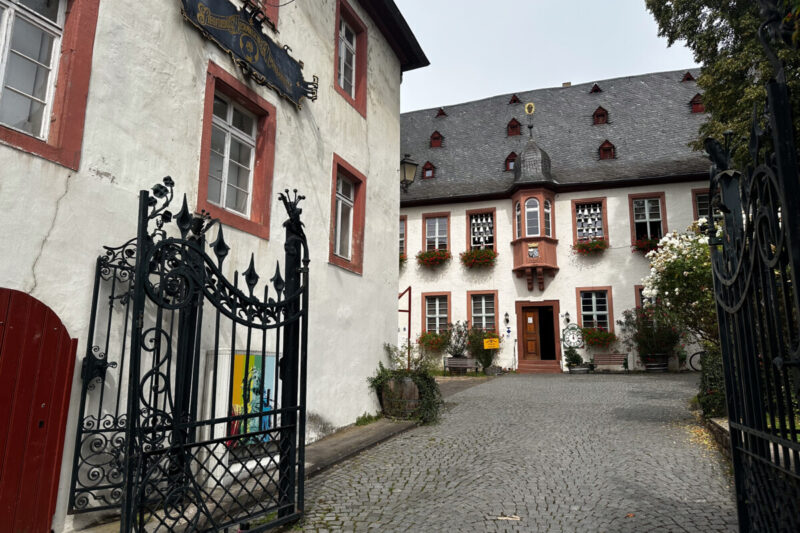
Nicholas Groente & Fruit
Nicholas Groente & Fruit is the kind of produce shop local chefs actually use — skip the tourist markets and stop here first.
Netherlands travel guides covering Amsterdam, Rotterdam, Utrecht, The Hague, and the smaller canal towns most travelers miss — bike-rental logistics, hotel picks, tulip-season timing, and museum reservation strategy. Cannabis street ban in central Amsterdam carries a €100 fine (in effect since May 2023). EES applies since April 10, 2026.
Nicholas Groente & Fruit is the kind of produce shop local chefs actually use — skip the tourist markets and stop here first.
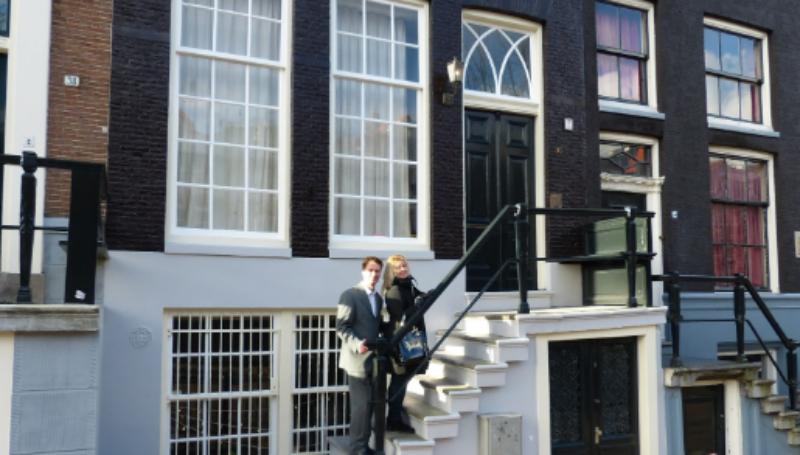
Reguliersgracht 36 is easy to walk past — until you realize Tiffany Case lived here in 1971.

Tuschinski is the rare cinema where the building outshines the film. The main hall’s private boxes and hand-knotted carpets alone justify the ticket.
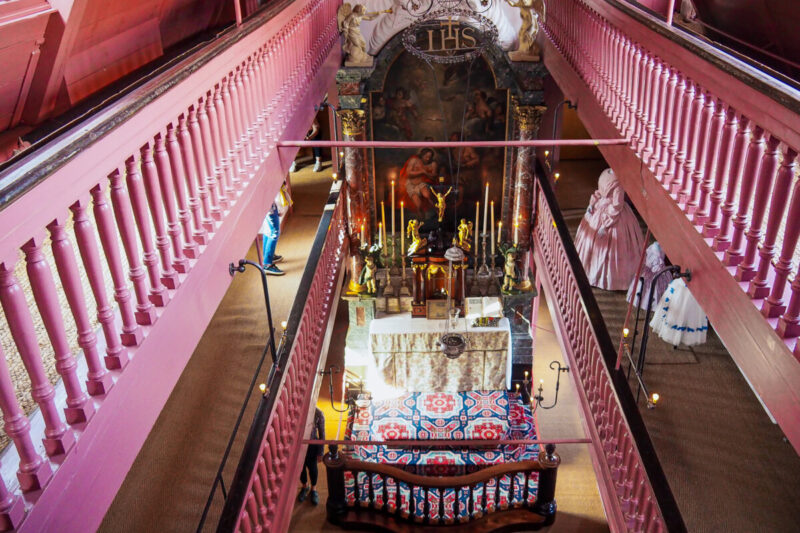
A secret Catholic church hidden inside a canal house since the 1600s — and Amsterdam’s authorities knew it was there the whole time.
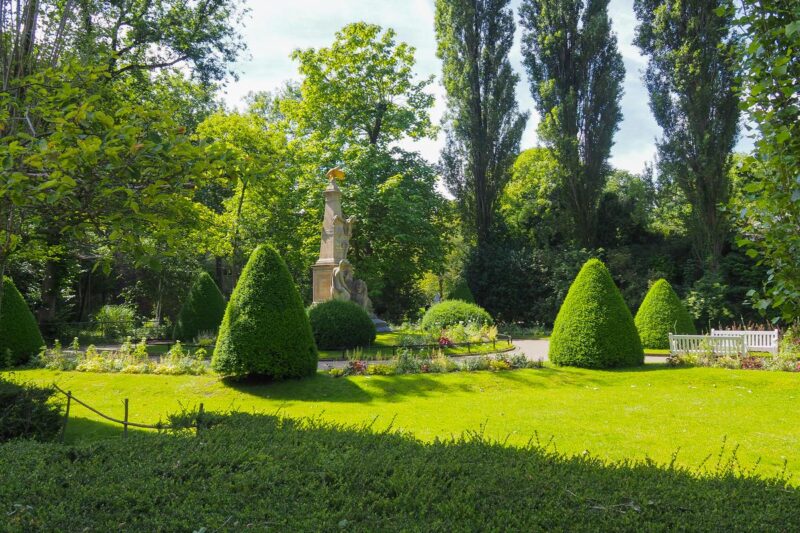
Artis is nearly 190 years old and still feels nothing like a typical zoo — the 1882 aquarium and Micropia alone justify the ticket.
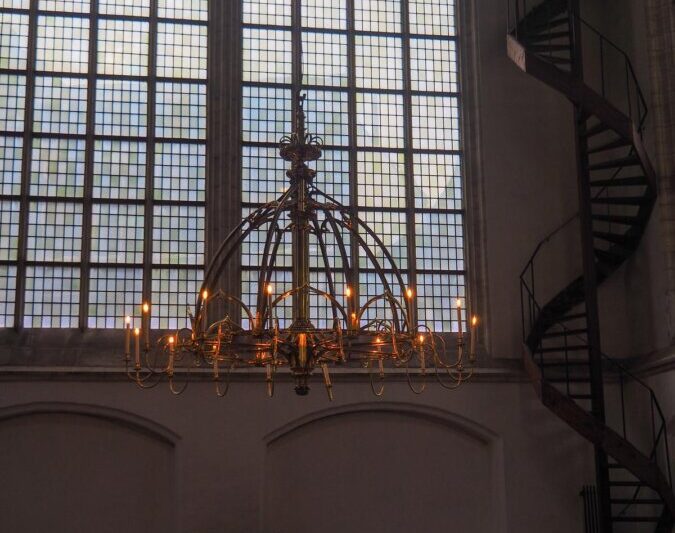
Rembrandt’s wife is buried under your feet, sex workers advertise in the windows outside. No building captures Amsterdam better.
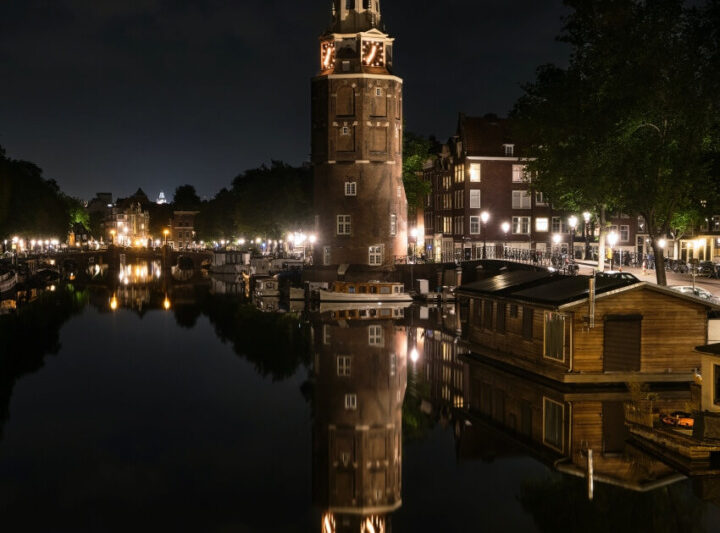
Locals call it Malle Jaap — ‘Crazy Jack’ — because the bell tower once ran so fast it had to be stopped.
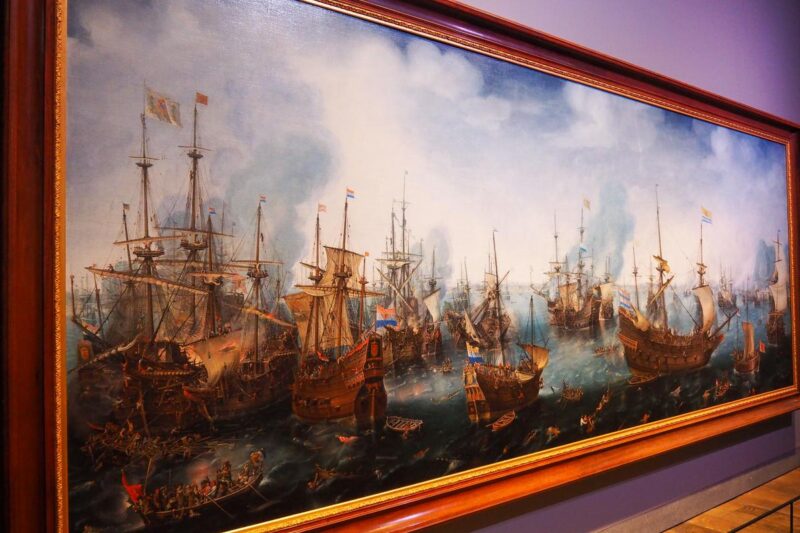
400,000 artifacts and a full-scale VOC ship docked outside — the Scheepvaartmuseum earns a half-day without question.

Electric Ladyland is the world’s only fluorescent art museum — a Jordaan cellar where UV light turns minerals and installations into something genuinely disorienting.

A converted canal barge on the Singel has been rescuing cats since 1966. It’s small, a little chaotic, and completely worth the detour.
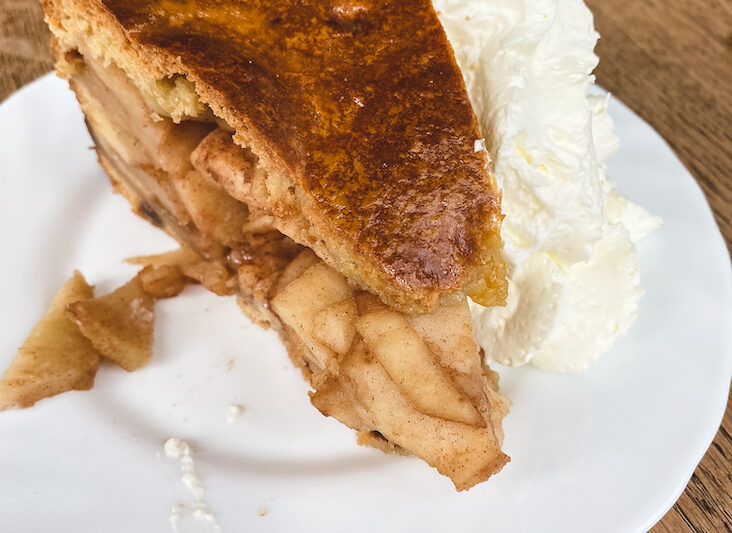
Papeneiland has been pouring jenever since 1642. The apple pie alone justifies the detour — the Delft tiles and pipe-smoke windows are just a bonus.

A Picasso, a Warhol cat dollar, and live cats on antique furniture — all inside a Golden Bend canal house built in the 1600s.

Inside the Rijksmuseum, most people walk past the library entirely. That’s a mistake — the Cuypers is 140 years of art history in one room.
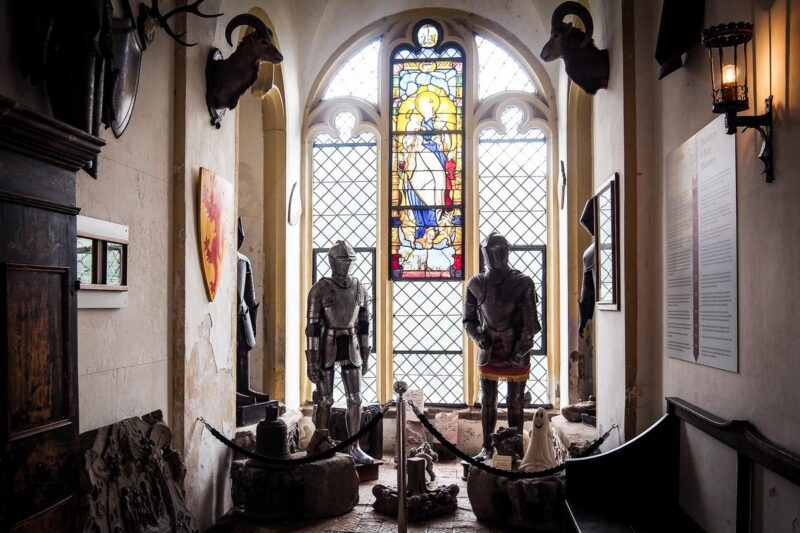
Micropia is the only museum on Earth built around microbes — and the Kiss-o-Meter alone makes it worth the detour.
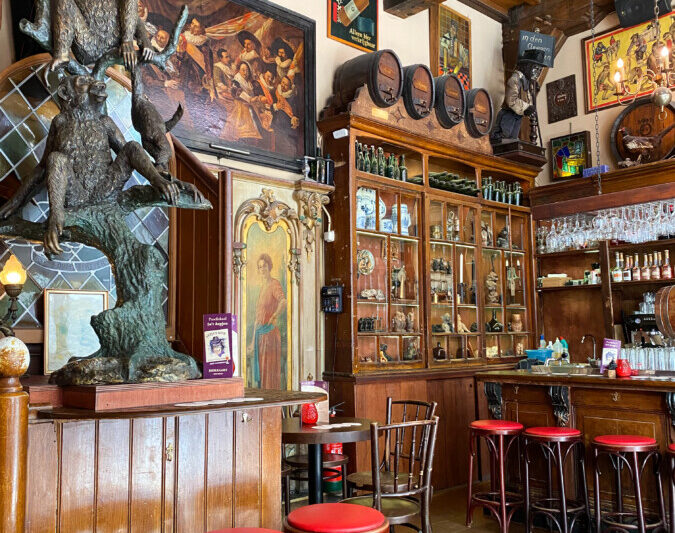
Sailors once paid their tabs here with live monkeys. In ‘t Aepjen has been pouring drinks in the same 1544 wooden building ever since.
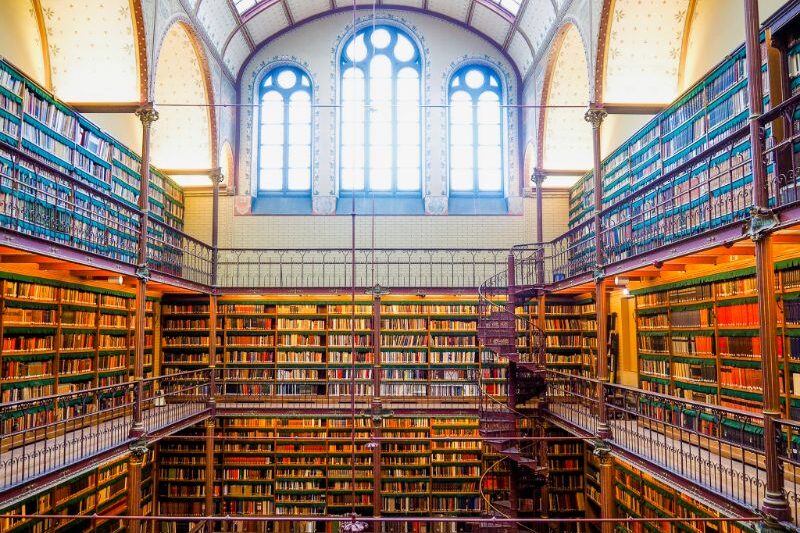
Eight thousand objects, one building. Rembrandt, Vermeer, Van Gogh — the Dutch Golden Age isn’t a chapter in a textbook here. It’s on the wall.
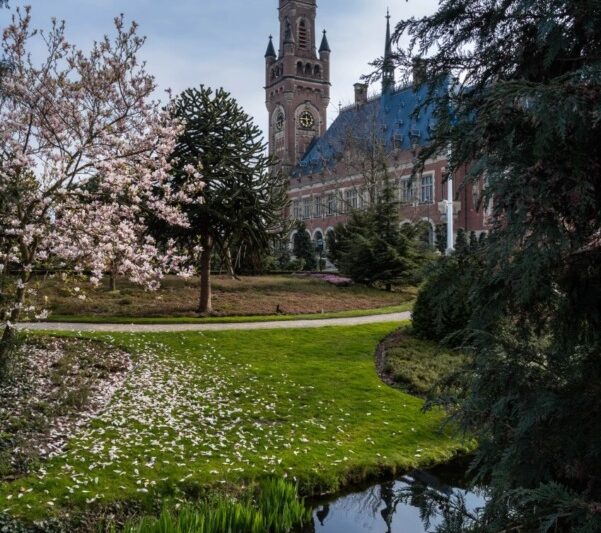
Carnegie funded it, 60 nations furnished it, and the International Court of Justice still uses it. The Peace Palace is not a museum — it is a working courthouse.
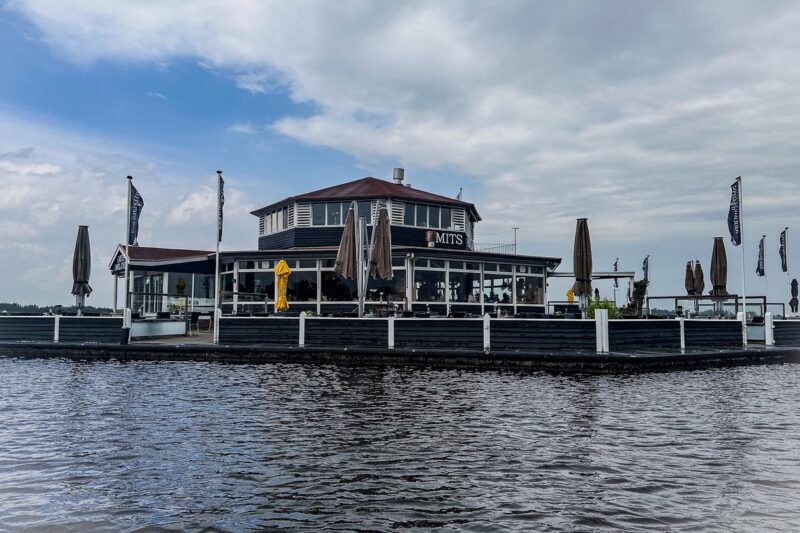
Mario Nistro arrived from Italy in 1975 as a touring drummer. By 1977, he was making 2,000 sandwiches a day on the Oudegracht.

A 13th-century church cellar, 130+ Belgian beers, proper glassware — Café Olivier is the kind of place Utrecht locals don’t advertise.

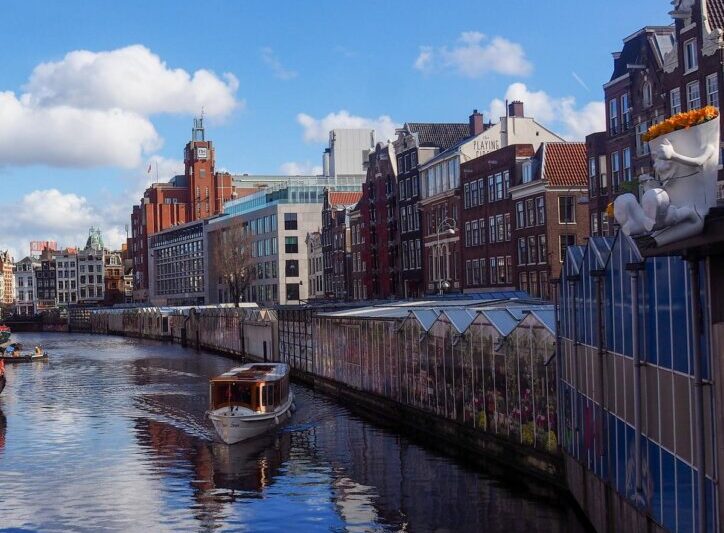
Bloemenmarkt smells exactly like you hope it will. Skip the souvenir tat and go straight for the tulip bulbs — they clear customs better than cut flowers.
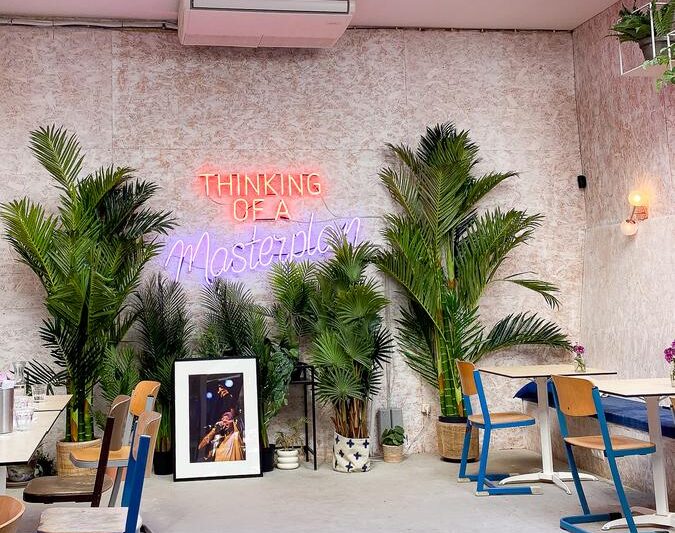
Dutch pannenkoeken are thinner, larger, and far more versatile than American pancakes — bacon and cheese at dinner is completely normal here.

The bookcase door to the Secret Annex stops you cold. Nothing else in Amsterdam hits quite like standing in that narrow stairwell.
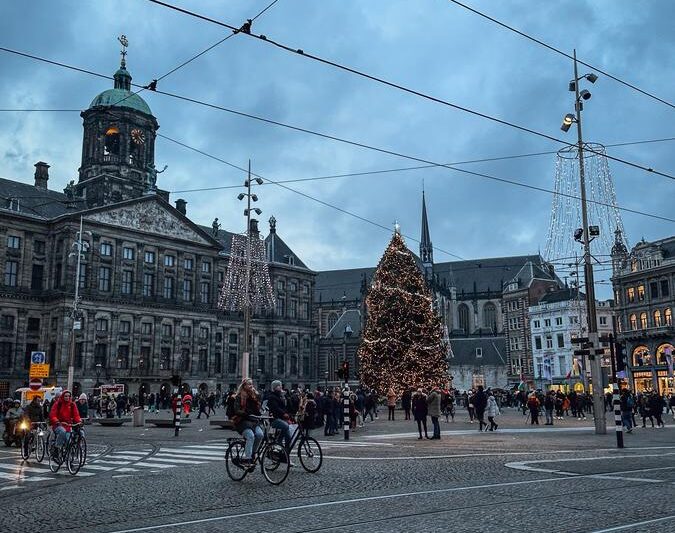
Dam Square is where Amsterdam’s 13th-century origins meet its chaotic present — Royal Palace, war memorial, and street performers all sharing the same cobblestones.