
Seoul
Wear hanbok into Gyeongbokgung for free — then catch Bukchon Hanok Village before 10am before the crowds make it nearly impossible.


South Korea travel guides covering Seoul, Busan, Jeju Island, the DMZ, and the lesser-trafficked Andong and Gyeongju regions — Korean BBQ etiquette, KTX high-speed rail strategy, hanbok rental and palace logistics, K-beauty shopping districts, and the K-pop and K-drama location pilgrimages that have reshaped Seoul tourism.
Wear hanbok into Gyeongbokgung for free — then catch Bukchon Hanok Village before 10am before the crowds make it nearly impossible.
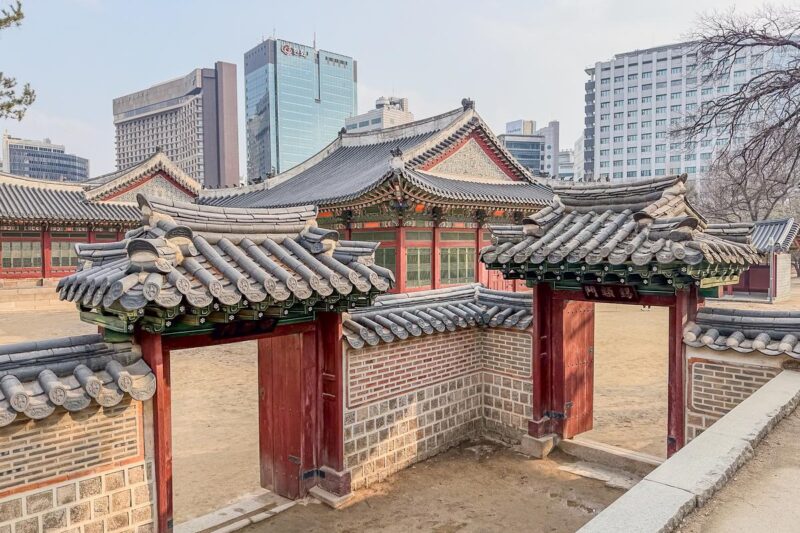
Gyeongbokgung took three hours and I still missed half of it. Go for the guard change, stay for Gyeonghoeru Pavilion.

Myeongdong moves fast — K-beauty haggling by day, tteokbokki smoke and neon by night. Budget an extra hour you didn’t plan for.
Deoksugung is the only royal palace in Seoul where a neoclassical stone hall sits steps from a Joseon throne room. That tension is the whole point.
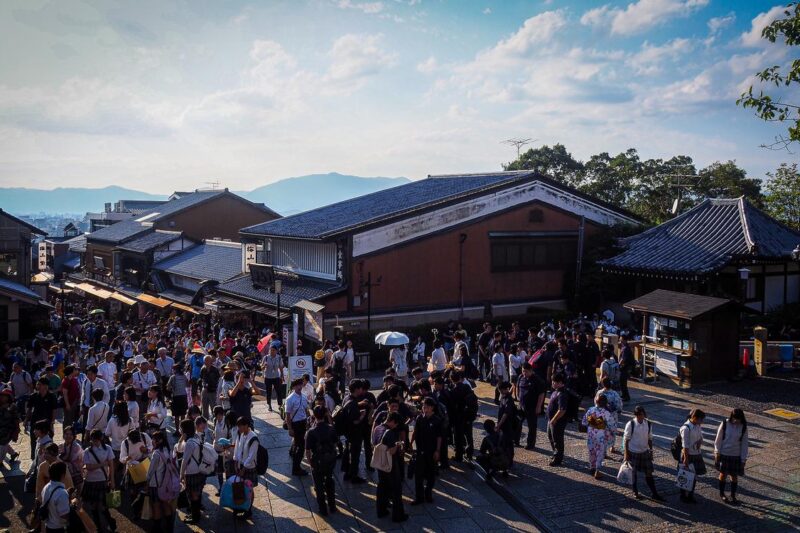
Insadong’s side alleys do more work than the main street — small galleries, hanji shops, and teahouses that tourists walking straight through entirely miss.
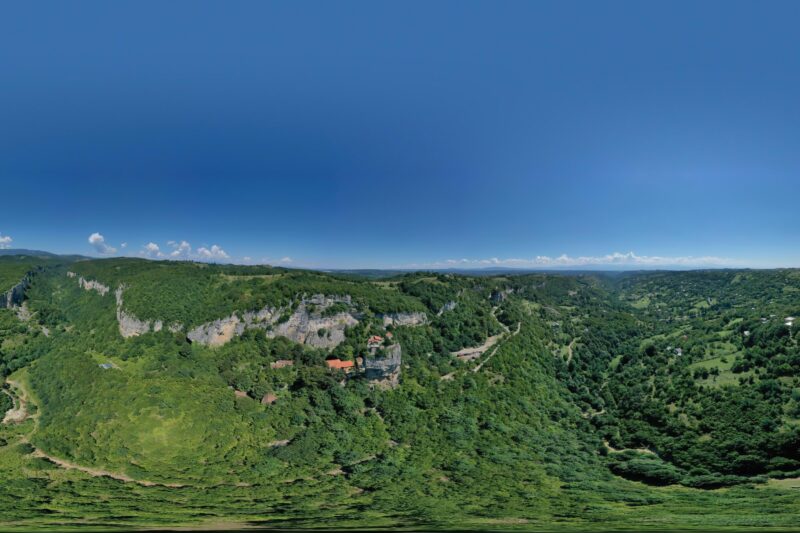
Burned down by arson in 2008 and rebuilt by hand using Joseon-era methods — Sungnyemun isn’t just old Seoul, it’s Seoul refusing to disappear.
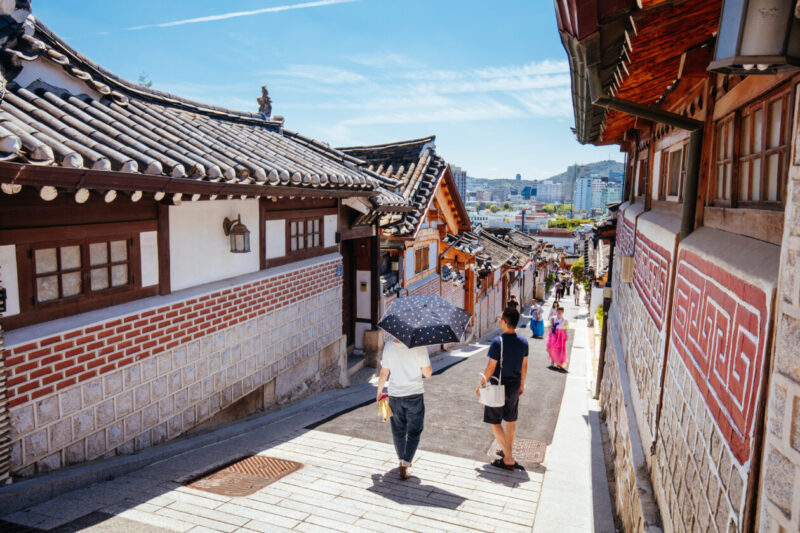
Bukchon is still a working neighborhood — locals actually live here, which makes wandering its alleys feel less like a tour and more like trespassing in the best way.
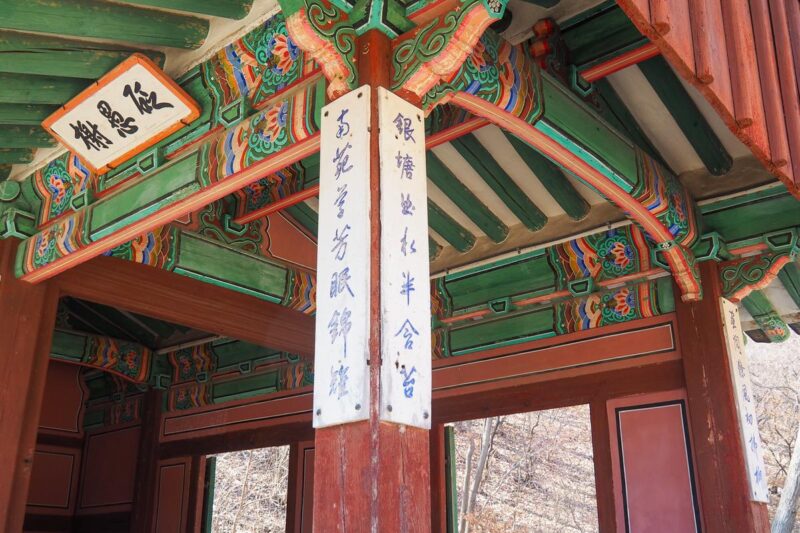
The Secret Garden reveals itself slowly — 78 acres of lotus ponds, 300-year-old trees, and royal pavilions tucked behind Changdeokgung Palace.
Changgyeonggung gets overlooked for Gyeongbokgung, but its residential scale and lotus pond make it the more human palace of Seoul’s five.
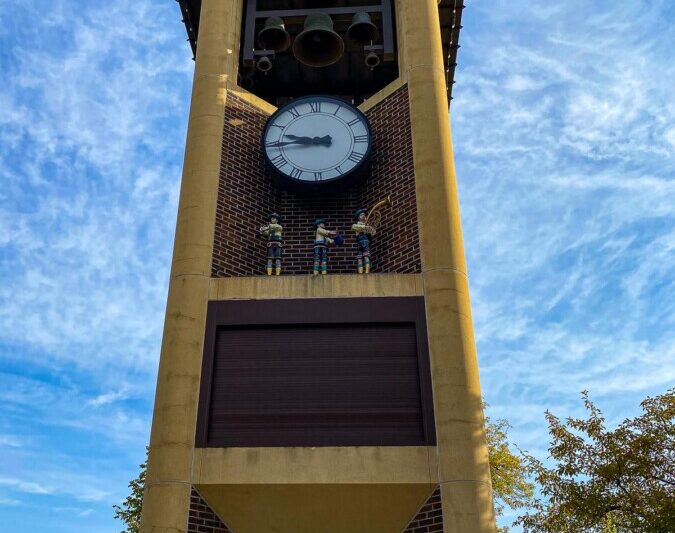
N Seoul Tower sits 236m above the city on Namsan Mountain — the views alone justify the climb, but the lock tradition keeps you longer.

50,000 books stacked two stories high inside a shopping mall — Starfield Library is the most Seoul thing I’ve ever seen.
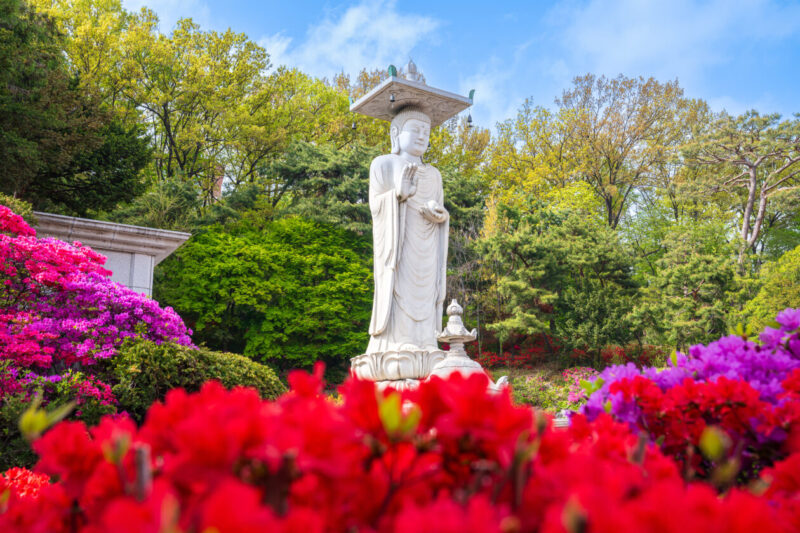
A 1,200-year-old Buddhist temple sitting directly across from COEX Mall in Gangnam — the contrast alone makes it worth the detour.
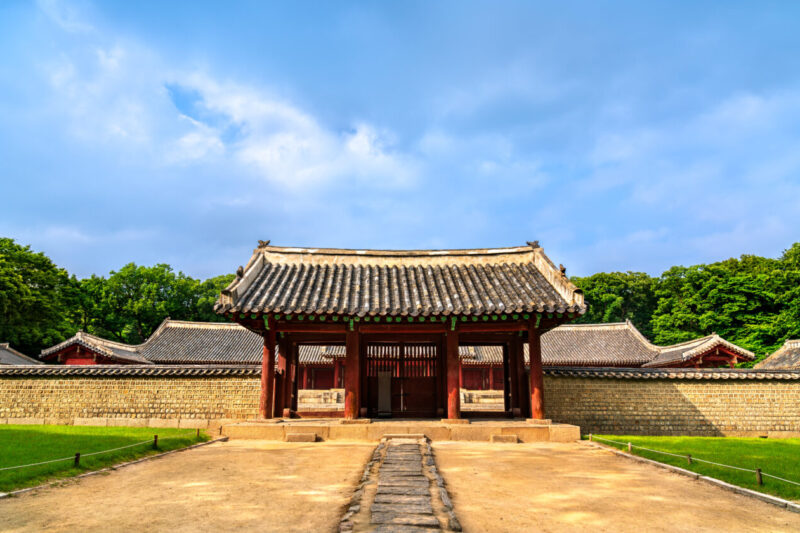
Jongmyo is the quietest place in Seoul — no color, no crowds, just stone courtyards and 600 years of Joseon ritual still intact.
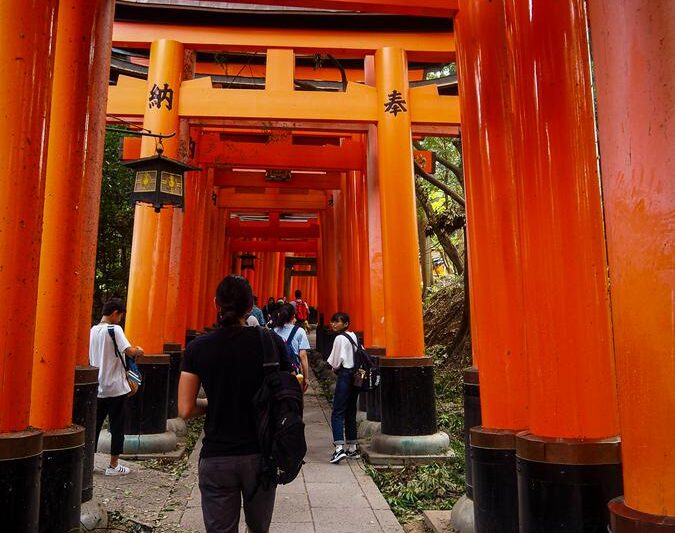
A 500-year-old pine, golden Buddhas, and paper lanterns at Buddha’s Birthday — Jogyesa is Seoul’s most accessible temple and actually worth your time.
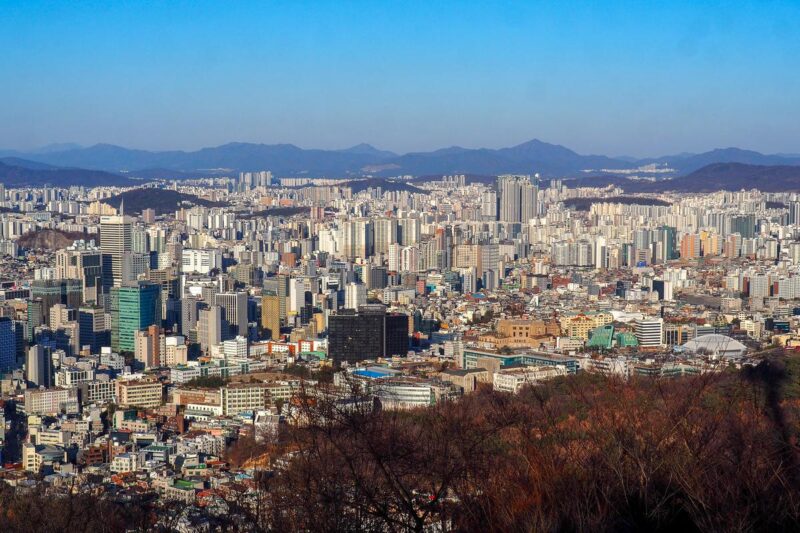
Seoul runs ancient and ultramodern in the same block. Jeju and Busan are worth the extra days most itineraries skip.