
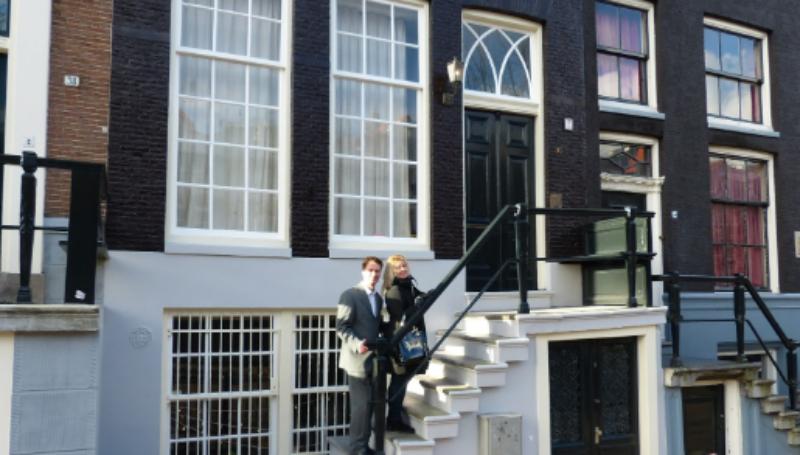
Tiffany Case House James Bond
Reguliersgracht 36 is easy to walk past — until you realize Tiffany Case lived here in 1971.
Hand-picked historical landmarks, cultural hotspots, scenic lookouts, and authentic local spots across the globe.
Reguliersgracht 36 is easy to walk past — until you realize Tiffany Case lived here in 1971.
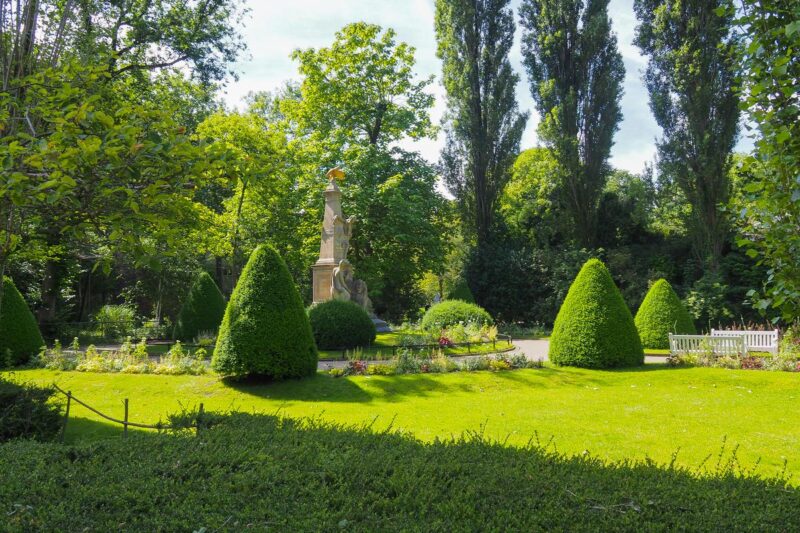
Artis is nearly 190 years old and still feels nothing like a typical zoo — the 1882 aquarium and Micropia alone justify the ticket.
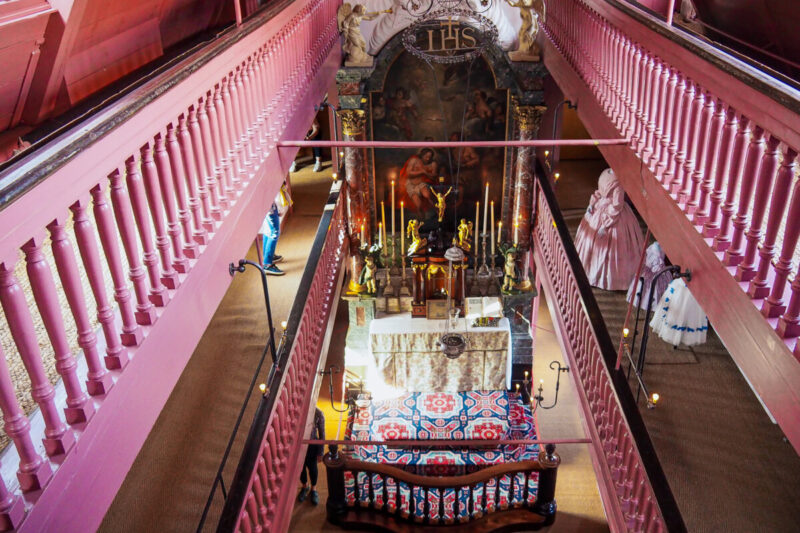
A secret Catholic church hidden inside a canal house since the 1600s — and Amsterdam’s authorities knew it was there the whole time.
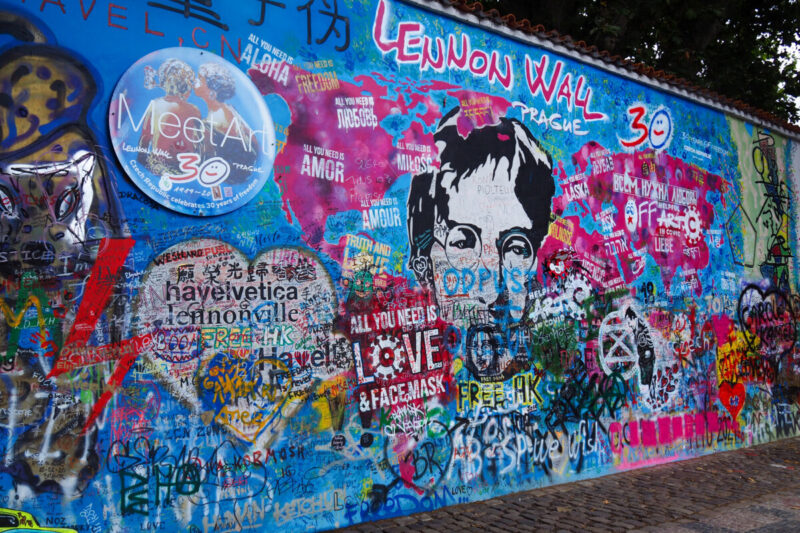
The wall gets repainted constantly — what you see today won’t exist tomorrow. That impermanence is exactly the point.
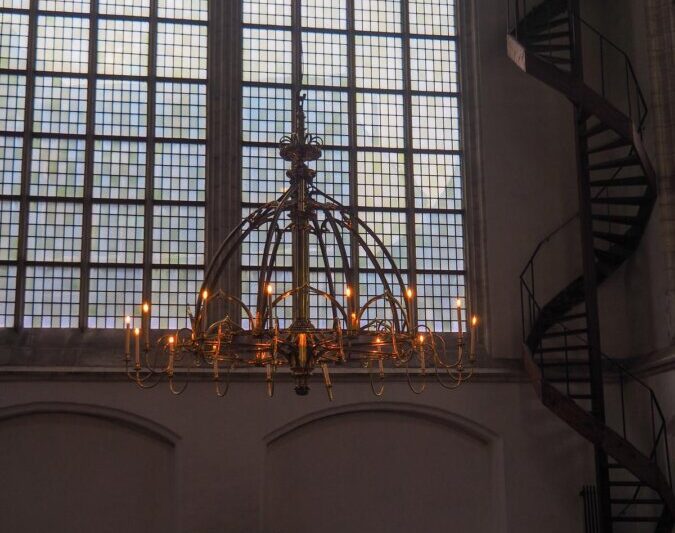
Rembrandt’s wife is buried under your feet, sex workers advertise in the windows outside. No building captures Amsterdam better.
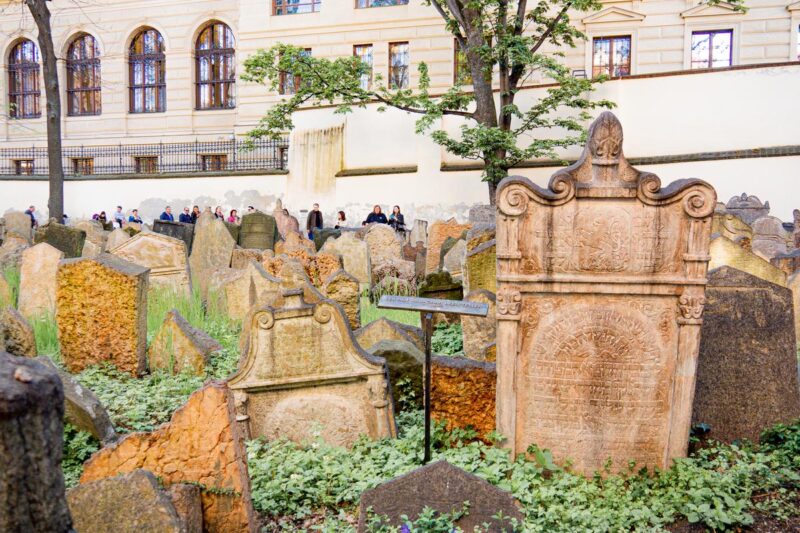
Twelve layers of graves, 12,000 tilting stones, and one plot of land. Prague’s Old Jewish Cemetery holds more history per square foot than anywhere I’ve been.

35,000 works across 72,735 square meters — the Louvre requires a plan, not a wander. Pick two wings and own them.

Jim Morrison’s grave gets the crowds, but Père-Lachaise rewards the wanderers who get lost between Chopin and Édith Piaf.
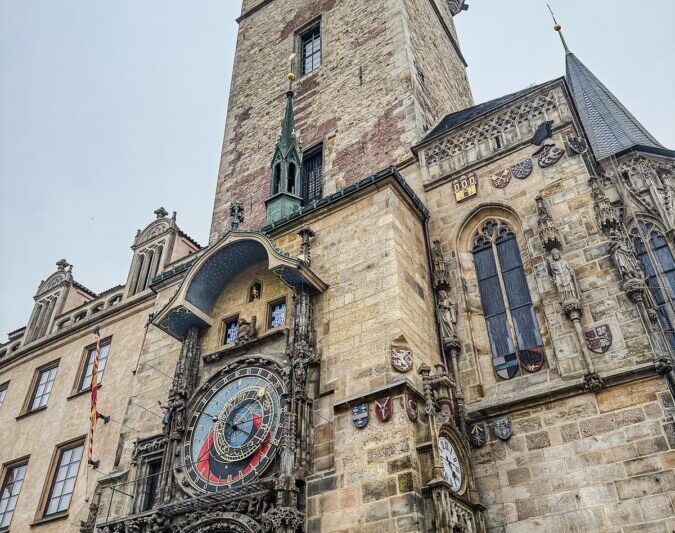
The Orloj has run continuously since 1410. The hourly Apostle show is 45 seconds — the clock itself deserves far longer.

A converted canal barge on the Singel has been rescuing cats since 1966. It’s small, a little chaotic, and completely worth the detour.

Electric Ladyland is the world’s only fluorescent art museum — a Jordaan cellar where UV light turns minerals and installations into something genuinely disorienting.
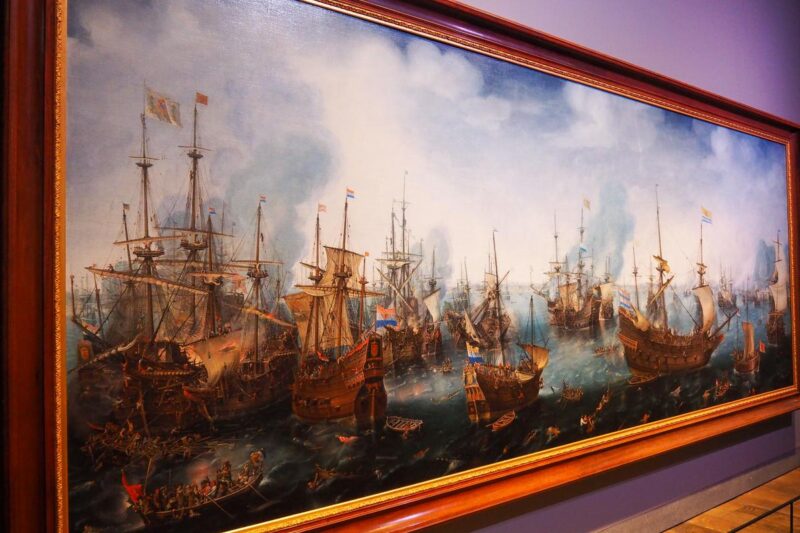
400,000 artifacts and a full-scale VOC ship docked outside — the Scheepvaartmuseum earns a half-day without question.
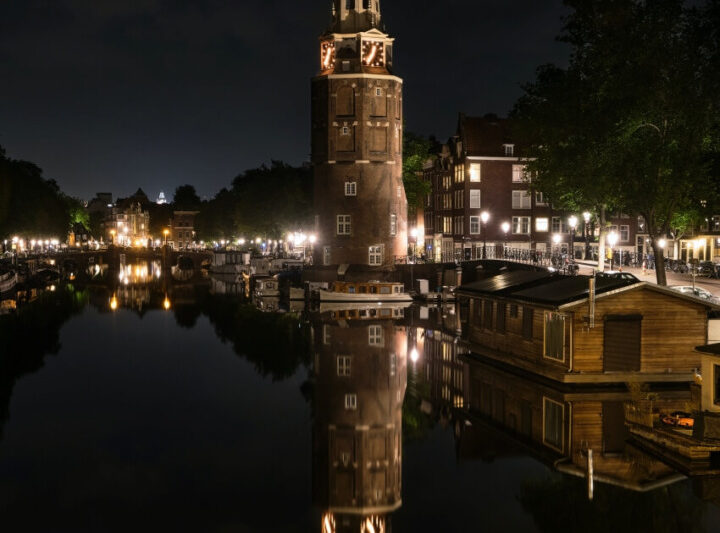
Locals call it Malle Jaap — ‘Crazy Jack’ — because the bell tower once ran so fast it had to be stopped.
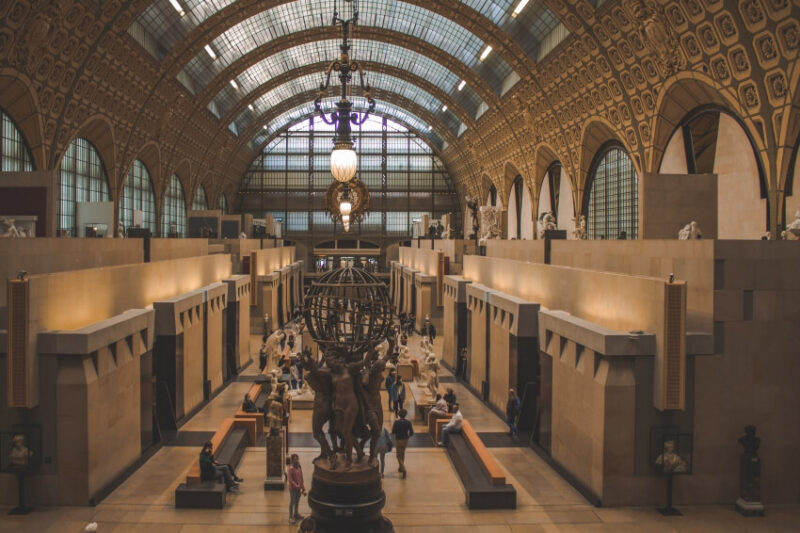
Start on the 5th floor — that’s where the Monets and Van Goghs live. The clock windows over the Seine are worth the trip alone.
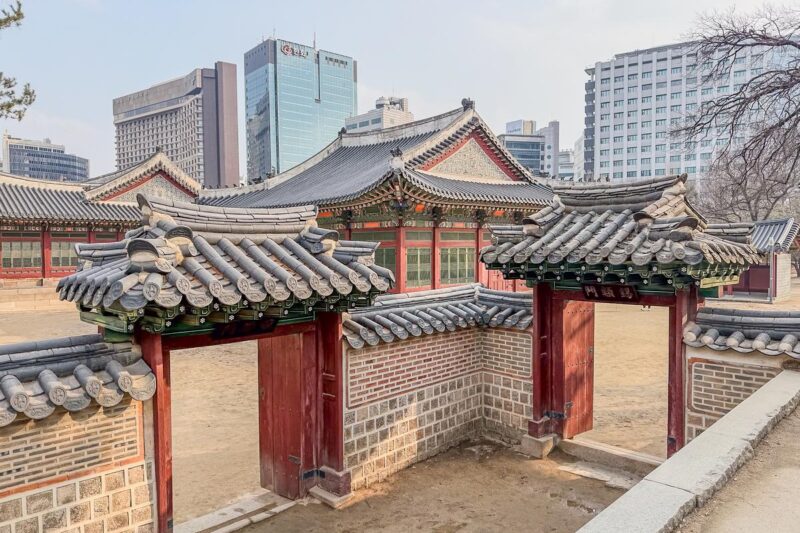
Changgyeonggung gets overlooked for Gyeongbokgung, but its residential scale and lotus pond make it the more human palace of Seoul’s five.
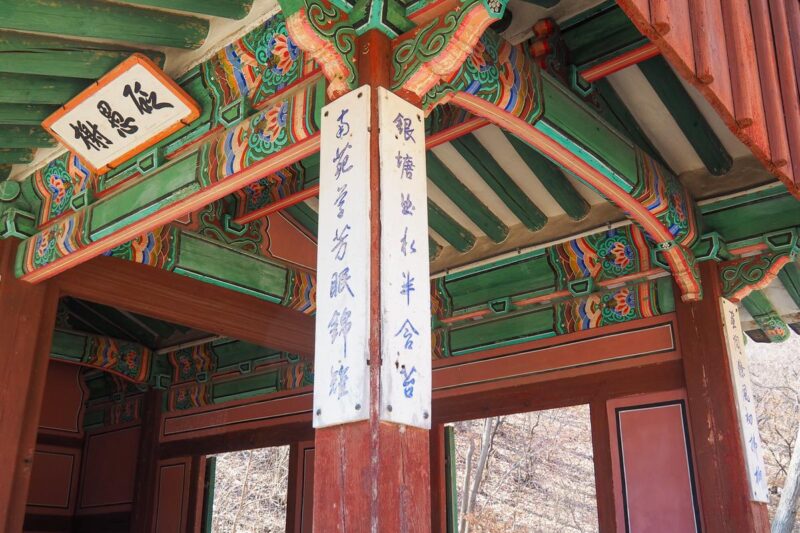
The Secret Garden reveals itself slowly — 78 acres of lotus ponds, 300-year-old trees, and royal pavilions tucked behind Changdeokgung Palace.
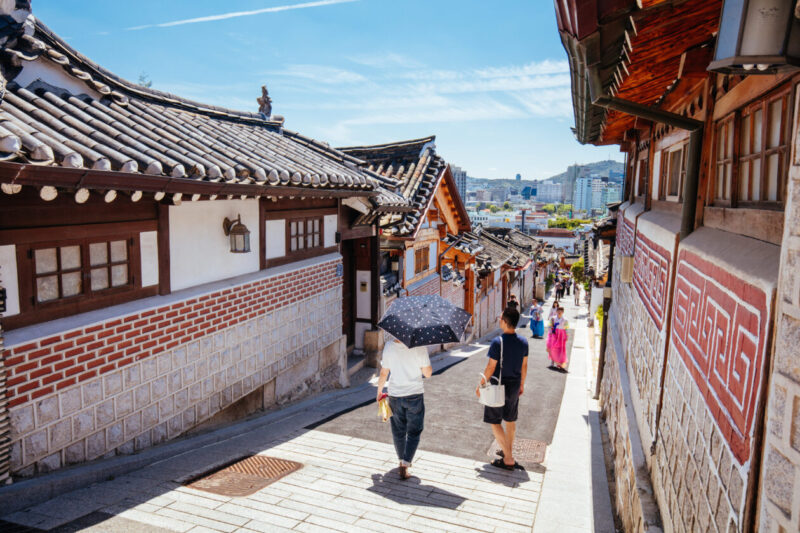
Bukchon is still a working neighborhood — locals actually live here, which makes wandering its alleys feel less like a tour and more like trespassing in the best way.
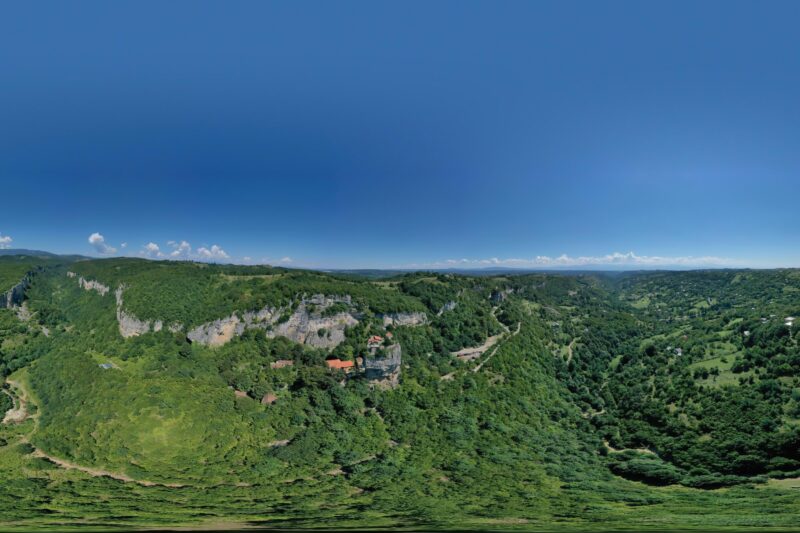
Burned down by arson in 2008 and rebuilt by hand using Joseon-era methods — Sungnyemun isn’t just old Seoul, it’s Seoul refusing to disappear.
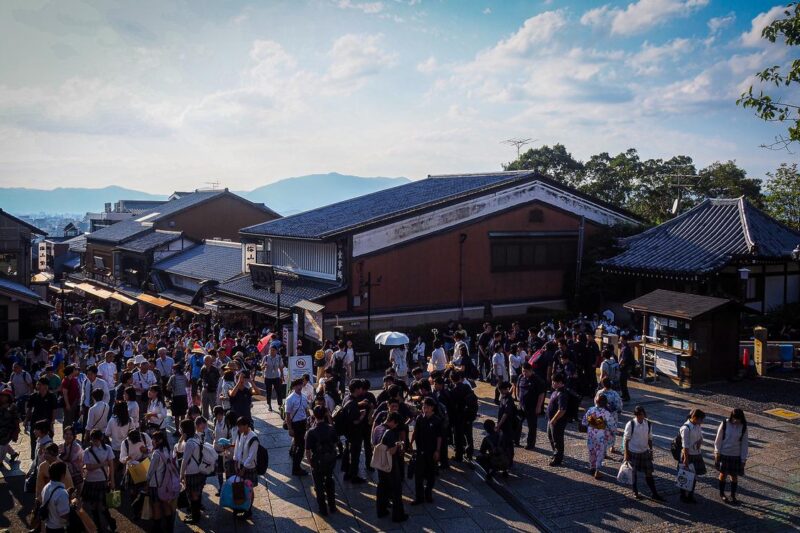
Insadong’s side alleys do more work than the main street — small galleries, hanji shops, and teahouses that tourists walking straight through entirely miss.
Deoksugung is the only royal palace in Seoul where a neoclassical stone hall sits steps from a Joseon throne room. That tension is the whole point.

Myeongdong moves fast — K-beauty haggling by day, tteokbokki smoke and neon by night. Budget an extra hour you didn’t plan for.
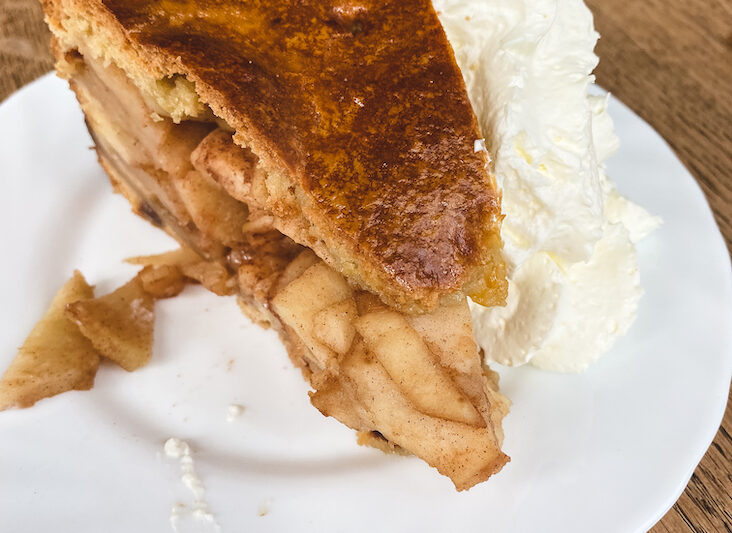
Papeneiland has been pouring jenever since 1642. The apple pie alone justifies the detour — the Delft tiles and pipe-smoke windows are just a bonus.
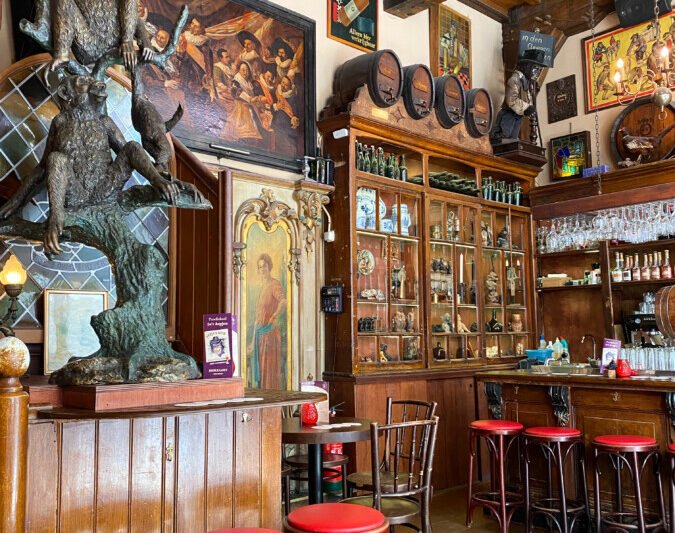
Sailors once paid their tabs here with live monkeys. In ‘t Aepjen has been pouring drinks in the same 1544 wooden building ever since.
Micropia is the only museum on Earth built around microbes — and the Kiss-o-Meter alone makes it worth the detour.