Artis Amsterdam Royal Zoo
Artis is nearly 190 years old and still feels nothing like a typical zoo — the 1882 aquarium and Micropia alone justify the ticket.


Solo travel has gone fully mainstream — roughly three in four Millennial and Gen Z travelers now plan trips on their own, and most are choosing longer stays over quick getaways. This archive covers safety-first destination picks, social hostels and group tours, and itineraries designed for travelers who set their own pace and answer to no one.
Artis is nearly 190 years old and still feels nothing like a typical zoo — the 1882 aquarium and Micropia alone justify the ticket.

35,000 works across 72,735 square meters — the Louvre requires a plan, not a wander. Pick two wings and own them.
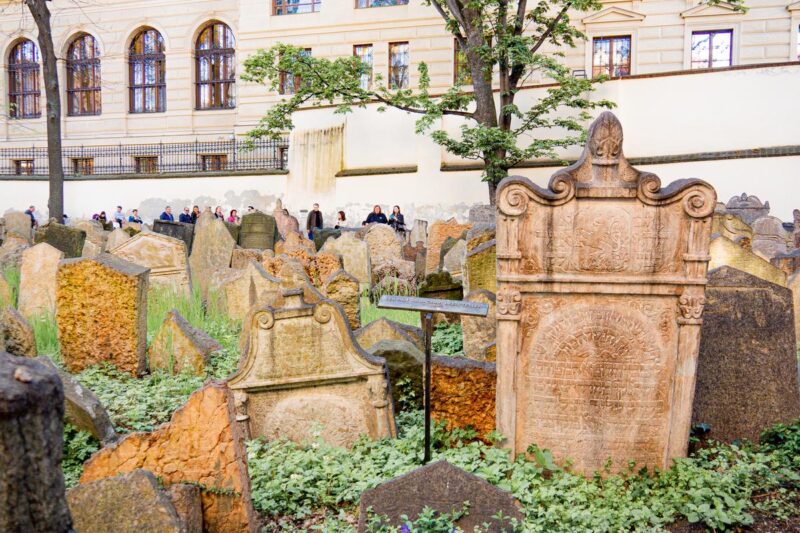
Twelve layers of graves, 12,000 tilting stones, and one plot of land. Prague’s Old Jewish Cemetery holds more history per square foot than anywhere I’ve been.
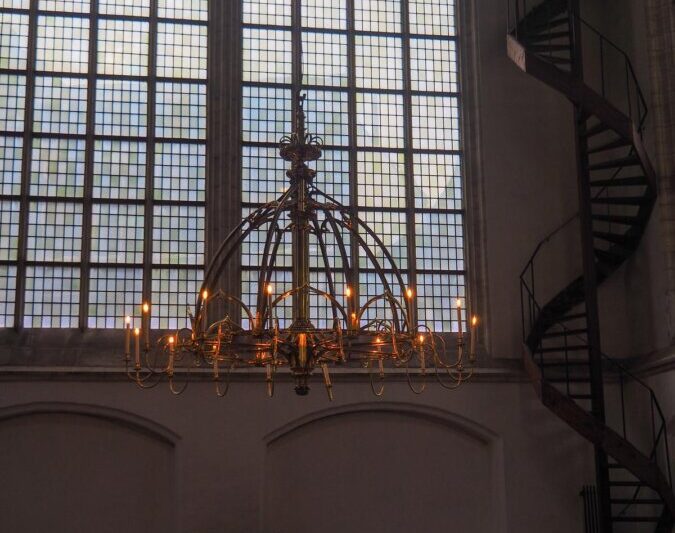
Rembrandt’s wife is buried under your feet, sex workers advertise in the windows outside. No building captures Amsterdam better.
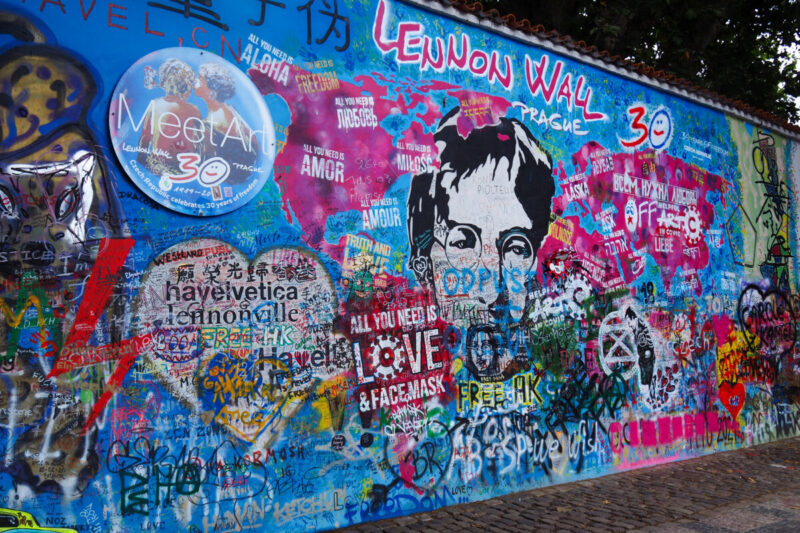
The wall gets repainted constantly — what you see today won’t exist tomorrow. That impermanence is exactly the point.
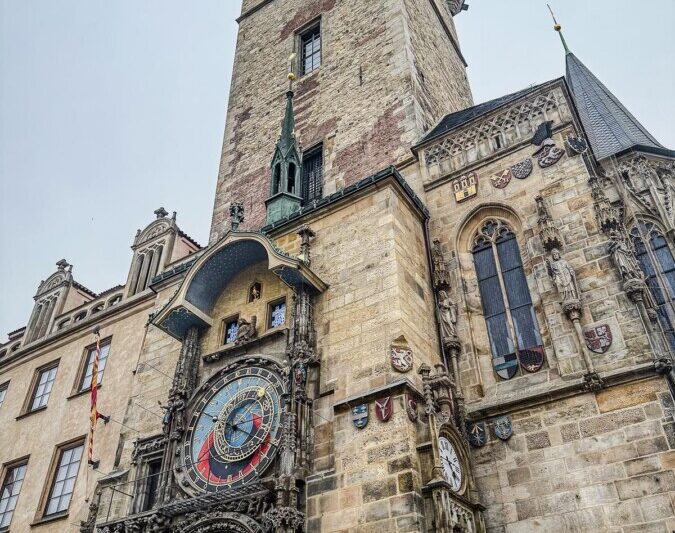
The Orloj has run continuously since 1410. The hourly Apostle show is 45 seconds — the clock itself deserves far longer.

Jim Morrison’s grave gets the crowds, but Père-Lachaise rewards the wanderers who get lost between Chopin and Édith Piaf.
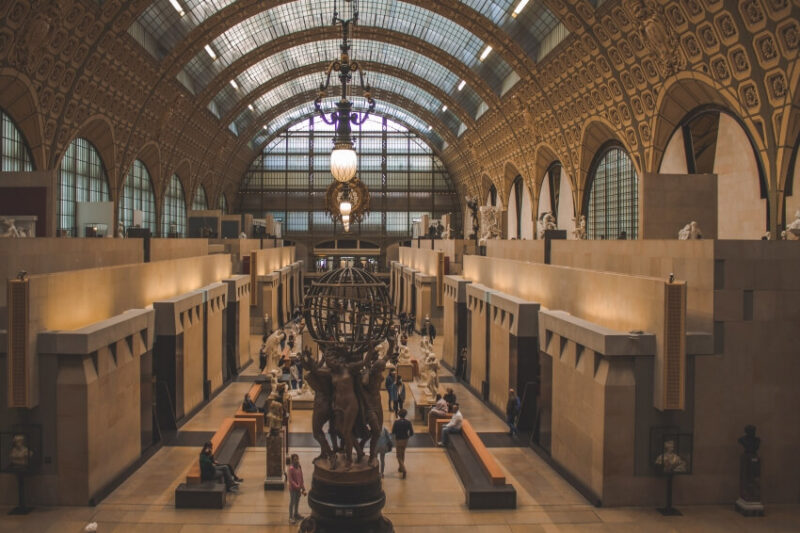
Start on the 5th floor — that’s where the Monets and Van Goghs live. The clock windows over the Seine are worth the trip alone.
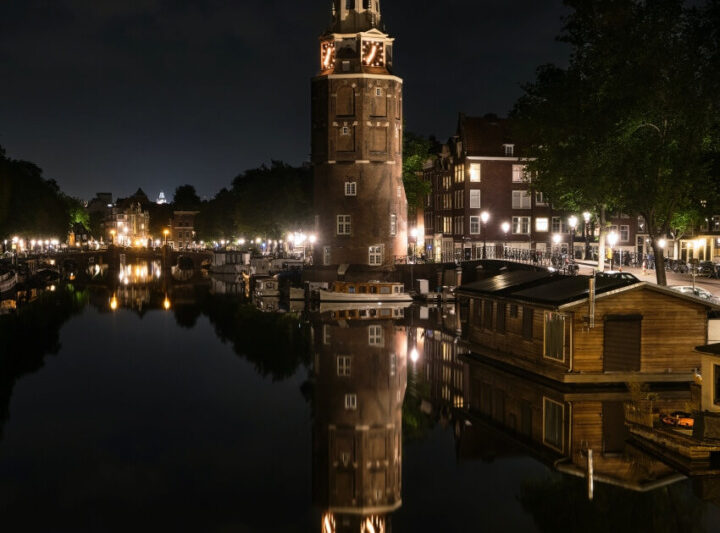
Locals call it Malle Jaap — ‘Crazy Jack’ — because the bell tower once ran so fast it had to be stopped.
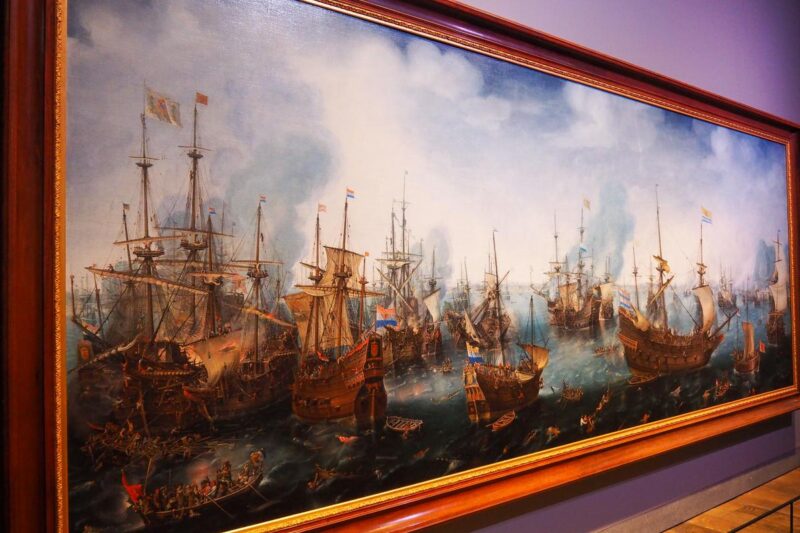
400,000 artifacts and a full-scale VOC ship docked outside — the Scheepvaartmuseum earns a half-day without question.

Electric Ladyland is the world’s only fluorescent art museum — a Jordaan cellar where UV light turns minerals and installations into something genuinely disorienting.

A converted canal barge on the Singel has been rescuing cats since 1966. It’s small, a little chaotic, and completely worth the detour.

Myeongdong moves fast — K-beauty haggling by day, tteokbokki smoke and neon by night. Budget an extra hour you didn’t plan for.
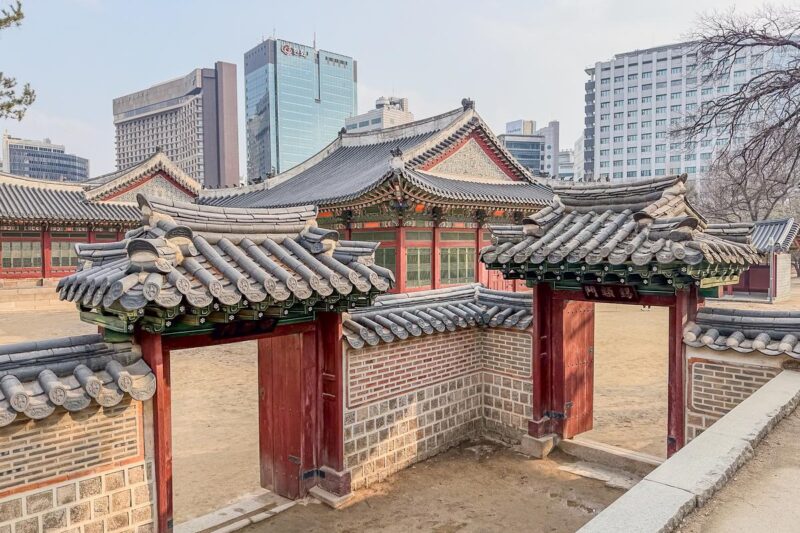
Deoksugung is the only royal palace in Seoul where a neoclassical stone hall sits steps from a Joseon throne room. That tension is the whole point.

Insadong’s side alleys do more work than the main street — small galleries, hanji shops, and teahouses that tourists walking straight through entirely miss.
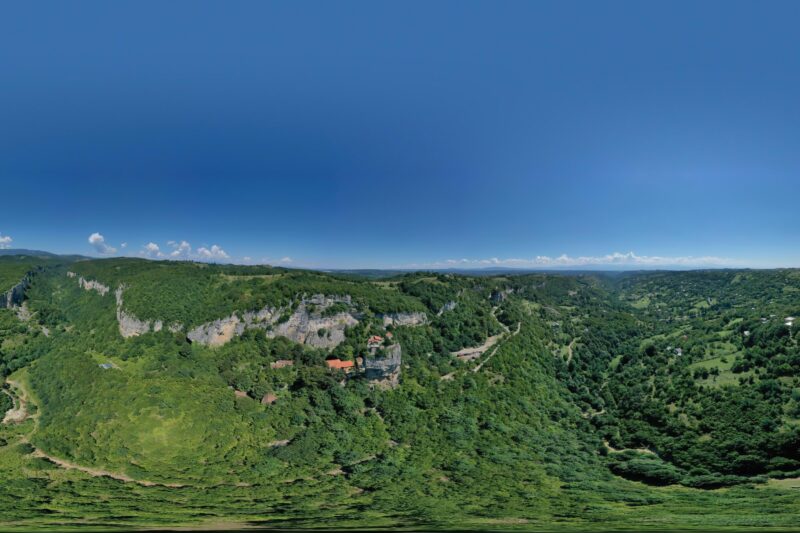
Burned down by arson in 2008 and rebuilt by hand using Joseon-era methods — Sungnyemun isn’t just old Seoul, it’s Seoul refusing to disappear.
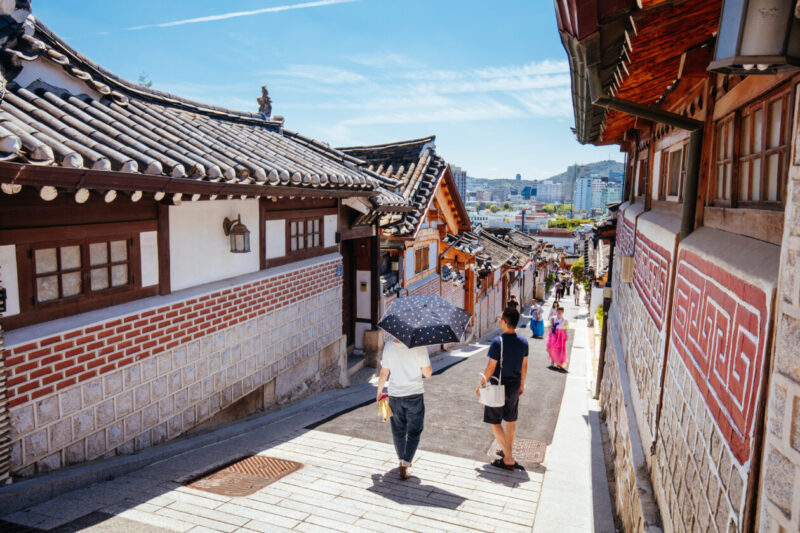
Bukchon is still a working neighborhood — locals actually live here, which makes wandering its alleys feel less like a tour and more like trespassing in the best way.
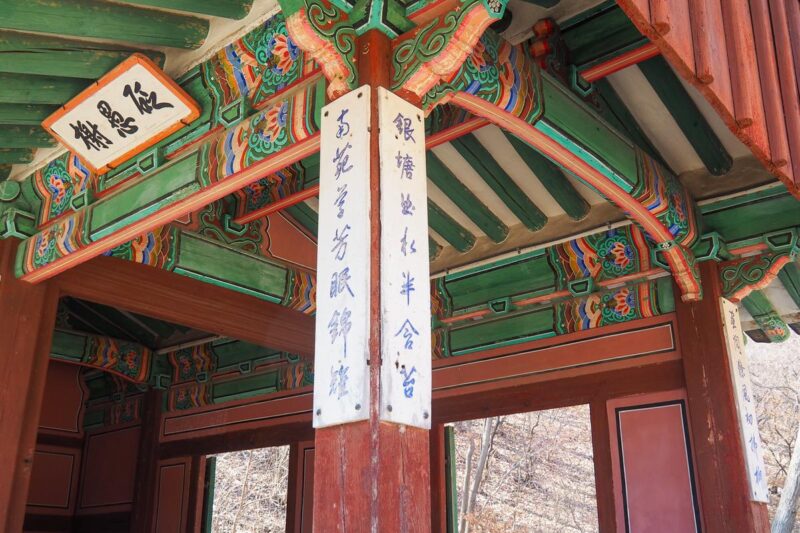
The Secret Garden reveals itself slowly — 78 acres of lotus ponds, 300-year-old trees, and royal pavilions tucked behind Changdeokgung Palace.
Changgyeonggung gets overlooked for Gyeongbokgung, but its residential scale and lotus pond make it the more human palace of Seoul’s five.

A Picasso, a Warhol cat dollar, and live cats on antique furniture — all inside a Golden Bend canal house built in the 1600s.

Inside the Rijksmuseum, most people walk past the library entirely. That’s a mistake — the Cuypers is 140 years of art history in one room.
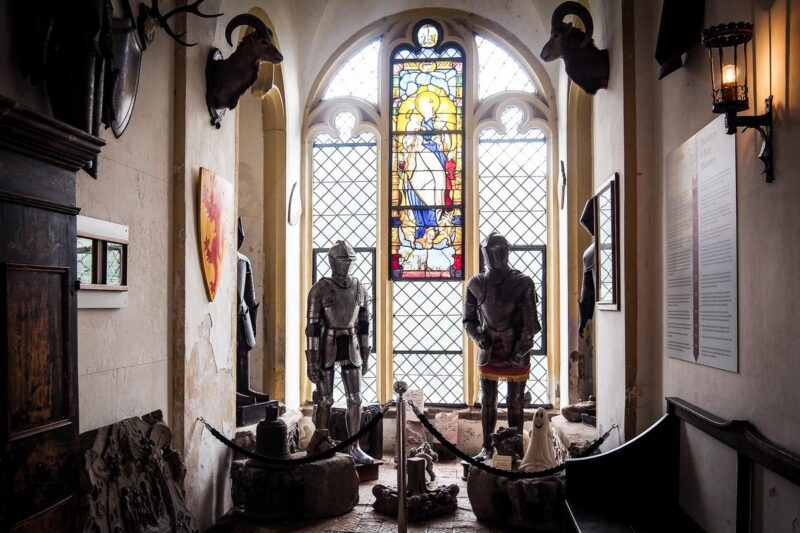
Micropia is the only museum on Earth built around microbes — and the Kiss-o-Meter alone makes it worth the detour.
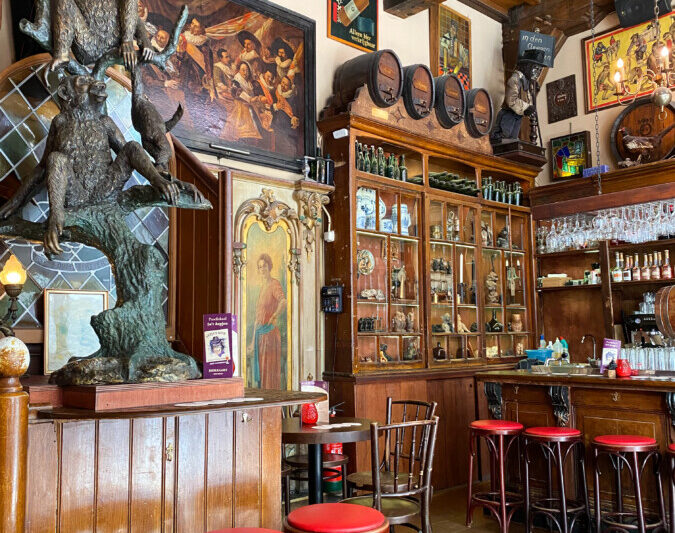
Sailors once paid their tabs here with live monkeys. In ‘t Aepjen has been pouring drinks in the same 1544 wooden building ever since.
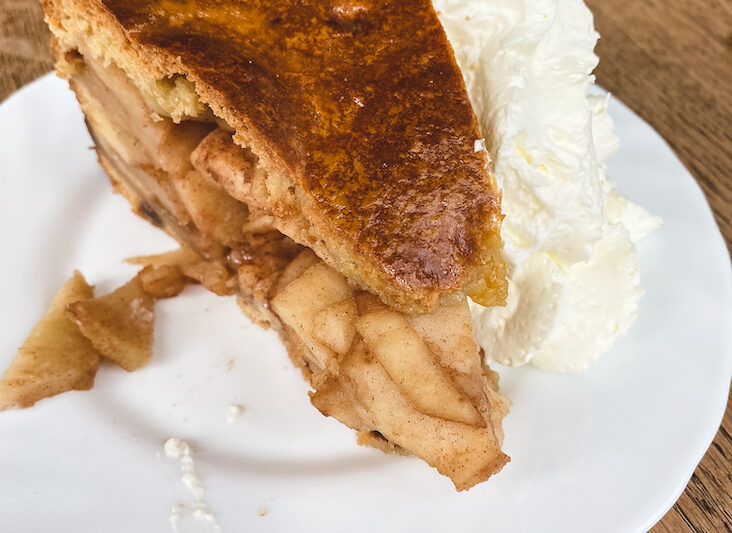
Papeneiland has been pouring jenever since 1642. The apple pie alone justifies the detour — the Delft tiles and pipe-smoke windows are just a bonus.