MenuClose

The destination guide

Berlin

City in Germany, Germany, EuropeUpdated

  • Overall9/10
  • Best forSolo travelers
  • PeakJun, Jul, Aug, Sep
  • CurrencyEUR

Explore Berlin’s culture, attractions, and travel tips in this guide.

Berlin, Germany is one of Europe's top cities to visit
Essentials

At a glance

Currency€ EURCode: EUR
Time zoneCentral European Time
Languages
  • German
Setting
  • Urban cityscape
  • Spree River
  • Parks and forests
  • Brandenburg Gate
Known for
  • History
  • Cold War
  • Nightlife
  • Techno & Clubs
  • Street Art
  • Museums
  • Architecture
  • Multicultural Food
Population3.6M3,573,938 residents
VisaDuration: Up to 90 days within any 180-day period in the Schengen Area · Documents: Valid passport issued within the last 10 years and valid for at least 3 months after planned departure, plus proof of accommodation, onward or return travel, and sufficient funds if requested
Daily budget$45–$120 / day Full budget guide →Budget destination
Scorecard

How Berlin scores

9/10OverallExcellent
Weather6/10
Value for money8/10
Safety7/10
Food & cuisine8/10
Culture & arts10/10
Cultural experience10/10
History10/10
Nature & outdoors6/10
Adventure4/10
Nightlife8/10
Shopping8/10
Family friendly7/10
Romance6/10

Editorial scores on a 10-point scale, weighed against destinations of the same kind.

Safety

Travel safety snapshot

Overall85/100High rating
Women travellers86/100
LGBTQ+ travellers90/100
Theft70/100
Medical care86/100
Physical harm85/100
Political freedom85/100

SafePlace indicators use their source 100-point scale; higher is more favourable. Planning context, not a live travel advisory — check official government guidance before you go.

Seasonality

When to go

Best months to visit: April, May, June, July, August, September, October and December.

  1. January: -0.5 to 3.7 degrees Celsius, 9.4 millimetres of rain, best-time score 2 out of 5.
  2. February: -1 to 5.4 degrees Celsius, 5.7 millimetres of rain, best-time score 2 out of 5.
  3. March: 2.4 to 8.3 degrees Celsius, 12.7 millimetres of rain, best-time score 3 out of 5.
  4. April: 5.1 to 14.1 degrees Celsius, 14.3 millimetres of rain, best-time score 4 out of 5.
  5. May: 7.9 to 17.4 degrees Celsius, 15.7 millimetres of rain, best-time score 5 out of 5.
  6. June: 12.7 to 22.7 degrees Celsius, 10.8 millimetres of rain, best-time score 5 out of 5.
  7. July: 15.1 to 23.5 degrees Celsius, 6.8 millimetres of rain, best-time score 5 out of 5.
  8. August: 15.8 to 25.8 degrees Celsius, 7.6 millimetres of rain, best-time score 4 out of 5.
  9. September: 13 to 21.1 degrees Celsius, 7 millimetres of rain, best-time score 5 out of 5.
  10. October: 8.1 to 13.6 degrees Celsius, 17 millimetres of rain, best-time score 4 out of 5.
  11. November: 4.5 to 9.3 degrees Celsius, 15.2 millimetres of rain, best-time score 3 out of 5.
  12. December: -0.4 to 3.9 degrees Celsius, 16.8 millimetres of rain, best-time score 4 out of 5.
Month-by-month conditions and packing advice
January
Cold weather, mostly dry Cold and grey, post-holiday quiet, indoor culture and cozy cafés.
February
Cold weather, mostly dry Still cold; the Berlinale film festival brings buzz.
March
Cool weather, mostly dry Early spring, cool but reviving, smaller crowds.
April
Cool weather, mostly dry Mild spring days and blossoms; pleasant sightseeing.
May
Cool weather, mostly dry Warm, lively, parks and beer gardens reopen.
June
Warm and pleasant, mostly dry Long days, festivals, and the start of lake season.
July
Warm and pleasant, mostly dry Warm summer, Pride, and peak outdoor life.
August
Warm and pleasant, mostly dry Warm and busy; some locals away on holiday.
September
Warm and pleasant, mostly dry Golden early autumn, comfortable and festival-rich.
October
Cool weather, mostly dry Crisp autumn, Festival of Lights, fewer crowds.
November
Cool weather, mostly dry Cold and grey, quiet before the Christmas markets.
December
Cold weather, mostly dry Cold but festive with Christmas markets citywide.
Peak season
  • June
  • July
  • August
  • September
  • December
Off-peak
  • January
  • February
  • March
Berlin, Germany is one of Europe's top cities to visit
Overview

Know before you go

About

Berlin. The capital of Germany. The Athens on the Spree River. The Berlin Wall. The Brandenburg Gate. World War II. The Cold War. Stunning beer gardens, cutting-edge art, world-class museums, enormous parks, and the best nightlife on the planet. Berlin, dear friends, is a lively cocktail of history and hedonism, a tantalizing jigsaw pieced together by culture, graffiti, sausages, and techno beats that hum under the city’s breath.

Few cities on earth can match Berlin in just about every department. Berlin has seen it all. Once recognized for suppression and fear, present-day Berlin is a leading light in hospitality, multiculturalism, and accomplishment. And although it’s a sprawling city, it feels small, laid back, and relaxed.

I first visited in 2012, and with family living in the city, I return at least once a year. With each trip to Berlin, I try to find something new, which is not difficult. Seeing everything would take a lifetime, but let’s start with the basics.

Neighbourhoods
Each unique character and story of Berlin’s neighborhoods invites visitors to explore the city beyond its famous landmarks. The twelve boroughs of Berlin, from the historic charm of Charlottenburg to the socialist architecture of Marzahn, offer a diverse cultural experience. In the west, Spandau and Steglitz-Zehlendorf are enchanted with clear lakes and green expanses, while Tempelhof-Schöneberg boasts lively shopping districts. East Berlin’s neighborhoods are distinct: Pankow is home to royal history, Marzahn-Hellersdorf reveals GDR-era living, Lichtenberg hosts Europe’s largest zoo, and Treptow-Köpenick offers serene waterways. The central districts, including Mitte, Friedrichshain-Kreuzberg, Neukölln, and Charlottenburg-Wilmersdorf, pulse with urban culture and life. For an immersive experience, the “Going Local Berlin” app provides over 700 tips for exploring these neighborhoods.
Borough Notable Neighborhoods/Subdistricts Characteristics
Charlottenburg-Wilmersdorf Charlottenburg, Wilmersdorf Historic sites, shopping, affluent residential areas
Friedrichshain-Kreuzberg Friedrichshain, Kreuzberg Vibrant nightlife, counterculture, and street art
Lichtenberg Fennpfuhl, Rummelsburg Diverse, family-friendly, with a mix of old and new housing
Marzahn-Hellersdorf Marzahn, Hellersdorf Plattenbau housing estates, gardens, and recreational areas
Mitte Mitte, Tiergarten, Wedding City center, government buildings, and tourist attractions
Neukölln Neukölln, Britz, Rudow Multicultural, up-and-coming creative scene
Pankow Prenzlauer Berg, Weißensee Trendy cafes, historic buildings, and popular with young families
Reinickendorf Tegel, Reinickendorf Lakes, parks, and the Tegel Airport
Spandau Spandau, Haselhorst Medieval old town, citadel, and waterways
Steglitz-Zehlendorf Steglitz, Zehlendorf Education institutions, affluent neighborhoods, and lakes
Tempelhof-Schöneberg Tempelhof, Schöneberg Historic Tempelhof airport, LGBTQ-friendly Schöneberg
Treptow-Köpenick Köpenick, Alt-Treptow Large forested areas, lakes, and the old town of Köpenick
Best time to visit
  • Spring – Cool and crisp, visiting Berlin in the spring can be charming, especially with fewer crowds. The popular Cherry Blossom Festival is in April every year.
  • Summer – Hands down, the best time to go to Berlin. The city comes alive when the sun comes out; with so much going on, it will make your head spin. I booked for two weeks and stayed for three months.
  • Autumn – The fall is a lovely time to visit Berlin. Aside from the stunning foliage, temperatures are slightly cooler, but it can still feel like summer. And, of course, there’s Oktoberfest.
  • Winter – Three words. German Christmas markets. Wrap up warm and indulge in some Glühwein. The legendary Berlin Film Festival serves up an international and German film celebration in February.
Season by season

Spring (Mar–May): 5–18°C, cherry blossoms along the former Wall route, fewer crowds early on, and crisp sightseeing weather. Lovely by late April.
Summer (Jun–Aug): 18–26°C, long daylight, lakes and beer gardens in full swing, open-air festivals, and the city’s most social season. Peak crowds.
Autumn (Sep–Oct): 8–20°C, golden light, the Festival of Lights in October, and comfortable temperatures before the chill. Excellent for photography.
Winter (Nov–Feb): -1–6°C, cold and grey, but lively with Christmas markets in December and the Berlinale film festival in February. Quietest and cheapest otherwise.

Crowds

Berlin spreads its visitors across a huge area, so it rarely feels as crammed as Paris or Rome. The busiest period is June through September, plus the December Christmas-market weeks. Brandenburg Gate, Museum Island, and Checkpoint Charlie draw steady crowds year-round; arrive early for the Reichstag dome and book museum tickets online to skip lines. Summer weekends fill the parks, beer gardens, and lakes. Nightlife peaks Friday through Sunday, when major clubs have long queues. January through March is the quietest and cheapest stretch. Early mornings and weekdays are reliably calm at the major sights.

Logistics

Getting there and around

Getting there

When traveling to Berlin, you have several options depending on your location and preferred mode of transportation:
  • By Plane: Berlin has two main airports – Berlin Brandenburg Airport (BER) and Berlin Schönefeld Airport (SXF). Many major airlines offer direct flights to Berlin from various cities worldwide. If you’re coming from the United States, you can find direct flights to Berlin or connect through major European hubs like Frankfurt.
  • By Train: Berlin is well-connected to the rest of Germany and Europe via an extensive rail network. The city’s main train stations, such as Berlin Hauptbahnhof and Berlin Ostbahnhof, are served by high-speed and regional trains. If you’re already in Europe, taking the train to Berlin can be convenient and scenic.
  • By Bus: Several coach companies, including FlixBus and Blablabus, offer affordable bus services to Berlin from various European cities. While bus travel may take longer than other options, it can be a cost-effective choice for budget-conscious travelers.
  • By Car: Berlin is accessible via a network of well-maintained highways (Autobahns). Driving to Berlin can be a good option if you plan to explore the surrounding regions or prefer the flexibility of having your vehicle. Remember that some areas of central Berlin have environmental zones requiring a special sticker (Umweltplakette) on your vehicle.
Regardless of your transportation method, booking your tickets in advance and considering traveling during off-peak times is advisable to secure better deals and avoid crowds.
Getting around
Public transportation is outstanding in Berlin. Although the city is enormous, it’s easy to navigate and get around. Connecting hubs like Potsdamer Platz and Alexander Platz will become part of your lexicon when exploring. In the city limits, trains, trams, buses, and ferries run on the same network across three zones – A, B, and C. You can buy tickets on an app or from a ticket machine at a station. The Berlin WelcomeCard is a great way to save money on transportation and attractions.
  • U-Bahn – Berlin’s underground railway network runs at five-minute intervals during the day and ten minutes at night. Identified by yellow trains (pictured), it runs for 24 hours at the weekend.
  • S-Bahn – Overland commuter trains that connect the suburbs to the city center.
  • Bus and tram – Berlin’s bus network and tram lines cover routes not accessed by other forms of transport. Tickets can be purchased from the driver. For trams, there is a ticket machine at the center of the vehicle.
  • Driving – Unlike Paris or Rome, driving in Berlin is a pleasant experience. Roads are well-organized and drivers typically obey the rules. Try Rentalcars.com for hiring a vehicle.
  • Bike – Germans love getting around by bicycle, and the country has some of the most bike-friendly cities in the world. Berlin has well-marked bicycle lanes, with bike-sharing programs like Donkey Republic and Nextbike. Most bicycle rentals start at just over five dollars a day.
  • Taxi – Taxis in Berlin have an initial rate of around $5 followed by a price per kilometer. A taxi from the city center to the airport will set you back $70-$80 at the time of writing.
  • IC and ICE – Intercity trains for going further afield. Tickets can be purchased on the DB website. Berlin Hauptbahnhof is the main railway station.

More Top Berlin Travel Tips

ATMs

You’ll find ATMs (geldautomat) outside most bank branches and in and around transport hubs. Look for official ATMs like Deutsche Bank for the cheapest withdrawal rates. Machines like Euronet, although convenient, will charge a premium fee.

Tipping

Berlin (and Europe in general) doesn’t have the same tipping etiquette you find in the United States. Tipping your server is not obligatory here, but if you think the service was good, between 5-10% is standard.

The Culture

Berliners have a somewhat unjust reputation for being cold, rude, and impolite. While that’s not strictly true, you should adhere to some basic etiquette when meeting and greeting. A firm handshake and eye contact will go a long way.

For attire, Berliners tend to prefer casual clothing with darker shades. But Berlin clubs are notorious for their dress codes, so I strongly advise checking with your preferred nightlife destination before you go out. I learned this the hard way.

There is much more to learn, including table manners, road rules, and being a good house guest. This excellent article on cultural do’s and don’ts in Germany is an essential read before you go.

Berlin for Kids

It’s not just adults who can have all the fun in Berlin. The German capital is filled with great attractions to keep little ones entertained.

These include the Berlin Zoo, MACHmit! Museum for Children, and the Science Center Spectrum. This article on the best things to do in Berlin with kids will tell you more.

Safety

Like any major city, Berlin is not without problems, but most visits pass without incident. For more information, read our full article on Berlin safety.

Places to Stay in Berlin

Lulu Guldsmeden Terrace
Management / Lulu Guldsmeden

The accommodation options in the German capital are as diverse and historic as the city itself. Aside from the small selection included here, you can head to this article for a more detailed look at where to stay in Berlin.

Hotels

The Adlon Kempinski (pictured) is one of the best hotels in Berlin, especially if you’re looking for a five-star property and world-class service. For a spot of romance, the aptly named Provocateur Hotel will get pulses racing.

And one of my favorites is the funky Huttenpalast – a unique indoor campsite featuring fun retro caravans.

Vacation Rentals

Berlin is overflowing with private vacation rentals if you prefer to keep yourself to yourself when on vacation.

This two-room apartment is just 10 minutes walk from the Reichstag. For more space, this charming vacation home boasts a private garden with play space for the kids.

Hostels

I stayed in a few hotels when I first visited Berlin. Generator Alexanderplatz is great for socializing with fellow travelers. The Three Little Pigs is another solid choice for budget travelers. For something quieter and more discerning, try the delightful Die Fabrik Hotel.

Places to Eat in Berlin

Traditional German cuisine is hearty fare, but Berlin embraces food on a global scale. There is something for every palette on the menu in this multi-cultural melting pot.

Prenzlauer Berg is one of the best neighborhoods for foodies to explore, home to several of Berlin’s top eateries. Try Häppies for delicious vegan fare, or push the boat out at the Michelin-stared Skykitchen. If you’re on a budget, don’t be afraid of trying street food, which can be exceptional and a great way to save money.

Currywurst (sausage with ketchup and curry powder) is one of my favorite all-time travel food experiences and the first meal I order whenever I visit Berlin. Try Curry 36, which is reputed to be the finest in Germany.

You’ll also find delicious fresh food and produce at the Turkish Market. It operates on Maybachuferstrasse on Tuesdays and Fridays. Check out our full article on the best restaurants in Berlin.

Alternatively, I would suggest one of these popular Secret Food Tours to learn about the hip-east side while indulging in some local cuisine. And if you’ve got the stomach, you can always try the Disgusting Food Museum.

How Much Does it Cost to Visit Berlin?

Berlin is relatively cheap, especially compared to other capitals on the continent. It is possible to get by on a shoestring, but it depends on how extravagantly you spend on food, accommodation, and experiences.

As a general guide, here is a suggested daily expenditure. Note that this includes the “big three” listed above, but it can increase significantly with souvenirs.

  • Backpacker/Budget – $30-$70
  • Midrange – $110-$200
  • Luxury – $290 +

Packing List for Berlin

What you pack for a trip to Berlin will depend on several factors, including when and how long you wish to stay in the city (more on this below). But here’s a handy, at-a-glance guide to some core packing suggestions. Adjust for seasons accordingly.

Backpack

My global travel backpack is a 70-liter beast, but for a weekend in Berlin, I suggest the outstanding Cotopaxi Allpa 28, which is all you need.

  • Capacity: 28 L.
  • Dimensions: 19″H x 12″W x 9″D
  • Fabric: 1000 Denier TPU=coated polyester with 840D ballistic nylon paneling.
  • Straps: Padded, tucked-away straps and waist belt. Top and suitcase-style reinforced carry handles.
  • Features: Anti-theft YKK zippers, rain cover, 15-inch laptop and tablet padded storage, mesh compartments, one-of-a-kind coloring.

Luggage

For longer trips, or if you prefer to bring more stuff, you can’t go wrong with the 28-inch Samsonite Omni PC hardshell.

  • Capacity: 108 L
  • Dimensions: 30.5″H x 21.5″W x 13.5″D
  • Materials: Scratch-resistant micro diamond polycarbonate.
  • Features: Multi-directional wheels, anti-theft TSA locks, push button handle, choice of colors.

What to Pack for Men

Clothing

  • 3-4 pairs of socks and underwear
  • 1 pair of pants
  • 1 pair of shorts
  • 5 T-shirts
  • 1 “going out” shirt
  • 1 pair of comfortable walking shoes
  • 1 pair of smart shoes
  • 1 sweater/hoody
  • 1 lightweight jacket
  • Hat, gloves, and scarf for colder weather

Toiletries

  • 1 toothbrush
  • 1 toothpaste
  • 1 razor
  • 1 dental floss
  • 1 shampoo
  • 1 shower gel
  • 1 deodorant

What to Pack for Women

Clothing

  • 3-4 pairs of socks and underwear
  • 1 pair of pants
  • 1 pair of leggings
  • 4-5 blouses/t-shirts (long and short-sleeved)
  • 1 sarong
  • 1 light cardigan
  • Evening attire for a night out
  • 1 sweater
  • 1 lightweight jacket
  • Hat, gloves, and scarf for colder weather

Toiletries

  • Makeup
  • Toothpaste and brush
  • Dry-shampoo
  • 5-6 hair-ties
  • Feminine hygiene products

Medical Kit

When traveling, I never leave home without my trusty first aid kit. As the ad goes, I’d rather have it and not need it than not have it. You might only visit Berlin briefly, but a small travel first aid kit is a great addition to your gear.

Other Items to Pack

If you’d like to know more, this complete packing guide for Germany has everything you need for a trip to Deutschland.

A visit to Berlin should be a priority for most travelers, tourists, and vacationers. History, culture, art, food, and fun are easily in my top three cities worldwide.

An essential bucket-list destination, Berlin is a place everyone should visit at least once in their lifetime. Filled with historical sites, outstanding accommodation options, friendly locals, top eateries, and hidden gems, the German capital will never bore you.

FAQs

How many days in Berlin is enough?

There are never enough days to visit Berlin! Alas, we can’t all take extended vacations, but you should be able to see the city’s main attractions over a long weekend. Check out this three-day Berlin itinerary for the essentials.

Is Berlin worth visiting?

Yes. Don’t believe me? You only need to skim this article on the best things to see and do in Berlin as proof.

Curated picks

Top experiences in Berlin

  1. Berlin Wall Memorial

    The Berlin Wall Memorial preserves authentic remnants of the barrier that split Berlin for 28 years. This powerful site along Bernauer Strasse showcases original wall segments, the death strip, and border fortifications, honoring victims while celebrating peaceful reunification.

  2. Berliner Fernsehturm (TV Tower)

    At 368 meters, the Berliner Fernsehturm is Germany’s tallest structure and Berlin’s most visible landmark. Originally built by East Germany as a symbol of Communist power, it now offers unparalleled 360-degree city views from its observation deck and rotating restaurant.

  3. Alexanderplatz

    Alexanderplatz stands as Berlin’s most intriguing urban square where each historical era left its mark. This transportation hub features the iconic TV Tower, the modernist World Clock, and socialist architecture, creating a dynamic public forum in the heart of former East Berlin.

  4. Berlin Cathedral

    The Berlin Cathedral (Berliner Dom) showcases impressive German religious architecture with its grand dome and ornate interior. This historic cathedral serves as both an active place of worship and cultural landmark in the heart of Museum Island.

  5. Berlin Zoological Garden

    Germany’s oldest and most species-rich zoo, established in 1844. This 35-hectare verdant oasis houses over 20,000 animals representing 1,380 species, including Germany’s only giant pandas. Features historic architecture like the iconic Elephant Gate.

    Read the place guide →

Editor-curated picks carried over from our original guide. Where a full place guide exists, the card links to it.

Curated picks

Where to stay

Hotel Adlon Kempinski Berlin

Unter den Linden 77, 10117 Berlin, Germany

Legendary luxury hotel at Brandenburg Gate with historic elegance and modern amenities. Features world-class spa, Michelin-starred dining, and prime location for exploring Berlin’s historic center and museums.

The Mandala Hotel

Potsdamer Str. 3, 10785 Berlin, Germany

Modern luxury hotel near Potsdamer Platz with spacious suites, rooftop terrace, and contemporary design. Features full kitchens in suites, spa services, and easy access to Berlin’s cultural attractions and business district.

Hotel Zur Bleiche Resort & Spa

Bleichestrasse 16, 03096 Burg, Germany

Luxury spa resort combining historic castle architecture with modern wellness facilities. Features extensive spa treatments, golf course, fine dining, and peaceful setting near Berlin for relaxation after city exploration.

Editor-curated stays carried over from our original guide. Where we have reviewed the hotel, the card links to the review.

Insider tips

Tips from the field

Highlights
  • Brandenburg Gate — Berlin's neoclassical symbol of division and reunification
  • Reichstag — Norman Foster's glass dome over the German parliament, free with reservation
  • Berlin Wall Memorial & East Side Gallery — Preserved wall sections and the famous open-air mural gallery
  • Museum Island — UNESCO-listed cluster of five world-class museums, home to the Nefertiti bust
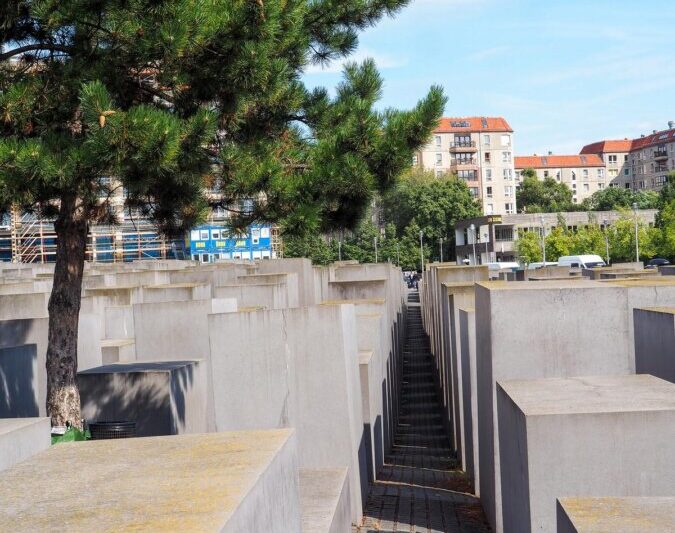
  • Holocaust Memorial — Peter Eisenman's haunting field of 2,711 concrete stelae
  • Berghain & the techno scene — Berlin's legendary, fiercely guarded club culture
  • Fernsehturm (TV Tower) — 368m GDR-era landmark with 360° views over the city
  • Checkpoint Charlie & the Cold War sites — The famous former border crossing and its museum
  • Tempelhofer Feld — A decommissioned airport turned vast public park
  • Christmas markets — Gendarmenmarkt and dozens of others light up December
Best activities
  • Climb the Reichstag's glass dome for free (book ahead). Walk through the Brandenburg Gate and along Unter den Linden. Trace Cold War history at the Berlin Wall Memorial, East Side Gallery, and Checkpoint Charlie. Explore Museum Island's Pergamon and Neues museums. Reflect at the Memorial to the Murdered Jews of Europe. Experience Berlin's nightlife in Friedrichshain and Kreuzberg. Ride to the top of the Fernsehturm at Alexanderplatz. Relax in Tiergarten or on Tempelhofer Feld. Tour Charlottenburg Palace. Sample currywurst and döner kebab, the city's signature street foods. Take a day trip to Potsdam's Sanssouci Palace.
Local experiences
  • Spend a Sunday at the Mauerpark flea market, then join the open-air karaoke in the amphitheater. Dance until daylight in a Friedrichshain techno club, where weekends genuinely run from Friday night to Monday morning. Eat your way through Markthalle Neun on Street Food Thursday, then grab a currywurst from Konnopke's Imbiss under the U-Bahn tracks. Cycle the East Side Gallery and over the Oberbaum Bridge between Friedrichshain and Kreuzberg. Bring a beer to Tempelhofer Feld at sunset and watch kite-surfers race down the old runways. Browse the Turkish Market along the Landwehr Canal in Neukölln on a Friday, then end the night in a hidden Kreuzberg bar. In December, drink Glühwein at the Gendarmenmarkt Christmas market beneath the twin cathedrals.
Practical tips
  • Currency: Euro (EUR). Many places are cash-only — Berlin lags behind other German cities in card acceptance. Always carry some cash.
  • Getting There: Berlin Brandenburg Airport (BER) connects via FEX express train (30 minutes) or S-Bahn S9/S45 to city center.
  • Transportation: BVG network (U-Bahn, S-Bahn, tram, bus) is excellent. AB zone day ticket (€8.80). Berlin WelcomeCard includes transit + museum discounts. Walking and cycling are excellent — rent bikes from Nextbike/Lime.
  • Dining: Berlin is extremely affordable for a European capital. Döner kebab (-6) is the quintessential street food. Currywurst (-5) at Curry 36 or Konnopke's. International cuisine reflects Berlin's diversity. Restaurant meals €10-25. Markthalle Neun for artisan food.
  • Free Attractions: East Side Gallery (Berlin Wall), Brandenburg Gate, Holocaust Memorial, Tiergarten, Tempelhofer Feld (former airport turned park), Mauerpark flea market (Sundays).
  • Tipping: Round up or add 5-10%
  • Electricity: 230V/50Hz, Type C/F plugs
Photography tips
  • Shoot the Brandenburg Gate at dawn before the crowds and tour buses arrive. The Reichstag dome offers free elevated views — go at dusk for city lights. The East Side Gallery's murals photograph best in flat morning light
  • the nearby Oberbaum Bridge frames the Spree beautifully. Alexanderplatz gives the classic upward shot of the Fernsehturm, while Panoramapunkt at Potsdamer Platz offers a high vantage. For atmosphere, the Holocaust Memorial's stelae create strong geometric compositions in low side light. Note that many clubs strictly forbid photography inside. A 16–35mm wide angle suits the broad boulevards and Wall murals
  • a 50mm works for street scenes in Kreuzberg and Prenzlauer Berg.
Timing
  • Allow 3–4 days for Berlin. Day one covers the historic core: Brandenburg Gate, Reichstag, Holocaust Memorial, Unter den Linden, and Museum Island. Day two follows the Cold War thread: Berlin Wall Memorial, East Side Gallery, Checkpoint Charlie, and the GDR-era sights around Alexanderplatz. Day three is for neighborhoods — Kreuzberg, Friedrichshain, and Prenzlauer Berg — plus markets, street food, and nightlife.
  • Peak Season (June–September):
  • Warmest weather, long days, lakes, beer gardens, and festivals
  • Busiest period; book accommodation and the Reichstag dome ahead
  • Shoulder (April–May & October):
  • Mild, fewer crowds, beautiful light; among the best times to visit
  • Winter (November–February):
  • Cold and grey, but festive with Christmas markets and the February Berlinale
  • Fewest crowds and lowest prices outside the holidays
  • A fourth or fifth day allows a day trip to Potsdam's Sanssouci Palace and gardens, easily reached by S-Bahn.
Keeping it authentic
  • Berlin wears its history openly — bullet-scarred façades, preserved Wall segments, and Stolpersteine (brass 'stumbling stones') set into the sidewalks mark the lives of Holocaust victims outside their former homes. The city's identity was forged by division and reinvention: after 1989, cheap rents in the formerly Eastern districts drew artists, squatters, and clubbers who built the creative, anti-glamour culture Berlin is still known for. That edge persists in Kreuzberg, Neukölln, and Friedrichshain, even as gentrification advances. Berlin is also one of Europe's most multicultural cities, with a large Turkish community whose markets, bakeries, and the döner kebab itself are woven into daily life. The techno scene, born in reunification-era warehouses, remains a genuine subculture rather than a tourist product — which is exactly why club doors are so selective.
Context

Culture, customs and safety

Cultural heritage

Germany’s pulsating capital is a treasure trove of cultural heritage that beckons travelers from around the globe. Over 300 art galleries evidence the city’s incredible art scene. Museum Island, a UNESCO World Heritage Site, offers a historical journey with its impressive ensemble of museums, including the iconic bust of Queen Nefertiti.

Film enthusiasts flock to the Berlin International Film Festival, the world’s largest public film festival, while the city’s diverse music and nightlife, ranging from underground techno clubs to the historic jazz festival JazzFest Berlin, cater to all tastes. The annual Karneval der Kulturen parade showcases Berlin’s multicultural flair. As a “City of Design” designated by UNESCO, Berlin’s creative industries are a dynamic force, contributing significantly to the local economy.

Local customs & etiquette

When traveling to Berlin, embracing local customs and etiquette will enhance your experience. Directness is valued in communication, so respond honestly to offers and invitations. Punctuality is highly regarded, so be on time for appointments. Dress neatly for public outings, and avoid jaywalking; wait for the green signal before crossing streets.

In conversation, avoid chewing gum or placing hands in pockets, and when seated, cross your legs at the knees rather than resting your feet on furniture.

Recycling is important, so be conscientious about waste. Dining etiquette includes waiting for the host’s cue to begin eating, often marked by “Guten Appetit,” and making eye contact during toasts, typically with a “Prost.” It’s polite to finish all the food on your plate.

Punctuality is also very important when visiting a German home, and bringing a small gift like flowers or wine is appreciated. Remember to unwrap flowers and choose an odd number for the bouquet. These simple gestures of respect will ensure a more authentic and welcoming experience in Berlin.

Safety notes

Berlin is one of Europe’s safest major cities, with a vibrant and open atmosphere.

General Safety:
• Tourist areas (Mitte, Prenzlauer Berg, Kreuzberg, Charlottenburg) are very safe
• Pickpocketing can occur at Alexanderplatz, Hackescher Markt, and on U-Bahn/S-Bahn
• The Görlitzer Park area in Kreuzberg has drug-dealing activity — avoid after dark

Public Transport:
• U-Bahn and S-Bahn are safe and efficient
• Validate your ticket — plainclothes inspectors issue €60 fines

Nightlife:
• Berlin’s club scene is legendary and runs until past dawn
• Standard nightlife precautions apply
• Don’t photograph inside clubs (strict no-photo policies)

Cycling:
• Use designated bike lanes
• Watch for trams — their tracks can catch bike wheels

Emergency contacts:
• General: 112
• Police: 110

Last reviewed Data: Editorial research · Climate normals · SafePlace safety indicators